
Important note: Chocolate ingestion in dogs can become a veterinary emergency. This guide is for education only and should not replace advice from a veterinarian, emergency animal hospital, ASPCA Animal Poison Control, or Pet Poison Helpline.
Your dog ate chocolate. Your heart is now doing the cha-cha, your dog looks suspiciously pleased with himself, and the empty candy wrapper is sitting on the floor like evidence in a tiny crime scene. First, breathe. Then act quickly and calmly. Chocolate can be toxic to dogs because it contains methylxanthines, mainly theobromine and caffeine. Humans process these compounds fairly well; dogs process them more slowly, which means the chemicals can overstimulate the heart, nervous system, and digestive tract.
The seriousness depends on four main things: your dog’s weight, the type of chocolate, the amount eaten, and how long ago it happened. A Great Dane licking a crumb of milk chocolate from the floor is usually a very different situation from a Chihuahua eating half a pan of dark chocolate brownies. Still, guessing is not a treatment plan. When in doubt, call a professional.
This in-depth guide explains how to treat a dog who ate chocolate in 8 practical steps, what symptoms to watch for, what veterinarians may do, and how to prevent a repeat performance from your furry snack bandit.
Why Chocolate Is Dangerous for Dogs
Chocolate is risky for dogs because of theobromine and caffeine. These stimulant compounds can cause vomiting, diarrhea, restlessness, increased thirst, excessive urination, rapid heart rate, tremors, seizures, and in severe cases, collapse or death. The darker and more bitter the chocolate, the more dangerous it usually is. Cocoa powder, baking chocolate, dark chocolate, and semisweet chocolate contain more theobromine than milk chocolate. White chocolate contains very little theobromine, but it can still cause stomach upset or pancreatitis because of its fat and sugar content.
Another sneaky danger is that chocolate treats may contain additional hazards. Brownies may include espresso powder. Trail mix may contain raisins or macadamia nuts. “Sugar-free” chocolate products may contain xylitol, which is extremely dangerous for dogs. Wrappers can also create a choking or intestinal blockage risk, especially if your dog swallowed foil, plastic, or paper along with the chocolate.
How to Treat a Dog Who Ate Chocolate: 8 Steps
Step 1: Stay Calm and Move the Chocolate Away
Your first job is to stop the buffet. Remove any remaining chocolate, wrappers, candy bowls, baking ingredients, crumbs, or suspiciously pawed-open gift boxes. If you have other pets, separate them so nobody else joins the chocolate crime spree. Keep your dog in a safe, visible area where you can monitor behavior.
Do not scold your dog. It will not help, and it may make your dog hide symptoms or avoid you. Dogs do not connect “I ate that brownie 20 minutes ago” with “my human is now speaking in thunder.” Save your energy for gathering information and calling the right help.
Step 2: Identify the Type and Amount of Chocolate
Find the packaging if possible. Look for the type of chocolate, total package weight, percentage of cacao, ingredients, and whether anything else toxic may be included. The type matters because theobromine levels vary widely.
- Highest risk: cocoa powder, cacao nibs, baking chocolate, unsweetened chocolate
- High risk: dark chocolate and semisweet chocolate
- Moderate risk: milk chocolate
- Lower theobromine risk: white chocolate, though fat and sugar can still upset the stomach
Try to estimate the amount eaten. Did your dog eat one square, an entire bar, a bag of chocolate chips, or a mystery quantity from a holiday basket? If the package was full before and empty after, assume the worst reasonable amount. It is better to overestimate slightly than to casually underplay a serious ingestion.
Also write down your dog’s approximate weight. A 10-pound dog and a 75-pound dog can react very differently to the same chocolate bar. Small dogs, puppies, senior dogs, and dogs with heart disease may be at greater risk.
Step 3: Call a Veterinarian or Pet Poison Hotline Immediately
Once you know what was eaten, call your veterinarian, a local emergency animal hospital, ASPCA Animal Poison Control, or Pet Poison Helpline. Do this even if your dog seems fine. Chocolate poisoning symptoms may take several hours to appear, and waiting for symptoms can make treatment harder.
Be ready to share:
- Your dog’s weight, age, breed, and any known health problems
- The type of chocolate and brand, if known
- The estimated amount eaten
- The time of ingestion or the last time the chocolate was seen untouched
- Current symptoms, if any
- Any other ingredients involved, such as raisins, nuts, xylitol, coffee, or cannabis
This phone call is not a formality. It helps determine whether your dog can be monitored at home, needs induced vomiting under veterinary direction, or should go directly to an emergency clinic.
Step 4: Do Not Induce Vomiting Unless a Professional Tells You To
This is where many well-meaning owners get into trouble. Do not force your dog to vomit unless a veterinarian or poison control expert specifically instructs you. Inducing vomiting can be dangerous if your dog is already weak, trembling, sedated, having seizures, struggling to breathe, or showing neurological signs. It can also cause aspiration, meaning vomit enters the lungs.
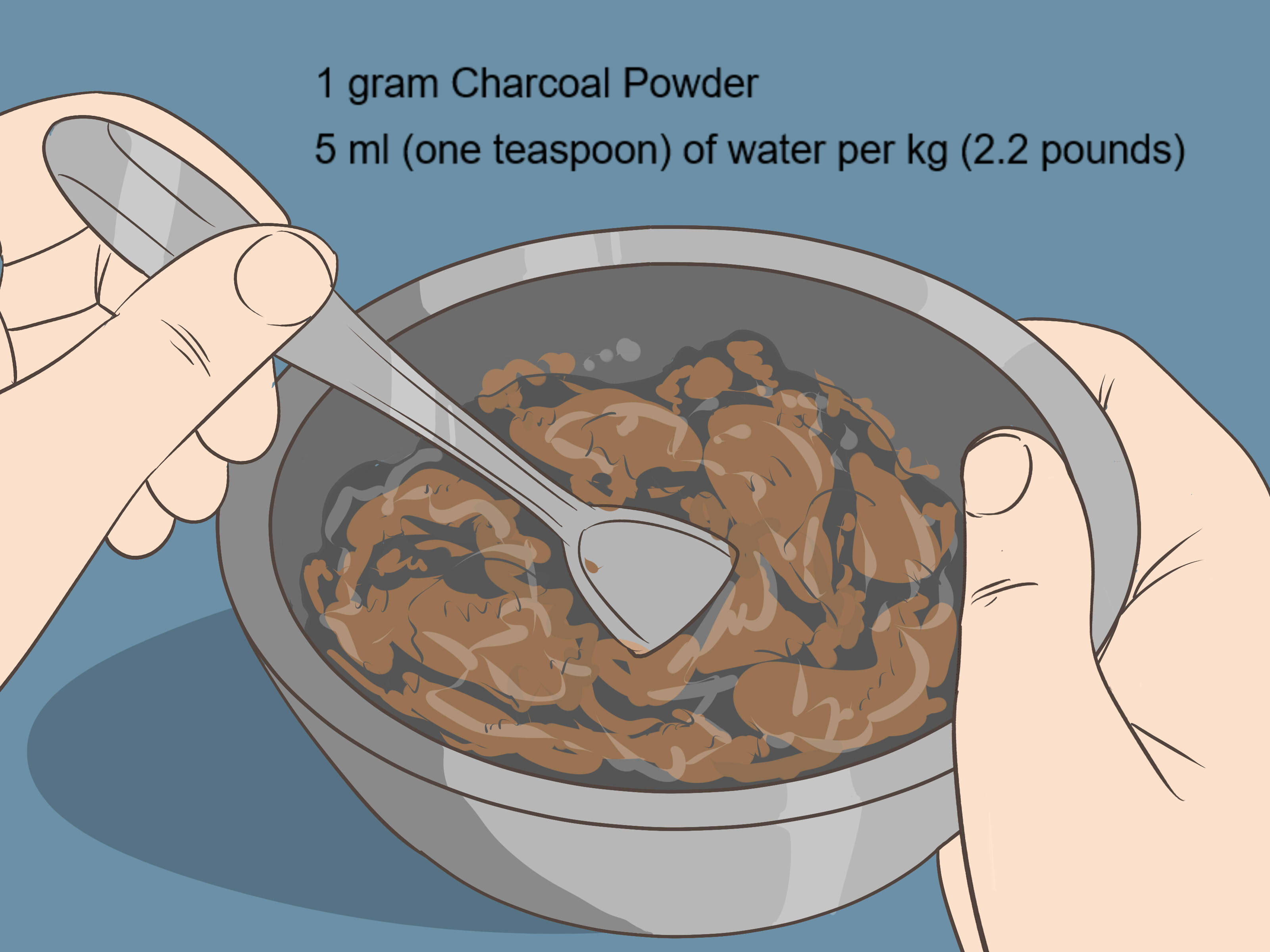
Veterinarians may induce vomiting safely in a clinic, especially if the chocolate was eaten recently and the dog is alert. In some cases, they may also give activated charcoal to reduce toxin absorption. Activated charcoal is not the same as the charcoal in your grill, and it should not be improvised at home. Medical-grade activated charcoal must be used properly to reduce risks.
In short: do not play kitchen-counter veterinarian. Call the real one.
Step 5: Watch for Symptoms of Chocolate Poisoning
Symptoms of chocolate toxicity may appear within a few hours, but they can also be delayed. Some signs may last for a day or longer, depending on the dose and the dog’s condition. Monitor your dog closely and tell your veterinarian if anything changes.
Common symptoms include:
- Vomiting
- Diarrhea
- Restlessness or hyperactivity
- Panting
- Increased thirst
- Excessive urination
- Fast heartbeat
- Tremors or shaking
- Weakness or wobbliness
- Seizures
- Collapse
If your dog has tremors, seizures, collapse, repeated vomiting, a racing heartbeat, severe agitation, or difficulty breathing, treat it as an emergency and go to the nearest veterinary hospital.
Step 6: Follow the Vet’s Treatment Plan
Treatment depends on the amount eaten, the type of chocolate, the dog’s size, and whether symptoms have started. For mild cases, your vet may recommend home monitoring with very specific instructions. For higher-risk cases, the vet may advise bringing your dog in right away.
Veterinary treatment may include:
- Inducing vomiting if appropriate
- Giving medical-grade activated charcoal
- IV fluids to support circulation and hydration
- Anti-nausea medication
- Heart rate and blood pressure monitoring
- Medications for tremors or seizures
- Medication for abnormal heart rhythm
- Hospital observation for moderate to severe cases
There is no simple antidote that instantly cancels chocolate poisoning. Treatment focuses on reducing absorption, supporting the body, and controlling dangerous symptoms. The faster treatment begins, the better the outlook usually is.
Step 7: Keep Your Dog Comfortable During Monitoring
If your veterinarian says your dog can be monitored at home, create a calm environment. Keep your dog away from stairs, pools, balconies, and anything risky in case restlessness or wobbliness develops. Offer fresh water unless your vet tells you otherwise. Do not feed a heavy meal unless instructed; a sensitive stomach plus chocolate is already enough drama for one evening.
Write down symptoms and times. For example: “Vomited once at 7:20 p.m., drank water at 7:45 p.m., restless from 8:00 to 8:30 p.m.” These notes help your vet decide whether the situation is improving or getting worse.
Do not give human medications, anti-diarrhea products, herbal remedies, CBD, hydrogen peroxide, salt, oils, or home “detox” treatments unless a veterinary professional directly recommends them. Dogs are not tiny humans in fur coats, even when they sit on the couch like retired accountants.
Step 8: Prevent Chocolate Access in the Future
Once the danger has passed, upgrade your chocolate security system. Dogs are excellent at identifying weak points in household snack storage. A “high shelf” may not be enough for a counter-surfing Labrador or a determined terrier with the soul of a burglar.
Use sealed containers, closed cabinets, pantry bins, or locked storage for baking chocolate, cocoa powder, candy, protein bars, and holiday treats. Teach children that dogs should never be given chocolate, not even “just a tiny piece.” During Halloween, Easter, Christmas, Valentine’s Day, birthdays, and baking days, keep candy bags and dessert trays far from curious noses.
If your dog is a repeat offender, train a strong “leave it” cue, supervise food areas, and use baby gates when guests visit. Prevention is much cheaper than emergency care and much less stressful than Googling “dog ate brownie help” at midnight.
How Much Chocolate Is Too Much for a Dog?
There is no single answer because chocolate toxicity is dose-dependent. Theobromine levels differ by chocolate type, and dogs differ by weight and health status. As a general rule, darker chocolate requires less quantity to cause serious problems. A small amount of milk chocolate may cause mild stomach upset in a large dog, while the same amount of dark chocolate could be much more concerning for a small dog.
Veterinary sources often discuss risk in terms of milligrams of methylxanthines per pound or kilogram of body weight. But in a real emergency, pet owners should not spend precious time doing panicked math with a calculator and a shaking hand. Instead, collect the packaging, estimate the amount, weigh or estimate your dog’s weight, and call a professional. Chocolate toxicity calculators can be useful, but they are not a substitute for veterinary guidance.
When Is Chocolate Ingestion an Emergency?
Call a veterinarian or poison hotline for any meaningful chocolate ingestion. Go to an emergency clinic immediately if your dog ate dark chocolate, baking chocolate, cocoa powder, a large amount of milk chocolate, chocolate with xylitol, chocolate with raisins or macadamia nuts, or an unknown amount. You should also seek urgent care if your dog is very small, very young, elderly, pregnant, or has heart disease.
Symptoms such as tremors, seizures, collapse, extreme agitation, repeated vomiting, weakness, or abnormal heart rhythm are emergency signs. Do not wait to “see if it passes.” Chocolate toxicity can progress, and early treatment often makes the difference between a manageable scare and a serious crisis.
Common Mistakes Owners Make After a Dog Eats Chocolate
Waiting for Symptoms
Many dogs seem normal at first. That does not mean the chocolate is harmless. Symptoms can be delayed, and early veterinary advice is more useful than late regret.
Underestimating Dark Chocolate
Dark chocolate, baker’s chocolate, and cocoa powder are far more concentrated than milk chocolate. A small-looking amount can still be dangerous, especially for small dogs.
Forgetting About Other Ingredients
Chocolate is not always the only problem. Raisins, xylitol, espresso beans, macadamia nuts, cannabis edibles, and high-fat desserts can create additional emergencies.
Trying Home Remedies
Online advice can be risky. Do not give salt, oils, charcoal briquettes, human medicine, or random “detox” mixtures. Chocolate poisoning needs veterinary guidance, not a science experiment in your kitchen.
Real-Life Experience: What It Feels Like When Your Dog Eats Chocolate
Almost every dog owner has a story like this, or knows someone who does. The room goes quiet, which is suspicious because quiet dogs are either sleeping, plotting, or eating something expensive. You walk in and see the torn wrapper. Your dog gives you that wide-eyed look that says, “I have made several decisions, and I stand by none of them.”
One common experience is panic over uncertainty. Maybe you do not know whether the candy bar was full. Maybe your child says, “I think there were five pieces left,” which is not exactly forensic evidence. Maybe the dog ate a brownie, but nobody knows how much cocoa powder was in the recipe. This is why packaging, recipes, and honest estimates matter. Veterinarians are used to imperfect information. They would rather hear, “I’m not sure, but it may have been half a bag,” than receive a confident guess that turns out to be too low.
Another common experience is the temptation to wait. The dog looks fine. He may even wag his tail, burp, and ask for dinner, which feels deeply unfair. But chocolate toxicity can be delayed. Many owners later say they wish they had called earlier instead of searching the internet for reassurance. The best move is to call first, then relax if the professional says the dose is low enough to monitor.
Owners also learn quickly that “out of reach” means different things to different dogs. For a calm senior pug, out of reach may mean the center of the counter. For a young German shepherd, it may mean behind a closed door, inside a cabinet, protected by a security guard and possibly a dragon. Dogs can climb, jump, nose open bags, pull down backpacks, unzip lunchboxes, and recruit toddlers as snack distributors. After one chocolate scare, many families start treating cocoa powder and candy like cleaning chemicals: sealed, stored, and never left unattended.
The emotional side is real, too. Owners often feel guilty, embarrassed, or afraid the vet will judge them. In reality, veterinary teams handle chocolate ingestion all the time. Their focus is not blame; it is dose, timing, symptoms, and treatment. The most helpful thing you can do is be honest and act quickly. Saying “I think he ate two dark chocolate bars around 30 minutes ago” is far more useful than saying “He maybe had a little chocolate” because you feel bad.
Many dogs recover well with prompt care, especially when the owner calls early. Some cases end with simple monitoring. Others require vomiting induction, activated charcoal, fluids, and observation. Either way, the experience usually turns owners into highly motivated snack-storage experts. The dog may forget the whole thing by breakfast. You, however, will never look at a brownie tray the same way again.
Conclusion
If your dog ate chocolate, the safest plan is simple: remove the chocolate, identify the type and amount, call a veterinarian or poison hotline, and follow professional instructions. Do not wait for symptoms, and do not induce vomiting unless told to do so. Chocolate poisoning depends on dose, chocolate type, body weight, and timing, so quick information gathering can make treatment faster and more effective.
The good news is that many dogs do well when owners act promptly. The even better news is that future chocolate emergencies are preventable. Store chocolate securely, teach family members the rules, watch holiday candy, and remember that dogs are gifted snack detectives with zero respect for dessert boundaries.
SEO Tags