
The Myson Hardwire Floor Mounted Inn Towel Warmer is one of those bathroom upgrades that sounds wonderfully fancy until you use it oncethen it suddenly feels less like a luxury and more like a basic human right. Cold towel after a hot shower? Absolutely not. We are civilized people. We have plumbing, electricity, and standards.
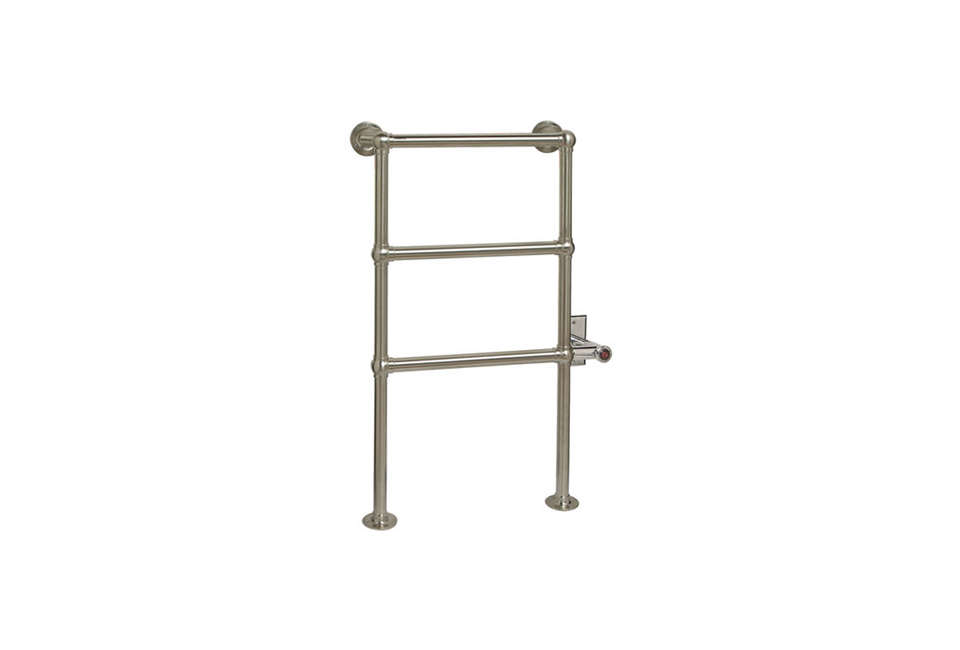
Part of Myson’s traditional-style towel warmer lineup, the Inn model is designed for homeowners who want the charm of a classic heated towel rail with the cleaner look of a hardwired installation. It is commonly associated with the EB24/EB24-1 Inn electric towel warmer, a floor-mounted or floor-supported design that brings together polished bathroom style, practical towel drying, and everyday comfort. Instead of looking like a temporary appliance that wandered in from the laundry room, this unit feels built into the roommore like bathroom architecture than bathroom gadgetry.
This guide breaks down what makes the Myson Inn towel warmer appealing, how it works, where it fits best, what to know before installation, and whether it is the right choice for your bathroom remodel, primary suite, guest bath, or spa-inspired retreat.
What Is the Myson Hardwire Floor Mounted Inn Towel Warmer?
The Myson Inn towel warmer is a traditional electric heated towel rail made for bathrooms where both function and appearance matter. Unlike a plug-in freestanding rack, a hardwired towel warmer connects directly to the home’s electrical system. That means no dangling cord, no outlet-hunting, and no awkward “please ignore this cable” moment near your beautiful tile wall.
The Inn design leans classic rather than ultra-modern. It typically features rounded rails, a rectangular profile, and a substantial frame that looks especially at home in transitional, vintage-inspired, hotel-style, and traditional bathrooms. Depending on the retailer and finish, listings commonly describe the model at roughly 38 inches high, around 27 to 31 inches wide, and about 5.5 inches deep. Most U.S. product descriptions place it in the 120V electric category, with wattage commonly listed around the low 100-watt range, though exact specifications can vary by model number, finish, and production run.
In plain English: it is not trying to heat your whole bathroom like a space heater. Its job is to warm and help dry towels. It performs that job with a lot more grace than tossing a bath towel over the shower door and hoping for the best.
Why Choose a Hardwired Floor Mounted Towel Warmer?
A hardwired towel warmer is often chosen during a bathroom renovation because it creates a permanent, polished finish. Plug-in models can work well for renters or quick upgrades, but hardwired models look more intentional. They are the built-in espresso machine of the bathroom world: not necessary for survival, but very persuasive once you experience it.
A Cleaner Look
The biggest visual advantage is the absence of a visible cord. Bathrooms are already full of design detailstile lines, faucets, glass doors, vanity hardware, mirrors, lighting, and storage. A hardwired towel warmer helps keep the wall or floor area clean and uncluttered.
Better for Long-Term Use
If you own your home and plan to keep the bathroom layout for years, a hardwired electric towel warmer makes sense. It becomes part of the room rather than an accessory you move around. That is especially useful in primary bathrooms, luxury guest baths, and aging-in-place remodels where convenience matters.
Floor Mounted Stability
A floor mounted towel warmer can feel sturdy and architectural, especially in bathrooms where wall conditions are complicated. Some bathrooms have tile, stone, windows, wainscoting, or limited wall backing. A floor-supported design may offer a more flexible installation path while still keeping the unit firmly positioned.
Design and Finish Options
One reason Myson towel warmers have remained popular is their finish variety. The Inn model has been associated with finishes such as polished chrome, polished nickel, satin nickel, oil-rubbed bronze, regal brass, and white. These finishes allow the towel warmer to coordinate with faucets, shower trim, lighting, cabinet pulls, and other bathroom hardware.
Chrome is a safe choice for bright, classic bathrooms. Satin nickel feels softer and more transitional. Oil-rubbed bronze can work beautifully in warm traditional spaces with darker fixtures. Brass adds old-world elegance, especially when paired with marble, cream tile, or vintage-style faucets. White is subtle and can blend into lighter bathroom schemes without shouting, “Look at me, I heat towels!”although, frankly, it has earned the right to brag.
Performance: What to Expect from the Myson Inn Towel Warmer
A towel warmer should be judged by realistic expectations. The Myson Hardwire Floor Mounted Inn Towel Warmer is designed to warm towels gently and help them dry more efficiently. It is not a clothes dryer, sauna heater, or emergency solution for a freezing bathroom.
For best results, hang towels with as much contact against the heated rails as possible. A towel loosely tossed over one bar may warm unevenly. A towel folded across multiple bars usually performs better. Thicker towels may need more time, while lighter cotton towels warm faster. If you want a towel that feels cozy after a shower, turn the warmer on ahead of time or use a timer control if your installation includes one.
Many homeowners also appreciate the drying benefit. Damp towels that sit in a humid bathroom can develop odors. A heated towel rail helps reduce lingering moisture, which may make towels feel fresher between washes. It will not replace ventilation, though. You still need a proper bathroom fan, especially in rooms where mirrors fog up like they are auditioning for a mystery movie.
Installation Considerations Before You Buy
Because this is a hardwired towel warmer, installation is not a casual Saturday project unless you are a qualified electrician. A licensed professional should handle the wiring, grounding, circuit protection, and code compliance. Bathroom electrical work is not the place to “wing it,” unless your hobby is creating sparks for all the wrong reasons.
Electrical Requirements
Hardwired electric towel warmers generally require connection to a properly grounded household circuit. Bathroom installations typically need GFCI protection, and all wiring should follow National Electrical Code requirements as well as local building codes. The unit should be installed according to the manufacturer’s instructions, with attention to correct orientation and safe placement.
Placement Matters
A towel warmer should be convenient but not exposed to direct water contact. It should not be installed inside a shower, steam room, sauna, or any area where water can spray directly onto the unit. A good location is near the shower or tub exit, close enough to grab a towel easily, but safely outside wet zones.
Check the Wall, Floor, and Clearance
Before installation, measure carefully. Consider door swings, vanity drawers, toilet clearance, shower glass, baseboards, and traffic flow. A towel warmer that looks perfect on paper can become annoying if it blocks a cabinet drawer or turns every bathroom visit into a sideways shuffle.
Best Bathroom Styles for the Myson Inn Towel Warmer
The Inn towel warmer is not a minimalist ladder rack with razor-thin lines. It has a traditional personality. That makes it a strong choice for bathrooms that include classic materials and warmer design elements.
Traditional Bathrooms
Pair it with polished nickel fixtures, marble tile, framed mirrors, and shaker-style cabinetry. The rounded rail design complements traditional details without feeling fussy.
Transitional Bathrooms
If your bathroom mixes modern tile with classic faucets, the Myson Inn model can bridge the two styles nicely. Satin nickel or chrome is usually the easiest match.
Luxury Guest Bathrooms
A towel warmer in a guest bath sends a subtle but powerful message: “Yes, we thought this through.” It makes visitors feel pampered without requiring you to fold towels into swans. Everyone wins.
Primary Suites
In a primary bathroom, the warmer becomes part of the daily routine. It is especially appealing in colder climates, larger bathrooms, or homes where tile floors and chilly mornings form an unholy alliance.
Pros and Cons of the Myson Hardwire Floor Mounted Inn Towel Warmer
Pros
The main advantages are appearance, comfort, and permanence. The hardwired setup looks clean. The traditional design feels elegant. The floor mounted form adds presence. The unit can help towels feel warmer and dry more efficiently. It also offers a premium feature that can support the overall value and appeal of a remodeled bathroom.
Cons
The biggest drawback is installation complexity. You need professional electrical work, which adds cost. Availability may also vary because certain Myson models and finishes can be discontinued, special order, or limited by dealer inventory. Another consideration is capacity. A traditional rail warmer can usually handle one or two towels well, but it is not a giant towel oven for an entire family of five.
How to Use a Heated Towel Warmer Effectively
To get the best experience, use the towel warmer with a little strategy. Hang towels neatly, allow enough warm-up time, and avoid overloading the rails. If the unit is connected to a timer, set it to run before your usual shower time. A morning timer can make your bathroom feel like a boutique hotel, minus the tiny shampoo bottles you are tempted to steal.
Use cotton towels when possible because they tend to heat and dry predictably. Very thick bath sheets can still work, but they may need more time and better rail contact. Do not pile multiple wet towels onto the warmer and expect magic. Airflow matters. Heat works best when moisture has somewhere to go.
Maintenance and Care Tips
Maintenance is usually simple. Keep the towel warmer clean, dry the exterior as needed, and wipe it with a soft cloth. Avoid abrasive pads or harsh chemical cleaners, especially on plated or specialty finishes. If you have a polished finish, fingerprints may show more easily, but a gentle wipe usually restores the shine.
Periodically check that the unit remains secure and that there are no signs of wiring trouble, unusual smells, discoloration, or damage. If anything seems wrong, turn it off and call a qualified professional. Electrical appliances in bathrooms deserve respect. They are not the place for heroic DIY experiments.
Is the Myson Inn Towel Warmer Worth It?
The Myson Hardwire Floor Mounted Inn Towel Warmer is worth considering if you want a permanent, elegant towel warming solution with a classic design. It is best for homeowners who value comfort, bathroom aesthetics, and built-in upgrades. It is not the cheapest way to warm a towel, but it is far more refined than draping towels over a radiator or blasting them with a hair dryer like you are trying to revive a damp flag.
For remodels, the timing is ideal. If walls or floors are already open, adding wiring for a hardwired towel warmer becomes much easier. If your bathroom is already finished, installation may still be possible, but labor can be more involved. Either way, the result can feel luxurious every single day.
Real-Life Experience: Living with a Myson Hardwire Floor Mounted Inn Towel Warmer
The first thing most people notice after installing a towel warmer is not dramatic. There are no fireworks. No orchestra enters the bathroom. Instead, the change is quiet and deeply satisfying. You step out of the shower, reach for your towel, and suddenly the morning feels less hostile. That small moment can change the tone of the entire routine.
With a model like the Myson Inn towel warmer, the experience is as much about rhythm as heat. The best use usually comes from planning ahead. If the unit is turned on only when you step into the shower, the towel may not have enough time to warm thoroughly. But when it is connected to a timer or switched on before bathing, it becomes one of those little household pleasures that feels absurdly easy to get used to.
In a primary bathroom, the floor mounted style can make the room feel more finished. It gives towels a dedicated place to live instead of being folded on a vanity, hung behind a door, or balanced on whatever hook was installed by a previous homeowner with questionable aim. The warmer becomes part towel storage, part comfort appliance, and part design feature.
Guests tend to notice it too. A warm towel in a guest bathroom feels thoughtful without being loud. It is the bathroom equivalent of offering someone a good cup of coffee instead of pointing vaguely toward the kitchen. People may not comment immediately, but they remember the comfort.
There are practical lessons as well. Placement is everything. Install it where towels are easy to reach, but make sure it does not interfere with movement. A towel warmer placed too close to a toilet, vanity drawer, or swinging shower door can become a daily irritation. Measure twice, then imagine using the room half-awake at 6:30 a.m. That mental test is surprisingly useful.
Towel choice also matters. Medium-weight cotton towels usually warm nicely and dry well. Oversized, ultra-plush bath sheets feel luxurious, but they may require more time and careful folding to warm evenly. The warmer performs best when the towel touches several rails and still has room for air circulation. Overloading it with wet towels reduces performance and makes the setup look messy.
Another real-world advantage is odor control. Bathrooms that stay humid can make towels smell stale faster. A heated rail helps towels dry instead of remaining damp for hours. It is not a replacement for a ventilation fan, but it supports a fresher bathroom routine. The combination of a good fan and towel warmer is much better than hoping humidity simply becomes bored and leaves.
From a design perspective, the Inn model suits people who want character. It does not disappear like some modern ladder warmers. It has a traditional presence, especially in chrome, nickel, or brass-style finishes. In the right bathroom, that presence is a benefit. It looks intentional, substantial, and slightly old-world, like something you would find in a refined hotel bathroom where the soap has a French name.
The main experience-based caution is to budget for installation properly. The product price is only one part of the project. Electrical work, possible wall or floor preparation, timer controls, and finish coordination can all affect the final cost. For best results, involve the electrician early, especially if the bathroom is being remodeled. It is much easier to plan wiring before tile is installed than after the tile is proudly complete and everyone realizes the switch should have been three feet to the left.
Overall, living with a hardwired Myson Inn towel warmer is about adding comfort that does not demand attention. It quietly improves cold mornings, damp towels, and the overall feel of the bathroom. Once it becomes part of the routine, going back to a cold towel can feel like a betrayal by fabric.
Conclusion
The Myson Hardwire Floor Mounted Inn Towel Warmer is a strong choice for homeowners who want a classic, built-in bathroom upgrade that blends comfort with design. Its traditional look, hardwired installation, floor mounted presence, and finish options make it especially suitable for refined bathroom remodels and primary suites. While it requires professional installation and careful placement, the daily reward is simple: warmer towels, better drying, and a bathroom that feels more polished.
If you are planning a bathroom renovation and want one feature that feels both practical and indulgent, this towel warmer deserves a serious look. It may not be the loudest upgrade in the room, but on a cold morning, it might become your favorite.
Note: Product dimensions, wattage, finish availability, and installation details may vary by retailer, production run, and model number. Confirm the current specification sheet and local electrical requirements before purchase or installation.