
Medical note: This visual guide to meningitis is for education only. Meningitis can become serious quickly, especially bacterial meningitis. If you or someone near you has symptoms that suggest meningitis, seek urgent medical care immediately.
Meningitis is one of those health topics that sounds like it belongs in a thick medical textbook guarded by a dragon. But the basic picture is easier to understand: the brain and spinal cord wear a protective “jacket” called the meninges. When those membranes become inflamed, infected, or irritated, the condition is called meningitis. The trouble is that the brain is not exactly a “wait and see” body part. When it sends an alarm, we should not hit snooze.
This visual guide breaks meningitis into clear scenes: what it looks like inside the body, how symptoms may appear, which warning signs matter most, how doctors diagnose it, and how prevention works. Think of it as a health map, not a horror movie trailer. The goal is simple: help readers recognize the red flags, understand the major types of meningitis, and know when to act fast.
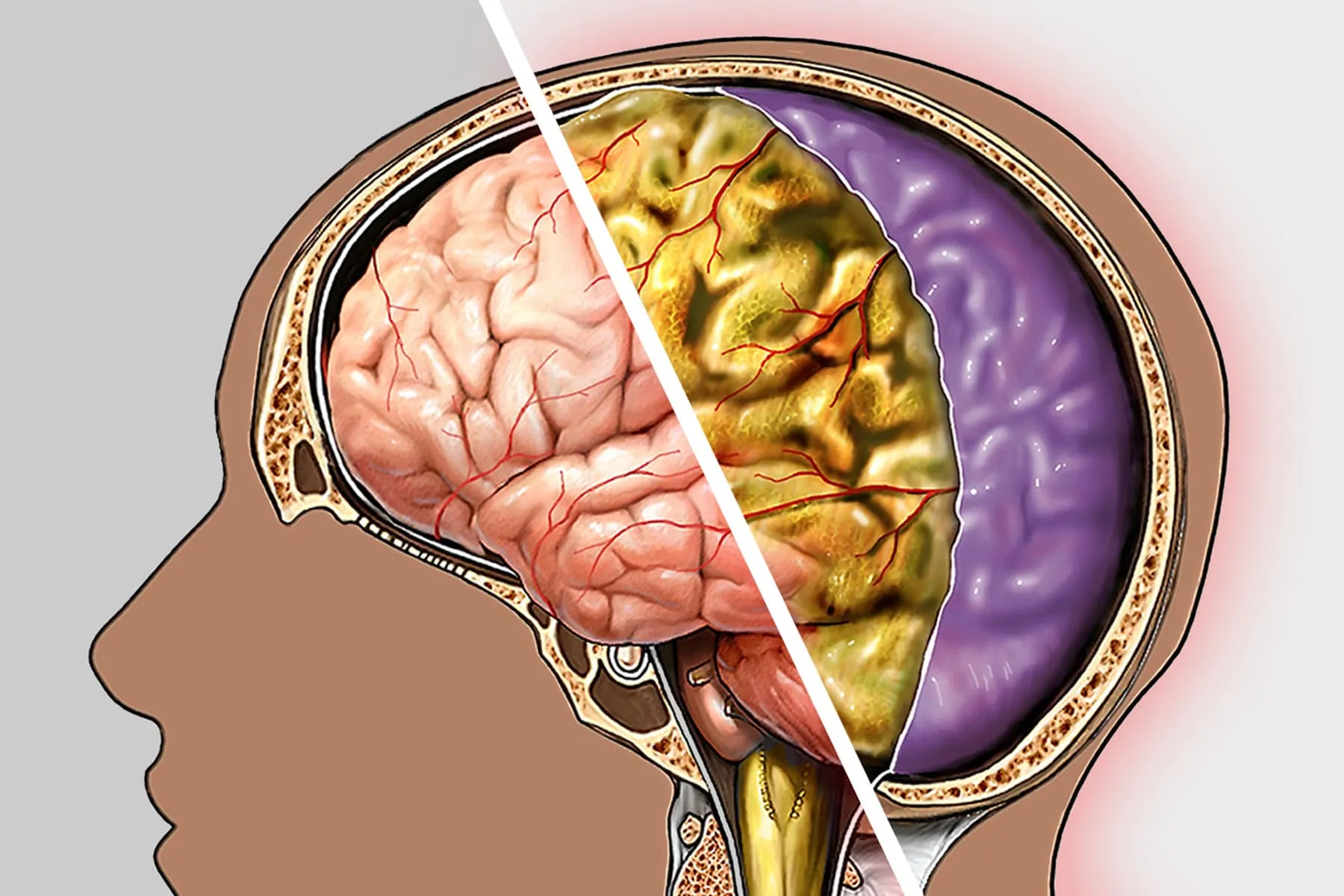
What Is Meningitis? A Simple Picture
Imagine the brain and spinal cord wrapped in three thin protective layers. These layers help shield the central nervous system, much like a phone case protects a very expensive phoneexcept the phone is your command center and you cannot just buy a replacement at the mall. When infection or inflammation affects these layers, swelling can develop. That swelling may irritate nerves, increase pressure, and trigger symptoms such as fever, headache, neck stiffness, light sensitivity, nausea, vomiting, confusion, and unusual tiredness.
Visual Snapshot: Normal vs. Inflamed Meninges
- Normal: Protective membranes quietly cushion the brain and spinal cord.
- Meningitis: The membranes become inflamed, which can cause pain, fever, stiffness, and changes in mental alertness.
- Emergency clue: Symptoms that appear suddenly or worsen quickly should never be ignored.
The most common causes are viruses and bacteria, but fungi, parasites, medications, immune conditions, and certain cancers can also irritate the meninges. Viral meningitis is often less severe than bacterial meningitis, but here is the important catch: you cannot reliably tell the cause at home. A person with symptoms needs medical evaluation, not a kitchen-table diagnosis powered by search results and optimism.
Main Types of Meningitis
1. Viral Meningitis
Viral meningitis is the most common form. Many cases are linked to enteroviruses, though other viruses can also be involved. It may cause fever, headache, stiff neck, sensitivity to light, nausea, and fatigue. Many people recover with supportive care, such as rest, fluids, and symptom management, but medical evaluation is still important because early symptoms can resemble more dangerous forms.
2. Bacterial Meningitis
Bacterial meningitis is less common but much more dangerous. It can progress rapidly and may lead to serious complications, including hearing loss, seizures, brain injury, bloodstream infection, or death. Common bacterial causes include Streptococcus pneumoniae, Neisseria meningitidis, Haemophilus influenzae, group B strep, Listeria monocytogenes, and E. coli, depending on age and risk factors.
This is the type that makes doctors move fast. Treatment often begins with intravenous antibiotics, sometimes with corticosteroids, even before every test result is back. In other words, bacterial meningitis is not the time for a “maybe it’s just a bug” debate.
3. Fungal, Parasitic, and Noninfectious Meningitis
Fungal meningitis is uncommon and tends to affect people with weakened immune systems, though it can happen in other settings. Parasitic meningitis is rare in the United States. Noninfectious meningitis may occur because of certain medications, autoimmune diseases, cancer, or other inflammatory conditions. These causes are less common, but they remind us that meningitis is not one single illnessit is a pattern of inflammation with different possible triggers.
Visual Guide to Symptoms: What Meningitis Can Look Like
Meningitis symptoms can vary by age, cause, and how quickly the illness develops. Some people have the “classic” combination of fever, severe headache, and stiff neck. Others do not. That is why it is better to look at the whole picture instead of waiting for a perfect textbook example to show up wearing a name tag.
Classic Warning Signs
- Fever: Often sudden or high, though not always present in every person.
- Severe headache: A headache that feels unusually intense or different.
- Stiff neck: Pain or difficulty bending the neck forward.
- Light sensitivity: Bright light may feel painful or overwhelming.
- Nausea or vomiting: Especially when paired with headache or fever.
- Confusion or drowsiness: Trouble staying alert, acting strangely, or seeming unusually sleepy.
- Rash: A purple, red, or bruise-like rash can be a serious warning sign, especially with fever.
Symptoms in Babies and Young Children
Infants do not usually say, “Excuse me, I appear to have meningeal irritation.” They communicate through behavior. Watch for fever or a lower-than-normal temperature, poor feeding, unusual crying, extreme sleepiness, irritability, vomiting, stiffness, limpness, or a bulging soft spot on the head. A baby who is hard to wake, difficult to comfort, or not feeding well needs prompt medical attention.
Symptoms in Teens and Adults
Teens and adults may experience fever, intense headache, stiff neck, sensitivity to light, nausea, vomiting, muscle aches, confusion, drowsiness, or seizures. College students, people in dormitories, military recruits, travelers to certain regions, people without a spleen, and those with weakened immune systems may have higher risk for some forms of meningitis.
The Meningitis Rash: What to Know
A meningitis-related rash is often discussed because meningococcal disease can cause tiny red, purple, or bruise-like spots. A rash that does not fade when pressed can be a medical emergency. However, the most important rule is this: do not wait for a rash. Many people with meningitis never develop one, and waiting for skin signs can waste valuable time.
Visual Rash Reminder
Possible serious pattern: Fever plus purple, red, or bruise-like spots, especially with confusion, sleepiness, stiff neck, or severe headache.
Action: Seek emergency care. Do not wait to see whether the rash spreads or becomes “more obvious.” Meningitis is not auditioning for a photo shoot.
How Meningitis Spreads
How meningitis spreads depends on the cause. Some viruses spread through close contact, respiratory droplets, or contaminated hands and surfaces. Meningococcal bacteria can spread through respiratory and throat secretions, such as saliva, especially during close or prolonged contact. That is why outbreaks may happen in places where people live close together, including dorms, boarding schools, military settings, and households.
Not every exposure causes illness. The immune system, vaccination status, age, medical history, and the specific germ all matter. Still, when meningococcal disease is suspected, close contacts may need preventive antibiotics. That decision belongs to healthcare professionals and public health teams, not group chat speculation.
How Doctors Diagnose Meningitis
Diagnosis usually starts with a medical history, physical exam, and urgent assessment of symptoms. Doctors may order blood tests, imaging tests, and a lumbar puncture, also called a spinal tap. During a lumbar puncture, a small sample of cerebrospinal fluid is collected from the lower back and tested for signs of infection, inflammation, bacteria, viruses, or other clues.
Diagnostic Roadmap
- Symptom review: Fever, headache, neck stiffness, rash, confusion, light sensitivity, or seizures.
- Physical exam: Neurologic signs, alertness, hydration, rash, and neck movement.
- Blood tests: Look for infection and inflammation.
- Imaging: Sometimes used before lumbar puncture in selected cases.
- Spinal fluid testing: Helps identify the cause and guide treatment.
Because bacterial meningitis can worsen quickly, treatment may begin before all results return. That may feel dramatic, but in medicine, speed can protect the brain. Fast treatment is not overreacting; it is the correct level of respect for a potentially life-threatening infection.
Treatment: What Happens After Diagnosis?
Bacterial Meningitis Treatment
Bacterial meningitis usually requires hospitalization and intravenous antibiotics. Corticosteroids may be used in some cases to reduce inflammation and the risk of complications. Supportive care may include fluids, fever control, oxygen, seizure treatment, and monitoring for brain swelling or bloodstream infection.
Viral Meningitis Treatment
Many cases of viral meningitis improve with supportive care, but some viral causes require specific antiviral treatment. A healthcare provider may recommend rest, hydration, pain relief, fever control, and monitoring. People with weakened immune systems, infants, older adults, or severe symptoms may need closer care.
Fungal or Other Causes
Fungal meningitis requires antifungal medicine and careful medical management. Noninfectious meningitis is treated by addressing the underlying trigger. The treatment plan depends on the cause, which is why testing matters so much.
Prevention: Vaccines, Hygiene, and Smart Habits
Vaccines help prevent several infections that can cause meningitis. In the United States, meningococcal vaccination is recommended for adolescents, with additional recommendations for people at increased risk. Other vaccines, including pneumococcal and Hib vaccines, also help prevent bacteria that can cause meningitis.
Prevention is not only about shots, though vaccines are the heavyweight champions here. Everyday habits also help: wash hands well, avoid sharing drinks or utensils, cover coughs, clean frequently touched surfaces, and stay home when sick. People with certain medical conditions or outbreak exposure may need extra guidance from a healthcare provider.
Prevention Checklist
- Stay up to date on recommended vaccines.
- Wash hands thoroughly, especially before eating.
- Avoid sharing cups, lip balm, toothbrushes, or utensils.
- Seek medical advice after close exposure to meningococcal disease.
- Take symptoms seriously, especially when they appear together or worsen quickly.
When to Seek Emergency Care
Get urgent medical help if a person has fever with severe headache, stiff neck, confusion, unusual sleepiness, seizure, sensitivity to light, repeated vomiting, or a purple/red rash. In babies, seek urgent help for poor feeding, extreme irritability, unusual crying, limpness, hard-to-wake behavior, breathing trouble, or a bulging soft spot.
One symptom alone may not always mean meningitis, but a concerning pattern deserves immediate attention. Trust your instincts. If someone looks seriously ill, acts unlike themselves, or rapidly gets worse, do not wait for every symptom on a checklist. The safest “visual guide” is the one that ends with timely medical care.
Common Myths About Meningitis
Myth 1: “Meningitis always causes a stiff neck.”
Not always. Neck stiffness is common, but some peopleespecially babies, older adults, or people early in the illnessmay not show classic signs.
Myth 2: “If there is no rash, it is not meningitis.”
False. A rash can be a serious clue, especially in meningococcal disease, but many meningitis cases do not include a rash.
Myth 3: “Only children get meningitis.”
Anyone can get meningitis. Infants, teens, young adults in close living settings, older adults, and people with weakened immune systems may face higher risks depending on the cause.
Myth 4: “Viral meningitis is never serious.”
Viral meningitis is often milder than bacterial meningitis, but it can still cause significant illness and requires medical evaluation to rule out more dangerous causes.
Experience-Based Guide: What Families Often Notice First
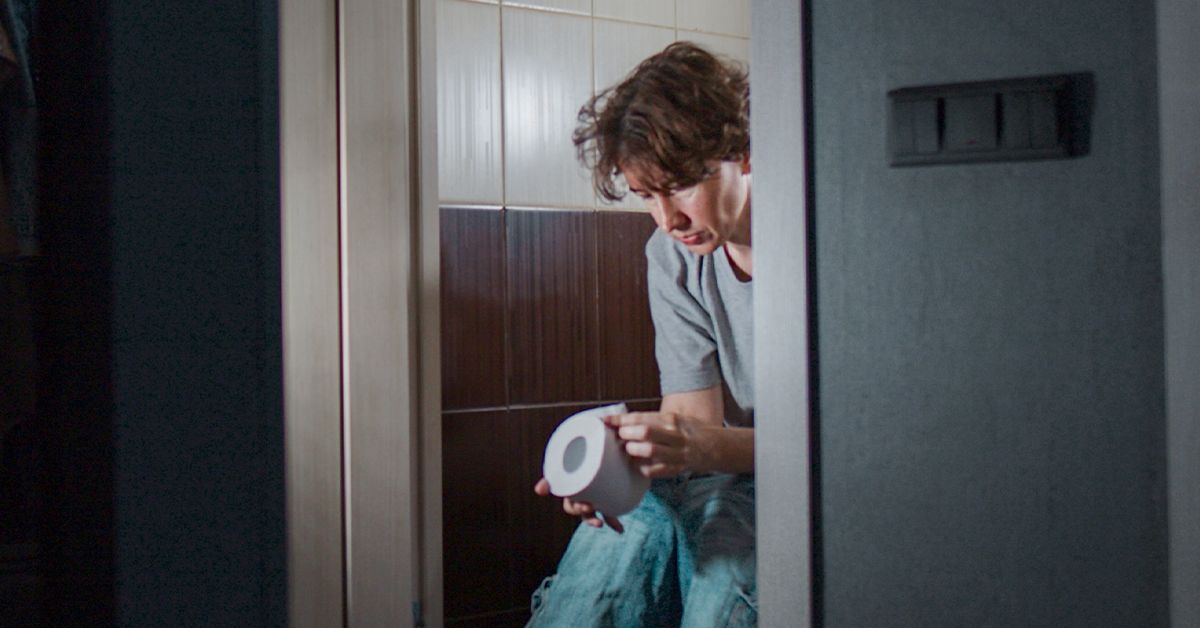
In real life, meningitis rarely arrives with a polite announcement. Families often describe the first stage as confusing because the early symptoms can look like flu, food poisoning, a migraine, or a “bad virus.” A child may come home from school exhausted, skip dinner, complain about a headache, and curl up in a dark room. A teen may say light hurts their eyes and insist they just need sleep. An adult may feel feverish, nauseated, and unusually foggy. At first, nothing may scream “medical emergency.” That is exactly why pattern recognition matters.
One experience many caregivers share is the feeling that “this is different.” The headache is not just annoying; it is intense. The tiredness is not normal sleepiness; the person is hard to wake or seems mentally off. The fever may come with neck pain, vomiting, or sensitivity to light. The person may avoid movement because every little shift feels awful. Parents sometimes notice that a baby’s cry sounds unusual, or that the baby refuses feeds and cannot be comforted the way they normally can. These details are not dramatic decorations; they are important clues.
Another common experience is hesitation. People wonder whether they are overreacting. Nobody wants to be the person who rushes to urgent care for “just a virus.” But meningitis is one of those conditions where being cautious is not embarrassingit is smart. The cost of checking too early is usually inconvenience. The cost of checking too late can be severe. When symptoms include fever plus severe headache, stiff neck, confusion, rash, repeated vomiting, seizure, or unusual drowsiness, the decision should lean toward urgent medical evaluation.
For schools, camps, dorms, and sports teams, the experience can be especially stressful because germs travel well where people share close space. A single case may lead to public health calls, contact tracing, preventive antibiotics for close contacts, or vaccine reviews. That process can feel intense, but it is designed to stop further spread. The practical takeaway is simple: do not share drinks, water bottles, lip balm, or utensils; report serious symptoms early; and keep vaccination records updated before college, camp, or group travel.
After recovery, families may also learn that meningitis follow-up matters. Some people bounce back quickly, especially after viral meningitis. Others need hearing checks, neurologic follow-up, rest, or gradual return to school and work. Fatigue can linger. Concentration may feel harder for a while. The best recovery plan is not “pretend everything is normal by Monday.” It is listening to the healthcare team, watching for new symptoms, and giving the brain and body time to recover. The brain is the CEO of the body; when the CEO has been through a crisis, the whole office may need a quieter week.
Conclusion
Meningitis is inflammation of the protective membranes around the brain and spinal cord. It may be caused by viruses, bacteria, fungi, parasites, or noninfectious triggers. The most important lesson from this visual guide to meningitis is not memorizing every medical term; it is recognizing dangerous patterns. Fever with severe headache, stiff neck, confusion, unusual sleepiness, rash, seizures, light sensitivity, or repeated vomiting deserves urgent care.
Bacterial meningitis can move quickly, and early treatment can reduce the risk of serious complications. Viral meningitis is often less severe, but it still needs proper evaluation because symptoms can overlap. Vaccination, hygiene, avoiding shared personal items, and quick action after exposure all help reduce risk. When in doubt, do not wait for the illness to “look more official.” Meningitis does not need better branding; it needs fast attention.