
Some people see a broken mug and think, “Well, that was a mug.” Other people see the same cracked handle and think, “This brave little soldier has held coffee through my worst Mondays, and I will not abandon it now.” That second group may sound dramatic, but honestly, they might be onto something.
Stories about broken things have a strange way of sneaking past our logic and walking straight into the soft, carpeted room of the heart. A chair with one wobbly leg, a childhood teddy bear missing an eye, a phone with a cracked screen, a chipped bowl, a toy robot with fading batteriesthese objects are not alive. They do not have feelings. They are not secretly judging us from the shelf. At least, probably not.
Yet humans often treat damaged objects with surprising tenderness. We apologize to dropped phones, rescue stuffed animals from donation boxes, keep shirts that should have retired during the previous presidential administration, and feel real sadness when something familiar finally breaks beyond repair. These reactions reveal something beautiful: human empathy is not a limited resource reserved only for perfect situations. It spills over. It reaches toward people, pets, places, memories, and yes, even broken things.
This article explores why broken objects touch us so deeply, what they reveal about memory and compassion, and how the simple act of repairing something can become a quiet rebellion against a throwaway culture.
Why Broken Things Make Us Feel Something
At first glance, feeling sorry for a broken object seems irrational. A cracked vase is not suffering. A torn backpack is not having an existential crisis in the closet. But empathy is not always about what the object feels. Often, it is about what the object holds.
Objects become emotional containers. A watch may carry the memory of a grandparent. A chipped plate may remind someone of their first apartment. A stuffed animal may represent childhood safety, bedtime stories, and the ancient art of pretending the floor is lava. When such an item breaks, we are not simply reacting to the physical damage. We are reacting to the threatened loss of a connection.
Psychologists often describe empathy as the ability to understand or share another’s emotional experience. In daily life, however, empathy also works through imagination. We project stories onto things. We imagine what they have “been through.” A dented lunchbox becomes loyal. A patched quilt becomes wise. A repaired toy becomes heroic. Our minds are storytelling machines, and broken things give us excellent material.
The Internet’s Soft Spot for Damaged Objects
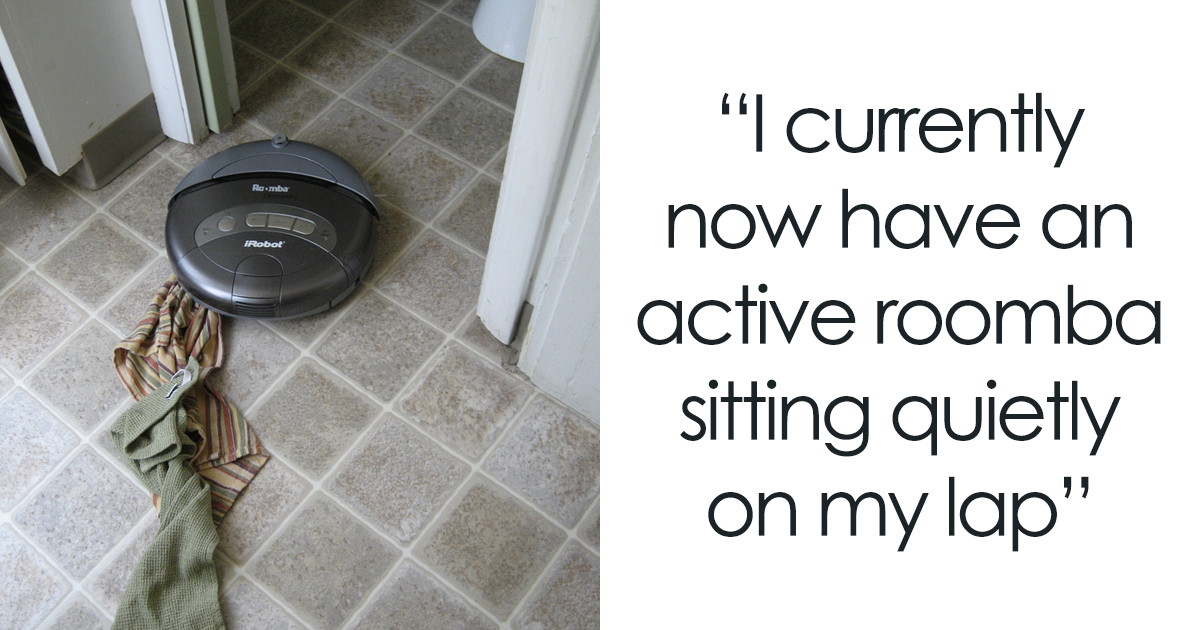
Online communities have repeatedly shown how deeply people bond with broken things. In one widely shared collection of stories, people discussed the unexpected empathy they felt for damaged objects. Some described feeling guilty for throwing away old items. Others talked about saving broken toys because the thought of abandoning them felt strangely cruel.
One common theme appears again and again: people do not want objects that served them well to be treated as worthless. That feeling is especially strong with items connected to care, childhood, or daily rituals. A favorite mug is not just ceramic; it is the official emotional support vessel of morning coffee. A worn hoodie is not just fabric; it is a portable blanket with sleeves and memories.
These stories are funny because they are exaggerated, but they are relatable because the feeling is real. Many of us have looked at an old object and thought, “You’ve done a good job.” It sounds silly until you remember how much of human life is built from loyalty to ordinary things.
Broken Things Remind Us That Use Has Value
Modern consumer culture often treats newness as the highest form of beauty. Shiny, sealed, untouched, upgradedthese are the words used to sell us replacements. But broken things challenge that idea. A scratched table proves meals were shared. A faded book proves it was read. A torn suitcase proves journeys happened, even if one wheel now behaves like a shopping cart with a personal vendetta.
Damage is not always failure. Sometimes it is evidence. It tells us an object had a life. It was used, held, carried, loved, and depended on. That is why people often feel more attached to worn objects than pristine ones. Perfection can be admired from a distance, but wear invites intimacy.
A brand-new leather wallet may look elegant, but the old one with softened corners tells a fuller story. It has been pulled out at grocery stores, airports, gas stations, birthday dinners, and emergencies. It has held receipts that should have been thrown away in 2019. Its flaws are proof of service.
Kintsugi: When Repair Becomes the Art
One of the most powerful examples of honoring brokenness is kintsugi, the Japanese art of repairing broken pottery with lacquer often finished with gold, silver, or platinum. Instead of hiding cracks, kintsugi highlights them. The break is not erased. It becomes part of the object’s visible history.
That idea resonates far beyond ceramics. Kintsugi suggests that repair does not have to mean pretending damage never happened. A restored object can be beautiful because of its scars, not despite them. The crack becomes a line in the story rather than a reason to discard the whole thing.
This is one reason kintsugi has become such a popular metaphor for emotional healing. People recognize themselves in the repaired bowl. We all carry chips, cracks, and strange internal rattling noises that may or may not require professional attention. The comforting message is not “nothing broke.” The message is “something broke, and it still matters.”
Repair Cafés and the Return of Practical Compassion
The global Repair Café movement offers another real-world example of empathy for broken thingsand for the people who bring them in. At these community events, volunteers help repair household items such as lamps, clothing, small appliances, toys, bicycles, electronics, and furniture. The goal is practical: reduce waste and teach repair skills. But the emotional side is just as important.
People often arrive with objects that seem ordinary but carry private significance. A lamp from a parent’s house. A necklace from a loved one. A toy that once belonged to a child. A radio that has played in the kitchen for decades. To an outsider, these items may look like clutter. To the owner, they may be small anchors in a fast-changing world.
Repair volunteers do more than tighten screws and replace wires. They listen. They ask questions. They treat the item with respect because they understand that the object may represent someone’s memory, identity, or grief. In that sense, fixing a toaster can become a tiny act of community care. Also, there is something wonderfully human about a room full of people earnestly trying to save a lamp from the landfill like it is a patient in a medical drama.
The Right to Repair Is Also About Dignity
Electronic devices have made the issue of repair more urgent. Many people own phones, laptops, tablets, and appliances that are difficult or expensive to fix. When repair is blocked by design, software restrictions, unavailable parts, or high service costs, people lose more than money. They lose control over the things they own.
Right-to-repair advocates argue that consumers and independent technicians should have access to the parts, tools, and information needed to fix devices. This movement is often discussed in terms of sustainability and consumer rights, but it also has an emotional dimension. A repaired device can preserve photos, messages, creative work, family videos, and personal history.
That cracked phone may contain a grandmother’s voicemail. That old laptop may hold the first draft of a novel, a folder of family photos, or a recipe file named “final_final_real_final.docx.” Repair can protect the digital pieces of our lives that are easy to overlook until something stops turning on.
Museums Know Broken Things Still Tell Stories
Museums and libraries also understand the value of damaged objects. Conservators do not simply “fix” artifacts to make them look new. They stabilize, preserve, study, and protect them so their stories can continue. Sometimes the damage itself is historically meaningful. A repaired book, a cracked ceramic, or a worn tool may reveal how people lived, worked, traveled, cooked, fought, prayed, or created.
Conservation teaches an important lesson: not every broken thing should be aggressively restored. Sometimes the best care is gentle stabilization. Sometimes old tape, faded ink, or worn edges are part of the record. The goal is not always to return an object to perfection. The goal is to help it survive with dignity.
That same idea applies at home. Not every damaged item needs to become new again. Some things only need a safe place, a small repair, or permission to remain imperfect.
Why Children Empathize So Easily With Broken Toys
Children are often experts in object empathy. A child may cry because a stuffed animal is “lonely” in a box or because a toy car lost a wheel and now “can’t go with its friends.” Adults may smile at this, but children are practicing something profound. They are learning care through imagination.
A beloved plush toy is often more than decoration. It can be a comfort object, a bedtime companion, a listener, and occasionally the silent witness to negotiations over broccoli. When the toy tears, the child may experience the damage as a threat to safety and friendship.
Adults do the same thing, just with more subtle language. We may not say our old car is “sad,” but we might say, “She’s been good to me.” We may not tuck in a laptop at night, but we definitely panic when it makes a suspicious clicking sound. The child’s emotional logic never fully disappears. It simply learns to wear business casual.
Broken Objects Can Teach Us How to Treat People
The way we respond to broken things can reveal how we respond to vulnerability in general. Do we discard what is damaged? Do we hide cracks? Do we pretend flaws make something worthless? Or do we slow down, look closer, and ask whether repair is possible?
Of course, people are not objects, and brokenness in human life is far more complex than a cracked bowl or a torn jacket. Still, the metaphor is powerful. A culture that values repair may become more patient. It may become better at seeing potential where others see inconvenience.
When we choose to mend a shirt, patch a chair, restore a book, or fix a toy, we practice the habit of not giving up too quickly. That habit matters. Compassion often begins with attention. Repair requires attention, patience, and the belief that something damaged can still be worth time.
When Letting Go Is Also an Act of Care
Empathy for broken things does not mean keeping every object forever. If that were the case, many of us would be legally required to give our junk drawers their own zip codes. Some things cannot be repaired. Some items no longer serve us. Some possessions hold memories but also weigh us down.
Letting go can be respectful too. People sometimes thank sentimental objects before donating, recycling, or discarding them. This may sound odd, but it can help transform guilt into gratitude. Instead of throwing something away with cold indifference, we acknowledge what it gave us.
The healthiest approach is balance. Keep what truly matters. Repair what can reasonably be saved. Release what has completed its purpose. Human empathy has no limits, but closet space absolutely does.
Small Examples of Big Empathy
The Chipped Coffee Mug
A chipped mug may no longer be safe for drinking, but it can become a pencil holder, a plant pot, or a tiny retirement home for paper clips. Repurposing it honors its history without forcing it to keep doing a job it can no longer safely perform. Honestly, that is better career planning than many adults receive.
The Torn Stuffed Animal
A plush toy with missing stitches can be repaired by hand, even if the result is not perfect. The visible stitches may become part of the toy’s charm. Children often do not require perfection. They require continuity. A teddy bear with a patch is still the same friend.
The Wobbly Chair
A chair that has supported family dinners, homework sessions, holiday chaos, and at least one questionable attempt to reach the top shelf deserves a second look before disposal. Repairing it may be cheaper, more sustainable, and more meaningful than replacing it.
The Old Phone
A cracked phone may be frustrating, but repairing it can preserve data, reduce electronic waste, and delay an unnecessary upgrade. If the phone contains important photos or messages, repair becomes less about convenience and more about protecting memory.
How Broken Things Build Community
Broken things often bring people together. Someone asks a neighbor to borrow a tool. A grandparent teaches a child how to sew a button. A volunteer helps a stranger fix a lamp. A friend glues a figurine back together after an unfortunate incident involving a cat, a windowsill, and gravity doing what gravity does best.
Repair creates conversation. It slows people down long enough to share stories. “Where did this come from?” “How long have you had it?” “Who gave it to you?” These questions turn an object into a doorway. Through it, people share family history, grief, humor, and pride.
That may be why repair feels so satisfying. It is not only about restoring function. It is about restoring relationship: between person and object, person and memory, person and community.
What These Stories Really Prove
Stories about broken things prove that human empathy is wonderfully unruly. It refuses to stay inside neat categories. We care about people, certainly. We care about animals, places, traditions, and even fictional characters who have never paid taxes. Then, somehow, we also care about a cracked teacup because it belonged to someone we loved.
This does not make us foolish. It makes us human. Our capacity to attach meaning to ordinary things is one of the ways we survive loss and change. Objects give memory a shape we can hold. When they break, we feel the fragility of everything they represent.
In a world obsessed with replacement, caring for broken things is quietly radical. It says value is not limited to what is new, flawless, fast, or profitable. It says history matters. Service matters. Memory matters. Repair matters.
Experiences That Show Why Broken Things Matter
Many people have a story about one broken object they could not simply toss away. It might not be valuable in the financial sense. No auction house is sending dramatic emails about it. But emotionally, it is priceless.
Imagine a woman cleaning out her late father’s garage and finding an old toolbox. The handle is cracked, the metal corners are rusted, and the latch sticks unless it is pressed in exactly the right way. A practical person might suggest buying a new one. But when she opens it, she remembers the sound of her father fixing shelves, tightening bicycle brakes, and explaining tools with the seriousness of a professor teaching rocket science. The toolbox is broken, but it still carries the rhythm of his hands. Repairing the latch becomes a way to stay connected to him.
Or picture a college student with a cheap desk lamp that has followed him through dorm rooms, apartments, late-night study sessions, and several alarming instant-noodle dinners. One day it stops working. It is not expensive. It is not stylish. It may, in fact, be ugly in a way that deserves academic study. But throwing it away feels wrong. So he takes it to a repair event, learns how to replace a simple part, and brings it back to life. The lamp becomes more meaningful because he participated in saving it.
Another familiar experience involves clothing. A jacket tears at the elbow, a sweater develops a hole, or a favorite pair of jeans finally gives up after years of loyal service. Some people repair these items because they want to save money. Others do it because the garment has become part of their identity. A patched jacket can feel like a map of one’s life: this stain from a road trip, this tear from moving day, this button replaced after a dinner that went sideways but became a great story.
Family objects are especially powerful. A chipped serving bowl may appear every holiday despite its flaw. Nobody wants to replace it because the bowl has absorbed decades of mashed potatoes, arguments, laughter, and relatives asking personal questions with the confidence of federal investigators. Its imperfection becomes part of the family tradition. In fact, if a brand-new bowl appeared, everyone might suspiciously ask, “Where is the real one?”
Broken toys can be even more emotional. Parents often repair stuffed animals long after a child has outgrown them. The repair is not really for the toy. It is for the memory of bedtime routines, tiny hands, whispered secrets, and the years when comfort could be carried under one arm. A stitched-up teddy bear sitting on a shelf can say more about love than a perfect decoration ever could.
These experiences show that empathy toward broken things is rarely just about the thing itself. It is about gratitude. The object served us. It held our routines. It witnessed private chapters. Repairing it, preserving it, or even letting it go with care allows us to honor the life we lived alongside it.
Broken things also teach patience in a world that rewards speed. Repair takes time. It asks us to pause before replacing, to learn before discarding, and to respect materials, labor, and memory. That pause can change how we see everything around us. Suddenly, the old chair is not junk. The cracked frame is not useless. The dented pan is not embarrassing. They are evidence of life happening.
In the end, the most moving stories about broken things are not really about brokenness. They are about loyalty. They prove that humans are capable of extending care far beyond necessity. We care because something mattered once. We care because it still matters now. And sometimes, with glue, thread, patience, and a slightly unreasonable amount of emotional investment, we prove that not everything damaged needs to disappear.
Conclusion
These stories about broken things prove that human empathy has no limits because they show how deeply people can value memory, service, and meaning. A damaged object may not feel pain, but it can hold the emotional weight of a person, a place, a season of life, or a relationship. That is why repair can feel so powerful. It is not only practical. It is personal.
Whether through kintsugi, community repair cafés, museum conservation, or a simple needle and thread at the kitchen table, humans keep finding ways to say, “This still matters.” In a disposable world, that sentence is quietly beautiful.