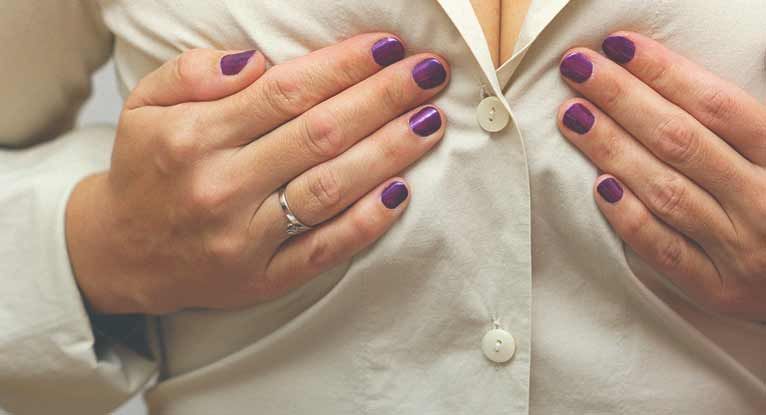

A bruise on the breast can feel oddly personal, even when the cause is completely ordinary. One minute you are changing clothes, the next you spot a purple, blue, green, or yellow mark and begin mentally replaying every doorway, laundry basket, pet jump, gym machine, and seat belt that may have attacked you without permission. The good news: most breast bruises are caused by minor trauma and fade on their own. The more important news: some breast discoloration deserves medical attention, especially when it appears without a clear reason, does not improve, comes with swelling or a lump, or looks more like a fast-changing skin problem than a typical bruise.
This guide explains the common causes of breast bruising, what normal healing looks like, practical at-home care, and the warning signs that should prompt a call to a healthcare professional. The goal is not to turn every purple spot into a panic button. It is to help you tell the difference between “Oops, the cabinet door won” and “This needs a medical opinion.”
What Is a Breast Bruise?
A bruise, also called a contusion or ecchymosis, happens when tiny blood vessels under the skin break and leak blood into nearby tissue. On the breast, this can happen after a bump, pressure, a medical procedure, surgery, breastfeeding-related irritation, or even a medication that makes bleeding easier. Because breast tissue is soft and well supplied with blood vessels, discoloration may look dramatic even when the injury is minor.
A typical bruise changes color as the body breaks down and reabsorbs the trapped blood. It may begin red or pink, turn blue or purple, fade into green or yellow, and gradually return to normal skin tone. Mild tenderness is common. A small breast bruise often improves within one to two weeks, although deeper bruising or a hematoma can take longer.
Common Causes of Bruising on the Breast
1. Minor Injury or Everyday Pressure
The most common cause of a breast bruise is simple trauma. You may bump into furniture, get hit during sports, receive pressure from a seat belt, or experience friction from a tight bra. Sometimes the moment is so forgettable that the bruise feels mysterious later. The breast does not always send a calendar invite when it gets bumped.
Exercise can also play a role. Contact sports, weightlifting equipment, yoga blocks, cycling handlebars, or a poorly fitted sports bra may create enough pressure to damage small vessels. If the bruise matches a recent activity and improves steadily, it is usually not alarming.
2. Breast Hematoma
A hematoma is a collection of blood that pools deeper in the tissue. It can happen after a stronger injury, a breast biopsy, breast surgery, cosmetic surgery, reconstruction, or trauma. A hematoma may feel like a firm lump and can be tender, swollen, or warm early on. Most small breast hematomas resolve over time as the body reabsorbs the blood, but larger or painful ones may need medical evaluation.
Because a hematoma can feel like a lump, it is wise to have persistent or unexplained breast lumps checked. Even when the cause is benign, imaging such as ultrasound or mammography may be recommended to confirm what is going on.
3. Medical Procedures and Surgery
Bruising after a mammogram, breast biopsy, lumpectomy, breast reduction, augmentation, mastectomy, or reconstruction can occur because tissue and blood vessels are disturbed. After an image-guided breast biopsy, mild swelling and bruising are expected for some people and usually improve within days to about a week. Supportive bras, ice packs, and following post-procedure instructions can reduce discomfort.
However, sudden swelling, severe pain, increasing redness, fever, drainage, or a bruise that rapidly expands after a procedure should be reported promptly. Those symptoms can suggest bleeding, infection, or another complication that needs care.
4. Medications and Supplements That Increase Bruising
Some people bruise more easily because their blood does not clot as quickly or their skin is more fragile. Blood thinners, aspirin, ibuprofen and other nonsteroidal anti-inflammatory drugs, corticosteroids, some antidepressants, and certain supplements such as ginkgo may contribute to easier bruising. This does not mean you should stop prescribed medication on your own. It means unexplained or frequent bruises are worth discussing with a clinician, especially if the pattern is new.
If you take anticoagulants or antiplatelet medicines, even minor bumps can leave a bigger mark. Your healthcare provider may review your dosage, check for interactions, or order blood tests if bruising becomes frequent or unusually severe.
5. Aging Skin and Fragile Blood Vessels
As skin ages, it becomes thinner and loses some of the fatty layer that cushions blood vessels. This makes bruising easier after small bumps. Sun damage and long-term steroid use can also thin the skin. While age-related bruising is usually harmless, a sudden increase in unexplained bruises should still be checked, especially if bruises appear in unusual places or are accompanied by nosebleeds, gum bleeding, fatigue, fever, or weight loss.
6. Breastfeeding, Pumping, and Mastitis
Breastfeeding and pumping can sometimes lead to tenderness, pressure marks, or mild bruising, especially with a poor latch, strong suction, engorgement, or repeated friction. A breast infection called mastitis may cause redness, swelling, warmth, pain, and flu-like symptoms. Mastitis is not simply a bruise, but the redness and inflammation can be mistaken for skin discoloration.
If a breastfeeding parent has breast pain with fever, chills, spreading redness, or worsening swelling, medical care is important. Treatment may include continued milk removal, warm compresses, pain relief, and sometimes antibiotics.
7. Fat Necrosis
Fat necrosis is a benign breast condition that can happen after injury, surgery, radiation, or trauma to fatty breast tissue. It may form a firm lump, sometimes with skin changes or tenderness. Although fat necrosis is not cancer, it can mimic cancer on exam or imaging, so doctors may recommend mammography, ultrasound, MRI, or biopsy to make sure the diagnosis is clear.
8. Skin Conditions and Infections
Not every purple or red mark is a true bruise. Contact dermatitis, eczema, insect bites, fungal infections, abscesses, and other skin conditions can change the color and texture of breast skin. These may itch, burn, flake, ooze, or spread. A rash that does not improve, keeps coming back, or affects one breast more than the other deserves evaluation.
9. Bleeding or Clotting Disorders
Frequent unexplained bruising can sometimes point to low platelet counts, clotting disorders, liver disease, vitamin deficiencies, or blood-related conditions. These causes are less common than everyday bumps, but they matter. Bruising that appears without injury, grows quickly, occurs with heavy periods, frequent nosebleeds, bleeding gums, or unusual fatigue should not be ignored.
10. Inflammatory Breast Cancer
Inflammatory breast cancer is rare, but it is one of the key reasons breast skin changes should be taken seriously. It may cause the breast to become swollen, warm, red, pink, purple, or bruise-like. The skin can look thickened, pitted, or similar to orange peel. Unlike many breast cancers, inflammatory breast cancer may not cause a distinct lump. Symptoms can develop quickly over weeks, days, or even hours.
A bruise-like patch alone does not mean cancer. Still, if breast discoloration appears suddenly without injury, spreads, does not fade, affects a large part of the breast, or comes with swelling, warmth, heaviness, nipple changes, swollen lymph nodes, or skin dimpling, contact a healthcare professional promptly.
How to Tell Whether a Breast Bruise Is Healing Normally
A healing bruise usually follows a predictable pattern. The color softens over time, tenderness decreases, swelling goes down, and the borders may become less sharp. A typical bruise should not rapidly enlarge after the first day or two. It should not become increasingly hot, severely painful, or associated with fever.
It is helpful to take a photo in the same lighting once a day for a few days. This is not for creating a “bruise scrapbook,” although your camera roll may judge you. It helps you see whether the discoloration is shrinking, changing color, or spreading. If the bruise is improving, monitoring may be enough. If it is worsening or staying the same, call your provider.
At-Home Treatment for a Mild Breast Bruise
Use Cold Compresses Early
For a fresh bruise caused by a known injury, apply a cold pack wrapped in a cloth for 10 to 15 minutes at a time during the first 24 to 48 hours. Cold helps reduce swelling and may limit additional bleeding under the skin. Do not place ice directly on the breast, because skin damage is not the bonus prize anyone wants.
Switch to Gentle Heat Later
After the first two days, if swelling has gone down, gentle warmth may help the body reabsorb trapped blood. Use a warm compress for short periods. The key word is gentle. A heating pad set to “volcano” is not a medical treatment; it is a bad idea with a cord.
Wear Supportive Clothing
A soft, supportive bra can reduce movement and discomfort while the bruise heals. Avoid tight underwire, rough seams, or anything that presses directly on the sore area. For post-procedure bruising, follow the instructions from the radiology or surgery team, as they may recommend a snug sports bra or specific activity limits.
Choose Pain Relief Carefully
Acetaminophen may help with pain for many people, but anyone with liver disease or heavy alcohol use should ask a clinician first. Nonsteroidal anti-inflammatory drugs such as ibuprofen or aspirin can increase bleeding risk in some situations, especially right after injury, biopsy, or surgery. If you are on blood thinners, pregnant, breastfeeding, or managing a medical condition, ask before taking new medication.
Avoid Massage and Repeated Pressure
Massaging a breast bruise may feel tempting, but it can irritate tissue and worsen tenderness. Let the area rest. Avoid intense workouts, heavy lifting, or activities that repeatedly press on the bruised breast until symptoms improve.
When to See a Doctor for a Breast Bruise
Make an appointment if the bruise appears without a known injury, does not improve within about two weeks, keeps returning, or is associated with a lump. You should also seek care if the breast becomes swollen, hot, increasingly painful, or red, or if you notice nipple discharge, nipple inversion, dimpling, thickened skin, an orange-peel texture, fever, or swollen lymph nodes under the arm or near the collarbone.
Seek urgent care if there is sudden severe swelling, rapidly expanding bruising, intense pain after a procedure, uncontrolled bleeding, shortness of breath, dizziness, fainting, or signs of infection. Trust your instincts: if something looks or feels very different from your normal, it is worth checking.
How Doctors Evaluate Breast Bruising
A healthcare professional will usually begin with a history and physical exam. They may ask when the discoloration appeared, whether there was an injury, what medications or supplements you take, whether you have had recent procedures, and whether there are other symptoms. Depending on your age, symptoms, and risk factors, tests may include breast ultrasound, diagnostic mammogram, MRI, blood tests, or biopsy.
Imaging is not a punishment; it is a clarification tool. Many breast changes are benign, but doctors do not want to guess when the breast is sending mixed signals. A clear diagnosis can provide reassurance and guide the right treatment.
Prevention Tips for Breast Bruising
You cannot prevent every bruise, unless you plan to live inside a pillow fort and avoid all laundry baskets. Still, a few habits can help. Wear properly fitted bras and sports bras, especially during exercise. Adjust seat belts so they sit correctly across the chest and shoulder. Use protective gear for contact sports. Keep walkways clear to reduce falls. Review medications and supplements with your doctor if bruising becomes frequent. Protect skin from sun damage, and avoid harsh skin products that can cause irritation.
It also helps to know your normal breast appearance. You do not need to perform a dramatic detective routine every morning, but being familiar with your breasts makes it easier to spot real changes. Look for new lumps, swelling, skin texture changes, nipple changes, unusual discharge, and discoloration that does not behave like a normal bruise.
Experiences Related to Breast Bruising: What People Often Notice
Many people first notice a breast bruise during routine moments: getting dressed, showering, applying lotion, or changing after a workout. The discovery can be startling because the breast is associated with so many health concerns. A common experience is anxiety followed by detective work. “Did I hit the car door? Was it the dog? Did that underwire finally declare war?” This kind of uncertainty is normal. Minor injuries are often forgotten because they do not hurt much at the time.
One typical scenario involves exercise. Someone starts a new fitness class, uses unfamiliar equipment, or wears a sports bra that compresses too tightly. A small bruise appears on the side or lower part of the breast where pressure occurred. The area is mildly tender, the color changes over several days, and it gradually fades. In this case, better support, correct sizing, and adjusting equipment position often solve the problem.
Another experience is bruising after a medical procedure. After a biopsy or surgery, the breast may look more colorful than expected. Purple, yellow, and green tones can appear as swelling settles and blood products move through tissue. This can be emotionally difficult because the person is already waiting for results or healing from a procedure. Following aftercare instructions, using cold packs early, wearing recommended support, and calling the care team for sudden changes can make recovery less stressful.
Breastfeeding parents may describe pressure-related marks from pumping flanges, engorgement, or a baby’s latch. These marks may be accompanied by tenderness rather than the classic “I hit something” story. Adjusting pump suction, checking flange fit, changing feeding position, and getting lactation support can help. If redness spreads or fever appears, the situation moves beyond simple bruising and should be evaluated for mastitis or abscess.
Some people experience repeated unexplained bruising and feel embarrassed to bring it up. They may assume they are clumsy or “just getting older.” While aging and medications can absolutely make bruising easier, new patterns matter. People often feel relieved after a clinician reviews medication lists, checks blood counts, and rules out clotting concerns. In other words, asking about bruising is not overreacting; it is basic body maintenance, like checking why the car makes a weird noise before the wheel considers a solo career.
A more concerning experience is a mark that does not act like a bruise. It may look reddish-purple, spread across a larger area, feel warm, cause swelling, or appear with skin dimpling. Sometimes there is no pain, which can falsely reassure people. This is why persistent or fast-changing breast discoloration should be checked. The purpose is not to assume the worst, but to avoid losing time if a serious condition is present.
Emotionally, breast bruising can create a tug-of-war between “It is probably nothing” and “What if it is something?” A practical approach helps: note the date, take a photo, think about possible causes, use appropriate at-home care for mild injury, and set a limit for watching. If the bruise improves, excellent. If it does not, or if other symptoms appear, schedule medical care. Calm observation plus timely action is the sweet spot.
The most useful lesson from these experiences is simple: context matters. A small fading bruise after a known bump is very different from unexplained discoloration with swelling or skin texture changes. Your body does not require panic, but it does deserve attention.
Conclusion
Breast bruises are common and often caused by minor injury, pressure, procedures, medications, or changes in skin and blood vessel fragility. Most mild bruises fade with time, cold compresses, gentle support, and rest. However, unexplained bruising, persistent discoloration, a new lump, swelling, warmth, nipple changes, fever, or orange-peel-like skin should be evaluated by a healthcare professional. When in doubt, get it checked. Peace of mind is a treatment plan too.
Note: This article is for general educational purposes only and does not replace medical advice, diagnosis, or treatment from a qualified healthcare professional.