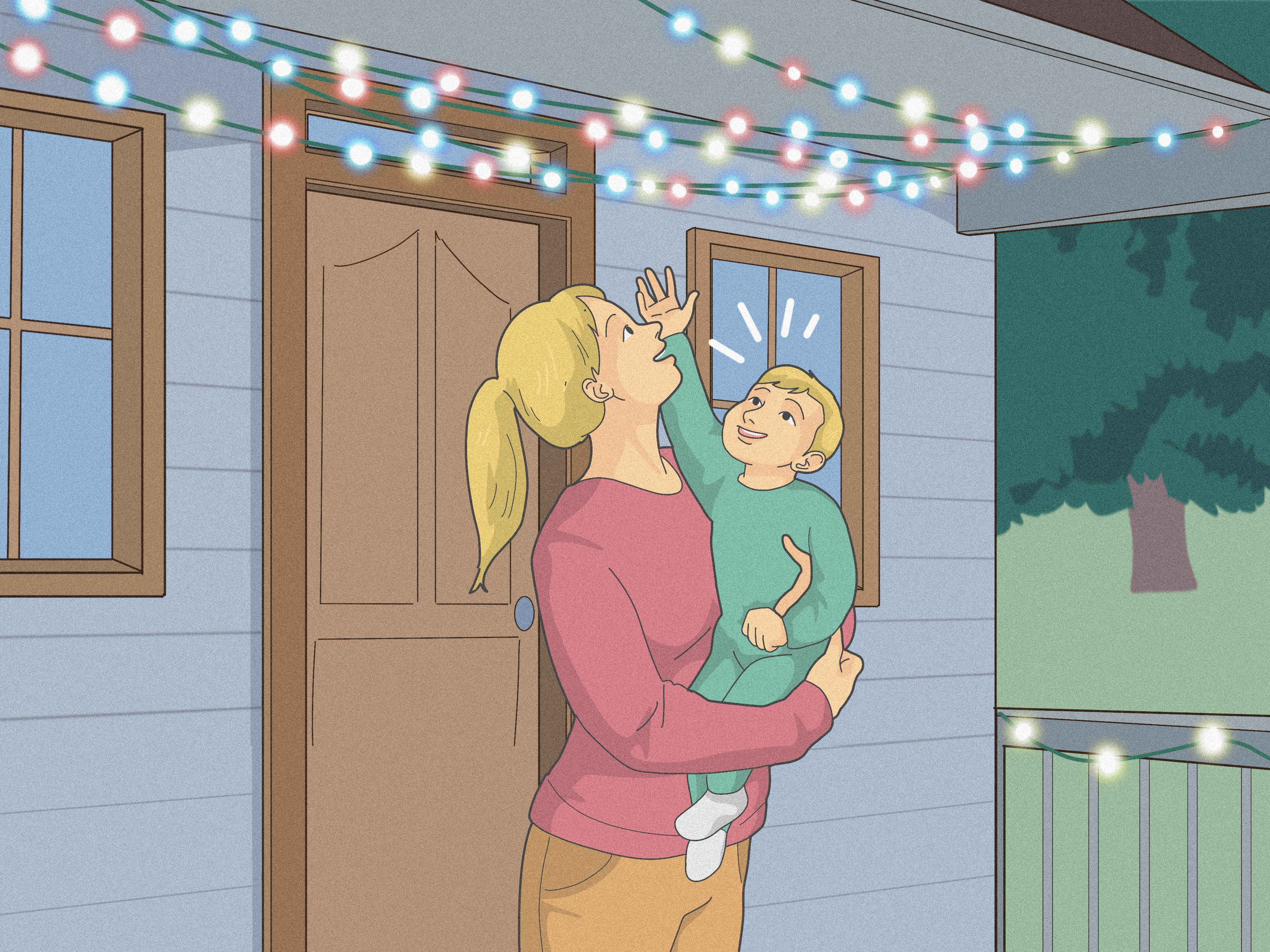

Your porch light does more than help delivery drivers avoid your flowerpots. In many U.S. neighborhoods, a colored porch light can quietly show support for a cause, mark a holiday, welcome guests, or make your front entry feel warmer and safer. One little bulb can say, “We support veterans,” “We care about domestic violence survivors,” “Halloween candy lives here,” or simply, “Please do not trip over the doormat.”
That said, porch light color meanings are not a universal language. There is no national porch-light dictionary taped to every mailbox. A green light may honor veterans in November, celebrate St. Patrick’s Day in March, or just match someone’s garden decor. A blue light may point to autism awareness, law enforcement support, or a homeowner who really likes blue. Context matters.
This quick guide explains the most common porch light color meanings, when people usually use them, and how to choose a color that sends the right message without turning your front porch into a confused traffic signal.
What Do Porch Light Colors Mean?
Colored porch lights are most often used for three purposes: awareness, seasonal decoration, and practical outdoor lighting. Awareness colors are tied to campaigns, memorials, or community causes. Seasonal colors celebrate holidays and local events. Practical colors, such as warm white or yellow, help with visibility, insects, and ambiance.
The key is intention. If you install a purple bulb during October, many people may connect it with Domestic Violence Awareness Month. If you use orange in late October, most neighbors will assume Halloween. If you leave a rainbow of colors rotating every night, people may assume you own a very enthusiastic smart bulb and are having a great time.
Quick Porch Light Color Meaning Chart
| Porch Light Color | Common Meaning | Often Used During |
|---|---|---|
| Green | Support for veterans; sometimes mental health awareness | Veterans Day, November, Mental Health Awareness Month |
| Blue | Autism awareness or acceptance; support for law enforcement | April, National Police Week, local campaigns |
| Purple | Domestic violence awareness and survivor support | October |
| Red | Fallen firefighter remembrance; heart health awareness | Firefighter memorial events, February |
| Orange | Halloween, fall decor, gun violence awareness | October, Wear Orange Weekend in June |
| Pink | Breast cancer awareness | October |
| Teal | Food allergy awareness; allergy-friendly Halloween treats | Halloween season |
| Yellow or Amber | Bug-reducing outdoor lighting; warm welcome | Spring and summer evenings |
| White or Warm White | Everyday safety, visibility, and classic curb appeal | Year-round |
Green Porch Light Meaning
A green porch light is most commonly associated with support for U.S. veterans. Campaigns such as Greenlight A Vet and Operation Green Light encourage people to change one visible light to green as a simple way to show veterans that they are seen, appreciated, and supported. Around Veterans Day, green bulbs often appear on porches, public buildings, county offices, and landmarks.
Green can also represent hope, renewal, healing, and mental health awareness. Because green has multiple associations, timing helps clarify the message. A green light in early November usually points toward veterans. A green ribbon or green lighting during May may connect more closely with mental health awareness. A green bulb on St. Patrick’s Day may mean someone is festive, Irish, or deeply committed to shamrock aesthetics.
When to Use a Green Porch Light
Use green if you want to support veterans, participate in a local Operation Green Light event, or create a calm, hopeful glow. It is also a good color for homeowners who want a softer decorative light that still feels friendly and grounded.
Blue Porch Light Meaning
Blue porch lights have two widely recognized meanings in the United States: autism awareness or acceptance and support for law enforcement. During April, blue has often been used for autism awareness campaigns, including “Light It Up Blue.” Many families and organizations now also emphasize autism acceptance, inclusion, and understanding, so it is helpful to pair a blue light with a sign or social media message if you want the meaning to be clear.
Blue is also connected with Project Blue Light, a remembrance and support tradition for law enforcement officers who have died in the line of duty. Some communities encourage blue porch lights during National Police Week or local police appreciation campaigns.
When to Use a Blue Porch Light
Use blue in April to support autism awareness and acceptance, or during law enforcement remembrance events if that is your intended message. Because blue can mean different things, context is your best friend. Without it, your porch may be making a speech nobody can quite interpret.
Purple Porch Light Meaning
A purple porch light is strongly linked with domestic violence awareness. October is Domestic Violence Awareness Month, and purple is commonly used to honor survivors, remember those lost, and encourage conversations about safety, healthy relationships, and support resources.
Some local advocacy groups run “purple porch” or “purple lights” campaigns during October. The color is often described as a symbol of courage, survival, peace, and dedication to ending violence. A purple porch light can be a quiet but meaningful way to say, “Survivors are not alone.”
When to Use a Purple Porch Light
Use purple during October, Purple Thursday events, or any local domestic violence awareness campaign. If you are participating intentionally, consider pairing your light with a donation, volunteer action, or shared resource from a trusted local organization. A bulb is a good symbol; action is the wattage behind it.
Red Porch Light Meaning
Red porch lights can mean different things depending on the season. One major meaning is remembrance for fallen firefighters. The National Fallen Firefighters Foundation’s Light the Night for Fallen Firefighters tribute encourages homes, fire departments, businesses, and landmarks to glow red in honor of firefighters who died in the line of duty.
Red is also connected with heart health awareness, especially during American Heart Month in February and Go Red for Women events. In this context, red lighting helps draw attention to cardiovascular health, especially women’s heart health.
Because red is bold, it can also be used for holidays such as Valentine’s Day, Christmas, or patriotic displays. It gets attention quickly, which is great if you want your porch to look meaningful and slightly dramaticin the best possible way.
When to Use a Red Porch Light
Use red during firefighter remembrance events, American Heart Month, Valentine’s Day, or holiday decorating. If your goal is awareness rather than decoration, add context with a yard sign, social post, or neighborhood note.
Orange Porch Light Meaning
Orange porch lights are most often associated with Halloween and fall decorating. They make a front entry look festive, warm, and ready for trick-or-treaters. An orange bulb in October usually says, “There may be candy here,” or at least, “This household has accepted pumpkin season with open arms.”
Orange also has an awareness meaning. The Wear Orange movement uses orange to honor survivors of gun violence and call attention to gun violence awareness, especially around National Gun Violence Awareness Day and Wear Orange Weekend in June. If you use orange in June, it may carry this more serious message.
When to Use an Orange Porch Light
Use orange for Halloween, fall decor, harvest gatherings, or gun violence awareness campaigns. Again, timing matters: orange in late October reads festive; orange in early June may be connected to awareness.
Pink Porch Light Meaning
Pink porch lights are commonly associated with breast cancer awareness, especially during October. Pink ribbons, pink clothing, and pink lighting have become widely recognized symbols of support for people affected by breast cancer. A pink porch light can show encouragement for survivors, honor loved ones, or support early detection awareness.
Pink can also be used decoratively for Valentine’s Day, baby showers, birthdays, or simply because it makes a porch look cheerful. Still, in October, many people will connect pink outdoor lighting with breast cancer awareness.
When to Use a Pink Porch Light
Use pink during Breast Cancer Awareness Month, charity events, survivor celebrations, or personal memorials. If you are supporting a specific person, a small sign or ribbon can make the tribute feel more personal and less like your porch randomly joined a bubblegum commercial.
Teal Porch Light Meaning
Teal is widely associated with food allergy awareness during Halloween. The Teal Pumpkin Project encourages households to offer non-food treats for children with food allergies and place a teal pumpkin or teal-colored display near the entrance. Some families also use teal porch lights to signal that allergy-friendly options are available.
This is one of the most practical porch light meanings because it helps families make safer trick-or-treating decisions. Non-food treats might include stickers, glow sticks, pencils, small toys, or other trinkets kept separate from candy.
When to Use a Teal Porch Light
Use teal during Halloween if you offer non-food treats or want to support food allergy awareness. For clarity, pair the light with a teal pumpkin or sign so parents and kids know exactly what you are offering.
Yellow or Amber Porch Light Meaning
Yellow and amber porch lights are less about social causes and more about comfort and insect control. Warm yellow bulbs, often sold as bug lights, do not repel insects like a magical force field. However, they generally attract fewer insects than cool white or bluish lights because many insects are more drawn to shorter wavelengths and ultraviolet-rich light.
Yellow and amber bulbs can also make a porch feel cozy and welcoming. If your summer evenings currently involve moths, gnats, and one confused beetle auditioning for a disaster movie, switching from cool white to warm amber may make the porch more pleasant.
When to Use a Yellow Porch Light
Use yellow or amber when you want softer evening lighting, fewer bugs gathering near the door, or a warm, relaxed entryway. It is especially useful for spring and summer porches, patios, and outdoor seating areas.
White and Warm White Porch Light Meaning
White porch lights are the classic choice for safety, visibility, and everyday curb appeal. Warm white bulbs, usually around 2700K to 3000K, create a welcoming glow without looking harsh. Cooler white bulbs can feel brighter and more security-focused, but they may create glare and attract more insects.
If you are not trying to send a special message, warm white is usually the safest default. It helps guests find the door, improves visibility for cameras, and keeps your home looking inviting instead of accidentally mysterious.
Are Porch Light Color Meanings Universal?
No. Porch light color meanings are common, but not universal. A color can mean one thing in one city and something else across the country. Local campaigns, holidays, neighborhood traditions, sports teams, and personal taste can all affect interpretation.
For example, a blue light may represent autism awareness in April, law enforcement support in May, or winter decor in December. A green light may support veterans in November, celebrate St. Patrick’s Day in March, or simply match a homeowner’s landscaping. The best way to avoid confusion is to add context.
How to Make Your Porch Light Message Clear
If your colored porch light supports a cause, consider adding a small sign, ribbon, flag, yard marker, or social media post. You do not need to turn your porch into a press conference. One simple sentence works: “Green light for veterans,” “Purple light for domestic violence awareness,” or “Teal light: non-food Halloween treats available.”
How to Choose the Right Porch Light Color
Start with your purpose. If you want to show support for a cause, choose the color connected to that campaign. If you want holiday charm, match the season. If you want practical lighting, focus on brightness, color temperature, and fixture safety.
1. Match the Color to the Occasion
Use green for veterans, purple for domestic violence awareness, teal for food allergy awareness, pink for breast cancer awareness, red for firefighters or heart health, orange for Halloween or gun violence awareness, and blue for autism acceptance or law enforcement support.
2. Choose an Outdoor-Rated Bulb
Porch lights face moisture, heat, cold, dust, and the occasional spider who thinks the fixture is a luxury condo. Use bulbs and fixtures rated for outdoor, damp, or wet locations as appropriate. Always check the fixture label, wattage limit, and bulb compatibility.
3. Consider Brightness
A colored bulb may appear dimmer than a white bulb with the same lumen rating. If the porch is your main entry light, choose a bulb bright enough for steps, locks, packages, and guests. Decorative color is fun, but nobody wants to fumble with keys under a moody purple glow that barely illuminates the doorknob.
4. Reduce Glare and Light Pollution
Responsible outdoor lighting is directed where it is needed, used only when needed, and kept no brighter than necessary. Shielded fixtures, motion sensors, timers, and warm color temperatures can reduce glare, save energy, and make your porch more comfortable for people, pets, and wildlife.
5. Use Smart Bulbs Wisely
Smart bulbs make porch light colors easy to change for different causes and seasons. You can schedule green in November, purple in October, orange for Halloween, and warm white for everyday use. Just remember to check the app after storms or power outages, unless you enjoy discovering that your porch has been glowing neon blue for three weeks without your consent.
Common Porch Light Color Questions
What does a green porch light mean?
A green porch light often shows support for U.S. veterans, especially around Veterans Day and Operation Green Light events. It may also be used for mental health awareness or seasonal decor.
What does a blue porch light mean?
A blue porch light may represent autism awareness or acceptance, particularly in April, or support and remembrance for law enforcement officers. Local context matters.
What does a purple porch light mean?
A purple porch light commonly supports domestic violence awareness and survivor solidarity, especially during October.
What does a red porch light mean?
A red porch light may honor fallen firefighters, support heart health awareness, or serve as holiday decoration for Valentine’s Day or Christmas.
What does a teal porch light mean on Halloween?
A teal porch light or teal pumpkin usually signals food allergy awareness and may mean the household offers non-food treats for trick-or-treaters.
Personal Experiences and Practical Observations About Porch Light Color Meanings
One of the most interesting things about porch light colors is how quickly a small change can start a neighborhood conversation. A regular white bulb may go unnoticed for years, but swap it for purple in October and suddenly someone walking a golden retriever may ask, “Is that for domestic violence awareness?” That is the quiet power of visible symbols. They do not have to shout to be heard.
In many neighborhoods, colored porch lights work best when they are connected to a story. A green light for veterans feels more meaningful when a homeowner says, “My dad served,” or “Our county is participating in Operation Green Light.” A pink light in October may honor a sister, friend, coworker, or neighbor who went through breast cancer treatment. A red light during a firefighter memorial week may remind the community that public service has a human cost. The bulb is small, but the meaning behind it can be deeply personal.
There is also a practical lesson: people interpret color through timing. A red porch light in February may suggest heart health. The same red light in December may look like Christmas. Orange in October feels like Halloween; orange in June can connect with gun violence awareness. Teal on Halloween is easier to understand when it appears with a teal pumpkin or a bowl of non-food treats. Without context, even a well-intended color can become a neighborhood guessing game.
For homeowners, the best experience usually comes from combining beauty, safety, and meaning. A colored bulb should still help people see the steps, read the house number, and find the doorbell. If the light is too dim, the porch may look atmospheric but become inconvenient. If it is too bright, it may glare into a neighbor’s window and turn your meaningful tribute into an accidental spotlight interrogation. A moderate LED bulb in an outdoor-rated fixture is usually the sweet spot.
Smart bulbs have made porch light colors easier than ever. Instead of keeping a drawer full of bulbs labeled “Veterans,” “Halloween,” and “That One Cause I Forgot,” homeowners can change colors with an app. This is convenient, but it also makes intentionality more important. If the color changes every night, the meaning may disappear. If you want your porch light to support a cause, keep the color consistent during the relevant campaign and add a simple sign or note.
Another real-world tip: talk to your neighborhood. If a local school, fire department, veterans office, domestic violence shelter, or allergy-awareness group is running a campaign, coordinated porch lights make a stronger visual statement. One purple light is thoughtful. A whole street glowing purple in October is unforgettable. It tells people the issue matters here, not somewhere far away.
Finally, do not underestimate the emotional effect of coming home to the right light. Warm white feels classic and safe. Amber feels cozy and calm. Green can feel peaceful. Blue can feel reflective. Purple can feel dignified. Pink can feel hopeful. Porch lighting is partly communication and partly atmosphere. The best color is the one that matches your message, respects your neighbors, and makes your home feel like a place people are glad to approach.
Conclusion
Porch light color meanings are a simple way to turn an ordinary front entry into a message of support, awareness, celebration, or welcome. Green commonly honors veterans. Purple supports domestic violence awareness. Blue may represent autism acceptance or law enforcement remembrance. Red can honor fallen firefighters or promote heart health. Teal helps make Halloween more inclusive for children with food allergies. Orange, pink, yellow, amber, and white all have their own roles, from seasonal charm to practical comfort.
The most important rule is this: color needs context. If your porch light supports a cause, make the message clear with timing, a sign, or a short explanation. That way, your light does not just glow; it communicates.
Note: Porch light color meanings can vary by region, campaign, and season. When using a colored light for awareness, check local organizations or official campaign guidance to make sure your message is accurate and respectful.