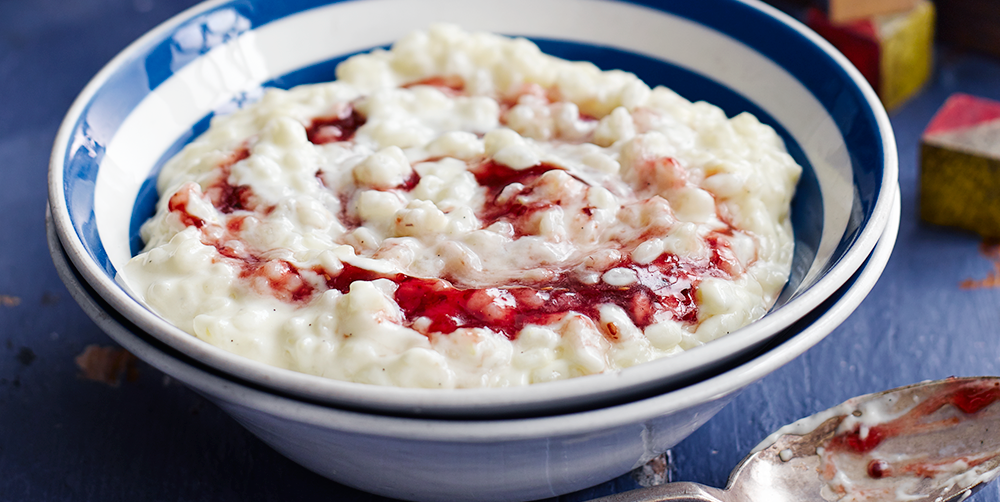

Traditional rice pudding is the dessert equivalent of a soft blanket, a quiet kitchen, and a spoon that somehow keeps finding its way back into the bowl. It is humble, creamy, gently sweet, and wonderfully old-fashioned in the best possible way. No towering cake layers, no frosting gymnastics, no pastry degree required. Just rice, milk, sugar, vanilla, a little patience, and the courage to stir a pot without wandering off to reorganize your entire pantry.
This classic dessert has been loved for generations because it turns basic ingredients into something surprisingly luxurious. A traditional rice pudding recipe can be served warm, chilled, plain, cinnamon-dusted, raisin-studded, or dressed up with fruit, nuts, or a drizzle of caramel. It is also one of the smartest ways to use leftover rice, which is excellent news for anyone who has ever cooked “just enough rice” and accidentally made enough for a small marching band.
Below, you will find a deeply practical, home-cook-friendly guide to making creamy rice pudding from scratch, including the best rice to use, how to avoid common texture mistakes, and how to customize the recipe without turning a cozy classic into a kitchen science fair.
What Is Traditional Rice Pudding?
Traditional rice pudding is a creamy dessert made by simmering rice with milk, sugar, and flavorings until the grains soften and release starch, creating a thick, spoonable pudding. In American home cooking, the classic version often includes vanilla, cinnamon, nutmeg, raisins, eggs, butter, or cream. Some families serve it warm from the pot, while others insist it is best cold from the fridge, preferably eaten standing at the counter while pretending it is “just a taste.”
The beauty of rice pudding is its flexibility. Some recipes begin with uncooked rice, allowing the grains to slowly absorb milk as they cook. Others use cooked rice, which shortens the cooking time and creates a softer, more predictable texture. Both approaches can be delicious, but for a traditional, creamy, weeknight-friendly version, cooked rice is especially reliable.
Why This Traditional Rice Pudding Recipe Works
A great rice pudding should be creamy but not soupy, sweet but not cloying, and tender without becoming gluey. This recipe keeps things classic while using a few small techniques that make a big difference.
First, the pudding is cooked gently. Milk can scorch quickly over high heat, and scorched milk is not “rustic”; it is just your saucepan asking for help. Second, sugar is balanced with a pinch of salt, which keeps the dessert from tasting flat. Third, vanilla is added near the end so its flavor stays fragrant. Finally, butter is stirred in after cooking for a glossy, rich finish.
Ingredients for Classic Rice Pudding
Main Ingredients
- 3 cups cooked white rice: Long-grain, medium-grain, short-grain, or Arborio rice can work. Short-grain and Arborio rice create a creamier texture.
- 3 cups whole milk: Whole milk gives the pudding a rich, traditional flavor. For extra indulgence, replace 1/2 cup milk with half-and-half.
- 1/3 cup granulated sugar: Sweet enough for dessert without overpowering the rice and vanilla.
- 1/4 teaspoon salt: A tiny amount makes the sweetness taste rounder and more balanced.
- 1 teaspoon vanilla extract: Adds warm, classic dessert flavor.
- 1 tablespoon unsalted butter: Optional, but highly recommended for richness.
- 1/2 teaspoon ground cinnamon: For stirring in or sprinkling on top.
- 1/2 cup raisins: Optional, but traditional in many American rice pudding recipes.
Optional Custard Finish
- 1 large egg: Adds a custardy texture if used properly.
- 2 tablespoons milk: Used to temper the egg before adding it to the hot pudding.
How to Make Traditional Rice Pudding
Step 1: Combine the Rice, Milk, Sugar, and Salt
Place the cooked rice, milk, sugar, and salt in a heavy-bottomed saucepan. Stir everything together until the rice is evenly coated and the sugar begins to dissolve. A heavy-bottomed pan helps distribute heat more evenly, which lowers the risk of scorching.
Step 2: Simmer Slowly
Set the pan over medium heat and bring the mixture to a gentle simmer. Once it begins to bubble lightly, reduce the heat to medium-low. Cook for 18 to 25 minutes, stirring often, until the rice softens further and the mixture thickens.
Do not rush this part. Rice pudding is not a dessert that enjoys being yelled at with high heat. Gentle cooking allows the rice to release starch slowly, which gives the pudding its creamy texture.
Step 3: Add Raisins, If Using
If you like raisins in rice pudding, stir them in during the last 8 to 10 minutes of cooking. This gives them time to plump up without becoming mushy. Golden raisins are especially nice because they add a mellow sweetness and a pretty color.
Step 4: Temper the Egg for a Custardy Texture
If you want a richer custard-style rice pudding, whisk the egg with 2 tablespoons of milk in a small bowl. Slowly add a few spoonfuls of the hot rice mixture into the egg while whisking constantly. This warms the egg gently so it does not scramble.
Pour the tempered egg mixture back into the saucepan and stir continuously for 2 to 3 minutes, until the pudding thickens slightly. Keep the heat low. If the mixture boils aggressively, the egg may curdle, and nobody invited scrambled eggs to dessert.
Step 5: Finish with Vanilla and Butter
Remove the pan from the heat. Stir in vanilla extract, butter, and cinnamon if desired. The pudding will continue to thicken as it cools, so remove it from the stove while it still looks slightly loose. If it becomes too thick later, stir in a splash of milk before serving.
Traditional Rice Pudding Recipe
Ingredients
- 3 cups cooked white rice
- 3 cups whole milk
- 1/3 cup granulated sugar
- 1/4 teaspoon salt
- 1/2 cup raisins, optional
- 1 large egg, optional
- 2 tablespoons milk, for tempering the egg
- 1 teaspoon vanilla extract
- 1 tablespoon unsalted butter
- 1/2 teaspoon ground cinnamon, plus more for serving
- Pinch of nutmeg, optional
Instructions
- In a heavy-bottomed saucepan, combine cooked rice, whole milk, sugar, and salt.
- Cook over medium heat until the mixture reaches a gentle simmer.
- Reduce heat to medium-low and cook for 18 to 25 minutes, stirring frequently, until thick and creamy.
- If using raisins, stir them in during the last 8 to 10 minutes of cooking.
- For a custard-style pudding, whisk the egg with 2 tablespoons milk in a small bowl. Slowly whisk in a few spoonfuls of hot pudding, then stir the egg mixture back into the saucepan.
- Cook on low for 2 to 3 minutes, stirring constantly. Do not boil.
- Remove from heat and stir in vanilla extract, butter, cinnamon, and nutmeg if using.
- Serve warm, or transfer to bowls and chill until cold.
Best Rice for Rice Pudding
The best rice for rice pudding depends on the texture you want. Short-grain rice and Arborio rice create a thick, creamy pudding because they release more starch. Medium-grain rice also works well and gives a soft, comforting texture. Long-grain white rice creates a looser pudding with more distinct grains, which some people prefer.
Leftover cooked rice is excellent for a quick traditional rice pudding recipe. It has already absorbed water, so it softens quickly in milk. If the rice is cold and clumped from the refrigerator, break it up with a spoon before adding it to the saucepan.
How to Make Rice Pudding Creamier
For extra creamy rice pudding, use whole milk instead of low-fat milk. Stir frequently while the pudding cooks, because stirring encourages starch release and prevents sticking. You can also replace part of the milk with half-and-half, evaporated milk, or a small splash of heavy cream.
Another trick is to let the pudding rest for 10 minutes after cooking. This gives the rice time to settle into the milk mixture and thicken naturally. If it gets too thick, add milk one tablespoon at a time until it returns to the texture you like.
Warm Rice Pudding vs. Chilled Rice Pudding
Warm rice pudding is soft, cozy, and spoonable, with a texture similar to creamy oatmeal. It is perfect on cold evenings or whenever life has been rude and you need dessert to behave nicely. Chilled rice pudding becomes thicker and more custard-like. The flavors also deepen after a few hours in the refrigerator.
If serving chilled rice pudding, press a piece of plastic wrap directly onto the surface before refrigerating. This helps prevent a skin from forming. Of course, some people love pudding skin, and those people are braver than the rest of us.
Flavor Variations for Traditional Rice Pudding
Cinnamon Raisin Rice Pudding
Add 1/2 cup raisins and 1/2 teaspoon cinnamon during cooking. Finish with a sprinkle of cinnamon on top.
Vanilla Bean Rice Pudding
Use vanilla bean paste or the seeds from half a vanilla bean instead of vanilla extract for a bakery-style flavor.
Coconut Rice Pudding
Replace 1 cup of milk with canned coconut milk. Top with toasted coconut flakes for a tropical twist.
Orange Nutmeg Rice Pudding
Add 1 teaspoon orange zest and a pinch of nutmeg at the end of cooking. This version tastes bright, warm, and slightly fancy without requiring fancy behavior.
Brown Sugar Rice Pudding
Swap granulated sugar for light brown sugar. The result is deeper, warmer, and lightly caramel-like.
Common Rice Pudding Mistakes
Cooking Over Heat That Is Too High
High heat can scorch milk and make the rice stick to the bottom of the pan. Keep the heat gentle and stir often.
Adding Too Much Rice
Rice pudding thickens as it cools. If you start with too much rice, the final texture can become stiff instead of creamy.
Walking Away from the Stove
Rice pudding does not need constant babysitting, but it does need attention. Stir every few minutes to keep the texture smooth and prevent sticking.
Overcooking the Egg
If using an egg, temper it first and keep the heat low. This gives you a silky custard texture instead of tiny egg bits.
How to Store Rice Pudding
Store rice pudding in an airtight container in the refrigerator for up to four days. As it chills, it will thicken. Stir in a splash of milk before serving if you want a creamier consistency.
To reheat rice pudding, warm it gently on the stove or in the microwave. Add a little milk, stir well, and heat in short intervals. Avoid boiling, especially if the pudding contains egg.
Can You Freeze Rice Pudding?
You can freeze rice pudding, but the texture may change after thawing. Dairy-based puddings sometimes separate, and rice can become softer. If you do freeze it, use an airtight freezer-safe container and thaw it overnight in the refrigerator. Reheat gently with extra milk and stir until creamy again.
What to Serve with Rice Pudding
Traditional rice pudding is delicious on its own, but toppings can make it feel special. Try fresh berries, sliced bananas, toasted almonds, chopped pecans, maple syrup, caramel sauce, whipped cream, or a dusting of cinnamon sugar. For a holiday dessert, serve it in small bowls with orange zest and candied pecans. For a weeknight dessert, eat it straight from the container and call it “portion testing.”
Experience Notes: What Making Traditional Rice Pudding Teaches You
Making traditional rice pudding is one of those kitchen experiences that quietly teaches patience. It is not difficult, but it rewards attention. The first time you make it, you may be tempted to turn up the heat because the mixture seems too thin. Resist that urge. Rice pudding thickens gradually, then suddenly, like it finally remembered it had a job.
One of the best experiences with this dessert is discovering how personal it can be. Some people want it thick enough to hold a spoon upright. Others prefer it loose and creamy, almost like sweet risotto. Some families believe raisins are essential; others consider raisins an act of dessert vandalism. Cinnamon may go into the pot, on top of the bowl, or both. Vanilla can be subtle or bold. The “right” version is usually the one that tastes like home.
Another helpful lesson is that leftovers can become something comforting and new. A container of plain cooked rice from last night’s dinner may not look exciting, but with milk, sugar, and vanilla, it turns into a dessert that feels intentional. That is the magic of old-fashioned recipes: they waste very little and ask for very little, yet they deliver a lot.
Texture is the heart of the experience. Stirring the pudding while it simmers lets you feel it change from milky rice to a creamy dessert. At first, it may look like the rice and milk are simply sharing the same saucepan without much enthusiasm. Then the starch begins to release, the milk thickens, and the mixture becomes glossy. That moment is deeply satisfying, especially because it happens without complicated equipment.
The aroma is another reason this dessert has survived generations. Warm milk, vanilla, cinnamon, and rice create a gentle fragrance that makes the kitchen feel instantly calmer. It is not dramatic like chocolate cake or flashy like lemon meringue pie. Rice pudding is quieter. It is the dessert that says, “Everything is fine, and even if it is not, here is a spoon.”
Serving it is part of the fun. Warm rice pudding tastes soft and soothing, especially with cinnamon sprinkled over the top. Cold rice pudding is denser and creamier, making it perfect for make-ahead desserts. It also travels well in small jars, which makes it useful for lunchboxes, picnics, and midnight snacks that definitely do not count because the kitchen lights were off.
Perhaps the best experience related to traditional rice pudding is how forgiving it is. Too thick? Add milk. Too thin? Cook a little longer. Not sweet enough? Stir in a bit more sugar, honey, or maple syrup. Want it richer? Add butter or cream. Want it brighter? Add citrus zest. It is a recipe that lets you adjust as you go, which is why it remains a favorite for beginners and experienced cooks alike.
In a world full of complicated desserts, traditional rice pudding remains charming because it is simple, economical, and deeply comforting. It proves that dessert does not have to be loud to be memorable. Sometimes the most satisfying sweet treat is a warm bowl of creamy rice pudding, a sprinkle of cinnamon, and five quiet minutes with a spoon.
Conclusion
A traditional rice pudding recipe is proof that simple ingredients can still create a dessert worth remembering. With cooked rice, milk, sugar, vanilla, and a little gentle stirring, you can make a creamy, nostalgic pudding that works warm or chilled. It is budget-friendly, beginner-friendly, and endlessly adaptable. Add raisins if you love them, skip them if you do not, and finish with cinnamon for that classic old-fashioned flavor.
Whether you are using leftover rice or making a fresh batch just for dessert, this creamy rice pudding belongs in your comfort-food rotation. It is cozy, practical, and sweet without trying too hardthe dessert version of a favorite cardigan.
Note: This article is written in original, publication-ready American English and synthesized from established U.S. cooking knowledge and reputable recipe-style references without source links in the article body.