
Note: This article is for general educational purposes and is based on established U.S. health guidance from reputable medical, nutrition, and fitness organizations. A woman with heart disease, diabetes, osteoporosis, arthritis, kidney disease, recent surgery, or unexplained symptoms should speak with a healthcare professional before changing her diet or exercise routine.
Introduction: Sixty Is Not the Finish LineIt Is the Strategy Phase
Turning 60 does not mean trading sneakers for slippers, salads for soup, or strength for “taking it easy forever.” In fact, age 60 can be one of the best times to build a smarter, more realistic health routine. The secret is not punishing workouts, sad diet food, or pretending kale tastes like birthday cake. The secret is a balanced plan that protects muscle, supports bones, keeps the heart healthy, manages weight, improves balance, and still leaves room for joy, flavor, and the occasional square of dark chocolate.
A good diet and exercise plan for a 60-year-old woman should focus on strength, mobility, steady energy, healthy digestion, heart health, and independence. This is the decade when muscle mass naturally becomes harder to maintain, bone density deserves more attention, and recovery matters more than ego. But here is the encouraging part: small, consistent habits can create big results. Walking, resistance training, protein-rich meals, colorful vegetables, calcium-rich foods, hydration, and sleep can work together like a friendly wellness committee.
This guide offers a practical plan for women around 60 who want to feel stronger, move better, eat wisely, and age with confidence. No extreme rules. No “drop 20 pounds by Friday” nonsense. Just a grounded, flexible approach that fits real life.
Health Goals for Women Around Age 60
At 60, health goals often shift from simply “losing weight” to building a body that functions well. That includes preserving lean muscle, improving balance, protecting bone density, managing blood pressure, supporting metabolism, reducing inflammation, and maintaining enough energy for daily life. A plan should help you carry groceries, climb stairs, garden, travel, play with grandchildren, enjoy hobbies, and get off the floor without performing a dramatic one-woman stage production.
Key priorities include:
- Muscle preservation: Strength training and adequate protein help fight age-related muscle loss.
- Bone support: Calcium, vitamin D, resistance exercise, and weight-bearing movement support bone health.
- Heart health: Walking, swimming, cycling, fiber-rich foods, and healthy fats can support cardiovascular wellness.
- Balance and mobility: Balance drills, stretching, and lower-body strength reduce fall risk.
- Metabolic health: Balanced meals with protein, fiber, and healthy fats help manage blood sugar and appetite.
The Best Diet Plan for a 60-Year-Old Woman
A healthy diet at 60 should be nutrient-dense, not punishment-dense. Many women need fewer calories than they did in their 30s or 40s, but their need for key nutrients remains high. That means every meal should “work for a living.” Empty calories may still taste charming, but they do not pay rent in the body.
1. Build Meals Around Protein
Protein becomes especially important with age because it helps maintain muscle, supports healing, and keeps meals satisfying. A practical target for many healthy older women is to include protein at every meal. Good options include eggs, Greek yogurt, cottage cheese, fish, chicken, turkey, lean beef, tofu, tempeh, beans, lentils, edamame, and protein-rich smoothies.
A simple goal is 25 to 35 grams of protein per meal, adjusted for body size, activity level, kidney health, and medical advice. For example, breakfast could include Greek yogurt with berries and walnuts. Lunch could be a salmon salad. Dinner could be chicken, tofu, or beans with vegetables and brown rice. Protein is not just for bodybuilders named Chad. It is for women who want strong legs, steady energy, and fewer snack attacks at 4 p.m.
2. Eat More Colorful Vegetables and Fruits
Vegetables and fruits provide fiber, potassium, antioxidants, water, and volume without requiring a calorie budget meeting. Aim for a colorful plate: leafy greens, carrots, peppers, tomatoes, berries, apples, oranges, squash, broccoli, and cabbage. Color is not just pretty; it often signals different nutrients.
A smart target is to fill half the plate with vegetables and fruit at most meals. If chewing raw vegetables is difficult, try roasted vegetables, soups, steamed greens, or blended vegetable sauces. The goal is consistency, not winning a raw broccoli endurance contest.
3. Choose Smart Carbohydrates
Carbohydrates are not villains wearing tiny capes. The type matters. Whole grains, beans, lentils, fruit, sweet potatoes, oats, quinoa, brown rice, and whole-grain bread provide fiber and longer-lasting energy. Refined carbohydrates such as pastries, sugary cereal, white bread, and sweet drinks can spike blood sugar and leave hunger knocking again soon after.
For many women, a balanced plate works well: one-quarter lean protein, one-quarter high-fiber carbohydrate, and one-half vegetables or fruit. This structure supports energy without turning lunch into a math exam.
4. Support Bones With Calcium and Vitamin D
Women over 50 need to pay close attention to bone health. Calcium-rich foods include milk, yogurt, cheese, fortified plant milks, calcium-set tofu, canned salmon or sardines with bones, collard greens, kale, and fortified foods. Vitamin D supports calcium absorption and may come from sunlight, fortified foods, fatty fish, egg yolks, and supplements when recommended.
Because supplement needs vary, it is best to ask a healthcare professional about vitamin D testing and whether calcium or vitamin D supplements are appropriate. More is not always better; the body is not a storage unit with unlimited shelves.
5. Add Healthy Fats
Healthy fats support heart health, brain health, hormones, and meal satisfaction. Excellent choices include olive oil, avocado, nuts, seeds, nut butters, salmon, trout, sardines, and chia or flax seeds. Keep portions reasonable because fats are calorie-dense, but do not avoid them completely. A salad without healthy fat is often just a bowl of good intentions.
6. Reduce Added Sugar, Excess Sodium, and Ultra-Processed Foods
A realistic plan does not ban every cookie from the premises, but it does make highly processed foods occasional rather than automatic. Limit sugary drinks, candy, pastries, processed meats, salty snacks, and frozen meals high in sodium. These foods can make it harder to manage blood pressure, weight, blood sugar, and inflammation.
Use herbs, spices, lemon juice, vinegar, garlic, onions, mustard, and pepper to make meals flavorful without relying too heavily on salt. Food should taste good. “Healthy” should not mean “emotionally beige.”
Sample Daily Meal Plan
Breakfast
Greek yogurt with blueberries, ground flaxseed, and walnuts, plus one slice of whole-grain toast. This meal provides protein, fiber, healthy fats, and antioxidants.
Lunch
Grilled salmon or tofu over mixed greens with cherry tomatoes, cucumbers, chickpeas, olive oil, and lemon dressing. Add a small whole-grain roll if more energy is needed.
Snack
An apple with peanut butter, cottage cheese with fruit, or hummus with carrots and whole-grain crackers.
Dinner
Chicken, lentils, or turkey meatballs with roasted vegetables and quinoa or sweet potato. Add a side salad or steamed greens.
Evening Option
Herbal tea with a small handful of nuts, a boiled egg, or plain yogurt if hunger appears. If hunger is actually boredom wearing a fake mustache, try stretching, reading, or brushing your teeth first.
The Best Exercise Plan for a 60-Year-Old Woman
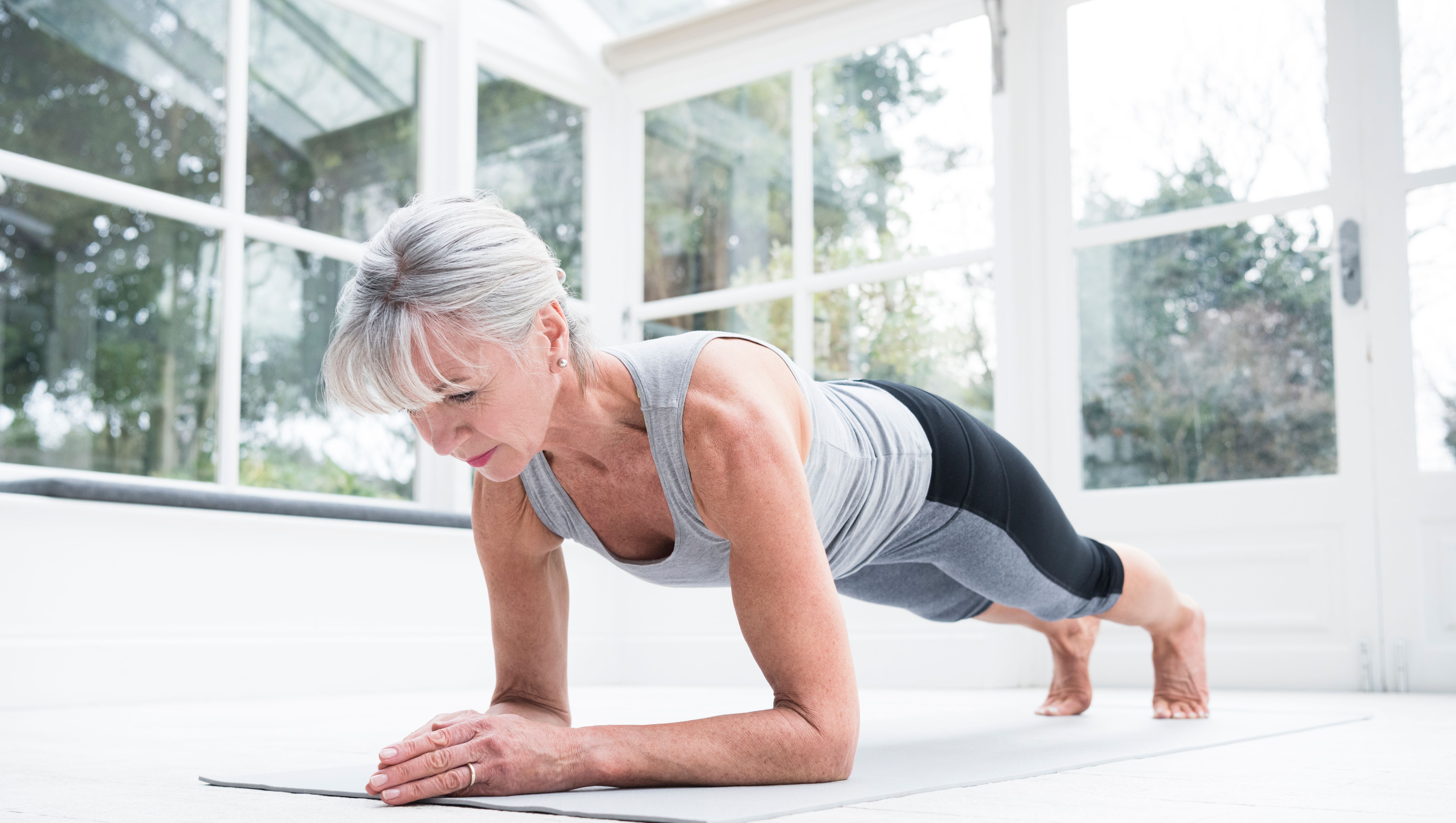
The best exercise plan includes four pillars: aerobic activity, strength training, balance work, and flexibility. Walking alone is excellent, but it is not the whole story. Strength training protects muscle. Balance training helps prevent falls. Stretching keeps movement comfortable. Cardio supports the heart and lungs.
Weekly Exercise Targets
- Aerobic exercise: Aim for about 150 minutes per week of moderate activity, such as brisk walking, swimming, cycling, dancing, or water aerobics.
- Strength training: Do resistance exercise at least two days per week, targeting all major muscle groups.
- Balance training: Practice balance exercises several days per week, especially if fall risk is a concern.
- Flexibility: Stretch gently after workouts or on rest days to maintain mobility.
Beginner-Friendly Weekly Workout Plan
Monday: 30-minute brisk walk plus 10 minutes of stretching.
Tuesday: Strength training: squats to a chair, wall push-ups, seated rows with a resistance band, glute bridges, calf raises, and light dumbbell presses.
Wednesday: 20 to 30 minutes of swimming, cycling, or low-impact cardio.
Thursday: Balance and mobility: heel-to-toe walking, single-leg stands near a chair, gentle yoga, hip circles, and ankle mobility.
Friday: Strength training again, using the same exercises or slightly different variations.
Saturday: Longer enjoyable movement such as walking with a friend, gardening, dancing, hiking, or pickleball.
Sunday: Rest, gentle stretching, or an easy stroll.
Strength Training Exercises for Women Over 60
Strength training does not require a gym membership, complicated machines, or a personal trainer yelling motivational poetry. A chair, resistance band, light dumbbells, and body weight can do plenty.
Try These Exercises
- Sit-to-stand: Sit in a sturdy chair, stand up, then slowly sit back down. This builds leg and hip strength for daily life.
- Wall push-ups: Place hands on a wall and perform controlled push-ups to strengthen the chest, shoulders, and arms.
- Resistance band rows: Pull a band toward the ribs to strengthen the upper back and improve posture.
- Glute bridges: Lie on the back with knees bent, lift hips, pause, and lower. This supports hips and lower back.
- Calf raises: Hold a chair and rise onto the toes, then lower slowly. This strengthens lower legs and ankles.
- Farmer carry: Carry light weights or grocery bags while walking carefully. This builds grip, core, and total-body strength.
Start with one or two sets of 8 to 12 repetitions. Use a weight or resistance level that feels challenging but controlled. The final repetitions should feel like work, not like a medical emergency.
Balance and Mobility: The Unsung Heroes
Balance training may not look dramatic on social media, but it is one of the most valuable habits for healthy aging. Falls can seriously affect independence, so balance work deserves a regular place in the routine.
Practice near a wall, counter, or sturdy chair. Try standing on one foot for 10 to 20 seconds, walking heel-to-toe, stepping side to side, or slowly rising from a chair without using the hands. Tai chi and gentle yoga can also improve coordination, posture, and confidence.
Weight Loss After 60: What Actually Works
Weight loss after 60 may be slower because of hormonal changes, muscle loss, lower activity levels, medications, sleep changes, and metabolism shifts. That does not mean it is impossible. It means the plan needs to be smarter and kinder.
Instead of crash dieting, focus on protein at meals, high-fiber foods, daily walking, strength training, portion awareness, hydration, and sleep. A modest calorie deficit works best when it does not sacrifice muscle. Losing muscle to lose weight is like selling your roof to pay the electric billtechnically possible, but not wise.
Hydration, Sleep, and Recovery
Hydration matters because thirst signals can become less reliable with age. Water, herbal tea, soups, fruits, and vegetables all contribute. A simple habit is to drink a glass of water after waking, with meals, and before or after exercise.
Sleep is another major player. Poor sleep can increase cravings, reduce motivation, affect blood sugar, and make workouts feel harder. Aim for a consistent sleep schedule, morning light exposure, limited late caffeine, and a calming evening routine.
Recovery also matters. Soreness is normal after new exercise, but sharp pain, chest pain, dizziness, unusual shortness of breath, or swelling is not something to “push through.” That advice belongs in the trash next to expired protein powder.
Common Mistakes to Avoid
Eating Too Little Protein
A toast-and-coffee breakfast may be quick, but it does not offer much muscle support. Add eggs, yogurt, cottage cheese, tofu, or a protein smoothie.
Only Doing Cardio
Walking is wonderful, but strength training is essential for muscle, metabolism, bones, posture, and independence.
Going Too Hard Too Soon
A new routine should build gradually. Start with 10-minute walks or one set of strength exercises, then increase over time.
Ignoring Balance
Balance exercises may feel simple, but they protect confidence and mobility.
Following Extreme Diet Trends
Any plan that bans entire food groups without a medical reason, promises instant transformation, or requires you to fear bananas probably deserves suspicion.
of Real-Life Experience: What This Plan Feels Like in Practice
For many 60-year-old women, the hardest part of starting a diet and exercise plan is not knowing what to doit is making the plan feel livable. Real life includes appointments, family responsibilities, joint stiffness, travel, social meals, low-energy days, and the occasional mysterious craving for something crunchy at 9:37 p.m. A successful plan must survive all of that.
One common experience is realizing that breakfast matters more than expected. A woman who once grabbed only coffee may notice that adding Greek yogurt, eggs, or cottage cheese helps reduce midmorning snacking. Protein at breakfast can feel like putting a steady engine under the hood. Energy becomes less dramatic. Hunger stops behaving like a toddler in a grocery store.
Another experience is discovering that strength training feels awkward at first. Sit-to-stands may seem too simpleuntil the thighs start politely filing a complaint. Wall push-ups may feel easy, then surprisingly useful. Resistance bands may look harmless, almost like colorful office supplies, but they can challenge the back, arms, and shoulders in all the right ways. After a few weeks, daily tasks often feel easier. Carrying laundry, lifting grocery bags, climbing stairs, and standing from a low chair may require less effort.
Walking also becomes more enjoyable when it is not treated as punishment. Some women prefer morning walks because the day feels fresh and quiet. Others enjoy evening walks after dinner to help digestion and unwind. Walking with a friend adds accountability and conversation, which is basically fitness with bonus gossip. On low-energy days, even a 10-minute walk counts. Consistency matters more than perfection.
Meal planning may also become simpler with a few repeatable meals. Instead of inventing a new menu every day, many women do well with “meal templates.” For example: protein plus vegetable plus high-fiber carbohydrate plus healthy fat. Salmon, broccoli, sweet potato, and olive oil. Turkey chili with beans and salad. Tofu stir-fry with brown rice. Yogurt with berries and nuts. These combinations remove decision fatigue and make healthy eating feel normal rather than heroic.
Social situations require flexibility. A birthday dinner, holiday meal, or restaurant outing does not ruin progress. The key is returning to normal habits at the next meal. Enjoy the cake, skip the guilt, and do not turn one indulgence into a three-day festival called “Well, I Already Messed Up.” Health is built by patterns, not by one dessert.
Perhaps the most encouraging experience is noticing non-scale victories. Better balance. Deeper sleep. Less stiffness. More confidence. A stronger grip. Fewer afternoon crashes. Clothes fitting more comfortably. These wins matter. A diet and exercise plan for a 60-year-old woman should not be about shrinking her life. It should help her expand itwith more strength, more energy, more independence, and yes, maybe a little more sass.
Conclusion: Strong, Nourished, and Ready for the Next Chapter
A smart diet and exercise plan for a 60-year-old woman is not about chasing youth. It is about building strength, protecting health, and feeling good in the body you have today. The foundation is simple: eat enough protein, choose nutrient-dense foods, include colorful plants, support bones with calcium and vitamin D, stay hydrated, walk often, lift something safely, practice balance, stretch, sleep, and recover.
The best plan is the one that can be repeated on ordinary Tuesdays, not just during a burst of New Year motivation. Start small. Walk 10 minutes. Add protein to breakfast. Do one set of sit-to-stands. Drink more water. Repeat. Over time, these habits become a lifestyle that supports healthy aging without turning life into a spreadsheet of suffering.
At 60, the goal is not to be perfect. The goal is to be capable, energized, steady, and strong enough to keep saying yes to life.