
Oak mites are the tiny outdoor troublemakers that can turn a peaceful afternoon under a shade tree into an itchy detective mystery. One minute you are raking leaves, walking the dog, or admiring your beautiful oak tree like a responsible homeowner. The next day, your neck, shoulders, arms, or chest look as if they lost a wrestling match with a very small cactus.
The tricky part is that oak mites are nearly impossible to see, and you usually do not feel them bite. Their bites often show up hours later as red, itchy welts, sometimes with a small blister-like center. Because the symptoms can resemble chigger bites, mosquito bites, allergic rashes, or even bed bug bites, many people blame everything except the actual culprit hovering around the oak canopy.
Here is the good news: oak mites do not infest your home the way bed bugs or fleas can. They are mainly an outdoor exposure problem. The less glamorous news is that spraying the tree usually does not solve the problem because the mites are often protected inside leaf folds, galls, or insect egg sites. In other words, they are not politely standing in the open waiting for your pesticide bottle.
This guide explains how to get rid of oak mites in the practical sense: reduce exposure, keep them off your skin and clothing, manage risky yard work, soothe bites, and prevent repeat attacks. Think of it as an eight-step anti-itch strategy, minus the panic and plus a little common sense.
What Are Oak Mites?
Oak mites, often called oak leaf itch mites, are microscopic mites associated with oak trees, especially when there are abundant insect hosts such as gall-forming midge larvae or cicada eggs. They normally feed on tiny insect larvae, not people. Unfortunately, when populations rise or when mites drop from trees and drift on the wind, humans become accidental targets.
Oak mite problems are most common from late summer into fall, especially around pin oaks and other infested oak trees. Outbreaks may become more noticeable after heavy gall activity or after periodical cicada emergences, because those events can provide extra food sources for the mites. Once their food source declines, mite activity usually fades too. Until then, your best weapon is prevention.
How to Get Rid of Oak Mites: 8 Simple Steps
Step 1: Confirm That Oak Mites Are the Likely Problem
Before declaring war on your oak tree, make sure the symptoms fit the usual oak mite pattern. Oak mite bites often appear on the upper body, including the neck, shoulders, chest, arms, and face. This makes sense because the mites fall or drift down from trees and land where clothing leaves skin exposed.
The bites may appear 8 to 16 hours after exposure, which is why people often wake up itchy and confused. A classic clue is spending time under oak trees, raking oak leaves, mowing near oaks, walking through a wooded area, or handling pets that have been roaming under infested trees. If the bites mostly appear after outdoor activity and not after sleeping indoors, oak mites become a stronger suspect.
Do not assume every itchy bump is from oak mites. Chiggers, mosquitoes, fleas, bed bugs, poison ivy, allergic reactions, and skin infections can all cause irritation. If bites are spreading rapidly, oozing, extremely painful, accompanied by fever, or affecting your breathing or face swelling, get medical care. The internet is helpful, but it is not a dermatologist with a clipboard.
Step 2: Avoid Sitting, Working, or Lingering Under Infested Oak Trees
The simplest way to get rid of oak mites is to stop putting yourself directly under their favorite launch zone. During outbreak periods, avoid sitting beneath oak trees, especially in late summer and fall. Move outdoor furniture, picnic blankets, children’s play areas, and pet resting spots away from the canopy if possible.
This does not mean you need to look at your oak tree like it betrayed the family. Oaks are valuable, beautiful trees that support wildlife and provide shade. The goal is temporary distance during peak mite activity. If you usually drink coffee under a pin oak every morning, relocate to the porch, patio, or another part of the yard until the outbreak passes.
Be especially cautious on windy days. Oak mites are tiny enough to be carried by breezes, which means you can be bitten even without hugging the tree trunk like a dramatic movie character. If your neighborhood is full of mature oaks, try to schedule outdoor chores for calmer days and avoid unnecessary time under heavy canopy areas.
Step 3: Wear Protective Clothing During Yard Work
When you must rake, mow, prune, or clean up around oak trees, dress like you are going into battle with invisible confetti. Wear long sleeves, long pants, socks, closed-toe shoes, and gloves. A hat can help protect the scalp and neck, two areas that often become bite targets. Choose tightly woven fabrics when possible, because tiny mites can be surprisingly determined little freeloaders.
Tuck pants into socks if you are working in leaf litter or tall grass. Yes, it is not runway fashion. No one will mistake you for a model in a fall gardening catalog. But you are dressing for fewer bites, not for applause from the squirrels.
Some people rely on insect repellent, but repellents used for mosquitoes and ticks may not reliably prevent oak mite bites. Repellent can still be part of a broader outdoor protection routine, but it should not be your only strategy. Clothing, timing, showering, and laundry matter more.
Step 4: Shower Soon After Outdoor Exposure
After spending time near oak trees, shower as soon as you come indoors. Use soap and water and wash exposed skin thoroughly, especially around the neck, arms, chest, waistline, and scalp. Oak mites may remain on skin or clothing for a while before biting, so a quick shower can reduce your chances of becoming their evening snack.
This step is especially important after raking leaves, mowing under oaks, carrying firewood, gardening near tree roots, or walking pets in wooded areas. Even if you do not feel anything crawling on you, shower anyway. Oak mites are too small to announce themselves with tiny footsteps.
For best results, change clothes before sitting on furniture or lying on your bed. Toss outdoor clothing directly into the laundry instead of draping it over a chair. That chair did nothing wrong; do not make it part of the mite transportation system.
Step 5: Wash Outdoor Clothing and Gear
Laundry is one of the most practical oak mite control methods. Wash clothes worn during outdoor activities, especially shirts, hats, gloves, socks, and jackets. Use normal laundry detergent and dry clothing thoroughly. Heat and washing help remove mites from fabric and reduce repeat exposure.
Do not forget reusable gear. Garden gloves, knee pads, cloth hats, bandanas, pet leashes, and fabric tool belts can all pick up outdoor debris. If an item is washable, wash it. If it is not washable, shake it outside away from doors and let it air out before bringing it into living areas.
Keep a simple “oak work” routine: outdoor clothes come off, laundry starts, shower happens, clean clothes go on. It may feel excessive at first, but anyone who has spent a night trying not to scratch oak mite bites will understand. A few minutes of prevention beats hours of itchy regret.
Step 6: Handle Oak Leaves Carefully
Oak leaves can harbor mites, especially during fall cleanup. Wear gloves and long sleeves when raking or bagging leaves. Avoid pressing dry leaves against bare arms, neck, or face. If possible, use tools rather than scooping leaves by hand.
One important caution: leaf blowers may spread mites and dusty leaf debris into the air. If you are already dealing with oak mite bites, blasting leaves around the yard may make the problem worse. Raking gently, bagging leaves, or using a mower with a collection bag may be better choices.
If you compost oak leaves, place the pile away from high-traffic areas. Keep children and pets from playing in fresh oak leaf piles during mite season. Jumping into leaves is a classic fall activity, but during an oak mite outbreak it can become a full-body itch subscription.
Step 7: Skip Tree Sprays That Are Unlikely to Work
Many homeowners want to know what kills oak mites instantly. Unfortunately, tree spraying is usually not a dependable answer. Oak mites are often protected inside leaf galls, leaf folds, or other tiny shelters where sprays may not reach them. By the time people notice bites, the mites may already be dropping from the tree or drifting in the air.
Broad pesticide spraying can also harm beneficial insects, pollinators, and other organisms without giving you much relief. That is a poor trade: fewer helpful insects, same itchy neck. If you are considering pesticides, contact a local extension office, certified arborist, or licensed pest management professional familiar with oak leaf itch mite problems in your region.
Some extension guidance discusses sticky barriers on affected trees in certain situations, but results depend on timing, tree condition, mite movement, and the exact source of infestation. This is not a magic cure, and it should be used carefully to avoid damaging bark. For most homeowners, exposure reduction remains the best “control product.”
Step 8: Treat Bites and Prevent Secondary Infection
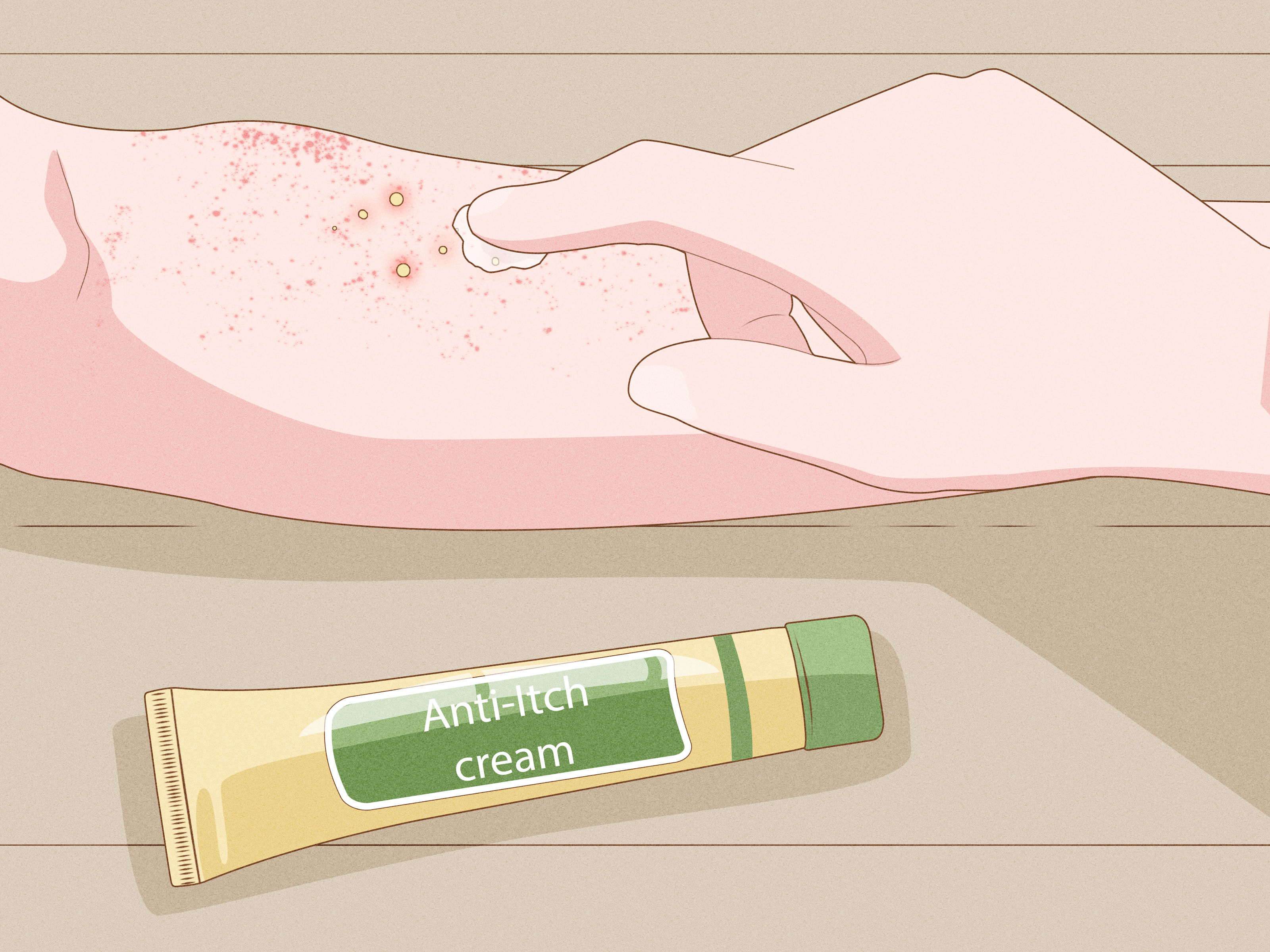
Oak mite bites are usually more annoying than dangerous, but the itch can be intense. Wash the affected skin with soap and water. Apply a cool compress for 10 to 15 minutes to calm the irritation. Over-the-counter hydrocortisone cream, calamine lotion, or oral antihistamines may help reduce itching and inflammation. Follow product directions and talk to a healthcare professional if you have questions about medications.
The hardest rule is also the most important: do not scratch. Scratching can break the skin and lead to secondary bacterial infection. Keep nails trimmed, cover bites with breathable clothing, and consider using a cold pack when the itch flares up at night. Your future skin will thank you, even if your current itchy self is dramatically opposed.
See a doctor if bites become increasingly red, warm, swollen, painful, or filled with pus; if you develop fever; if symptoms persist or worsen; or if you experience signs of an allergic reaction. Prescription-strength topical steroids or other treatments may be needed for severe reactions.
Do Oak Mites Infest Houses?
Oak mites are not like bed bugs, fleas, or roaches. They do not set up a cozy little family business in your mattress or pantry. They are mainly associated with outdoor hosts and tree-related environments. However, they can come inside on clothing, pets, hair, or outdoor gear.
To keep them out, close windows near infested oak trees during heavy outbreak periods, especially on breezy days. Shower after exposure, wash clothing, and wipe down pets that have been under oaks. Vacuum entry areas if you have been tracking in leaves or debris. The goal is not indoor extermination; it is preventing outdoor hitchhikers from getting a free ride into your home.
What Not to Do When Fighting Oak Mites
Do not panic-spray your entire yard. It is expensive, may not work, and can harm beneficial insects. Do not assume DEET or standard bug spray will fully protect you. Do not scratch bites until they bleed. Do not bring leaf-covered clothing into bedrooms or onto sofas. And please, do not cut down a healthy oak tree just because of a temporary mite outbreak. That is like selling your house because a mosquito got in.
The smartest approach is seasonal and practical: limit time under affected trees, dress defensively, shower, wash clothing, manage leaves carefully, and treat symptoms early. Oak mite problems usually decline when their food source disappears or weather changes.
Natural Ways to Reduce Oak Mite Exposure
There is no guaranteed natural spray that eliminates oak mites from a mature tree. Still, you can use low-risk habits to reduce contact. Keep grass mowed under oak trees so leaf litter is easier to remove. Clean up fallen leaves regularly during peak season. Move benches, hammocks, grills, and play equipment away from oak canopies. Encourage airflow around patios by removing clutter and debris where leaves collect.
For pets, wipe fur with a damp cloth after walks under oak trees. Wash pet bedding more often during outbreaks. Dogs and cats can carry mites indoors even though the mites are not truly living on them like fleas. If your pet is scratching heavily, consult a veterinarian, because fleas, allergies, and skin infections are more common explanations than oak mites.
Real-Life Experience: What Oak Mite Season Feels Like and What Actually Helps
People dealing with oak mites often describe the same frustrating pattern: they spend a normal afternoon outside, feel perfectly fine, then wake up the next morning with itchy red welts. The delayed reaction is what makes oak mites so maddening. You cannot swat what you cannot see, and you cannot always connect the dots until the bites have already made their dramatic entrance.
A typical experience might start with fall yard cleanup. Someone rakes a pile of dry oak leaves, bags them, brushes leaf dust off a sweatshirt, and heads inside for dinner. No bite is felt. No bug is seen. By bedtime or the next morning, the neck and forearms are covered in angry bumps. The first guess is mosquitoes. Then maybe chiggers. Then bed bugs, because panic has a way of sprinting straight to the worst possibility. But the pattern points back to the oak tree and the leaf work.
The routines that help most are surprisingly simple. People who change clothes immediately after yard work, shower before sitting on furniture, and wash outdoor clothing often report fewer new bites. Covering the neck and arms during leaf cleanup also makes a noticeable difference. A lightweight long-sleeved shirt may feel slightly annoying on a warm fall day, but it is much less annoying than scratching your shoulders at 2 a.m. like a raccoon with responsibilities.
Another useful habit is creating an outdoor cleanup station. Keep gloves, a hat, and yard shoes near the door or in the garage. When the work is done, those items stay outside the main living space. Clothes go straight to the washer. The person goes straight to the shower. This routine prevents mites from traveling from the yard to the sofa, bed, or car seat.
For bite relief, cool compresses are often the fastest comfort step. Hydrocortisone cream or calamine lotion can help calm the itch, and oral antihistamines may make evenings easier. The biggest challenge is avoiding scratching. Covering bites with soft, loose clothing can prevent accidental scratching during sleep. Some people also find that trimming fingernails during an outbreak is oddly powerful. It is not glamorous, but neither is turning one bite into an infected crater.
The most important lesson is patience. Oak mite outbreaks feel personal, but they are usually seasonal. The goal is not to sterilize nature. The goal is to outsmart the exposure window until mite activity drops. With better clothing, smarter yard habits, quick showers, clean laundry, and careful bite care, most households can get through oak mite season without surrendering the backyard to microscopic villains.
Conclusion
Getting rid of oak mites is less about one miracle product and more about a smart, repeatable routine. Because oak mites are tiny, wind-carried, and often protected inside oak-related structures, spraying trees rarely delivers the dramatic victory homeowners want. The best strategy is to reduce exposure: avoid lingering under infested oak trees, wear protective clothing, shower after outdoor activity, wash clothes promptly, manage leaves carefully, and treat bites before scratching causes complications.
Oak mite bites can be intensely itchy, but they are usually manageable at home with basic skin care and over-the-counter itch relief. If symptoms become severe, infected, or unusual, medical advice is the right next step. Your oak tree is probably not the enemy. It is just hosting a microscopic drama you did not ask to join.
Note: This article is for general educational purposes and is not a medical diagnosis. If you have severe swelling, signs of infection, breathing trouble, fever, or a rash that does not improve, contact a healthcare professional.