
Note: This article is for educational purposes and does not replace medical care. If you have rectal bleeding, severe pain, black stools, unexplained weight loss, fever, or symptoms that do not improve, talk with a healthcare professional.
Why Fiber Is the Unsung Hero of Hemorrhoid Relief
Hemorrhoids are not exactly dinner-party conversation, but they are incredibly common. They happen when veins in or around the anus and lower rectum become swollen, irritated, or inflamed. The main villains are usually constipation, hard stools, prolonged sitting on the toilet, and straining like you are trying to win an Olympic medal in bathroom athletics.
That is where high fiber foods come in. Fiber helps make stool softer, bulkier, and easier to pass. Softer stool means less pushing, less pressure, and fewer “why is my body doing this to me?” moments. A fiber-rich diet may help reduce constipation, support regular bowel movements, and lower the chance of hemorrhoids flaring up again.
The trick is to increase fiber gradually and drink enough fluids. Adding too much fiber too fast can cause gas, bloating, and digestive drama. Think of fiber like a new gym routine for your gut: start slowly, stay consistent, and do not attempt the advanced class on day one.
How Much Fiber Do You Need?
Most adults do well with about 25 to 38 grams of fiber per day, depending on age, sex, calorie needs, and health status. The FDA Daily Value for dietary fiber is 28 grams per day based on a 2,000-calorie diet. For hemorrhoid relief, the goal is not to become a human chia pet overnight. The goal is to build a steady routine of fiber-rich meals, plenty of water, and bowel habits that do not involve scrolling on the toilet until your legs fall asleep.
Soluble vs. Insoluble Fiber
Soluble fiber absorbs water and forms a gel-like texture in the gut. It can help soften stool and support healthy cholesterol and blood sugar levels. Oats, beans, lentils, apples, pears, chia seeds, and barley are good examples.
Insoluble fiber adds bulk and helps move stool through the digestive tract. Whole grains, vegetables, fruit skins, nuts, seeds, and wheat bran are common sources. For hemorrhoids, both types matter. One softens; the other moves things along. Together, they are basically the buddy-cop duo your colon has been waiting for.
The 17 Best High Fiber Foods to Help Treat Hemorrhoids
1. Lentils
Lentils are small, humble, and suspiciously powerful. A half-cup of cooked lentils can provide around 7 to 8 grams of fiber, plus plant-based protein, iron, and magnesium. They are especially helpful because they contain both soluble and insoluble fiber, making them excellent for softer, more regular stools.
Try this: Add lentils to soups, grain bowls, tacos, or pasta sauce. If beans usually make your stomach play jazz, start with a few tablespoons and work upward.
2. Black Beans
Black beans are a fiber superstar and a budget-friendly pantry hero. They support bowel regularity while also offering protein, potassium, and antioxidants. For hemorrhoids, black beans can help reduce constipation when paired with enough water.
Try this: Mix black beans into scrambled eggs, burrito bowls, salads, or homemade chili. Rinse canned beans to reduce sodium and improve flavor.
3. Chickpeas
Chickpeas, also called garbanzo beans, are the reason hummus exists, and for that alone they deserve applause. They provide fiber, protein, and a satisfying texture that helps meals feel more filling. Their fiber content can help stool stay soft and easier to pass.
Try this: Spread hummus on whole-grain toast, toss chickpeas into salads, or roast them with olive oil and paprika for a crunchy snack.
4. Split Peas
Split peas are loaded with fiber and make one of the most comforting soups known to chilly evenings. They are especially useful for people trying to increase fiber without relying only on raw vegetables, which can feel less appealing during a hemorrhoid flare.
Try this: Cook split pea soup with carrots, celery, onion, garlic, and herbs. Keep it creamy without needing heavy cream.
5. Oats
Oats are rich in soluble fiber, especially beta-glucan. They help hold water in the stool, which can make bowel movements smoother. Oatmeal is also gentle, warm, and unlikely to start a fight with your digestive system before 9 a.m.
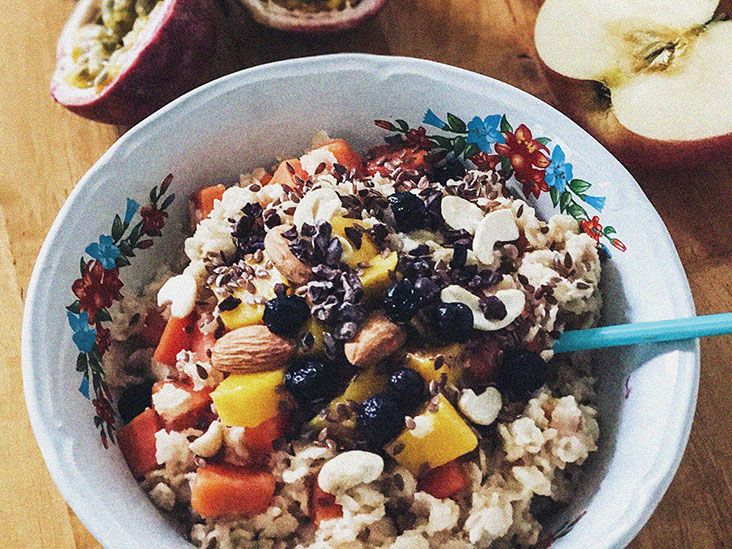
Try this: Top oatmeal with berries, ground flaxseed, and a spoonful of nut butter. Overnight oats with chia seeds are another excellent high fiber breakfast.
6. Barley
Barley is chewy, nutty, and often ignored in favor of rice, which is a shame. It contains soluble and insoluble fiber and works beautifully in soups, stews, and grain bowls. Its texture also makes meals more satisfying, which can help reduce snacking on low-fiber processed foods.
Try this: Use barley instead of white rice in vegetable soup or pair it with roasted vegetables and a lemony dressing.
7. Raspberries
Raspberries are tiny fruit jewels with a surprisingly high fiber content. One cup can provide about 8 grams of fiber, which is impressive for something that tastes like summer borrowed a fancy hat. Their water content also supports hydration, which matters when increasing fiber.
Try this: Add raspberries to yogurt, oatmeal, smoothies, or whole-grain pancakes.
8. Pears
Pears are one of the best fruits for digestive comfort, especially when eaten with the skin. The skin provides insoluble fiber, while the flesh contributes soluble fiber and fluid. Pears are also naturally sweet, making them an easy swap for lower-fiber desserts.
Try this: Slice pears onto toast with almond butter, bake them with cinnamon, or pack one as an afternoon snack.
9. Apples
Apples are not magical, but they are practical. With the peel on, they provide fiber that supports regular bowel movements. Apples also contain pectin, a soluble fiber that helps hold moisture in the stool.
Try this: Eat apple slices with peanut butter, add chopped apples to oatmeal, or bake them with walnuts for a fiber-rich treat.
10. Prunes
Prunes have a reputation, and frankly, they earned it. They contain fiber plus sorbitol, a natural sugar alcohol that can help draw water into the intestines. For constipation-related hemorrhoids, prunes may be especially useful when used in moderate amounts.
Try this: Start with two or three prunes per day. Too many at once can turn “gentle relief” into “cancel my afternoon plans.”
11. Avocado
Avocado brings fiber, healthy fats, potassium, and creamy texture. It is a great option for people who want high fiber foods that feel rich and satisfying. The healthy fats can make meals more filling, while the fiber supports smoother digestion.
Try this: Add avocado to whole-grain toast, salads, tacos, or smoothies. Yes, avocado toast can be part of a hemorrhoid-friendly diet. Your colon is very modern.
12. Sweet Potatoes
Sweet potatoes provide fiber, vitamin A, potassium, and antioxidants. Eating the skin increases the fiber content, so scrub it well and leave it on when possible. Sweet potatoes are also gentle and versatile, making them useful during times when your digestive system wants comfort food with credentials.
Try this: Bake sweet potatoes and top them with black beans, Greek yogurt, and salsa for a high fiber meal.
13. Green Peas
Green peas are technically legumes, but they often show up on the plate like vegetables. They provide fiber, protein, and a naturally sweet flavor. They are easy to add to meals and do not require culinary bravery.
Try this: Stir peas into pasta, soup, rice dishes, or mashed potatoes. They also blend into a bright green spread with lemon and olive oil.
14. Broccoli
Broccoli contains fiber, vitamin C, vitamin K, and plant compounds that support overall health. It helps add bulk to stool and pairs well with other high fiber foods. If raw broccoli makes you gassy, cook it lightly. Your gut does not need a surprise party.
Try this: Roast broccoli with olive oil and garlic, steam it as a side dish, or chop it into grain bowls.
15. Artichokes
Artichokes are one of the most fiber-rich vegetables around. They also contain prebiotic fibers that feed beneficial gut bacteria. A healthier gut environment can support more comfortable digestion and better regularity.
Try this: Add artichoke hearts to salads, pasta, omelets, or Mediterranean-style bowls with chickpeas and greens.
16. Chia Seeds
Chia seeds absorb liquid and form a gel, which can help soften stool. They are extremely fiber-dense, so small amounts go a long way. That also means you should not casually dump half a cup into your smoothie unless you want your stomach to file a formal complaint.
Try this: Stir one tablespoon into yogurt, oatmeal, or a smoothie. Let chia pudding sit overnight with milk or a dairy-free alternative.
17. Ground Flaxseed
Ground flaxseed offers fiber, plant-based omega-3 fats, and a mild nutty flavor. Ground flax is easier to digest than whole flaxseed, which may pass through the body mostly unchanged. For hemorrhoids, it can be a simple way to add fiber without changing your entire menu.
Try this: Add one tablespoon of ground flaxseed to oatmeal, muffins, smoothies, or pancake batter.
Foods to Limit When Hemorrhoids Flare
High fiber foods are helpful, but it is also smart to limit foods that may worsen constipation. Low-fiber processed foods such as chips, fast food, pastries, white bread, and many frozen meals can crowd out the foods your gut actually needs. Large amounts of cheese and red meat may also slow things down for some people.
Spicy foods do not cause hemorrhoids, but they may irritate the area during bowel movements for certain people. Alcohol and too much caffeine may contribute to dehydration if they replace water. You do not need to live like a monk who only eats bran flakes in silence. Just build most meals around plants, whole grains, and fluids.
How to Add More Fiber Without Regretting Your Life Choices
Increase Fiber Slowly
Add about 3 to 5 grams of fiber per day for a week, then increase again if your body feels comfortable. Sudden fiber overload can cause bloating and gas. Your digestive system likes upgrades, not ambushes.
Drink More Water
Fiber works best with fluid. Without enough water, fiber can make stool bulky but still hard, which is exactly the plot twist nobody asked for. Keep water nearby and drink regularly throughout the day.
Keep Bathroom Time Short
Do not sit on the toilet for long stretches. Long toilet sessions increase pressure on rectal veins. Go when you feel the urge, avoid straining, and save the epic social media scroll for the couch.
Move Your Body
Walking, stretching, swimming, and other gentle movement can support bowel regularity. You do not need to train for a marathon. Even a 10- to 20-minute walk after meals can help get things moving.
Sample High Fiber Day for Hemorrhoid Relief
Breakfast: Oatmeal with raspberries, chia seeds, and a spoonful of almond butter.
Snack: A pear with the skin on.
Lunch: Lentil soup with a side salad and whole-grain toast.
Snack: Hummus with carrots or whole-grain crackers.
Dinner: Baked sweet potato topped with black beans, avocado, salsa, and steamed broccoli.
Before bed, if needed: A few prunes and a glass of water.
This kind of day provides fiber from several categories: legumes, fruit, vegetables, seeds, and whole grains. That variety matters because different fibers feed different gut bacteria and support digestion in different ways.
Real-Life Experience: What Eating for Hemorrhoid Relief Actually Feels Like
Here is the part many articles skip: changing your fiber intake sounds simple, but in real life, it takes planning. Most people do not wake up craving lentils with the enthusiasm of a golden retriever greeting its favorite human. More often, the change starts after a painful bathroom experience that makes you rethink every meal you have eaten since 2018.
A realistic approach begins with breakfast. Swapping a low-fiber breakfast for oatmeal with berries can make a big difference without feeling like punishment. Oats are warm and familiar, berries taste good, and chia seeds can be added quietly in the background like a responsible adult. The first few days may not feel dramatic. Fiber is not a light switch; it is more like training your digestive system to stop being chaotic.
Lunch is where many people accidentally lose the fiber game. A plain sandwich on white bread with chips is quick, but it does not give the colon much to work with. A better version might be whole-grain bread, hummus, avocado, lettuce, tomato, and a side of fruit. Or try a lentil soup that can be cooked once and eaten for several meals. The goal is convenience because hemorrhoid-friendly eating should not require a private chef named Pierre.
Dinner can be built around “fiber anchors.” Pick one major high fiber food, then build the plate around it. Black beans, chickpeas, sweet potatoes, barley, or broccoli can all play that role. For example, a baked sweet potato with beans and avocado feels hearty, not medicinal. A barley bowl with roasted vegetables and chickpeas tastes like dinner, not a homework assignment from your gastroenterologist.
Snacks matter too. Many people go all day eating decent meals, then end up with cookies, crackers, or cheese at night. No shame; the snack cabinet is persuasive. But adding fruit, nuts, hummus, or whole-grain crackers can prevent the low-fiber slide. Even a small change, like replacing one processed snack with a pear, can help over time.
The most important experience-based lesson is this: do not increase fiber aggressively. People hear “fiber helps hemorrhoids” and suddenly turn breakfast into a bowl of bran, beans, chia, flax, and emotional overconfidence. Then bloating arrives, and fiber gets blamed for crimes committed by poor pacing. Start with one change per meal or even one change per day.
Hydration is the second lesson. Many people add fiber but forget water. That is like putting laundry detergent in the machine and never turning on the water. Fiber needs fluid to help stool stay soft. Keep a water bottle nearby, especially when adding beans, seeds, and whole grains.
The third lesson is bathroom behavior. Diet helps, but habits matter. Go when you feel the urge. Avoid pushing. Do not sit there reading, texting, bargaining with fate, or watching “just one more video.” A shorter, calmer bathroom visit can reduce pressure on hemorrhoids and support healing.
Over a few weeks, the benefits of a high fiber routine often become easier to notice: bowel movements may become more predictable, stool may be softer, and the fear of bathroom pain may decrease. Food is not an instant cure, but it can be one of the most practical tools for managing hemorrhoids and preventing future flare-ups. Plus, once you learn how to make lentils taste good, you gain a life skill that is far more useful than folding fitted sheets.
Conclusion
The best high fiber foods for hemorrhoids are simple, affordable, and easy to combine: lentils, beans, oats, berries, pears, apples, prunes, avocado, sweet potatoes, peas, broccoli, artichokes, chia seeds, and ground flaxseed. These foods help support softer stools, easier bowel movements, and less straining, which is the digestive equivalent of turning down the volume on hemorrhoid irritation.
For best results, increase fiber gradually, drink enough water, stay active, and avoid long toilet sessions. A hemorrhoid-friendly diet does not need to be bland or boring. With the right foods, your meals can be colorful, satisfying, and kind to the part of your body that has been quietly asking for better working conditions.
SEO Tags