
Psoriasis has a talent for being dramatic. One week, your skin may look calm enough to star in a moisturizer commercial. The next, a patch on your elbow is hosting a flaky little rebellion. If you are trying to understand the psoriasis healing stages, the first thing to know is this: psoriasis does not “heal” like a paper cut. It is a chronic immune-mediated condition that tends to cycle through flare-ups, improvement, remission, and sometimes relapse.
That does not mean you are stuck guessing forever. Psoriasis often follows recognizable patterns. Plaques may become less red or less inflamed, scaling may thin, itching may calm down, and skin may gradually flatten. In some people, the area leaves behind temporary dark, light, pink, or brown discoloration after the active plaque improves. That color change can be frustrating, but it is not always a sign that psoriasis is still active.
This guide explains what psoriasis healing commonly looks like, how long each stage may last, why timelines vary, and when a “healing” patch deserves a second look from a dermatologist. No magic wand, no miracle cabbage-water detox, just realistic, medically grounded information with a little humor because skin problems already take themselves seriously enough.
What Psoriasis Is and Why Healing Takes Time
Psoriasis is a chronic inflammatory skin disease in which the immune system speeds up skin cell growth. Instead of shedding gradually, skin cells build up quickly, creating thick, scaly plaques. Plaque psoriasis is the most common type, but psoriasis can also affect the scalp, nails, palms, soles, folds of skin, or appear as small drop-like spots known as guttate psoriasis.
The word “healing” can be tricky. Psoriasis treatment aims to reduce inflammation, slow excessive skin cell turnover, remove scaling, ease itching, and help the skin return as close to normal as possible. However, psoriasis currently has no permanent cure. Many people experience periods of remission, meaning symptoms are greatly reduced or absent, followed by possible flares later.
Healing speed depends on several factors: psoriasis type, severity, location, treatment plan, skin tone, triggers, stress level, infection history, medication consistency, and whether psoriatic arthritis is also present. A small plaque on the elbow may improve within weeks with topical treatment, while widespread plaques may need phototherapy, oral medication, or biologic therapy and may take several months to show full improvement.
The Main Psoriasis Healing Stages
Psoriasis does not always follow a neat calendar. It is more like weather forecasting: there are patterns, but your skin may still decide to rain during the picnic. Still, many people notice the following stages as psoriasis improves.
Stage 1: Active Flare and Inflammation
This is the “everyone remain calm, except your immune system” stage. During an active psoriasis flare, plaques may look raised, thick, scaly, itchy, sore, cracked, or inflamed. On lighter skin, plaques may appear pink or red with silvery-white scale. On darker skin, plaques may look violet, brown, gray, or darker than surrounding skin, sometimes with thicker-looking scale.
Common symptoms during this stage include itching, burning, tightness, flaking, bleeding after scratching, and discomfort when clothing rubs against the skin. Scalp psoriasis may produce stubborn flakes that look like dandruff’s more determined cousin. Nail psoriasis may cause pitting, lifting, discoloration, or thickening of the nails.
This stage can last days, weeks, or months depending on triggers and treatment. Common triggers include stress, skin injury, infections such as strep throat, cold dry weather, smoking, heavy alcohol use, and certain medications. The Koebner phenomenon can also occur, meaning psoriasis appears where the skin was injured, such as after a scrape, sunburn, tattoo, or bug bite.
Stage 2: Early Response to Treatment
Early improvement often begins before the skin looks fully “normal.” The first wins may be subtle: less itching, less burning, fewer new plaques, or plaques that feel softer. Scaling may start to lift or thin. The skin may still look discolored, but inflammation may be calming beneath the surface.
For mild to moderate psoriasis, dermatologists often start with topical treatments such as corticosteroids, vitamin D analogs, salicylic acid, coal tar preparations, retinoids, calcineurin inhibitors for sensitive areas, or newer nonsteroidal creams. Some people notice symptom relief within one to two weeks, but visible plaque improvement often takes several weeks of consistent use.
This is also the stage when many people accidentally sabotage progress by stopping treatment too early. The plaque looks better, the itch has packed its bags, and suddenly the medication tube is abandoned like an old gym membership. But psoriasis can rebound if treatment is stopped abruptly or if maintenance care is ignored. Follow your dermatologist’s instructions, especially with prescription steroid timing.
Stage 3: Plaques Flatten and Scaling Decreases
As psoriasis continues improving, plaques usually become thinner and flatter. The “built-up” feeling decreases, and scales may stop shedding so dramatically. Your black shirt may finally stop looking like it walked through a snow globe.
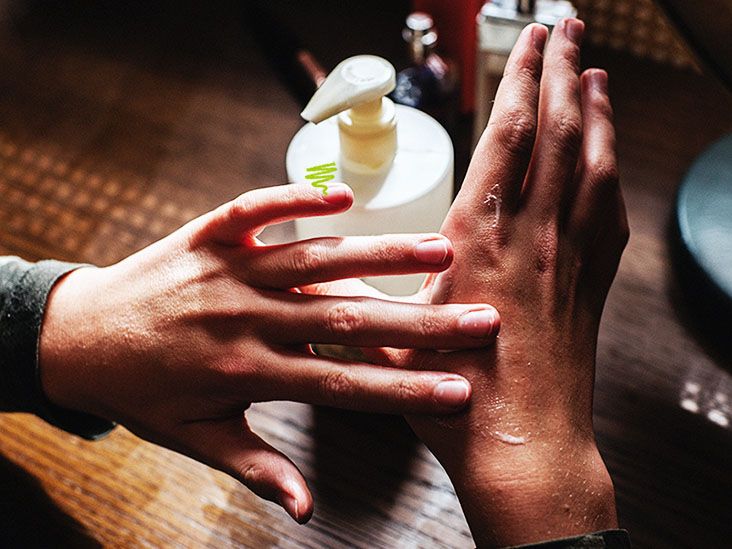
At this stage, the skin barrier is still recovering. Moisturizers can help reduce dryness, support comfort, and prevent cracking. Fragrance-free ointments and creams are often better than light lotions, especially during cold weather or after bathing. Gentle skin care matters because irritated skin can restart inflammation.
With topical therapy, noticeable improvement often appears over four to twelve weeks, depending on the medication and the area treated. Scalp, palm, sole, nail, and genital psoriasis may require special approaches because these areas can be more stubborn or sensitive. Psoriasis in high-impact areas may feel severe even when it covers only a small amount of body surface.
Stage 4: Residual Discoloration After Inflammation
One of the most confusing psoriasis healing stages is the “the plaque is gone, but the mark stayed” stage. After inflammation settles, the skin may show post-inflammatory color changes. On darker skin tones, this often appears as hyperpigmentation, meaning darker brown or gray patches. On lighter skin tones, the area may look pink, red, or lighter than surrounding skin.
These marks are not always active psoriasis. They may be the skin’s leftover footprint from inflammation. The texture can help you tell the difference. If the area is flat, not scaly, not thick, and not itchy, it may be residual discoloration rather than an active plaque. If it becomes raised, scaly, cracked, or itchy again, the psoriasis may still be active or flaring.
Discoloration can fade slowly. It may take weeks to months, and sometimes longer, especially in skin of color. Sun protection is important because ultraviolet exposure can darken hyperpigmentation and make color contrast more noticeable. A dermatologist can suggest safe options if discoloration is persistent or bothersome.
Stage 5: Remission or Low Disease Activity
Remission means psoriasis symptoms are minimal or absent. Some people reach almost clear or clear skin with treatment. Others achieve low disease activity, where psoriasis is still present but much easier to live with. In practical terms, remission may mean fewer plaques, less itch, better sleep, less embarrassment, and fewer emergency negotiations with your closet.
Remission may last weeks, months, or longer. Some medical discussions define on-treatment remission in plaque psoriasis as maintaining completely clear skin or equivalent physician-assessed clearance for at least six months while continuing treatment. In everyday life, many people use the word more loosely to mean “my psoriasis is finally quiet.”
The key point is that remission is not permission to ignore psoriasis. Maintenance treatment, trigger management, moisturizing, regular follow-ups, and screening for related conditions may still matter. Psoriasis is linked with psoriatic arthritis in some people, and joint pain, stiffness, swollen fingers or toes, or morning stiffness should be discussed with a healthcare professional promptly.
How Long Does Psoriasis Take to Heal?
There is no single psoriasis healing duration because psoriasis is not one-size-fits-all. However, general timelines can help set realistic expectations.
Mild Plaque Psoriasis
Mild plaque psoriasis treated with appropriate topical therapy may begin improving within one to three weeks. More meaningful improvement often takes four to eight weeks. Some treatment plans are evaluated after about eight to twelve weeks, especially if plaques are thicker or located on the scalp, elbows, knees, hands, or feet.
Moderate to Severe Psoriasis
Moderate to severe psoriasis may require phototherapy, oral systemic medication, injectable biologics, or a combination approach. Phototherapy is commonly performed several times per week until skin improves, then sometimes less often for maintenance. Improvement can take weeks to months, and consistency is important because missed sessions can reduce effectiveness.
Biologic medications and other systemic therapies often require several weeks before their full benefit is clear. Many clinical timelines assess response around twelve to sixteen weeks, although some people notice improvement sooner. If a treatment is not working, a dermatologist may adjust the dose, switch therapies, or investigate hidden triggers.
Guttate Psoriasis
Guttate psoriasis often appears as small spots after an infection, especially strep throat. In some cases, it improves after the infection is treated and the immune reaction settles. It may clear in weeks to months, but some people go on to develop chronic plaque psoriasis. Medical evaluation matters because untreated infection or recurring triggers can keep the cycle going.
Scalp Psoriasis
Scalp psoriasis can be stubborn because hair makes treatment harder to apply. Medicated shampoos, topical solutions, foams, oils, or prescription treatments may be used. Mild improvement may appear within a few weeks, but thicker plaques can take longer. Scratching can worsen irritation, so itch control is part of healing.
Nail Psoriasis
Nail psoriasis is usually slow to improve because nails grow slowly. Even if inflammation is controlled, visible improvement may take several months as healthier nail grows out. Fingernails may show changes sooner than toenails. Patience is not glamorous, but with nail psoriasis, it is basically part of the treatment plan.
Signs Psoriasis Is Healing
Healing psoriasis usually shows up through several small improvements rather than one grand skin-care parade. Watch for these signs:
- Plaques become thinner and flatter.
- Scaling decreases or becomes easier to manage.
- Itching, burning, or soreness improves.
- Fewer new plaques appear.
- Cracks, bleeding, or pain decrease.
- The skin feels smoother, even if discoloration remains.
- Sleep improves because nighttime itching is reduced.
A helpful habit is taking photos every one or two weeks in the same lighting. Psoriasis progress can be slow enough that daily mirror checks feel discouraging. Photos can show improvement you might otherwise miss. Just do not zoom in 800 percent at midnight. That is not dermatology; that is emotional self-sabotage with pixels.
Signs Psoriasis Is Not Healing Properly
Sometimes psoriasis needs a treatment adjustment. Contact a healthcare professional if plaques spread quickly, become painful, crack or bleed often, show signs of infection, or do not improve after using treatment as directed. Also seek care if psoriasis affects the face, genitals, palms, soles, or large areas of the body, or if it interferes with sleep, work, relationships, or mental health.
Joint symptoms are especially important. Psoriatic arthritis can cause joint pain, swelling, stiffness, tendon pain, nail changes, or sausage-like swelling of fingers or toes. Early diagnosis and treatment can help protect joints from long-term damage.
You should also tell your doctor if psoriasis worsens after starting a new medication, if you recently had strep throat or another infection, or if you are pregnant, planning pregnancy, or breastfeeding. Some psoriasis treatments are not appropriate in every situation.
What Can Speed Up Psoriasis Healing?
There is no safe overnight fix, but several habits can support improvement and reduce flares.
Use Medication Exactly as Directed
Prescription creams, phototherapy schedules, oral medicines, and biologics work best when used consistently. Do not stop or overuse topical steroids without medical guidance. More is not always better; sometimes more is just a faster route to irritation.
Moisturize Like It Is Your Side Hustle
Dry skin can worsen cracking and itching. Apply a fragrance-free cream or ointment after bathing and whenever skin feels dry. Moisturizer does not treat the immune cause of psoriasis, but it can make the skin barrier much less cranky.
Avoid Scratching and Skin Injury
Scratching can create tiny injuries that trigger more psoriasis. Keep nails short, use cold compresses for itch, and ask your clinician about itch-relieving options. Treat cuts, bug bites, and sunburns promptly.
Identify Personal Triggers
Stress, infections, smoking, heavy alcohol use, cold weather, skin trauma, and certain medications are common triggers. A flare diary can help connect symptoms with patterns. Track sleep, stress, illness, weather, new medications, diet changes, alcohol intake, and skin injuries.
Protect Overall Health
Psoriasis is more than a skin condition. Maintaining a healthy weight, exercising regularly, avoiding tobacco, limiting alcohol, sleeping well, and managing stress can support general inflammation control. These steps are not a replacement for treatment, but they can help your treatment plan work in a friendlier environment.
Common Myths About Psoriasis Healing
Myth: If the Skin Still Looks Dark or Pink, the Psoriasis Is Active
Not always. Flat discoloration can remain after inflammation improves. Texture, scale, itch, and thickness are better clues.
Myth: Psoriasis Clears Faster If You Scrub Off the Scales
Please do not wage war with a loofah. Harsh scrubbing can injure the skin and trigger more psoriasis. Gentle scale-softening treatments are safer.
Myth: Natural Means Safe
Some natural products irritate skin or interact with medication. Essential oils, apple cider vinegar, and herbal products may sound harmless, but psoriasis skin can be picky. Ask a clinician before experimenting, especially on cracked, bleeding, genital, or facial skin.
Myth: Clear Skin Means You Can Quit Treatment Forever
Psoriasis can return after stopping therapy. Maintenance care is often part of long-term control.
Realistic Psoriasis Healing Timeline
Here is a practical, patient-friendly timeline. Your exact experience may differ.
- Days 1–7: Itching and irritation may begin to calm if treatment and moisturizing are effective.
- Weeks 2–4: Scaling may thin, plaques may soften, and redness or discoloration may begin to fade.
- Weeks 4–8: Many mild plaques show clearer improvement with consistent topical therapy.
- Weeks 8–12: Dermatologists often reassess whether the treatment plan is strong enough.
- Weeks 12–16: Many systemic and biologic treatment responses are evaluated around this period.
- Months later: Residual discoloration and nail changes may continue improving slowly.
The most important message: slow progress can still be progress. Psoriasis healing is often measured in weeks, not weekends.
Experiences Related to Psoriasis Healing Stages
People living with psoriasis often describe the healing process as both physical and emotional. The visible skin changes are only part of the story. There is also the mental math: “Can I wear short sleeves today?” “Will people stare?” “Is this shampoo helping, or am I just marinating my scalp in hope?” These experiences matter because psoriasis affects comfort, confidence, routines, and sometimes identity.
One common experience is the excitement of early improvement followed by impatience. A person may use a prescribed topical treatment for ten days and notice less itching, but the plaque still looks obvious. That can feel like failure, even when it is actually the first stage of healing. The skin may calm internally before the surface looks smooth. This is why dermatologists often emphasize consistency. Improvement may begin quietly, like a polite guest, before it becomes visible enough to celebrate.
Another common experience is confusion over discoloration. Someone with medium to deep skin may finally get a plaque flat and smooth, only to be left with a darker patch that lingers for months. Someone with lighter skin may see a pink mark long after scaling has stopped. Many people worry that treatment did not work. In reality, the active inflammation may be controlled, while the pigment change is simply taking its sweet time leaving the party. This stage can be emotionally frustrating because the skin feels better, but the mirror still tells an old story.
Scalp psoriasis brings its own special brand of annoyance. People often talk about avoiding dark clothes, checking shoulders before meetings, or feeling embarrassed at the hair salon. Healing may involve medicated shampoo, prescription foams or solutions, and patience with flakes that do not disappear overnight. The first sign of progress may not be a perfectly clear scalp. It may be fewer flakes on a pillow, less itching during the workday, or the ability to go a little longer without feeling uncomfortable.
Many people also learn that triggers are personal. One person flares after a stressful deadline. Another after winter weather. Another after strep throat. Someone else gets a new plaque exactly where a backpack strap rubbed the skin. Keeping a simple flare diary can turn random chaos into useful clues. It does not have to be fancy. A note like “bad sleep, high stress, elbows worse” can help identify patterns over time.
Perhaps the biggest experience is learning that psoriasis healing is not a straight line. There may be good weeks, stubborn weeks, and weeks when the skin behaves like it read none of the treatment instructions. That does not mean you are doing everything wrong. It means psoriasis is chronic, immune-driven, and influenced by many moving parts. The goal is not perfection every day. The goal is better control, fewer flares, healthier skin, and a plan that fits real life.
Conclusion
Psoriasis healing stages usually move from active inflammation to early symptom relief, thinner plaques, reduced scaling, leftover discoloration, and sometimes remission. The duration varies widely. Mild psoriasis may improve in weeks with topical treatment, while moderate to severe psoriasis may take several months with phototherapy or systemic therapy. Nail psoriasis and post-inflammatory discoloration can take even longer.
The best approach is steady, not desperate: use treatment as directed, moisturize regularly, avoid known triggers, protect skin from injury, and involve a dermatologist when symptoms are persistent, painful, widespread, or affecting quality of life. Psoriasis may be dramatic, but with the right plan, it does not get to be the main character forever.