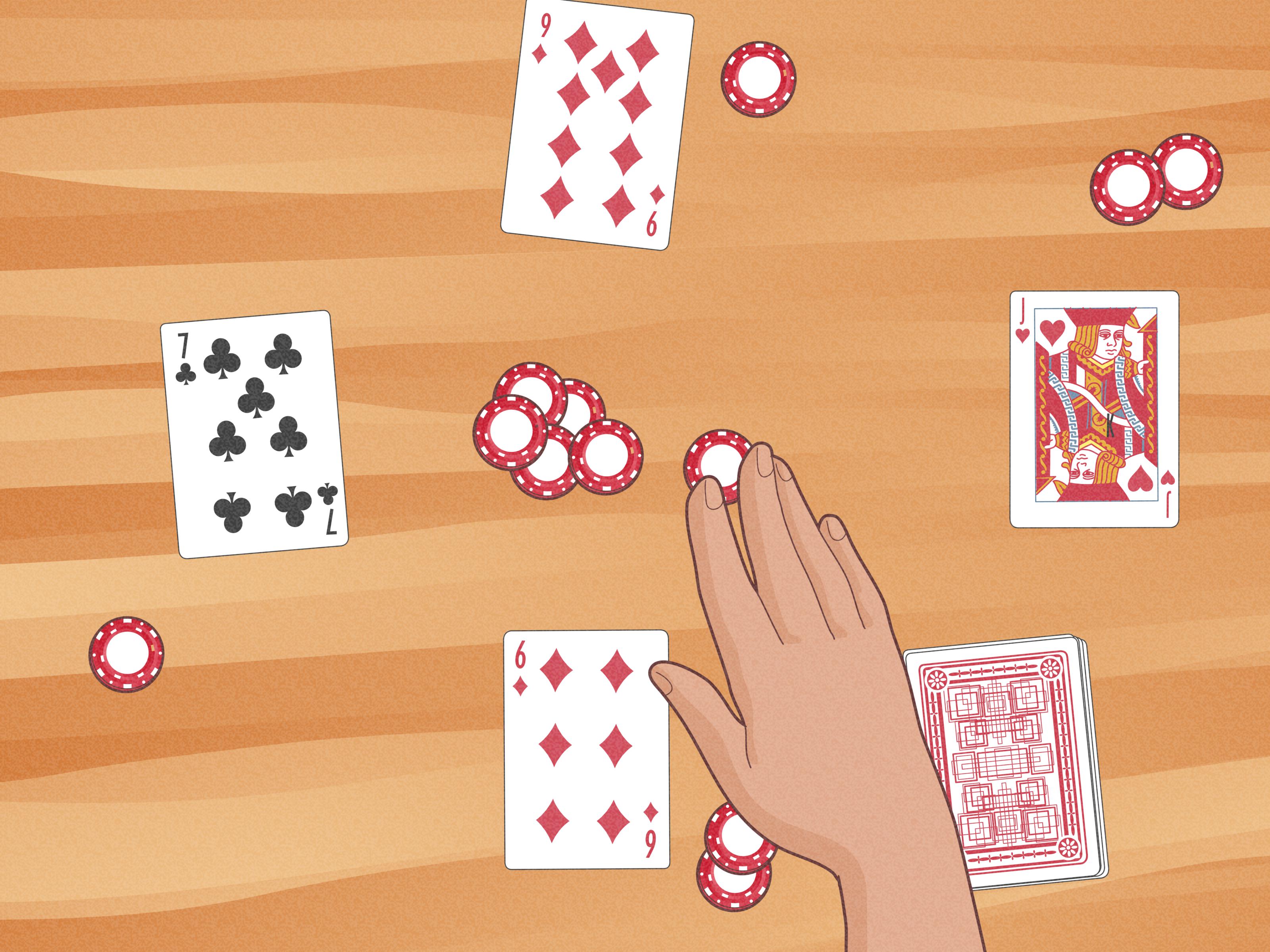

Screw Your Neighbor is one of those card games that sounds mildly scandalous, plays in minutes, and somehow turns your quietest cousin into a suspicious card-trading mastermind. Also known as Chase the Ace, Cuckoo, or Ranter-Go-Round, this classic party card game is simple: do not end the round holding the lowest card. That is it. That is the tiny rule goblin behind all the chaos.
The beauty of the Screw Your Neighbor card game is that almost anyone can learn it after one practice round. You only need a standard deck of cards, a few tokens or coins, and at least three players who are willing to betray one another politely. It works for family game night, camping trips, holiday gatherings, dorm lounges, and any table where people enjoy dramatic gasps over a two of clubs.
This guide explains the setup, rules, card rankings, strategy tips, common mistakes, and fun variations so you can teach the game quickly and keep the table laughing.
What Is Screw Your Neighbor?
Screw Your Neighbor is a fast elimination card game where every player receives one card per round. Players take turns deciding whether to keep their card or trade it with the player on their left. After everyone has had a turn, all cards are revealed, and the player with the lowest card loses a life or token.
The last player with tokens remaining wins. In most versions, Aces are low and Kings are high. Kings are special because they usually block trades, making them the safest card in the game. If you are dealt a King, congratulations: you are sitting on the card-game equivalent of a locked front door and a “go bother someone else” sign.
What You Need to Play
- Players: 3 or more players. The game is more fun with 5 to 10.
- Deck: One standard 52-card deck with Jokers removed.
- Tokens: 3 tokens per player, such as coins, poker chips, candy, buttons, or crackers you promise not to eat immediately.
- Goal: Avoid holding the lowest card at the end of each round.
- Winner: The final player with at least one token remaining.
Card Rankings
The card ranking in Screw Your Neighbor is refreshingly simple:
King, Queen, Jack, 10, 9, 8, 7, 6, 5, 4, 3, 2, Ace
Kings are highest. Aces are lowest. Suits do not matter. The Ace may look powerful in poker, but in this game it is basically a tiny cardboard disaster. If you are dealt an Ace, your best plan is usually to trade it away before it ruins your social standing.
How to Set Up Screw Your Neighbor
1. Choose the Dealer
You can choose the first dealer randomly, by cutting the deck, or by dealing one card face up to each player. The highest card becomes the first dealer. After each round, the deal moves clockwise.
2. Give Each Player Tokens
Most groups give every player three tokens. These tokens represent lives. When a player loses a round, they give up one token. Lose all three, and they are out of the game.
3. Deal One Card to Each Player
The dealer shuffles the deck and deals one card face down to each player. Players may look at their own cards, but they should keep them secret. The remaining deck stays near the dealer.
How to Play Screw Your Neighbor: Step-by-Step Rules
Step 1: The Player Left of the Dealer Goes First
The player to the dealer’s left begins. On your turn, look at your card and decide whether to keep it or trade it with the player on your left.
If your card is high, such as a Queen or King, you will probably keep it. If your card is low, such as an Ace, 2, 3, or 4, you may want to trade. Middle cards are where the drama lives. A 7 feels safe until everyone flips over 8s and 10s and suddenly you are the mayor of Regret City.
Step 2: Trading Moves Clockwise
If you choose to trade, the player on your left must exchange cards with you unless they have a King. The card you receive becomes your card for the round. You cannot trade again unless your house rules allow it, which most traditional versions do not.
Step 3: Kings Block Trades
If the player you want to trade with has a King, they reveal it. The trade is blocked, and you are stuck with your original card. Play then continues with the next player.
This is why Kings are powerful. They do not just protect the holder; they also create table-wide comedy. Nothing says “friendship” like trying to dump an Ace on someone and being stopped by a smug King.
Step 4: The Dealer Goes Last
The dealer acts last. Since there is no player to the dealer’s left, the dealer may either keep their card or trade it with the top card of the remaining deck. Some groups say the dealer draws from the top. Others say the dealer cuts the deck. Choose one method before play begins.
A common rule says that if the dealer tries to trade with the deck and reveals a King, the dealer must keep their original card. Other tables allow the dealer to take the new card no matter what. This is exactly why house rules should be announced before someone loses and starts citing imaginary legal precedent.
Step 5: Reveal Cards
After the dealer decides, all players reveal their cards. The player with the lowest card loses one token.
Step 6: Handle Ties
If two or more players tie for the lowest card, many groups make all tied players lose one token. Another variation uses a tiebreaker draw, where tied players cut the deck and the lowest cut loses. The “all tied players lose” rule is faster and funnier, especially when three people flip over Aces and stare at each other like they have discovered a shared tax problem.
Step 7: Eliminate Players and Continue
Any player with zero tokens is out. The next round begins with a new dealer. Continue until only one player remains with tokens. That player wins the game.
Quick Example Round
Imagine five players: Anna, Ben, Carla, Drew, and Maya. Maya is the dealer, so Anna goes first.
- Anna has a 3 and trades with Ben.
- Ben receives the 3 and now has Anna’s problem. He trades with Carla.
- Carla has a King, reveals it, and blocks the trade.
- Drew keeps his 9.
- Maya, the dealer, has a 4 and trades with the top card of the deck. She draws a Jack.
Everyone reveals. Anna has Ben’s 8, Ben is stuck with the 3, Carla has the King, Drew has the 9, and Maya has the Jack. Ben has the lowest card and loses one token. Ben also learns an important life lesson: sometimes your neighbor is not the problem; your neighbor’s neighbor is.
Strategy Tips for Winning Screw Your Neighbor
Know When to Trade
Low cards should usually be traded. An Ace, 2, or 3 is almost always dangerous. A 4 or 5 depends on the number of players. The more players at the table, the more likely someone has a lower card, but that does not mean you are safe. In a large group, passing a low card can start a chain reaction that carries it around the table like a cursed potato.
Middle Cards Are Judgment Calls
Cards from 6 to 8 are tricky. In a small game, a 7 might be risky. In a big game, it may be good enough to keep. Watch how aggressive the table is. If everyone is trading like they are fleeing a haunted house, a middle card may be worth keeping.
Pay Attention to Blocked Trades
When someone reveals a King, that card is public information. It can affect everyone after that player. If a low card gets blocked before it reaches you, you may be safer than you think.
Do Not Overthink Every Turn
Screw Your Neighbor is part strategy and part luck. The game is not chess with better snacks. You can make smart choices, but the deck still has a vote. Keep the pace lively so the game stays fun.
Use Tokens Instead of Money
Although some traditional versions use stakes, casual play is best with tokens, candy, or chips. This keeps the mood light and makes the game suitable for family gatherings. A chocolate coin economy is far easier to manage than a table full of competitive uncles.
Common Mistakes to Avoid
Forgetting That Aces Are Low
Players who know poker may instinctively treat Aces as powerful. Not here. In Screw Your Neighbor, the Ace is the card you try to hand off before it starts charging rent.
Letting Players Trade More Than Once
In the standard version, each player gets one decision per round. Allowing repeated trades can make the game messy and slow. If you want a chaotic variation, that is fine, but label it clearly before the first deal.
Not Agreeing on Dealer Rules
The dealer’s deck-trade rule should be settled before play begins. Decide whether the dealer draws from the top, cuts the deck, and what happens if the dealer finds a King.
Skipping the Tie Rule
Ties happen often, especially with larger groups. Choose your tie rule early. The simplest rule is that all players tied for the lowest card lose one token.
Fun Variations of Screw Your Neighbor
1. Chase the Ace
Chase the Ace is the most common family-friendly name for Screw Your Neighbor. The rules are essentially the same: avoid the lowest card, trade when you dare, and treat the King as a blocker. This name is useful when playing with kids or in polite company where “Screw Your Neighbor” may cause Grandma to raise one eyebrow so high it joins the ceiling fan.
2. Four-Life Version
Instead of three tokens, give each player four. This makes the game longer and gives unlucky players a chance to recover. It is a good choice for larger gatherings where people want a full game rather than a quick appetizer round.
3. Speed Neighbor
In this version, each player has only three seconds to decide whether to keep or trade. If they hesitate too long, they must keep their card. This adds pressure and prevents the classic “stare at a 6 for twenty-seven years” problem.
4. Silent Round
No talking during the round. Players may only point, nod, trade, or reveal a King. This variation turns the game into a suspicious mime performance and is excellent for groups that laugh easily.
5. Reverse Direction Round
After each round, switch the direction of play. This changes who your trading neighbor is and prevents one unlucky person from always receiving the table’s worst cards.
6. Double Deck Party Version
For very large groups, use two standard decks shuffled together. Remove Jokers. This makes the game workable for big parties, though ties become more common. Use the “all tied low cards lose” rule to keep things moving.
7. No King Protection
For a more ruthless version, Kings do not block trades. They are still high, but they can be stolen. This makes the game more volatile and slightly less traditional, but some groups love the added danger.
Best Player Count
Screw Your Neighbor can technically be played with three players, but the sweet spot is usually five to ten. With fewer players, luck feels stronger because there are fewer cards in play. With more players, the trading chain becomes funnier and harder to predict.
For a party, seat players in a circle and keep eliminated players involved by letting them help deal tokens, narrate bad decisions, or run the snack table. Nobody likes being eliminated and then exiled to the couch like a defeated wizard.
Is Screw Your Neighbor a Game of Luck or Skill?
It is both, but luck carries the larger suitcase. You cannot control what card you are dealt or what card comes from the deck. However, you can improve your odds by understanding card values, reading the table, and knowing when to keep a decent card instead of chasing perfection.
The best players are not always the boldest traders. Often, they are the players who stay calm, keep the game moving, and do not panic-trade every medium card. Sometimes the winning move is simply saying, “I’ll keep it,” while everyone else performs emotional gymnastics over a 5.
Experience Notes: What Playing Screw Your Neighbor Actually Feels Like
The first thing you notice when playing Screw Your Neighbor is how quickly people develop a personality around one card. Give someone a King, and suddenly they become royalty. They lean back. They smile. They wait for the poor soul on their right to ask for a trade, then reveal the King like they have been waiting all week for this exact moment. Give someone an Ace, and the energy changes completely. Their eyes dart left. Their hand twitches. They become a tiny, nervous delivery service for bad luck.
In real play, the funniest moments usually come from the trading chain. One player passes a low card, then the next player passes it again, and suddenly the same miserable 2 has traveled halfway around the table like it has a bus pass. Everyone knows it is out there. Everyone fears it. The person who finally gets stuck with it looks personally betrayed by probability.
The game is especially good for mixed groups because it does not require deep card knowledge. Someone who has never played trick-taking games or poker can still understand the goal in one sentence: do not end with the lowest card. That makes it ideal for holidays, family nights, and casual parties where you want a game that includes everyone without requiring a lecture, a spreadsheet, or a ceremonial rulebook.
One useful hosting tip is to play a practice round with open discussion. Let new players ask why someone kept a 7 or traded a 4. After that, the rhythm becomes natural. Players start to develop their own instincts. Some become conservative and keep anything above a 6. Others trade every card below a Jack because they enjoy living dangerously. Both types will lose eventually, which is part of the charm.
Tokens also change the mood. With three tokens, the game feels quick and punchy. With four or five, it becomes more of a slow-burn elimination battle. Candy tokens are surprisingly effective because losing one hurts just enough, especially if the candy is good. Just make sure players do not eat their lives before they lose them. That creates bookkeeping problems and chocolate-related accusations.
The best experience comes when the table agrees on house rules before the first round. Clarify whether Kings block trades, whether ties all lose, and how the dealer trades with the deck. Once those rules are locked in, avoid mid-game arguments. Nothing slows down a party card game faster than someone announcing, “Actually, in my aunt’s version from 1998…” while everyone else is holding one card and losing interest.
Overall, Screw Your Neighbor works because it creates tiny dramatic decisions with almost no downtime. Every turn matters, every trade feels suspicious, and every reveal gives the table a reason to laugh. It is not a serious strategy marathon. It is a quick, social, slightly chaotic card game that turns one low card into a shared table villain. And honestly, sometimes that is exactly what game night needs.
Conclusion
Screw Your Neighbor is easy to learn, quick to play, and delightfully dramatic for a game built around a single card. Whether you call it Screw Your Neighbor, Chase the Ace, Cuckoo, or Ranter-Go-Round, the heart of the game stays the same: avoid the lowest card, use trades wisely, and pray your neighbor is not sitting on a King.
For the best experience, start with three tokens per player, remove the Jokers, make Aces low, make Kings high, and agree on tie and dealer rules before the game begins. Once everyone understands the basics, try variations like Speed Neighbor, Silent Round, or the four-life version to keep the table fresh.
It is the perfect card game for people who enjoy fast rules, big laughs, and just enough betrayal to keep things interesting without ruining Thanksgiving.