
Pre-cooked sausage is one of those glorious grocery-store shortcuts that deserves more respect. It is fast, flavorful, and only a few minutes away from becoming breakfast, lunch, dinner, or a “let’s-call-this-charcuterie” snack plate. Whether you are working with smoked sausage, kielbasa, chicken sausage, or breakfast links, the big idea is simple: you are not cooking raw meat from scratch. You are reheating a fully cooked product and, ideally, giving it a nice browned exterior so it tastes like you tried harder than you actually did.
That is why learning how to cook pre-cooked sausage is more about choosing the best method than following a dramatic, stress-filled recipe. The oven is great for hands-off cooking. The stovetop gives you the best color and control. The air fryer turns links snappy and golden in a hurry. The microwave is not glamorous, but it is fast. And the grill? That is the summer hero nobody argues with.
In this guide, you will learn exactly how to heat pre-cooked sausage in the oven, on the stove, in the air fryer, in the microwave, and on the grill, plus how to avoid dry sausage, rubbery skins, and that sad moment when dinner looks tired before it even hits the plate.
What Counts as Pre-Cooked Sausage?
Pre-cooked sausage is sausage that has already been fully cooked during processing. Common examples include smoked sausage, kielbasa, many chicken sausages, and some breakfast sausage links or patties. Check the package for phrases like fully cooked, ready to heat, or heat and serve. Those are your clues that you are reheating, not cooking raw sausage all the way through.
This matters because the goal changes. With raw sausage, you are chasing doneness first and browning second. With pre-cooked sausage, you are chasing texture, color, and even heating. In other words, you are giving it a glow-up.
Before You Start: 3 Rules for Better Sausage
1. Read the package first
Some brands give specific directions for skillet, oven, microwave, or air fryer cooking. Those directions are the best starting point because sausage size, casing thickness, and fat content vary from brand to brand. A slim chicken sausage heats faster than a giant kielbasa rope, and a breakfast link behaves differently from a thick dinner sausage.
2. Aim for hot all the way through
Because pre-cooked sausage is already cooked, you do not need a long cooking time. You just need it heated thoroughly. In a home kitchen, especially for opened packages or leftovers, using a food thermometer is smart. Warm sausage all the way through without scorching the outside before the center catches up.
3. Brown it for flavor
Here is the secret that separates “fine” from “wow, that is actually good.” Browning adds texture and boosts flavor. A few minutes in a hot skillet, oven, or air fryer can turn a basic link into something that tastes much more deliberate. Translation: same sausage, better reputation.
How to Cook Pre-Cooked Sausage in the Oven
The oven is ideal when you are cooking several sausages at once or building a sheet-pan dinner with peppers, onions, potatoes, or broccoli. It is low drama, low cleanup, and wonderfully forgiving.
Oven Method
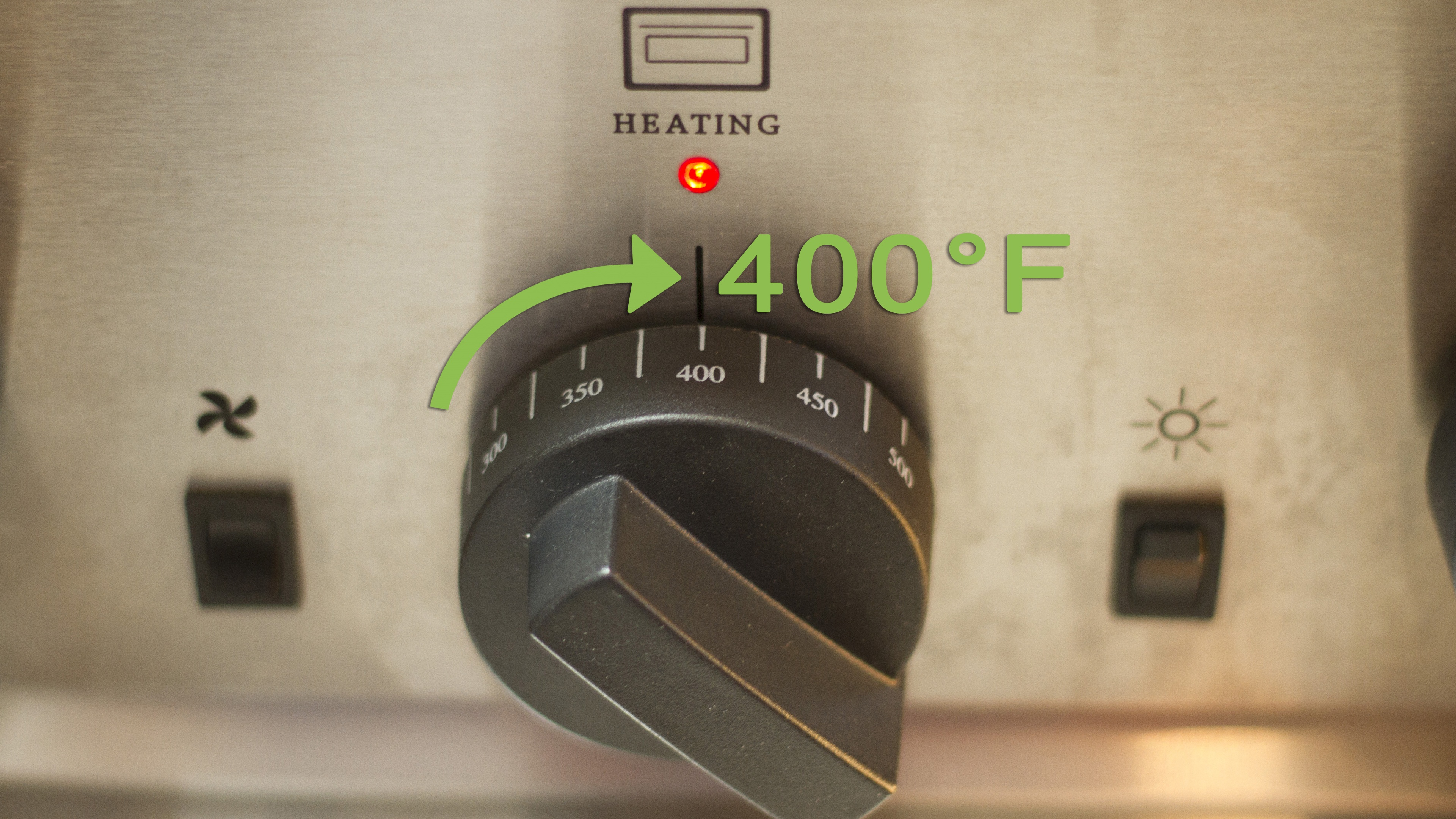
- Preheat your oven to 350°F to 400°F.
- Place the sausage on a baking sheet or in a shallow baking dish.
- For easier cleanup, line the pan with parchment or foil.
- If you want crisp edges, lightly brush the sausage with oil.
- Bake whole links for 12 to 20 minutes, depending on thickness.
- If the sausage is sliced into coins or chunks, check it earlier, usually around 10 to 15 minutes.
- Turn once halfway through for even browning.
The oven is especially good for kielbasa, smoked sausage ropes, and chicken sausages that you want to roast with vegetables. Toss chopped onions, bell peppers, zucchini, or baby potatoes with oil and seasoning, then scatter the sausage among them. The vegetables soak up the drippings, and suddenly your weeknight meal has main-character energy.
Best for: family dinners, meal prep, sheet-pan meals, and hands-off cooking.
How to Cook Pre-Cooked Sausage on the Stove
If the oven is the reliable minivan, the stovetop is the sports car. It is fast, easy, and gives you the best control over browning. This is the method to use when you want sausage with caramelized edges and a juicy center.
Stovetop Method for Whole Links
- Heat a skillet over medium or medium-high heat.
- Add a small amount of oil if the sausage is lean; skip it if the sausage is already fatty.
- Add the sausages and cook for 6 to 10 minutes, turning occasionally.
- When the outside is browned and the center is hot, they are ready.
Stovetop Method for Sliced Sausage
- Slice the sausage into rounds or half-moons.
- Add the slices to a hot skillet in a single layer.
- Cook for 4 to 6 minutes, stirring once or twice, until browned on both sides.
If your links are thick and start browning too fast, add a splash of water to the skillet and cover it for a minute or two. That helps heat the center without burning the casing. Then uncover and finish browning. This trick is especially useful for denser sausages and lets you avoid the classic “charred outside, lukewarm middle” disappointment.
Best for: crispy edges, breakfast hashes, pasta skillets, rice bowls, and quick lunches.
How to Cook Pre-Cooked Sausage in an Air Fryer
Air fryers and pre-cooked sausage get along suspiciously well. The hot circulating air gives you browned, slightly crisp skin without much oil or babysitting. If you love a quick dinner and own an air fryer, congratulations: you have accidentally become efficient.
Air Fryer Method
- Preheat the air fryer to 350°F if your model recommends preheating.
- Place the sausages in the basket in a single layer.
- Cook whole links for 7 to 10 minutes, flipping halfway through.
- For sliced sausage, cook for 5 to 7 minutes, shaking the basket once.
Do not overcrowd the basket. Air fryers need space to do their thing. If the basket is packed too tightly, the sausage steams instead of browns, and the texture goes from “excellent” to “slightly damp life choice.”
Best for: quick dinners, small batches, crisp skin, and reheating without a soggy finish.
How to Cook Pre-Cooked Sausage in the Microwave
The microwave is not the most glamorous method, but it wins the speed contest by a mile. It is perfect for breakfast links, lunch leftovers, or those evenings when you need food immediately and your patience is already in witness protection.
Microwave Method
- Place the sausage on a microwave-safe plate.
- Cover loosely with a paper towel to reduce splatter.
- Heat on high for 30 seconds to 1 minute for one or two small links.
- Add more time in short bursts for larger links or multiple sausages.
- Let the sausage stand for about 1 minute before eating so the heat finishes distributing.
The downside is texture. Microwaves heat fast, but they do not brown. The sausage may taste good, but it will not have that skillet or air-fryer snap. If you have an extra two minutes, microwave first, then sear briefly in a skillet. That combo is fast and surprisingly effective.
Best for: breakfast sausage links, single servings, and speed.
How to Grill Pre-Cooked Sausage
Grilling adds smoky flavor, grill marks, and the kind of backyard confidence that makes even a basic sausage feel celebratory. Use medium or medium-low heat so the casing does not split before the sausage is heated through.
Grill Method
- Preheat the grill to medium or medium-low.
- Place whole sausages on the grates.
- Cook for 8 to 12 minutes, turning frequently.
- Remove when browned and hot throughout.
Serve grilled pre-cooked sausage in buns with mustard and onions, or slice it and add it to grilled peppers and corn. If you are hosting, this is one of the easiest ways to feed a crowd without looking frazzled.
Best Ways to Serve Pre-Cooked Sausage
Once your sausage is hot and browned, you have options. Lots of delicious options.
- With eggs: Slice into breakfast tacos, scrambles, or breakfast bowls.
- With pasta: Brown sliced sausage with onions and garlic, then toss with marinara or a creamy sauce.
- With vegetables: Roast sausage with peppers, Brussels sprouts, cabbage, or potatoes.
- With rice: Stir into jambalaya-style rice, fried rice, or quick grain bowls.
- In sandwiches: Serve whole in hoagie rolls with peppers and onions.
- In soups: Add sliced sausage to bean soup, lentil soup, or a simple vegetable broth.
Pre-cooked sausage is at its best when paired with ingredients that either absorb flavor or bring freshness to the party. Think peppers, onions, cabbage, beans, greens, rice, potatoes, mustard, sauerkraut, herbs, or sharp cheese.
Common Mistakes to Avoid
Cooking it like raw sausage
You do not need a long, aggressive cook time. Too much heat dries out the sausage and toughens the casing.
Using heat that is too high
Blazing heat can split the casing and scorch the outside before the center warms up. Medium heat is usually your friend.
Skipping the turn
Whether you are using the oven, skillet, air fryer, or grill, turning halfway helps with even color and even heating.
Ignoring the package size
A breakfast link and a sausage rope are not the same creature. Adjust your timing based on thickness.
How to Store and Reheat Leftover Sausage
If you have leftovers, refrigerate them promptly and reheat only what you plan to eat. The best reheating methods are the skillet, microwave, air fryer, or oven. To avoid drying it out, use medium heat and do not keep reheating the same sausage over and over like it is trapped in a time loop.
For sliced leftover sausage, the skillet is usually best. It refreshes the browned edges and helps it taste like real food instead of leftovers with trust issues.
Real Kitchen Experiences: What Actually Works Best
After making pre-cooked sausage every way short of asking it to file taxes, here is what stands out in a real kitchen. The stovetop is the best all-around method when flavor is the priority. It creates color fast, it is easy to monitor, and sliced sausage in a skillet turns into dinner in almost no time. If I am making sausage with peppers and onions, or tossing it into pasta, rice, or scrambled eggs, this is the route I take most often. The pan picks up little browned bits, the sausage gets that appetizing edge, and the whole meal tastes more complete. It feels less like reheating and more like actual cooking.
The oven wins when the evening is hectic. There is something oddly calming about throwing sausage and vegetables onto one pan, seasoning everything, and letting the oven handle the rest. I have found that baby potatoes, onions, bell peppers, and pre-cooked sausage are a particularly reliable combination. Nothing fancy, but always good. The oven also helps when cooking for several people because you can make a large batch at once without standing at the stove flipping links like a short-order cook.
The air fryer is the surprise overachiever. It is especially good for chicken sausage, breakfast links, or any sausage where you want a lightly crisp exterior without dirtying a skillet. The result is more appealing than microwave sausage, but faster than the oven. That said, small baskets fill up quickly. If you are feeding more than two hungry people, the air fryer can turn into a tiny, judgmental traffic jam.
The microwave is the method I use when the goal is simply to eat now. It is excellent for breakfast before school or work, or for reheating a single sausage to slice into mac and cheese, ramen, or a grain bowl. But texture matters, and microwave-only sausage rarely delivers the same snap or caramelized flavor. When possible, I give it a quick skillet finish. Even one extra minute in a pan makes it taste much better.
One thing experience teaches fast is that slicing changes everything. Whole sausages stay juicier, but sliced sausages brown more, season a dish more effectively, and stretch further in a meal. If you are feeding a family or trying to make sausage part of a full dinner rather than the star of the plate, slicing is the smarter move. A single rope of kielbasa can suddenly flavor a whole skillet of potatoes, cabbage, or pasta without anyone feeling shortchanged.
Another lesson: pre-cooked sausage loves strong supporting players. Mustard, sauerkraut, peppers, onions, garlic, cabbage, beans, and roasted vegetables all make it taste better. So do acidic ingredients like tomatoes or a squeeze of lemon. Sausage is rich and savory, so balancing it with something bright or fresh keeps the meal from feeling too heavy.
In other words, cooking pre-cooked sausage well is not complicated. It is about using the right heat, picking the right method, and giving it just enough attention to taste intentional. A humble package of sausage can become a pretty great meal when you treat it like an ingredient instead of an afterthought.
Conclusion
If you have been wondering how to cook pre-cooked sausage, the answer depends on what kind of meal you want. For the best browning, use the stovetop. For easy cleanup and bigger batches, choose the oven. For speed and crisp edges, the air fryer is a star. For pure convenience, the microwave gets the job done. And for smoky flavor, the grill is hard to beat.
No matter which method you choose, the formula stays the same: heat it through, brown it when possible, and pair it with ingredients that make it shine. Pre-cooked sausage may be convenient, but convenient does not have to mean boring. In fact, with the right method, it can taste like the easiest win of the week.