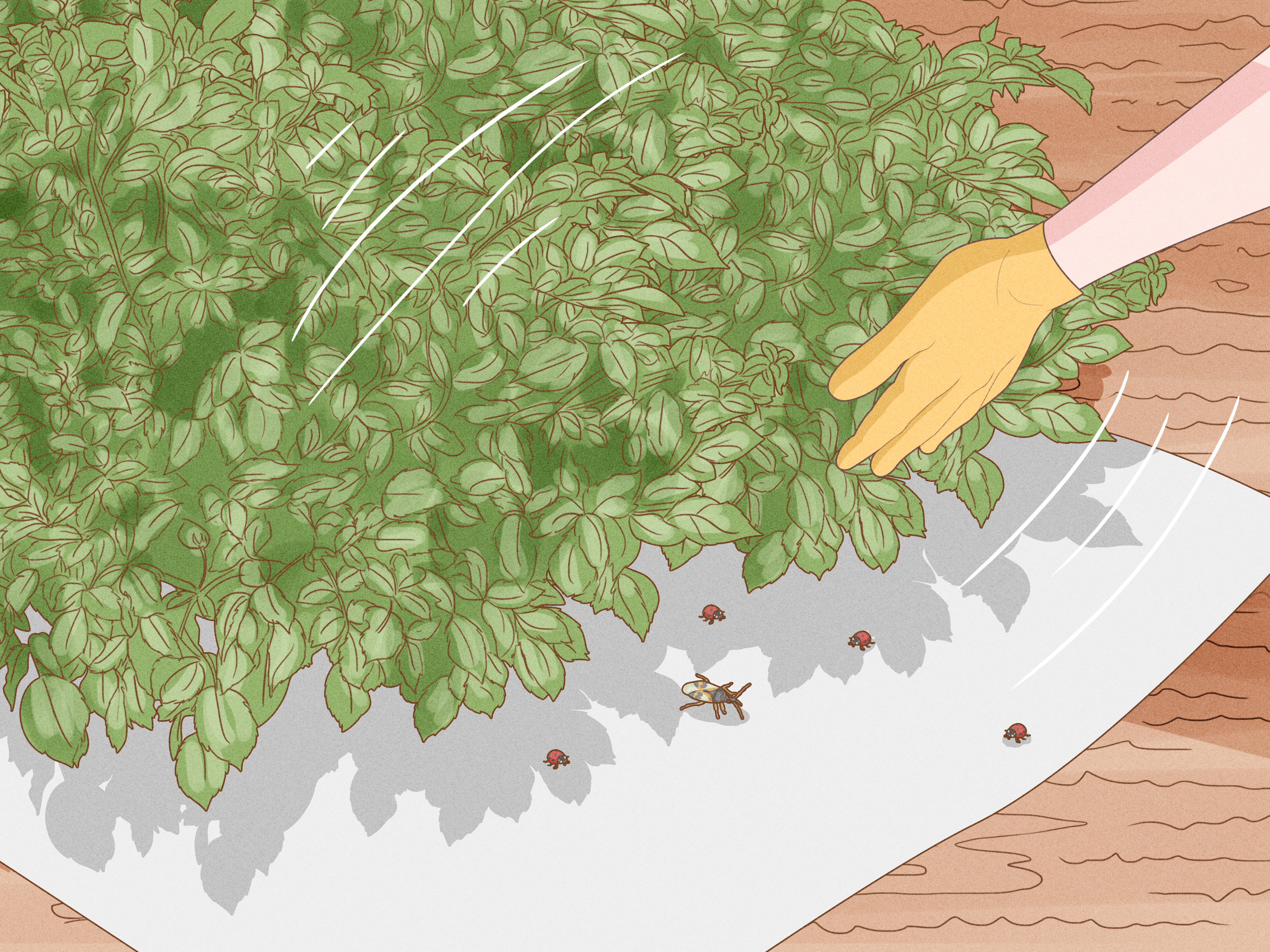

Small bugs have a special talent for appearing exactly where they are least welcome: on the kitchen counter, beside your houseplants, under the bathroom light, or marching across the windowsill like they have a tiny parade permit. The good news is that catching small bugs does not require dramatic music, a hazmat suit, or a heroic leap across the room. With the right tools, a calm approach, and a little insect detective work, you can capture small insects safely, identify what you are dealing with, and decide whether to release them outdoors or address a bigger pest problem.
This guide explains how to catch small bugs in 12 practical steps using simple household items, safe pest-control habits, and science-backed integrated pest management principles. Whether you are catching ants, fruit flies, gnats, pantry pests, tiny beetles, houseplant insects, or mystery specks with legs, the goal is the same: capture first, panic never.
Before You Start: Safety Comes First
Most tiny household insects are harmless nuisances, but not every crawling creature should be handled. Avoid direct contact with unknown bugs, biting insects, stinging insects, ticks, spiders, or anything that makes you say, “That looks like it has opinions.” Use a cup, jar, paper, gloves, tweezers, or sticky trap instead of bare hands. If you suspect bed bugs, cockroaches, termites, fleas, or a serious infestation, catching one specimen can help with identification, but long-term control usually requires cleaning, exclusion, monitoring, and sometimes professional help.
How to Catch Small Bugs: 12 Steps
Step 1: Identify Where the Bugs Are Coming From
Before you grab the nearest cup and begin your career as a bug rodeo champion, observe the area. Are the insects near fruit, drains, windows, houseplants, pet food, pantry shelves, damp towels, or cracks around doors? Location gives you clues. Fruit flies often gather around ripe or rotting produce. Fungus gnats hover near moist potting soil. Pantry moths and beetles may appear near flour, cereal, rice, pasta, spices, or pet food. Tiny moisture-loving insects may show up in sinks, tubs, or basements.
Do not skip this step. Catching one bug is useful; understanding why it arrived is even better. Bugs are not randomly booking vacations in your home. They are usually looking for food, water, shelter, warmth, or a place to reproduce.
Step 2: Gather Simple Bug-Catching Tools
You do not need fancy equipment to catch small bugs. A clear glass or plastic cup, a jar with a lid, index cards, stiff paper, masking tape, tweezers, a flashlight, a magnifying glass, disposable gloves, resealable plastic bags, and a notebook are enough for most household situations. For flying insects, you may also want apple cider vinegar, dish soap, plastic wrap, and a rubber band. For houseplants, yellow sticky cards can be helpful for monitoring fungus gnats, whiteflies, and other tiny flying pests.
A clear container is especially useful because it lets you look at the bug without opening the lid every three seconds like a nervous magician. If you plan to release the insect, poke very small air holes in the lid or keep the capture period short.
Step 3: Use the Cup-and-Card Method for Crawling Bugs
The cup-and-card method is the classic, low-drama way to catch small bugs indoors. Place a clear cup or jar gently over the insect. Slide a piece of stiff paper, cardboard, or an index card under the cup. Keep the card pressed firmly against the rim, then lift the whole setup. Congratulations: you have built a tiny, temporary bug elevator.
This method works well for small beetles, ants, stink bugs, boxelder bugs, lady beetles, weevils, moths resting on walls, and other slow-moving insects. Move carefully so you do not crush the bug or let it escape. If the insect is harmless and you do not have an infestation, release it outside away from doors and windows.
Step 4: Catch Tiny Bugs with TapeBut Use It Wisely
For very small insects that are hard to scoop up, a small piece of clear tape can help collect a specimen for identification. Lightly touch the sticky side to the bug, then press the tape onto a white index card or inside a plastic bag. This is useful when the insect is already dead, barely moving, or too tiny to capture in a cup.
However, tape is not ideal if you want to release the bug alive. It can damage delicate insects, wings, legs, and antennae. Use this method mainly when identification matters more than release, such as when you are trying to determine whether you have pantry pests, carpet beetles, or another household insect.
Step 5: Make a Vinegar Trap for Fruit Flies
Fruit flies are tiny, fast, and disrespectful. They can appear around bananas, tomatoes, compost containers, recycling bins, drains, and sticky spills. To catch them, pour apple cider vinegar into a small glass or jar, add one or two drops of dish soap, cover the top with plastic wrap, secure it with a rubber band, and poke small holes in the plastic wrap with a toothpick.
The vinegar attracts the flies because it smells like fermenting fruit. The dish soap reduces surface tension so flies that land on the liquid sink instead of standing on it like tiny pool float champions. Place the trap near the activity area and refresh it every day or two. Also remove the source: overripe produce, wet trash, dirty drains, or forgotten fruit hiding behind the toaster.
Step 6: Use Yellow Sticky Cards for Houseplant Bugs
If little flies rise from your houseplants when you water them, you may be dealing with fungus gnats. Yellow sticky cards placed near the soil surface can catch adult gnats and help you monitor the problem. Sticky cards can also trap whiteflies and other small flying insects around indoor plants.
Sticky traps are best used as a monitoring tool, not the entire solution. For fungus gnats, let the top layer of soil dry between waterings when the plant allows it, remove decaying leaves, avoid constantly soggy soil, and consider repotting if the potting mix is old and decomposing. A sticky card may catch the adults, but better watering habits interrupt the bug buffet.
Step 7: Catch Bugs at Night with a Flashlight
Many small bugs are more active at night. If you only see signs of insects but rarely spot the insects themselves, inspect after dark. Use a flashlight along baseboards, under sinks, behind appliances, near pet bowls, inside pantry corners, and around windows. Move slowly. Sudden light may send insects running, but it also reveals their hiding places.
Keep a jar, card, and gloves nearby. If you find a small crawling insect, use the cup-and-card method. If it is extremely tiny, use tape or a small brush to move it into a container. Make notes about where you found it, the time, and what conditions were nearby. Bug control is much easier when you know the scene of the crime.
Step 8: Vacuum Large Numbers of Harmless Invaders
When small bugs appear in groupssuch as boxelder bugs, lady beetles, or pantry pestsa vacuum can be a practical capture tool. Use a hose attachment to collect insects from windowsills, corners, or shelves. Empty the vacuum canister outside or seal the vacuum bag in a plastic bag before disposal.
Do not crush odor-producing bugs like stink bugs or boxelder bugs unless you enjoy turning your living room into a fragrance experiment gone wrong. Vacuuming is cleaner and faster. For pantry pests, vacuum cracks and shelf corners after discarding infested food, then wipe shelves before replacing items in sealed containers.
Step 9: Catch Pantry Bugs by Inspecting Food Packages
Small beetles, moth larvae, and weevils often come from stored food. Check flour, rice, cereal, oats, pasta, nuts, chocolate, spices, dry pet food, birdseed, and old baking mixes. Look for webbing, larvae, tiny holes in packaging, clumped grains, shed skins, or adult insects crawling away from shelves.
To catch a specimen, place the insect in a small jar or resealable bag. Then focus on cleanup. Throw away heavily infested products, vacuum shelves, clean corners, and store dry goods in airtight glass, metal, or thick plastic containers. Catching one pantry bug is helpful, but removing contaminated food is what stops the sequel.
Step 10: Use Tweezers for Ticks and Other Special Cases
Ticks are not insects; they are arachnids. Still, many people call them bugs, and they require special handling. If a tick is attached to skin, use clean, fine-tipped tweezers to grasp it as close to the skin as possible. Pull upward with steady, even pressure. Do not twist, crush, burn, paint with nail polish, or try weird internet rituals that sound like they were invented by a raccoon.
After removing a tick, clean the bite area and your hands with soap and water or rubbing alcohol. Save the tick in a sealed bag or container if identification may be needed. Seek medical advice if symptoms such as rash, fever, fatigue, headache, or muscle aches appear after a tick bite.
Step 11: Release Harmless Bugs Outdoors the Right Way
If the bug is harmless and you caught it alive, release it outdoors away from entry points. Do not release it directly beside the door unless you want to host a dramatic reunion in five minutes. Choose a sheltered area with plants, leaf litter, or soil. For flying insects, open the container gently and step back.
However, do not release invasive pests, pantry pests, bed bugs, fleas, or insects that are clearly part of an indoor infestation. In those cases, proper disposal and control are more appropriate. When in doubt, identify the insect first through a local extension service, pest professional, or reliable identification guide.
Step 12: Prevent New Bugs from Moving In
The best bug-catching strategy is needing to catch fewer bugs tomorrow. Seal gaps around windows, doors, pipes, vents, and utility lines. Repair damaged screens. Store food in airtight containers. Take out trash regularly. Clean crumbs, spills, and grease. Reduce excess moisture by fixing leaks, drying sinks, and improving ventilation. Avoid overwatering houseplants. Keep outdoor lights off when not needed or use bulbs less attractive to insects.
This prevention-first approach follows the logic of integrated pest management: identify the pest, understand why it is present, use low-risk control methods first, and reserve stronger treatments for situations that truly need them. In plain English: do not spray first and ask questions later. That is how you turn a tiny bug problem into a tiny bug problem plus a chemical smell.
Common Small Bugs and the Best Way to Catch Them
Fruit Flies
Use an apple cider vinegar trap with dish soap and plastic wrap. Remove overripe produce, rinse recycling, clean drains, and empty compost containers often.
Fungus Gnats
Use yellow sticky cards near houseplants. Let soil dry appropriately, remove dead leaves, and avoid overwatering.
Ants
Use a cup, tape, or observation to track their trail. Clean food residue and seal entry points. Avoid wiping trails without also removing the food source.
Pantry Beetles and Weevils
Capture a sample in a bag or jar, inspect dry foods, discard infested items, vacuum shelves, and store replacements in sealed containers.
Moths
Catch resting moths with the cup-and-card method. Pantry moths require food inspection, while clothes moths require cleaning wool, silk, feathers, and stored fabrics.
Spiders
Use the cup-and-card method and release outdoors if safe. Most household spiders help reduce insects, so they are not always the villains. Sometimes they are unpaid pest-control interns.
When Catching Bugs Is Not Enough
Catching small bugs is useful for identification and quick removal, but it is not always a full pest-control plan. Call a professional or contact a local extension office if you suspect termites, bed bugs, cockroaches, large flea infestations, repeated pantry infestations, biting pests, or insects that keep returning despite cleaning and sealing. You should also get help if someone in the home has allergies, asthma, immune concerns, or severe reactions to bites or stings.
A single tiny insect may be a random visitor. A steady stream of tiny insects is a message. Listen to the message before the bugs start charging rent.
Practical Experience: What Catching Small Bugs Teaches You
The first lesson of catching small bugs is humility. You may be larger, stronger, and in possession of a mortgage or lease, but a fruit fly can still make you look ridiculous. Anyone who has clapped at empty air in the kitchen knows the feeling. The smarter approach is patience. Small bugs are fast because they are built for survival, not because they have personally chosen to insult you.
One of the most useful experiences is learning to slow down and observe. For example, when tiny flies appear around the kitchen, many people immediately assume they are coming from fruit. Sometimes they are. Other times the real source is a sticky recycling bin, a damp mop, a garbage disposal, a floor drain, or one tragic potato forgotten in a dark cabinet. Catching a few flies in a vinegar trap helps, but finding the breeding source is the real victory. The trap is the clue board; the source is the culprit wearing a tiny mustache.
Houseplants offer another common lesson. A person may see small flies and think the plant is “infested beyond hope.” In many cases, the issue is fungus gnats thriving in constantly damp soil. Sticky cards catch adults, but the bigger fix is adjusting watering habits. Letting the soil surface dry, improving drainage, and removing decaying plant matter often makes a dramatic difference. The experience teaches a simple rule: bugs often tell you something about the environment. Too wet, too dirty, too open, too much food, too many hiding placesbugs are tiny inspectors with wings.
Pantry bugs teach a different lesson: check before you blame the house. Many pantry pests arrive inside groceries, pet food, birdseed, or bulk grains. You may keep a clean kitchen and still find weevils in rice or beetles in flour. The best response is not embarrassment; it is inspection. Place suspicious food in sealed bags before disposal, vacuum shelves, wipe surfaces, and upgrade storage containers. Once you start using airtight containers, you may wonder why cereal boxes were ever trusted with such responsibility.
The cup-and-card method also teaches confidence. At first, catching a beetle or moth under a cup may feel like defusing a bomb, especially if the bug suddenly moves. After a few tries, the process becomes easy. Place the cup gently, slide the card slowly, lift carefully, and release or identify. This method is especially helpful for families because it allows children to learn curiosity without unnecessary fear. Instead of screaming, everyone can gather around the jar and say, “What is this little weirdo?” That question is the beginning of science.
Another experience worth remembering is that not all bugs are enemies. Lady beetles, spiders, lacewings, ground beetles, and many outdoor insects play beneficial roles. Some pollinate, some decompose organic matter, and some eat pests. Catching a bug gives you a moment to decide whether it needs removal, release, monitoring, or appreciation from a respectful distance. The more you identify small bugs, the less every insect looks like an emergency.
Finally, catching small bugs teaches prevention. After you have chased ants across a counter, cleaned pantry shelves at midnight, or built three fruit fly traps before breakfast, sealing cracks and cleaning crumbs starts to feel less like a chore and more like wisdom. The best bug catcher is not the person with the fastest reflexes. It is the person who removes the invitation.
Conclusion
Learning how to catch small bugs is part pest control, part observation, and part staying calm when something with six legs makes an unexpected appearance. The safest methods are simple: use a cup and card for crawling insects, vinegar traps for fruit flies, sticky cards for houseplant gnats, careful inspection for pantry pests, and tweezers for ticks. More importantly, look for the conditions attracting bugs in the first place. Food, water, warmth, cracks, clutter, and moisture are the real welcome mats.
With a few tools and a little patience, you can catch small bugs without turning your home into a battlefield. Identify the insect, choose the least risky method, clean up the source, and prevent new visitors. That way, the next time a tiny bug appears on your wall, you can handle it like a calm, reasonable adultpossibly one holding a jar and whispering, “Gotcha.”
Note: This article is written for general household bug-catching and prevention. Avoid handling unknown, biting, stinging, or disease-carrying pests directly, and contact a qualified pest professional or local extension service for serious or recurring infestations.