
There are two kinds of people online: the ones who open a drawing tool and carefully sketch a cat, and the ones who open Silk, drag one glowing line across the screen, and accidentally create a cosmic jellyfish wearing a royal cape. This is not a bug. This is art behaving dramatically.
If you have ever seen a “Hey Pandas” community prompt asking what the coolest thing you can draw in Silk is, you already know the magic of the question. It is casual, playful, and slightly dangerous to your schedule. You think you will spend five minutes making a pretty swirl. Forty minutes later, you are naming your neon butterfly “Lord Fluffington of the Electric Galaxy.”
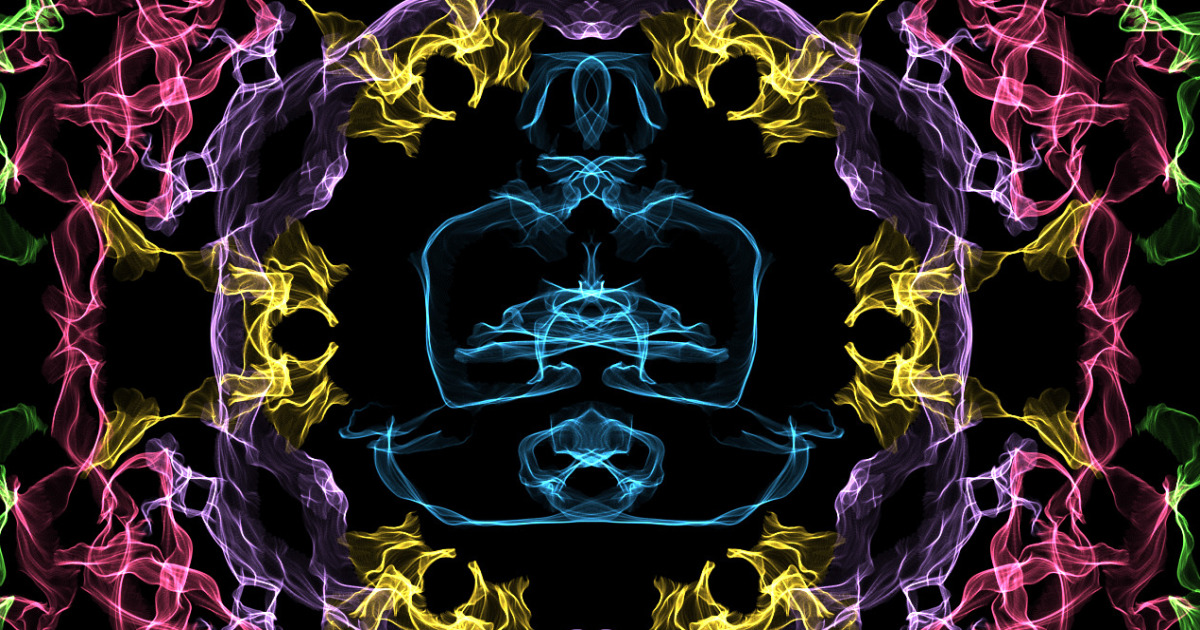
Silk, often known through the interactive generative art tool WeaveSilk, is a browser-based drawing experience that lets users create flowing, symmetrical, glowing designs with simple mouse or touch gestures. Instead of requiring perfect line control, it mirrors and multiplies your strokes, turning tiny movements into radiant patterns. The result can look like lace, fire, flowers, nebulae, feathers, mandalas, coral reefs, dragons, or something your brain insists is a portal but your browser insists is “just pixels.”
So, what is the coolest thing you can draw in Silk? The honest answer is: anything that benefits from movement, symmetry, glow, and imagination. But some ideas rise above the rest. Let’s explore the most impressive Silk drawing ideas, how to make them work, and why this simple digital art tool is so addictive for artists, students, hobbyists, and bored pandas everywhere.
What Is Silk Drawing?
Silk drawing is a form of interactive generative art. In simple terms, you draw a line, and the tool responds by creating mirrored, flowing, algorithm-assisted strokes. It feels like drawing with light, smoke, thread, and lightning at the same time. Unlike traditional digital painting software, Silk does not ask you to manage dozens of layers, brushes, masks, and menus. It gives you a small set of controls, then lets motion and symmetry do the heavy lifting.
This is why Silk appeals to so many people. Beginners can make something beautiful almost immediately, while experienced artists can use the tool to experiment with composition, balance, color harmony, and abstract design. It lowers the fear of the blank page. A blank page says, “Prove yourself.” Silk says, “Move your hand and let’s see what weird glowing creature appears.” Much friendlier.
Why Silk Makes Simple Drawings Look Cool
The secret behind Silk’s visual punch is symmetry. Symmetry has been used in art, architecture, nature studies, religious design, textile patterns, and geometry lessons for centuries. Human eyes tend to enjoy balanced forms because they feel organized and memorable. Flowers, snowflakes, butterflies, shells, and many leaves all use patterns that repeat, rotate, or mirror themselves.
Silk taps into that natural attraction. A single curved line can become a wing. A quick spiral can become a galaxy. A few layered strokes can become a glowing flower with a suspiciously expensive personality. Because the tool duplicates and reflects your movements, your drawing can feel more complex than the effort you put in. It is not cheating; it is collaboration with math. Math finally decided to be pretty.
The Coolest Things You Can Draw In Silk
The best Silk drawings usually share one quality: they look alive. Because the lines flow and fade like luminous threads, subjects with motion, texture, or organic shapes work especially well. Here are some of the coolest ideas to try.
1. A Galaxy Portal
A galaxy portal is one of the most satisfying Silk drawings because the tool naturally creates swirling motion. Start with a dark background, choose blues, purples, pinks, or whites, and draw loose circular strokes from the center outward. The symmetry will multiply the curves into a vortex-like shape.
To make it cooler, leave a dark center so the image looks like a glowing doorway into space. Add shorter strokes around the edges for sparks or star trails. The final piece can look like a cosmic tunnel, a magical spell, or the entrance to a universe where homework does itself. We can dream.
2. A Neon Butterfly
Butterflies are perfect for Silk because they already rely on bilateral symmetry. Draw one side of a wing, and the mirrored effect helps complete the other side. Use long, curved strokes for the upper wings and smaller loops for the lower wings. Bright colors such as cyan, violet, gold, and green can make the butterfly look electric.
The trick is to keep the body simple. A thin vertical line in the center can act as the butterfly’s body, while the wings carry the drama. Too many strokes in the middle can make your butterfly look like it flew through a laser printer during a thunderstorm. Interesting, yes. Butterfly, questionable.
3. A Fire Dragon
Drawing a dragon in Silk is more challenging, but it can be spectacular. Instead of trying to create a realistic dragon, aim for the feeling of one. Use sweeping S-shaped strokes to suggest the body, sharp angled lines for wings, and red, orange, and yellow tones for fire. If the symmetry setting creates multiple dragon-like shapes, embrace it. Congratulations, you have accidentally founded a dragon council.
Silk is strongest when you let it imply details rather than define every scale and claw. A glowing dragon silhouette can be more powerful than a crowded drawing. Focus on energy, movement, and contrast.
4. A Glowing Flower Mandala
Flower mandalas may be the unofficial national anthem of Silk art. They are easy to begin and hard to stop. Draw petal shapes around the center, then layer smaller petals inside. Try changing colors between layers to create depth. A center made of tight circular strokes can act like the flower’s core.
This type of Silk drawing works well because radial symmetry turns repeated gestures into a polished design. It can look like a lotus, a chrysanthemum, a stained-glass window, or the kind of flower a fairy queen would use as a Wi-Fi router.
5. An Underwater Jellyfish
Jellyfish are natural Silk celebrities. Their soft bells, trailing tentacles, and glowing transparency match the tool’s flowing lines beautifully. Start with a dome shape at the top, then drag downward in long, loose strands. Use pale blues, pinks, whites, and purples for an underwater glow.
The best part is that Silk’s fading line effect can make tentacles look delicate without much effort. Add several jellyfish in different sizes, and the whole image becomes a dreamy ocean scene. Bonus: no real jellyfish stings, which is a major improvement over nature.
6. A Phoenix Rising
A phoenix is another excellent subject because it combines wings, fire, and motion. Begin with a central upward stroke for the body. Add sweeping wings on either side, then use flame-like strokes underneath to suggest rebirth. Warm colors work well: red, amber, yellow, and white.
Silk’s symmetry can make the phoenix feel majestic, almost like an emblem. This drawing idea is especially good for people who enjoy symbolic art. The phoenix can represent recovery, creativity, personal growth, or simply the feeling of coming back after your tablet battery died at 2 percent.
7. A Crystal Snowflake
Snowflakes are all about structure, repetition, and delicate geometry, which makes them ideal for Silk. Use cool colors like white, icy blue, and pale violet. Draw from the center outward with straight or slightly curved strokes. Small branching lines can create a crystalline effect.
This is a great project for beginners because mistakes often look intentional. A wobbly branch becomes “organic winter elegance.” A strange extra line becomes “frost personality.” Art is generous like that.
8. A Cosmic Tree
A cosmic tree can combine nature and fantasy in one image. Draw a glowing trunk from the bottom center, then branch upward with curved strokes. Use green, gold, blue, or violet for the canopy. If you add small circular motions around the branches, the tree can look like it is holding stars instead of leaves.
This idea works especially well when you want a Silk drawing that feels meaningful. Trees represent growth, memory, connection, and life. In Silk, they can also look like magical nervous systems, which sounds strange until you see it and say, “Actually, yes.”
How To Make Your Silk Drawing Look Better
Silk is beginner-friendly, but a few smart habits can make your art look more polished. First, avoid overworking the center. Because many strokes overlap there, the middle can quickly become too bright or messy. Give your design breathing room.
Second, use color with intention. Random color changes can be fun, but choosing a palette creates a stronger image. For a galaxy, use blues, purples, and whites. For fire, use red, orange, yellow, and gold. For ocean art, use cyan, teal, lavender, and soft pink. A limited palette often looks more professional than every color fighting for the microphone.
Third, vary your stroke length. Long strokes create movement. Short strokes create texture. Circular strokes create centers, blooms, and glowing clusters. Mixing these gestures gives the drawing more visual rhythm.
Finally, stop before the drawing becomes too crowded. This is difficult because Silk is extremely tempting. It whispers, “Just one more line.” That line becomes twelve. Suddenly your elegant butterfly has become a haunted chandelier. Take breaks and look at the whole image before adding more.
Why People Love Sharing Silk Art Online
Community prompts like “Hey Pandas, what is the coolest thing you can draw in Silk?” work because they invite everyone to participate. You do not need a studio, a degree, expensive software, or a mysterious artist scarf. You only need curiosity.
Silk art is also highly shareable because every image feels personal. Two people can use the same colors and still produce completely different results. A tiny change in hand movement can turn a flower into a sea creature or a galaxy into a dragon wing. That unpredictability makes the process fun to watch and the results fun to compare.
In online communities, these prompts also create a friendly kind of creativity. People are not always trying to make “perfect” art. They are trying to make something cool, strange, beautiful, funny, or surprising. That lowers pressure and encourages experimentation. Sometimes the best comment on a drawing is not “technically impressive,” but “I have no idea what this is, but I want it on a T-shirt.”
Is Silk Good For Beginners?
Yes, Silk is excellent for beginners because it rewards exploration. Many drawing tools require practice before the result feels satisfying. Silk gives users instant visual feedback. That can be encouraging for kids, students, casual creators, and adults who still claim they “can only draw stick figures.” In Silk, even a stick figure might turn into a glowing alien ballet.
It can also help users understand visual ideas such as symmetry, movement, composition, contrast, and color blending. Art teachers and creative hobbyists often like tools like Silk because they make abstract concepts visible. Instead of explaining rotational symmetry with a dry diagram, you can let someone draw a line and watch the pattern unfold immediately.
Creative Challenge: What Should You Draw First?
If you are new to Silk, try this simple challenge. Create three drawings using the same color palette but different themes: one galaxy portal, one butterfly, and one flower mandala. This teaches you how the same visual ingredients can produce different moods.
Then try the opposite. Keep the same subject, such as a jellyfish, but change the color palette three times. Make one icy, one fiery, and one rainbow. You will quickly see how color changes the emotional tone of a drawing. The icy jellyfish may look peaceful. The fiery jellyfish may look like it has unpaid parking tickets and a revenge plan.
Common Mistakes To Avoid In Silk Drawing
The first common mistake is drawing too fast. Quick movements can create exciting effects, but slower strokes often produce smoother, more controlled forms. Try moving your cursor or finger as if you are pulling thread through water.
The second mistake is ignoring negative space. The dark areas around your glowing lines are part of the image. They create contrast and help the design stand out. If every part of the canvas is filled, the viewer has nowhere to rest their eyes.
The third mistake is trying to force realism. Silk is not the best tool for drawing a perfectly accurate sneaker, a detailed city map, or your math teacher’s disappointed expression. It shines when used for abstract, fantasy, natural, and symmetrical subjects.
Of Personal-Style Experience: Drawing Cool Things In Silk
The most memorable Silk drawing experience usually begins with absolutely no plan. That is part of the charm. You open the tool thinking, “I’ll just test a few colors,” and within minutes you are emotionally invested in a glowing shape that looks like a peacock made of electricity. Silk has a way of turning small gestures into dramatic reveals, and that makes the creative process feel playful instead of intimidating.
One of the coolest experiences is drawing a butterfly because the result appears almost magically. You start with one curved wing, and the mirrored lines instantly give you balance. Add another layer of smaller curves, and suddenly the butterfly has depth. Add a bright center line, and it looks ready to fly out of the screen and judge your room decor. The best part is that you do not need perfect hand control. The symmetry helps carry the design, so the focus shifts from “Am I good enough?” to “What happens if I try this?”
Another satisfying experience is making a galaxy portal. This is the kind of drawing where mistakes become features. A crooked spiral can look like cosmic motion. A bright accidental streak can become a shooting star. Too much purple? No such thing in space art. The process feels relaxing because you are not chasing a strict outline. You are building atmosphere. You are creating a mood. You are basically telling the universe, “Hold still, I’m decorating you.”
Drawing a jellyfish in Silk feels completely different. It is slower, softer, and more graceful. Long downward strokes become tentacles, and pale colors create a watery glow. This type of drawing teaches patience. If you rush, the lines can become tangled. If you move gently, the image looks airy and alive. It is a good reminder that digital art does not have to be loud to be impressive.
The funniest Silk moments happen when the drawing refuses to become what you planned. You may begin with a flower and end up with a spaceship. You may attempt a dragon and create what appears to be an angry decorative salad. Instead of deleting it immediately, it is worth pausing and asking, “What could this become?” That mindset is one of the best lessons Silk offers. Creativity is not always about controlling every detail. Sometimes it is about recognizing a surprise and giving it a better name.
For online sharing, the coolest Silk drawings are often the ones with a clear theme and a little mystery. A glowing tree, a phoenix, a crystal snowflake, or a neon moth can catch attention because viewers understand the shape but still have room to imagine. That balance makes Silk art perfect for community prompts. Everyone brings a different eye, a different hand movement, and a different sense of humor. The results feel personal, even when the tool is simple.
In the end, the coolest thing you can draw in Silk is not just the most detailed image. It is the drawing that makes someone stop scrolling and say, “Wait, how did you make that?” It might be a galaxy, a butterfly, a jellyfish, a dragon, or a glowing abstract blob with main-character energy. If it looks alive, feels imaginative, and makes you want to create another one, congratulations. You have successfully woven wonder out of light.
Conclusion
Silk drawing is cool because it combines simplicity with surprise. It lets beginners create beautiful digital art quickly while giving experienced creators room to experiment with symmetry, color, motion, and abstract design. The best things to draw in Silk are subjects that glow, flow, mirror, or transform: galaxy portals, neon butterflies, fire dragons, flower mandalas, jellyfish, phoenixes, snowflakes, and cosmic trees.
For a “Hey Pandas” style community prompt, the winning answer is not only about technical skill. It is about imagination. Silk rewards playful artists who are willing to explore, make mistakes, rename those mistakes, and keep drawing. Whether your final image looks like a celestial flower or a confused squid from another dimension, the process is part of the fun.
Note: This article synthesizes real information about Silk-style interactive generative art, digital drawing, symmetry, online creative communities, and beginner-friendly art education. Source links are omitted as requested for clean web publishing.