
Every year, the European Product Design Award shines a spotlight on objects that do more than sit politely on a shelf and wait to be admired. These products solve problems, challenge habits, improve daily routines, and occasionally make us ask, “Why did nobody think of that before?” The 2023 European Product Design Award winners offered a lively mix of furniture, consumer electronics, sustainable housing, mobility concepts, inclusive design, jewelry, lighting, and home products.
What makes this collection especially interesting is its range. One moment you are looking at a wheelchair-friendly pushchair designed with real-world parenting in mind; the next, you are staring at a futuristic electric luxury vehicle that looks like it rolled out of a design studio after three espressos and a very confident sketch session. That contrast is exactly why product design matters. Good design is not limited to luxury, technology, or minimal white chairs that look afraid of fingerprints. It lives wherever form, function, material, and human need meet.
The 2023 winners prove that great product design is no longer just about beauty. It is about adaptability, sustainability, accessibility, emotional connection, and smarter use of resources. A sofa can become a bed. A baby potty can become a flowerpot. A table can hang on a wall. A house can generate more energy than it consumes. In short, design is becoming less about “look at me” and more about “let me help.”
What Is the European Product Design Award?
The European Product Design Award, often shortened to EPDA, recognizes outstanding product and industrial design from around the world. Its mission is to celebrate practical, innovative, and thoughtfully designed products that improve everyday life. Unlike awards that focus only on visual polish, EPDA highlights design that considers usability, material choices, sustainability, technical performance, and social impact.
For designers, winning an EPDA honor can create global exposure. For consumers, the award offers a useful window into where product design is heading. The 2023 winners suggest a clear direction: products are expected to work harder, waste less, include more people, and still look good enough to make your coffee table jealous.
20 Standout Products From the 2023 European Product Design Award
The following 20 products represent a cross-section of the 2023 European Product Design Award winners and featured designs. Some are finished consumer products, some are concepts, and others are design-led solutions aimed at industry, architecture, health, or lifestyle. Together, they show how broad the definition of “product” has become.
1. Bonbon by Saloni Furniture
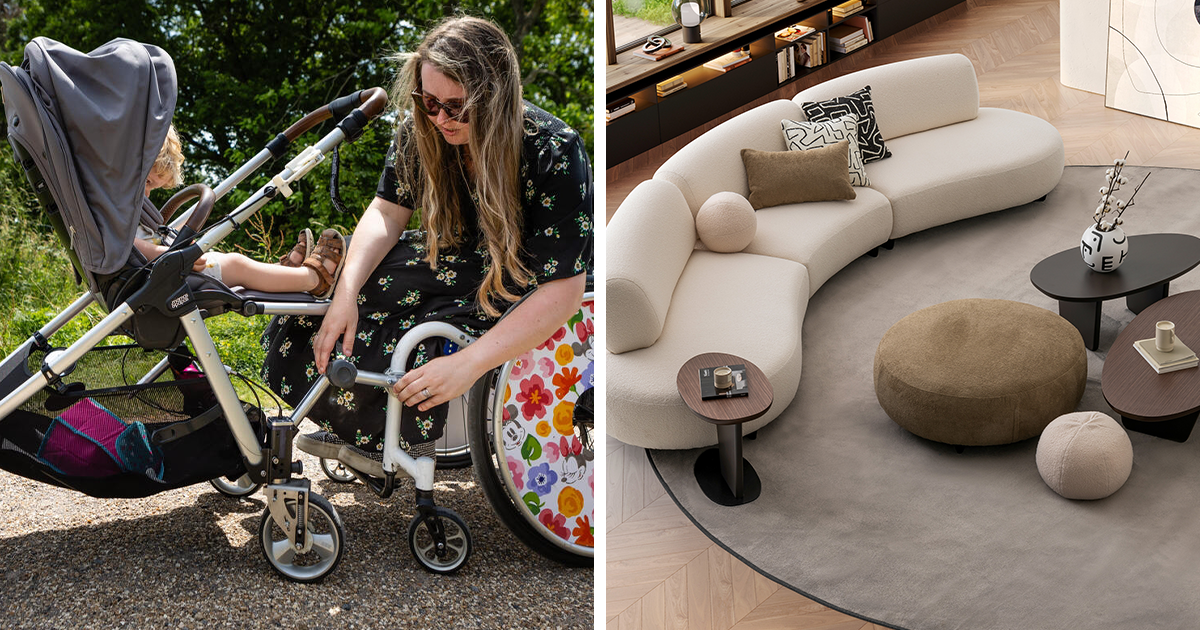
Bonbon is a modular sofa designed for compact modern living. Its key strength is flexibility: it can function as a sofa, adapt to different room layouts, and convert into a bed when needed. That makes it especially relevant for apartments, guest rooms, studios, and homes where every square foot has to earn its rent.
The design speaks to a major trend in home furniture: multifunctionality. People want products that do not panic when life changes. Bonbon answers that need with a structure that balances comfort, durability, and adaptability. It is furniture with a backup plan.
2. Light Composition Vargov Design – LC0339 by Vargov Design
This pendant lighting design turns illumination into sculpture. Rather than treating a lamp as a bulb with a fancy hat, Vargov Design approaches lighting as an architectural object. The result is a piece that shapes atmosphere as much as it provides brightness.
Lighting has become a crucial part of emotional interior design. People do not simply want rooms to be visible; they want them to feel calm, dramatic, warm, focused, or cinematic. LC0339 reflects that shift by blending craft, form, and mood.
3. Magical Mushroom Necklace by Shiri Hershkovitz Bartur
The Magical Mushroom Necklace brings ecological storytelling into jewelry. Inspired by mushrooms and their role in natural ecosystems, the piece uses glow-in-the-dark qualities to create an object that feels both decorative and symbolic.
Jewelry often works best when it carries meaning beyond ornament. This necklace turns a small wearable object into a conversation about nature, hidden networks, and environmental awareness. It is not just jewelry; it is a tiny glowing reminder that fungi may be doing more useful work than most office meetings.
4. Accessible Pushchair by Designability
The Accessible Pushchair is one of the most socially meaningful designs in the 2023 group. Created for manual wheelchair users, it addresses a real gap in parenting products. Instead of forcing disabled parents or carers to adapt to standard pushchairs, the design rethinks the product around their needs.
Inclusive design is powerful because it improves dignity as well as function. A pushchair is not just a mobility product; it is part of family life, independence, and daily confidence. By designing with disabled parents in mind, this product shows how accessibility can produce better design for everyone.
5. Wunderhaus by Wunderhaus Ltd
Wunderhaus is a sustainable housing concept designed to be energy-positive and carbon-negative. Its approach combines solar energy, efficient materials, and intelligent spatial design. In a market where “eco-friendly” sometimes means a bamboo label and a higher price tag, Wunderhaus aims for deeper environmental performance.
The design reflects a larger movement in architecture: homes must become active contributors to energy efficiency, not passive boxes with stylish faucets. As climate concerns reshape construction, products like Wunderhaus show how housing can be treated as a designed system rather than a collection of walls, wires, and wishful thinking.
6. UbiGrid DTM+ by Ubicquia
UbiGrid DTM+ is an industrial energy product designed to monitor distribution transformers. It helps utilities track transformer load, power state, temperature, and pressure so maintenance teams can respond faster and make smarter grid decisions.
This is not the kind of product people casually place on a dining table for compliments, but it matters. Smart infrastructure design can help reduce outages, improve resilience, and support faster recovery after storms or grid stress. Good design is not always glamorous. Sometimes it is quietly making sure the lights stay on.
7. Voltera Nova Flexible Electronics Printer by Hofer Studio
The Voltera Nova is a flexible electronics printer designed for soft, stretchable, and conformable materials. It supports research and development in areas such as wearable technology, flexible circuits, medical devices, and advanced prototyping.
Its significance lies in how it changes experimentation. Instead of forcing electronics into rigid boards, designers and engineers can explore circuits that bend, stretch, and fit unusual surfaces. This is the kind of tool that may help future products feel less like devices and more like natural extensions of clothing, equipment, or the human body.
8. Hooked by Milan Bhullar
Hooked is a bent-lamination wooden side table that can be hung on a wall when not in use. It is part furniture, part sculpture, and part gentle reminder that the floor is not a storage unit.
The design responds to modern living spaces where clutter builds up quickly and furniture often needs to move, fold, stack, or disappear. The table’s flowing wooden form gives it visual warmth, while its wall-hanging function makes it practical for small spaces. It is a clever example of behavioral design: it encourages people to tidy up without sounding like a disappointed parent.
9. Reli Light Cam Battery D1 by Reli Technologies LLC
The Reli Light Cam Battery D1 combines outdoor lighting, camera monitoring, and battery-powered convenience. Its design brings together home security and observation features in a compact product intended for flexible placement.
Smart home products succeed when they reduce complexity. A security device should not require a weekend, three manuals, and emotional support to install. The appeal of this design is its combination of lighting, visibility, and connected monitoring in one streamlined unit.
10. Re-Verre by Gallotti&Radice
Re-Verre is a coffee table collection focused on reusing glass and giving the material a new identity. The name suggests “glass once again,” and that idea sits at the center of the design.
Glass is beautiful, durable, and endlessly associated with elegance, but it also has environmental implications when production and waste are considered. Re-Verre shows how luxury furniture can participate in circular design by rethinking existing materials rather than constantly chasing new ones.
11. Take a Rest by Vestel Elektronik
Take a Rest is a 32-inch touchscreen product created for flexible home workspaces. It includes mobility, ergonomic considerations, and features that help users shift between work mode and personal space.
Since remote work became a permanent part of modern life, home offices have had to evolve quickly. Kitchen tables became desks, bedrooms became meeting rooms, and pets became unofficial coworkers. Take a Rest responds to this new reality with a product that can move, adapt, and visually soften the boundary between work and home.
12. Man-Made Crayon by Miki Kawamura
Man-Made Crayon explores the reuse of colored plastic from bottle caps. The project turns discarded material into a familiar creative tool, helping users physically experience the idea of recycling.
The concept is powerful because it makes sustainability tangible. Many people understand recycling in theory, but a crayon made from plastic waste turns the process into something visible, usable, and even playful. It is a small object with a big educational message.
13. Automobili Pininfarina PURA Vision by Automobili Pininfarina
Automobili Pininfarina PURA Vision was named Product Design of the Year. This electric luxury utility vehicle concept presents a dramatic vision of future mobility, combining sculptural proportions, premium detailing, and the brand’s PURA design philosophy.
Concept vehicles are not only about transportation. They are rolling manifestos. PURA Vision signals how luxury car design may evolve as electric platforms create new proportions, cabin experiences, and styling opportunities. It is elegant, ambitious, and probably not something you would want to parallel park while someone watches.
14. Érimón Whiskey Glass by The Craft Irish Whiskey Co.
The Érimón glassware design focuses on enhancing aroma and tasting experience through form and material choice. As a design object, it demonstrates how even familiar tableware can be re-engineered around sensory performance.
This product is included here strictly from a design-analysis perspective, not as an endorsement of alcohol use. Its relevance lies in how specialized glassware can shape smell, handling, ritual, and presentation. It reminds us that product design often lives in tiny details: rim thickness, weight, curve, balance, and how an object feels in the hand.
15. Kinetic 5200 by Kinetic Facades Ltd
Kinetic 5200 is a facade-related building product focused on architectural performance. Products like this may not attract the same attention as a glowing necklace or a luxury EV, but they are vital to the built environment.
Building products must solve several problems at once: durability, installation, weather performance, maintenance, safety, and aesthetics. Kinetic 5200 represents the engineering-heavy side of product design, where success depends on how well a system works over time, not just how impressive it looks in a rendering.
16. Vase Juicer by Foshan Shengfang Hardware Co., Ltd
The Vase Juicer turns a kitchen appliance into a decorative object. Its parts stack vertically so the product can resemble a vase when not in use, reducing visual clutter on the countertop.
This is a smart response to a common home problem: appliances are useful, but they often look like they are waiting to invade the rest of the kitchen. By making the juicer attractive even while idle, the design bridges storage, function, and home decor.
17. From Baby Potty to Flowerpot – The Liimmi Potty by Liimmi GmbH
The Liimmi Potty tackles the short lifespan of baby products by giving the object a second use as a flowerpot. It is a simple idea, but simple ideas are often the ones that make consumers slap their forehead and say, “Oh, obviously.”
Children’s products are frequently outgrown quickly, which creates waste and repeated purchasing. Liimmi extends the life of the object through planned reuse. This is circular design at a household scale: not dramatic, not complicated, but genuinely useful.
18. Latitude | ROR Furniture Collection by Latitude
The Latitude ROR Furniture Collection emphasizes sculptural form and contemporary furniture language. It demonstrates how furniture can operate as both utility and visual identity within a space.
Modern furniture design often walks a delicate line. Lean too far into function and the product becomes forgettable. Lean too far into sculpture and people start wondering where they are supposed to sit. The best pieces find balance, giving the home a strong visual character without making everyday use feel like a museum visit.
19. Infinix Zero30 5G by Infinix Mobile Limited
The Infinix Zero30 5G is a fashion-forward smartphone designed with content creation in mind. Its appeal lies in combining mobile photography, video features, and a style-conscious exterior aimed at younger digital users.
Smartphone design has become a difficult battlefield because most phones are, at a glance, shiny rectangles competing for attention. To stand out, brands must refine camera placement, surface finish, color, grip, display experience, and software purpose. The Zero30 5G shows how product design in mobile technology is now as much about identity as specification.
20. Flonq Max Smart by Flonq
Flonq Max Smart appeared in the consumer electronics category. Because the product is connected to an age-restricted category, it is best discussed only as an example of industrial design language: compact form, display integration, color accenting, and tactile finish.
This mention is not a recommendation or promotion. From a design perspective, the product reflects a broader trend in electronics: small devices are increasingly expected to communicate status, battery level, usability cues, and brand identity through minimal surfaces. The design lesson is about interface clarity and form factor, not consumption.
Key Design Trends Behind the 2023 Winners
Sustainability Became a Design Requirement, Not a Bonus Sticker
Several of the 2023 winners focus on longer product life, reused materials, energy efficiency, or circular design. Wunderhaus, Re-Verre, Man-Made Crayon, and the Liimmi Potty all show different versions of the same idea: waste is a design problem. Instead of treating sustainability as a marketing paragraph, these products build it into structure, material, or second-life use.
This matters because consumers are becoming more skeptical. They can spot empty green claims from across the room, usually while holding a reusable cup. Products now need credible environmental logic. Can the material be reused? Does the product last longer? Can it reduce energy use? Can it prevent unnecessary replacement? The strongest designs answer these questions before anyone asks.
Inclusive Design Moved From the Margins to the Center
The Accessible Pushchair is one of the clearest examples of inclusive design in the 2023 group. It addresses a user group that mainstream baby-product design has often overlooked. That is not just a product improvement; it is a design correction.
Inclusive design asks a simple but powerful question: who has been left out? When designers answer honestly, they often create products that benefit many more people than the original target audience. Accessibility is not a niche feature. It is a quality standard.
Small-Space Living Inspired Smarter Furniture
Bonbon, Hooked, Take a Rest, and the Vase Juicer all respond to space constraints in different ways. They convert, move, hang, hide, or visually blend into the home. This is not surprising. Urban living, remote work, and rising housing costs have made flexibility a design priority.
Today’s best home products understand that rooms are multitasking. A living room may also be an office, gym, guest room, classroom, and snack zone. Products that adapt to those roles feel more valuable because they reduce friction in daily life.
Technology Became More Human-Centered
Products such as UbiGrid DTM+, Voltera Nova, Reli Light Cam Battery D1, Infinix Zero30 5G, and PURA Vision show different faces of technological design. Some focus on infrastructure, some on creativity, some on security, and some on mobility.
The common thread is usability. Advanced technology is only impressive when people can understand it, trust it, and use it effectively. A smart product that makes users feel confused is not smart; it is just expensive homework. The 2023 winners suggest that the future of product design depends on making complex systems feel approachable.
Why These Awards Matter for Designers and Consumers
Design awards can sometimes feel distant from everyday shopping decisions. Most people do not wake up thinking, “I need an award-winning facade system.” Fair enough. But awards like the European Product Design Award still matter because they identify ideas before they become normal.
Today’s unusual product can become tomorrow’s standard expectation. A modular sofa becomes a basic need in small homes. A wheelchair-accessible pushchair pushes the baby-products industry toward inclusion. A product made from recycled caps teaches children and adults to see waste differently. A house that produces more energy than it consumes raises the bar for sustainable construction.
For designers, these winners offer a useful lesson: beauty alone is no longer enough. The strongest products combine beauty with purpose. They solve a problem, reduce a burden, include more users, or make a system smarter. They also tell a story. In a crowded market, story matters because people remember why something exists.
Experience-Based Reflections: What These 20 Products Teach Us
Looking at the 20 products that earned recognition in the 2023 European Product Design Award feels a bit like walking through a very stylish future garage sale. There is a sofa that wants to be a bed, a potty with retirement plans as a flowerpot, a juicer pretending to be home decor, and a wooden table that can hang on the wall like it has finally discovered vertical living. At first glance, the variety seems chaotic. But after spending time with the collection, a pattern appears: the best products are designed around real human behavior.
That may sound obvious, but it is surprisingly rare. Many products are designed around what looks impressive in a launch photo. Others are built around what is easiest to manufacture. The 2023 EPDA winners remind us that the best design starts with a more grounded question: what problem is someone actually having? Parents using wheelchairs need baby gear that supports independence. Remote workers need home tools that do not permanently turn the living room into a corporate annex. Apartment dwellers need furniture that does not swallow the room whole. Households need products that last longer and waste less.
One of the strongest lessons from this group is that design is most successful when it anticipates change. Bonbon changes from sofa to bed. Liimmi changes from potty to planter. Take a Rest changes a workspace into something movable and less permanent. Hooked changes from table to wall-hung object. These products understand that life is not static. People move, rearrange, downsize, grow families, change jobs, and discover that their kitchen has exactly one usable outlet in the worst possible place. Products that adapt feel more respectful of reality.
Another important experience is the emotional side of usefulness. A product does not have to be sentimental to create a feeling. The Accessible Pushchair can create confidence. Re-Verre can create satisfaction by making reused glass feel refined. Man-Made Crayon can make sustainability feel playful instead of preachy. Even the Vase Juicer can create a small daily pleasure by making a countertop look less cluttered. These emotional benefits matter because people do not live with specifications; they live with objects.
The collection also shows that innovation does not always mean adding screens, sensors, and enough connectivity to make your toaster file a software update. Sometimes innovation is a second use. Sometimes it is a better shape. Sometimes it is a more inclusive starting point. Sometimes it is a material decision. Technology has its place, especially in products like Voltera Nova or UbiGrid DTM+, but the most meaningful design is not always the most complicated design.
For anyone creating, reviewing, or buying products, the 2023 European Product Design Award winners offer a practical checklist. Does the product solve a real problem? Is it easy to understand? Does it respect space, material, energy, or user ability? Can it last longer than a trend cycle? Does it make daily life smoother rather than simply louder? If the answer is yes, the product is probably doing something right.
In the end, these 20 products show that design is not just about making objects attractive. It is about making life less awkward. That may be the most underrated design goal of all. A great product should help people move, rest, work, care, create, save space, reduce waste, or feel included. If it can do that while looking good, wonderful. If it can do that without requiring a 47-page manual and a tiny Allen key, even better.
Conclusion
The 2023 European Product Design Award winners reveal a design world moving toward smarter, kinder, and more responsible products. From sustainable housing and circular furniture to inclusive baby gear and flexible electronics, these designs show that innovation is not limited to luxury or technology. It can appear in a crayon, a coffee table, a pushchair, a juicer, or a house built to give more energy than it takes.
The most memorable products in this group are not impressive because they shout the loudest. They are impressive because they solve problems with imagination. They make homes more flexible, products more sustainable, infrastructure more intelligent, and design more inclusive. That is the real achievement of the 2023 European Product Design Award: it reminds us that the future of product design should be beautiful, useful, responsible, and occasionally clever enough to make us grin.
Note: This article is written for informational and design-analysis purposes only. Mentions of age-restricted or regulated products are not endorsements, recommendations, or usage guidance.