
Hosting a crowd sounds glamorous until you realize your “matching dinnerware set” includes seven plates, six forks, one suspiciously festive spoon, and a mug from a dental office. That is where tabletop crowd control comes in. It is not about velvet ropes or bossing guests around with a clipboard. It is the art of building a table system that can handle real people, real food, and real-life chaos without making the host hide in the pantry whispering, “Why did I invite cousins?”
At its best, tabletop crowd control makes entertaining easier, prettier, and more affordable. Instead of scrambling every holiday, birthday, family dinner, graduation brunch, backyard party, or “just a few people” gathering that somehow becomes 26 guests, you create a reliable set of basics: durable plates, enough flatware, stackable glasses, cloth napkins, serving pieces, simple table layout, and a plan for traffic flow. The result is a table that looks intentional, functions smoothly, and survives Aunt Linda’s famous gravy enthusiasm.
What Does “Tabletop Crowd Control” Mean?
Tabletop: Crowd Control means designing your tabletop and dining setup so a larger group can eat, drink, move, sit, serve themselves, and enjoy the meal without confusion. It combines table setting, dinnerware planning, buffet strategy, guest flow, accessibility, and host sanity. Think of it as event planning scaled down to the dining room table, kitchen island, patio, or rented folding tables in the garage.
The core idea is simple: if guests can find a plate, reach the food, pour a drink, sit comfortably, and avoid bumping elbows every eight seconds, the event feels calm. If they cannot, even the best roast turkey or pasta bar will feel like a delicious obstacle course.
Start With the Basics: Plates, Glasses, Flatware, Napkins
The most useful tabletop collection is not the fanciest one. It is the one you can use again and again. For crowd-friendly entertaining, choose pieces that are neutral, durable, easy to wash, and available in open stock. Open-stock dinnerware and flatware are especially practical because you can replace one broken plate or add six more forks without buying an entirely new set.
White Plates Are the Unsung Heroes
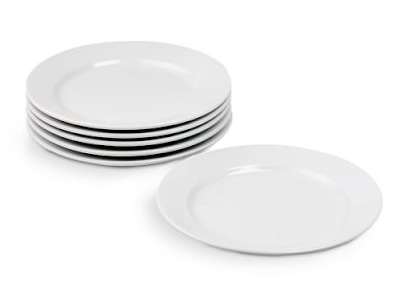
White dinner plates may not sound thrilling, but they are the denim jeans of tabletop design: they go with everything. White buffet plates, rolled-edge china, porcelain dinnerware, or simple stoneware plates can work for Thanksgiving, pasta night, wedding showers, taco bars, and office parties. Food looks good on white because color and texture stand out. Also, white plates do not fight with your centerpiece, linens, or the neon-green salad your health-conscious friend brought “for balance.”
For a crowd, consider owning more plates than your usual household needs. A set of 12 is useful; 18 to 24 is even better if you host holidays or large family meals. Choose dinner plates that stack well and fit your dishwasher. Oversized plates look luxurious, but if they hog cabinet space and barely fit in the sink, they are secretly furniture.
Flatware Should Be Replaceable, Not Precious
Crowd entertaining is where open-stock flatware shines. Stainless steel forks, knives, and spoons in a clean pattern can mix with almost any table style. If a teaspoon goes missing, which it will because teaspoons apparently migrate like tiny metal birds, you can replace it. Keep extra forks on hand because guests use them for salad, dinner, dessert, and sometimes to rescue olives from a jar.
A practical host’s rule: count forks first. Forks disappear fastest, knives are usually safe, and spoons depend on whether soup, coffee, dessert, or toddlers are involved. For buffet meals, place flatware at the end of the food line rather than the beginning. Nobody wants to juggle a fork, napkin, plate, roll, and existential dread while spooning mashed potatoes.
Glasses: Stackable, Sturdy, and Not Too Precious
For hosting a crowd, glassware should be attractive but sturdy. Stemless wine glasses, simple tumblers, water glasses, and multipurpose goblets are easier to store and less dramatic when someone gestures enthusiastically during a story. Clear glass works with any table setting and makes beverages look fresh.
If space is tight, choose one glass that can serve water, wine, sparkling drinks, iced tea, or mocktails. Fancy drink-specific glassware is lovely, but when 20 people are coming over, the best glass is the one you actually have enough of.
Cloth Napkins Make the Table Feel Grown-Up
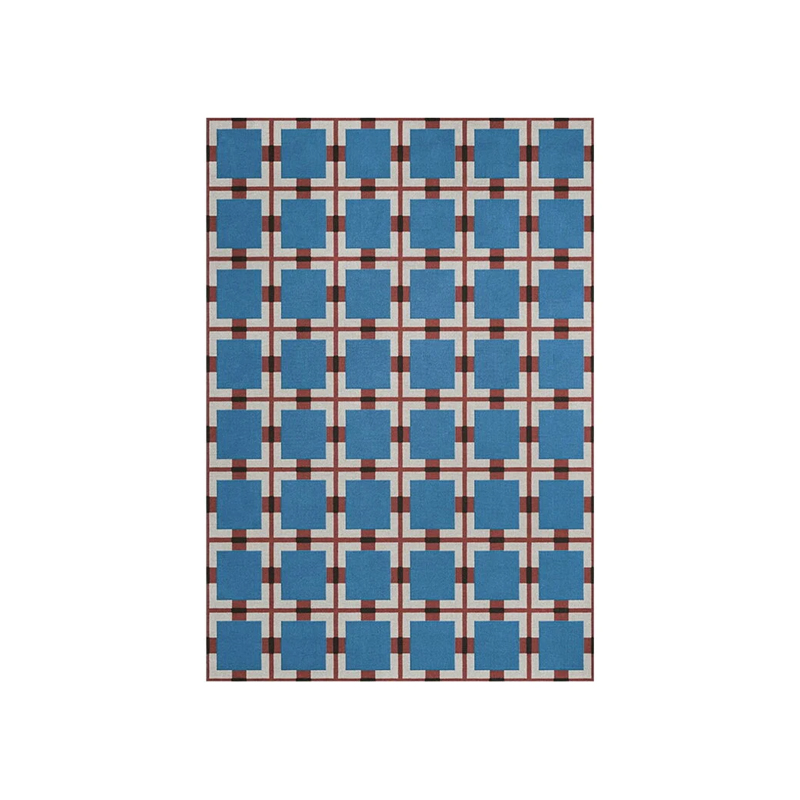
Cloth napkins are one of the easiest upgrades for entertaining. They reduce waste, look polished, and can be washed after the party. White cotton napkins are classic, but natural linen, ticking stripes, checks, or muted colors also work beautifully. If stains scare you, choose patterned napkins. They are basically camouflage for cranberry sauce.
Keep napkins in a drawer or basket where you can grab them quickly. For buffet-style meals, roll napkins around flatware or stack them at the end of the line. For seated meals, place one at each setting to instantly make even a casual dinner feel considered.
Build a Crowd-Friendly Tabletop System
The secret to tabletop crowd control is not buying everything at once. It is building a flexible system. Your plates, bowls, glasses, serving platters, napkins, and flatware should work together without requiring a matching showroom display. Mix-and-match is not a failure; it is personality with a dishwasher-safe agenda.
Choose a Neutral Foundation
Start with neutral dinnerware, simple stainless flatware, clear glassware, and plain napkins. Then layer personality through centerpieces, flowers, candles, place cards, seasonal linens, colorful serving bowls, or small decorative details. This keeps your core tabletop collection useful all year.
A neutral foundation also helps when you borrow or rent a few extras. If you own white plates, borrowed white plates blend in more easily. If your collection is highly specificsay, purple octagonal plates with gold flamingosmatching replacements may require a detective, a vintage dealer, and emotional support.
Use Serving Pieces That Do Double Duty
For crowd hosting, serving pieces should earn their cabinet space. Large platters can hold turkey, roasted vegetables, sandwiches, pastries, or cheese boards. Low bowls are great for salads, pasta, fruit, rolls, and chips. Pitchers can serve water, iced tea, cocktails, lemonade, or flowers in a pinch.
Choose pieces that are easy to carry and not too heavy when full. A beautiful platter that requires two adults and a prayer is not ideal for a buffet table.
Table Layout: The Real Crowd Control
Once you have the tabletop basics, the next challenge is layout. A beautiful table still fails if guests cannot move around it. For seated dining, allow enough room for chairs to pull out comfortably. In many dining rooms, about three feet of clearance around the table is a strong goal. For public or semi-public events, accessible routes matter even more; clear paths should allow guests using mobility devices to move safely and comfortably.
If you are arranging rented tables or folding tables, resist the temptation to pack every inch. People need space to sit, stand, serve, pass behind chairs, carry plates, and escape Uncle Gary’s 17-minute explanation of cryptocurrency.
Buffet Flow: Plates First, Flatware Last
A good buffet line has a beginning, a middle, and an exit. Put plates at the start, food in logical order, condiments near the dish they belong to, and flatware plus napkins at the end. Drinks should usually be separate from the food line so thirsty guests do not clog the mashed-potato highway.
For larger groups, create two access points if possible. Even placing the same dish on both sides of a table can reduce bottlenecks. Put popular items in easy-to-reach spots. If the rolls are hidden behind a floral arrangement the size of a shrubbery, people will hover.
Separate Food, Drinks, Dessert, and Trash
One of the smartest crowd-control tricks is zoning. Create a drink station away from the food. Put dessert on a sideboard until dinner is cleared. Place trash, recycling, and dirty dishes where guests can find them without opening random cabinets. A small sign helps, especially if you do not want to answer “Where should I put this?” 43 times.
For casual gatherings, a bussing station is magic. Set out a tray, dish tub, or cleared counter area for used plates and glasses. Guests like to help when the system is obvious. They do not like guessing whether your antique sideboard is a safe place for barbecue sauce.
Design the Table for Conversation
Tabletop crowd control is not only about objects. It is about people. A table should encourage conversation, not force guests to perform acrobatics around tall centerpieces. Keep flowers and candles low enough that people can see across the table. Use unscented candles so the table smells like dinner, not like “Frosted Pinecone Volcano.”
Place cards can be useful for larger seated dinners because they prevent awkward hesitation and help balance personalities. Seat talkative guests near quieter ones, keep children near patient adults, and avoid placing known rivals side by side unless your dessert course includes mediation.
Hosting on a Budget: Buy Smart, Not Fancy
You do not need luxury china to host beautifully. In fact, some of the best crowd-friendly tabletop pieces are affordable, plain, and durable. Restaurant-supply stores, outlet shops, open-stock retailers, thrift stores, estate sales, and home goods stores can all be great sources for plates, glasses, platters, and linens.
When buying secondhand, focus on quantity, condition, and compatibility. Twelve mismatched white plates can look charming. Twelve plates in wildly different sizes may stack like a collapsing wedding cake. For glassware, check for chips. For flatware, avoid pieces that feel flimsy. For cloth napkins, look for natural fibers that can survive washing.
When Renting Makes Sense
Owning tabletop basics is cheaper in the long run if you host regularly. But renting still makes sense for very large events, weddings, formal dinners, or gatherings where you need 80 matching chairs, 120 champagne flutes, or linens you do not want to iron until the next presidential administration.
A hybrid approach works well: own the everyday entertaining basics and rent specialty items. You might own plates, napkins, flatware, and water glasses, then rent tablecloths, cocktail tables, extra chairs, or specialty glassware for a milestone event.
Make Prep Visible and Easy
The night before a big gathering, pull out plates, glasses, napkins, serving utensils, platters, and pitchers. Count everything. This simple step prevents the classic host panic of discovering, 20 minutes before dinner, that the serving spoon is missing and the salad tongs are currently living in the picnic basket.
Label serving platters with sticky notes: “green beans,” “rolls,” “ham,” “dessert,” “salad.” This helps you confirm that every dish has a landing place. It also makes it easier for helpers to jump in without asking a hundred questions while you are trying to rescue the gravy.
Common Tabletop Crowd Control Mistakes
- Too many decorative items: A table needs room for plates, glasses, elbows, and actual food.
- No drink station: Drinks in the food line create traffic jams.
- Not enough serving utensils: Guests should not have to use a dinner fork to scoop casserole.
- Fragile glassware for casual crowds: Use sturdy pieces when the guest list includes kids, pets, or enthusiastic storytellers.
- Flatware at the wrong end of the buffet: Put it at the end so guests can carry plates more easily.
- No plan for dirty dishes: A dish drop zone keeps the kitchen from becoming a porcelain landslide.
- Ignoring accessibility: Keep paths clear and seating flexible so every guest can participate comfortably.
Specific Examples for Better Crowd Control
For a Thanksgiving dinner, set the dining table the day before, place drinks on a bar cart, serve food buffet-style from the kitchen counter, and keep dessert plates stacked near the coffee station. For a birthday brunch, use white plates, cloth napkins, pitchers of juice and water, one coffee area, and a self-serve pastry board. For a backyard dinner, use sturdy glassware or acrylic tumblers, low centerpieces, weighted napkins, and trays for carrying food outside.
For a small apartment party, skip a formal seated meal and create zones: food on the counter, drinks near the entry, dessert on a bookshelf cleared for the occasion, and a tray for used dishes. For a family reunion, label dishes, provide extra serving spoons, use two buffet lines if possible, and keep kid-friendly plates in a lower, easy-to-reach stack.
Experiences With Tabletop Crowd Control
The first time I truly understood tabletop crowd control was at a holiday dinner where the food was excellent, the people were cheerful, and the table plan was a tiny domestic tragedy. There were enough plates, technically, but they came from four different cabinets, two boxes in the garage, and one mysterious stack that had not seen daylight since the early 2000s. The forks ran out before the turkey. The napkins were in a drawer blocked by a folding chair. The drinks were beside the oven, which meant every thirsty guest had to squeeze past the cook, who was holding a hot pan and the expression of someone reconsidering all her life choices.
Nothing terrible happened. Nobody had to eat pie with a ladle. But the evening taught a useful lesson: a crowd does not need perfection, but it absolutely needs a system. Since then, the best gatherings I have seen have all shared the same invisible architecture. Plates were stacked where the food began. Napkins and flatware waited at the end. Water was already in pitchers. Wine glasses were grouped on a tray. Extra forks were nearby. The table looked pretty, but not so decorated that guests had to negotiate with branches to reach the salad.
One of the most effective tricks is setting the table early, even if the meal is casual. When plates, glasses, napkins, and serving pieces are out the night before, the host can see what is missing. It is much better to discover at 9 p.m. that you need more glasses than to discover it while guests are arriving and someone is asking where to put their coat, their casserole, and their emotional support cheese ball.
Another lesson: people enjoy helping when the setup is obvious. If you create a clear dirty-dish station, guests will use it. If you put water and glasses together, they will refill their own drinks. If serving spoons are already in the dishes, nobody has to wave a spoon in the air like a tiny silver distress flag. Good tabletop planning lets guests feel comfortable and useful without making them feel like unpaid catering staff.
Finally, I have learned that neutral basics are not boring; they are freeing. White plates, plain napkins, stainless flatware, and clear glasses let the food, flowers, candles, and people do the talking. A simple table can become rustic with wooden boards and linen, festive with greenery and ornaments, elegant with candles and place cards, or casual with pitchers of lemonade and a stack of burgers. That flexibility is the real magic of tabletop crowd control. You are not just buying plates. You are buying calm.
Conclusion: Control the Table, Not the Crowd
Tabletop: Crowd Control is really about hospitality. It is the thoughtful preparation that makes a large gathering feel easy, generous, and welcoming. With durable dinnerware, replaceable flatware, stackable glasses, cloth napkins, smart serving pieces, clear buffet flow, and enough space for guests to move, you can host more people with less panic.
The best tabletop setup does not scream for attention. It quietly supports the meal. It lets guests serve themselves without confusion, sit comfortably, talk easily, and enjoy the food while the host stays mostly human. Build your basics slowly, choose flexible pieces, plan your zones, and remember: the goal is not a magazine-perfect table. The goal is a table where people want to linger.
Note: This article is original, written in standard American English, and synthesized from real U.S.-based home design, entertaining, food, restaurant-layout, event-planning, and accessibility guidance. Source links are intentionally omitted according to the publishing request.