
Some London design stories arrive with a brass band, a grand opening, and a press release polished until it squeaks. Fox and Flyte arrived more like a wonderful object found under a market table: slightly mysterious, charmingly eccentric, and impossible to ignore once you knew where to look. At its heart, Fox and Flyte was an online vintage and antiques project founded by three creative friends in London: Luke Edward Hall, Duncan Campbell, and Haeni Kim. It was small in scale, but big in personalitythe kind of venture that understood an old cocktail shaker could have more charisma than an entire showroom of beige furniture.
The title “Fox and Flyte in London” sounds almost like the opening line of a children’s book, and honestly, that feels right. Fox and Flyte was not simply about buying and selling old things. It was about the romance of the hunt, the pleasure of restoration, the wit of display, and the belief that a home should feel collected rather than assembled by algorithm. In an era when many interiors were marching obediently toward minimalism, Fox and Flyte offered a cheekier alternative: beautiful objects with history, humor, patina, and a wink.
Today, the name still matters because it captures a certain London design moodplayful, layered, literate, and proudly allergic to dullness. It also offers a useful lesson for anyone interested in vintage home decor, English interiors, antique shopping, tablescapes, and personal style: the best rooms are rarely born from buying everything new. They are built one discovery at a time.
What Was Fox and Flyte?
Fox and Flyte was an online antiques and vintage wares shop rooted in London’s lively market culture. The project was created by three friends whose careers already touched fashion, publishing, design, and visual storytelling. Luke Edward Hall was studying menswear fashion design at Central Saint Martins; Duncan Campbell worked in the editorial and creative world; and Haeni Kim was involved in fashion PR before later becoming known as the founder of the fashion label KITRI.
That combination explains a lot. Fox and Flyte did not feel like a traditional antiques business run by someone guarding a locked cabinet with suspicious eyebrows. It felt more like a creative salon with an e-commerce cart attached. The founders searched markets for pieces they could clean, repair, style, photograph, and reintroduce to modern buyers. Think silver accessories, old glassware, decorative curiosities, tabletop pieces, vintage cocktail items, and objects that looked as if they had attended better parties than most of us.
The brand’s appeal came from its sharp eye. It understood that vintage pieces do not need to be grand to be meaningful. A tray, a candlestick, a tiny bottle, a set of glasses, or a charmingly odd decorative object can change the mood of a room. Fox and Flyte worked because it treated small things seriouslybut not solemnly. That is an important distinction. A solemn room is where conversation goes to die. A serious-but-playful room is where someone asks, “Where did you find that?” and suddenly the evening has legs.
The London Backdrop: Markets, Mischief, and Good Taste
London is one of the great cities for vintage hunting because it has layers everywhere. Georgian squares, Victorian terraces, postwar flats, art schools, old pubs, auction houses, fashion studios, and flea markets all sit within conversational distance of one another. In that kind of city, taste does not develop in a straight line. It wanders. It borrows. It picks up a chipped plate, argues with itself, and then buys the plate anyway.
Fox and Flyte came out of this atmosphere. Its founders were known for trawling markets and searching for pieces with enough character to justify a second life. That kind of work requires patience and nerve. You need patience because most market tables are not treasure chests; they are chaos wearing a raincoat. You need nerve because the best finds often require imagination. A dusty object may look unimpressive at 7:30 a.m. under a gray sky, but cleaned, repaired, and styled correctly, it can become the star of a mantelpiece.
This is where London’s vintage culture shines. Markets such as Kempton, Portobello Road, and other antiques fairs have long attracted decorators, collectors, stylists, and creative bargain-hunters. The point is not merely to shop. The point is to train the eye. A person who spends enough mornings looking at old silver, ceramics, glass, textiles, frames, and furniture eventually learns how materials age, how proportions work, and how to spot quality hiding behind dust.
Why Fox and Flyte Felt Different
The genius of Fox and Flyte was not that it invented vintage shopping. London had been doing that beautifully for generations. The genius was in reframing vintage objects for a younger, design-aware audience that wanted charm without stiffness. Traditional antiques can sometimes feel intimidating, as if the furniture expects you to know Latin. Fox and Flyte made old objects feel approachable, witty, and useful in contemporary homes.
Instead of treating antiques as museum pieces, the brand placed them back into daily life. A cocktail shaker was not simply a relic; it was an invitation. A tray was not just a tray; it was a stage for glasses, lemons, matches, flowers, or whatever else makes a table look like it has plans after midnight. Decorative pieces were not props; they were conversation starters.
That philosophy connected naturally with the later creative work of Luke Edward Hall, whose design universe is full of color, classical references, fantasy, humor, and irreverent elegance. It also echoed Duncan Campbell’s interest in convivial design through Campbell-Rey, where objects and interiors often revolve around entertaining, dining, and the pleasure of gathering. Haeni Kim’s later work with KITRI similarly reflects an understanding of style as something lively, wearable, and accessible rather than coldly exclusive.
Fox and Flyte and the Return of Maximalist Charm
To understand why Fox and Flyte still feels relevant, it helps to look at the larger design mood. For years, minimalism dominated interiors. White walls, pale floors, invisible storage, and furniture with the emotional range of a conference table became the safe visual language of “good taste.” Minimalism can be beautiful, of course. But too much of it can make a home feel less like a life and more like a very expensive waiting room.
Fox and Flyte belonged to the opposite camp: rooms should contain stories. This does not mean clutter for clutter’s sake. It means personality. It means a glass that feels good in the hand, a lamp with a strange shade, a portrait with suspicious eyes, a stack of books, a bowl of fruit, a vase that looks slightly theatrical, and perhaps one object nobody can explain but everybody loves.
Modern maximalism is not about filling every inch. It is about layering meaning. Vintage home decor is central to that approach because old objects bring instant depth. They soften new rooms, interrupt predictable decorating formulas, and add the kind of detail that cannot be delivered in two business days by a warehouse robot named Gary.
The Art of the Tablescape
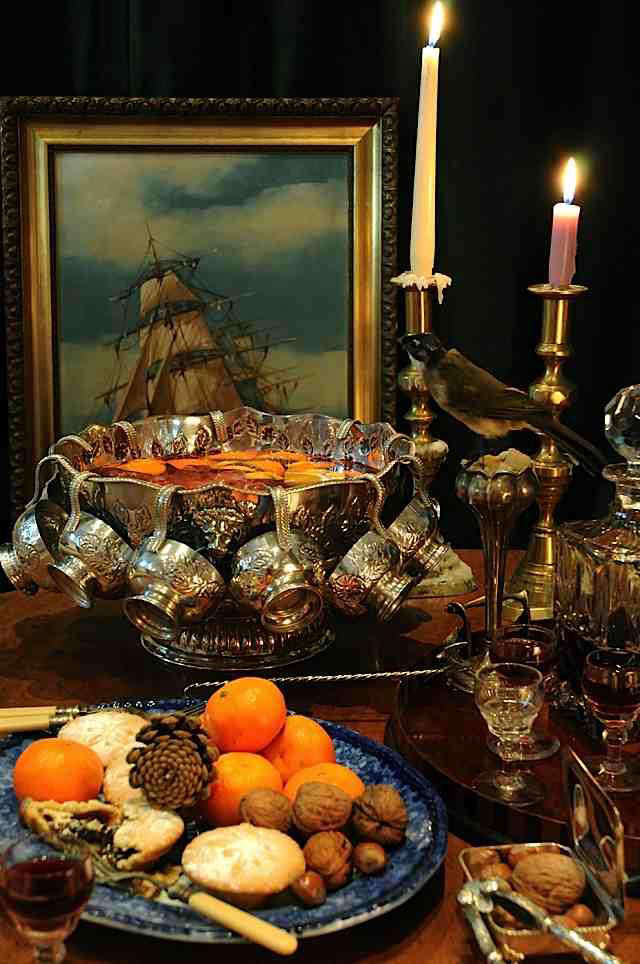
Fox and Flyte became especially associated with the world of tablescapes, which is simply a fancy word for making a table look as if it cares. A good tablescape does not need to be formal. In fact, the best ones often feel slightly undone. A mix of vintage glasses, mismatched plates, candlesticks, linen napkins, flowers, fruit, and small curiosities can create a setting that feels relaxed but memorable.
The Fox and Flyte style suits this perfectly. Vintage tableware has a way of making meals feel more intimate. Old silver catches candlelight differently. Colored glass adds depth. A small antique dish can hold salt, olives, nuts, or jewelry someone removed while telling a dramatic story. Even a simple weeknight dinner becomes more fun when the table includes an object with a past.
For readers wanting to bring this idea home, the rule is simple: mix eras, but keep the mood coherent. A 1920s cocktail accessory can sit beside modern ceramics if the colors, shapes, or materials speak to each other. A rustic wooden tray can balance polished glass. Brass candlesticks can warm up white plates. The goal is not perfection. The goal is atmosphere. Perfection makes guests nervous. Atmosphere makes them pour another drink.
How to Shop Vintage Like Fox and Flyte
Start Small
You do not need to begin with a massive antique cabinet or a chair that requires its own legal paperwork. Start with small objects: trays, bowls, candlesticks, glasses, frames, mirrors, and tabletop pieces. These are easier to carry, easier to style, and less likely to start a family argument in the hallway.
Look for Materials That Age Well
Silver, brass, wood, linen, glass, ceramic, and stone often develop character with age. Scratches and patina can be beautiful when they suggest use rather than neglect. The trick is learning the difference between “charmingly worn” and “possibly haunted by soup.”
Buy for Use, Not Just Display
Fox and Flyte’s spirit was practical as well as romantic. A vintage object becomes more meaningful when it joins daily life. Use the tray. Light the candlesticks. Serve snacks in the old dish. Let the beautiful thing do its job.
Trust Your Eye
Great vintage shopping depends on instinct. If an object makes you smile, pause. If you keep looking back at it, ask the price. If you start inventing a life for it in your home, you may already be doomedin the best possible way.
Fox and Flyte’s Influence on Contemporary British Style
Fox and Flyte may have been a small venture, but its influence can be seen in a broader shift toward expressive interiors. The design world has increasingly embraced color, pattern, handmade details, and antique pieces that resist the flatness of mass production. Young decorators and collectors no longer feel obligated to choose between tradition and playfulness. They can have both.
That balance is very London. The city is formal and chaotic, historic and experimental, elegant and slightly grubby around the edges. Fox and Flyte captured that duality. It understood that a beautiful room can include grandeur and jokes, refinement and weirdness, history and youth. It did not ask old objects to behave like old objects. It invited them to flirt with the present.
The later success of its founders adds another layer to the story. Luke Edward Hall became widely recognized for his colorful, romantic, and classically inspired art and interiors. Duncan Campbell went on to co-found Campbell-Rey, a design partnership known for sophisticated interiors, furniture, and tabletop objects. Haeni Kim built KITRI into a contemporary fashion brand with a strong identity and direct-to-consumer appeal. Looking back, Fox and Flyte feels like an early rehearsal for three creative careers built on taste, storytelling, and presentation.
Why Vintage Matters in a Fast-Furniture World
One reason Fox and Flyte feels newly important is sustainability. Buying vintage is not only stylish; it is also a way to keep objects in circulation. Instead of manufacturing everything from scratch, vintage shopping extends the life of pieces that already exist. That does not mean every old object is automatically eco-friendly or valuable, but it does mean thoughtful reuse can be part of a more responsible approach to decorating.
There is also an emotional argument. Fast furniture often solves a problem quickly but rarely creates attachment. Vintage pieces ask for more involvement. You find them, carry them, clean them, repair them, and place them. That effort creates memory. A room filled entirely with new products may look finished, but a room with collected objects feels lived in.
Fox and Flyte understood that homes are not catalogs. They are biographies with curtains. Every object can hold a little chapter: where you found it, who was with you, how much you overpaid, and whether you pretended not to overpay. These stories become part of the pleasure of living with things.
How to Bring Fox and Flyte Style Into Your Home
To create a Fox and Flyte-inspired interior, focus on character rather than theme. Do not try to make your living room look like a period drama unless you also own a horse and a complicated inheritance. Instead, combine old and new pieces in ways that feel personal.
Begin with a simple base: a sofa you like, a table that works, shelves that can hold books and objects. Then layer in vintage finds. Add a brass lamp, a ceramic dish, a framed sketch, a patterned cushion, a small mirror, or a tray for drinks. Use color confidently. English interiors often become interesting through unexpected combinations: deep green with pink, mustard with blue, burgundy with cream, brown wood against bright art.
Do not be afraid of imperfection. In fact, avoid making everything too coordinated. The Fox and Flyte mood depends on a certain looseness. A room should look as if it evolved through curiosity, not as if it was installed overnight by someone holding a clipboard.
Experience Notes: A Fox and Flyte-Inspired Day in London
Imagine a London day built around the Fox and Flyte spirit. It begins early, because antique markets are not designed for people who enjoy dramatic sleeping in. You arrive with coffee, a tote bag, and the kind of optimism that makes you believe today is the day you will find a perfect silver tray for the price of lunch. The weather is undecided, naturally. London weather often behaves like a committee that failed to reach consensus.
The first stalls are a blur of frames, ceramics, glassware, textiles, lampshades, old books, and mysterious boxes containing objects whose purpose has been lost to civilization. This is part of the fun. You are not just shopping; you are decoding. A small brass dish might become a place for keys. A faded print might rescue a blank wall. A chipped jug might look excellent with flowers, provided you position the chipped side toward the wall and act innocent.
After an hour, your eye sharpens. You begin noticing weight, shape, and proportion. Some pieces are too damaged. Some are too expensive. Some are so odd they become interesting again. This is where the Fox and Flyte philosophy becomes useful: do not search only for pristine beauty. Search for personality. An object can be useful, handsome, and funny all at once. The best finds usually have a little theatricality, as if they are waiting for their cue.
By midday, you might stop for lunch and examine the morning’s treasures. Perhaps you found a pair of candlesticks, a vintage drinks tray, and a tiny dish that serves no obvious purpose but clearly improves morale. Back at home, the real pleasure begins. You clean the pieces, move them around, and try them in different places. The tray lands on a sideboard. The candlesticks join the dining table. The dish becomes a salt cellar, then a ring holder, then a resting place for lemon wedges during drinks. A flexible object is a very good object.
That evening, you set the table with a casual Fox and Flyte attitude. Nothing matches perfectly, but everything gets along. There are flowers in a jug, wine glasses with different stems, napkins folded without military ambition, and candlelight doing what candlelight does best: making everyone look more interesting. Someone asks where the tray came from. You tell the story. Suddenly the object is not just decor; it is part of the conversation.
This is the real experience behind Fox and Flyte in London. It is not only the act of buying vintage wares. It is the pleasure of noticing, selecting, restoring, arranging, and sharing. It is a reminder that style does not have to be expensive to be expressive. It simply has to be specific. A home becomes memorable when it contains choices that could only belong to the people who live there.
Conclusion: The Lasting Charm of Fox and Flyte in London
Fox and Flyte in London remains a compelling design story because it celebrates the joy of old objects in new lives. It was a small online vintage venture, but it carried a big idea: beautiful things with history can improve everyday living. That idea feels even more relevant now, as people look for homes with warmth, individuality, sustainability, and soul.
The brand’s legacy is not limited to the objects it sold. Its real legacy is a way of seeing. Look twice. Mix boldly. Repair what can be repaired. Use the good glasses. Let rooms collect stories. And when in doubt, trust the slightly eccentric piece that makes you grin. It may turn out to be the thing your home was waiting for.
Note: This article was written as original, publish-ready content based on publicly available information about Fox and Flyte, London vintage culture, and the creative careers of Luke Edward Hall, Duncan Campbell, and Haeni Kim.