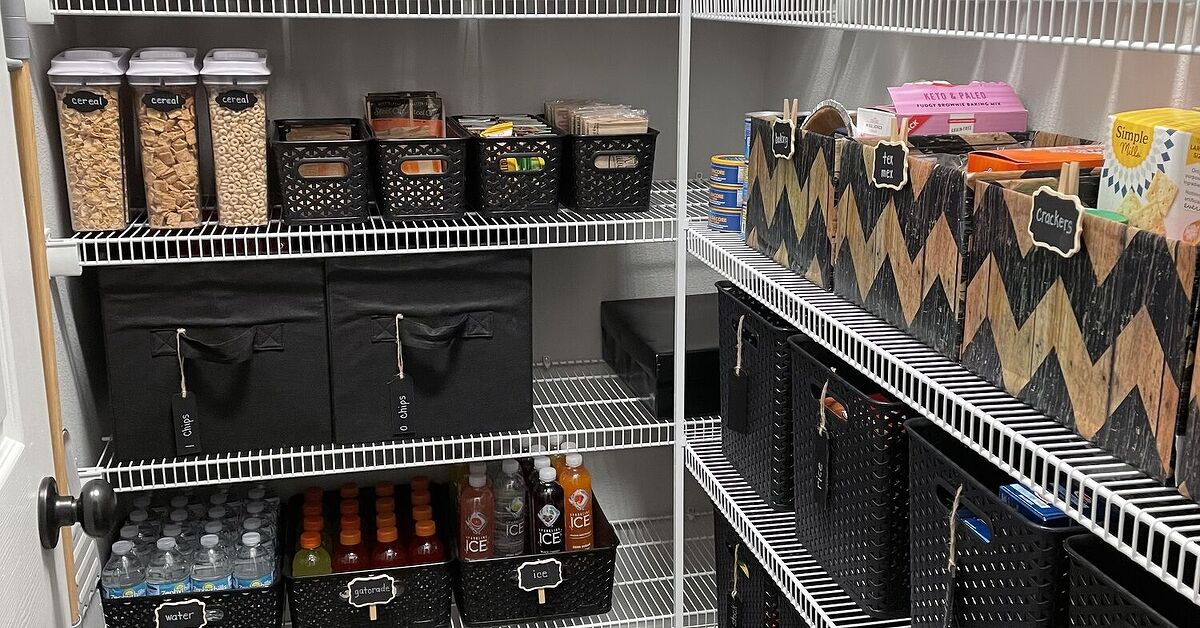

If your pantry currently looks like a suspense movie starring half-empty pasta boxes, a rogue can of pumpkin puree, and three bags of rice that all insist they are “still good,” take heart. A clutter-free pantry is not reserved for people with magazine-worthy kitchens or a suspiciously large collection of matching glass jars. It is absolutely possible in a real home, with real schedules, real snack habits, and real grocery runs that occasionally include impulse crackers.
The secret is not buying every organizing gadget on the internet and hoping for a miracle by Tuesday. A functional pantry starts with a smarter system. When you organize based on how your household actually cooks, shops, snacks, and stores food, the space becomes easier to maintain. You waste less, find ingredients faster, and stop buying your fifth bottle of paprika because the other four were playing hide-and-seek behind the oats.
In this guide, you will learn how to transform your pantry with practical, clutter-cutting techniques that work in walk-ins, narrow cabinets, and those awkward kitchen corners pretending to be storage. From zoning and labeling to using vertical space and avoiding classic pantry mistakes, here is how to create a pantry that feels calm, useful, and refreshingly under control.
Why Pantries Turn Into Clutter Magnets
Pantries get messy for one simple reason: they are where good intentions go to pile up. Bulk buys, backup snacks, holiday baking supplies, random sauces, forgotten cereals, and “I might use this someday” items all land there. Without a system, shelves become parking lots instead of storage zones.
Most cluttered pantries suffer from the same problems. Items are stored by accident instead of category. Shelf height is wasted. Deep shelves hide duplicates. Packages are opened, rolled, clipped, and shoved back with the confidence of someone creating a future problem. And because the pantry looks chaotic, people avoid dealing with it until the whole thing feels like an archaeological dig.
The fix is not perfection. The fix is visibility, access, and logic. If you can see what you own, reach what you use, and understand where things belong, your pantry will stop acting like a mystery box.
Step 1: Empty Everything and Edit Ruthlessly
Yes, everything. Not just the obvious stuff on the front. Not just the shelf that offends you the most. Pull it all out. This is the only way to see what is actually taking up space and what no longer deserves rent in your pantry.
Sort into simple categories
Create quick groups on your counter or table: baking, breakfast, grains, canned goods, snacks, sauces, spices, drinks, backstock, and oddball items that have been freeloading for months. Once everything is visible, duplicates become obvious and expired products lose their power to hide.
Toss, donate, relocate
Throw away stale, spoiled, or questionable foods. Discard damaged, bulging, leaking, or badly dented cans. Donate unopened foods your household is not going to eat. Relocate non-food clutter such as batteries, craft supplies, random cords, paper piles, or cleaning products that never should have moved in with the pasta.
This editing stage matters because organizing clutter is still clutter. It is just clutter wearing a label maker outfit.
Step 2: Create Pantry Zones That Match Real Life
One of the smartest pantry organization techniques is zoning. Instead of storing food wherever it fits, assign shelves or bins based on how your household actually uses the pantry. Think of your pantry like a tiny grocery store designed for one customer: you.
Easy pantry zones that work
Everyday essentials: Keep your most-used items at eye level. This might include cereal, pasta, rice, canned tomatoes, broth, peanut butter, coffee, and cooking oils.
Snack zone: Give chips, granola bars, crackers, fruit cups, and lunchbox items one clear home. Families with kids often do well with a lower “grab-and-go” shelf.
Baking station: Group flour, sugar, baking soda, chocolate chips, vanilla, and measuring tools together. No more scavenger hunt before making cookies.
Meal prep shelf: Put taco kits, pasta night ingredients, soup starters, and quick dinner helpers in one area to make weeknight cooking easier.
Backstock area: Store extra cans, duplicate staples, and refills in a clearly defined section so they do not flood your everyday shelves.
The best pantry zones are based on behavior, not Pinterest pressure. If your family lives on oatmeal, popcorn, ramen, and hot sauce, organize around that reality. Your pantry should reflect your kitchen habits, not someone else’s beautifully labeled chia seed collection.
Step 3: Choose Storage Tools That Actually Earn Their Keep
A clutter-free pantry is usually less about having more containers and more about having the right ones. Good storage tools improve visibility, prevent pileups, and make it easier to maintain the system after a busy grocery run.
Clear containers for dry goods
Decanting flour, sugar, rice, oats, cereal, pasta, and snacks into clear containers can make a pantry look neater and work better. You can instantly see quantity, prevent torn-package chaos, and create cleaner shelf lines. The trick is to decant selectively. Put high-use or mess-prone foods in containers first rather than transferring every bean in the zip code.
Bins for categories, not chaos
Bins are helpful when they define a category. Use one for snacks, one for baking packets, one for sauce jars, one for breakfast items, and one for backstock. A bin should create limits, not invite overflow. Once it is full, that is your cue to stop buying six more granola bar boxes just because they were on sale.
Turntables for awkward corners
Lazy Susans are fantastic for oils, vinegar, condiments, nut butters, or spices. They make hard-to-reach spots usable and reduce the classic “I forgot I owned this” problem.
Tiered risers for cans and jars
Tiered shelves help you see labels in the back row instead of stacking cans like a risky pantry version of Jenga. This is especially useful in cabinet pantries and on shelves with limited depth.
Door storage and wall space
The back of the pantry door is prime real estate. Over-the-door racks can hold spices, oils, wraps, snacks, small jars, or baking tools. If your pantry has a blank side wall, add hooks, a slim rack, or shallow shelves to pick up extra storage without crowding the room.
Step 4: Use Vertical Space Like You Mean It
One of the biggest missed opportunities in pantry organization is empty air. If shelves are too far apart, you lose usable storage. If they are too deep, you lose visibility. If nothing is stackable, you lose both.
Start by adjusting shelves if possible. Shorter items should not sit under sky-high shelf gaps doing nothing productive. Add shelf risers, stackable bins, or under-shelf baskets to use height better. Tall bins can corral bags and pouches that otherwise slump into chaos. Uniform containers also stack better and create a more streamlined look.
Deep shelves need special attention. Store less-used items in the back and everyday items in the front. Use pull-out bins or handled baskets so you can bring items to you instead of spelunking for breadcrumbs in the dark.
If your pantry is tiny, think vertically from floor to top shelf. Put heavier items lower, daily essentials in the middle, and occasional-use items higher up. The goal is not to cram in more. It is to make every inch work harder without becoming annoying.
Step 5: Label Like a Helpful Adult, Not a Craft Tornado
Labels are not just decorative. They reduce decision fatigue, help everyone in the house put groceries back correctly, and make it easier to notice what is running low. That means fewer duplicate purchases and fewer mystery containers full of “probably breadcrumbs?”
Label containers, bins, and even shelves if needed. Keep the wording simple: Pasta, Snacks, Baking, Breakfast, Backstock, Canned Beans. If you decant dry goods, add a purchase date or expiration date when useful, especially for flour, nuts, seeds, and specialty grains.
The best labels are readable and consistent, but not fussy. You do not need your pantry to look like a boutique pantry museum. You need it to work on a Wednesday night when someone is hungry and everyone is impatient.
Step 6: Store Food Smarter to Reduce Waste and Pest Problems
A clean pantry is not just about looks. It also supports food freshness and safety. Open bags of flour, rice, cereal, and pasta are an engraved invitation to spills, staleness, and unwanted pantry visitors. Transfer them to sealed containers or clip them securely and store them upright in bins.
Keep oils, spices, and dry goods in cool, dry conditions away from heat. Wipe sticky bottles before returning them to the shelf. Clean crumbs quickly. Pantry mess tends to multiply when small spills are ignored and one exploded box of crackers turns into a full-blown shelf ecosystem.
It also helps to follow a simple first-in, first-out rule. Move older items to the front and place new groceries behind them. That one habit can cut down food waste dramatically because the foods you need to use first stop hiding in the shadows behind a giant paper towel pack.
Small Pantry? Big Potential
You do not need a dreamy walk-in pantry to create order. Small pantry spaces can be incredibly efficient when they are edited well and organized with intention.
For a narrow cabinet pantry, use door racks, risers, shallow bins, and clear containers. For a closet pantry, use zones and labels to prevent each shelf from becoming a mixed bag of breakfast cereal, taco seasoning, and emotional support noodles. For open shelves, keep the visual look simple by using a limited range of containers and not overloading every inch.
Even a few shelves can feel bigger when categories are clear, containers are sized correctly, and random non-pantry items are banished elsewhere. Small spaces do not need more pressure. They need better decisions.
Pantry Mistakes That Create Clutter Fast
Buying organizers before editing: Containers cannot solve overbuying or expired food.
Ignoring how you really cook: A baking station is not helpful if you bake twice a year and snack daily.
Over-decanting: Putting everything into containers can create extra work. Focus on the foods that benefit most.
No backstock boundary: Extra inventory needs one defined area or it will slowly conquer the pantry.
Stacking without visibility: If you cannot see it, you will forget it.
Letting “temporary” clutter stay forever: Those paper bags, spare appliances, and party platters are how pantry chaos sneaks back in.
How to Keep Your Pantry Clutter-Free All Year
The easiest way to maintain an organized pantry is to build in tiny resets instead of waiting for disaster. Spend five minutes after grocery day putting things back in their zones. Straighten the snack bin once a week. Wipe shelves when you spot crumbs. Do a bigger review every season or at least a couple of times a year.
Try a “use now” bin for foods nearing their expiration dates. Keep a running shopping list nearby or on your phone so you only replace what you need. And when something no longer fits your system, fix it early. Pantry clutter is much easier to solve at the “slightly messy cracker shelf” stage than at the “I found canned peaches from another presidential administration” stage.
Experience: What Transforming a Pantry Really Feels Like
There is a very specific kind of stress that comes from opening a messy pantry when you are already tired. You are just trying to make dinner, pack a lunch, or find one decent snack, and suddenly you are wrestling a cascade of tortillas, tea boxes, and mystery packets that may or may not be soup. Transforming a pantry changes more than the shelves. It changes the mood of the kitchen.
One of the first things people notice after reorganizing a pantry is how much quieter the space feels. Not literally, of course, unless your granola bars have been heckling you. But visually and mentally, a tidy pantry cuts down the low-grade noise that clutter creates. Instead of scanning six shelves in frustration, you know exactly where the pasta lives, where the snacks belong, and where the backup peanut butter is hiding.
There is also a strange little thrill in finally seeing what you actually own. People often discover they have three open bags of brown sugar, four kinds of mustard, or enough chickpeas to feed a small neighborhood book club. That moment can be equal parts humbling and hilarious. But it is also useful. Once everything is visible, shopping gets smarter, waste drops, and meal planning becomes less of a guessing game.
Another real-life shift is that other family members start cooperating more when the pantry makes sense. Kids can grab snacks without demolishing an entire shelf. Partners can put groceries away without playing “where does this go?” like it is a game show. Even guests can find the coffee without opening six cabinets like they are cracking a code.
And then there is the maintenance piece, which feels a lot less dramatic than the big makeover but matters more in the long run. A transformed pantry teaches you to notice patterns. Maybe your household needs a bigger breakfast zone. Maybe bulk buying is not saving money if half the food expires. Maybe clear bins are helpful, but a giant collection of matching jars is just creating more dishes. Those lessons make the pantry more personalized over time, which is why the best organized pantries rarely stay frozen in one perfect arrangement forever.
The most encouraging part is that the change does not require a luxury renovation. Plenty of people create a better pantry with a weekend cleanup, a few bins, some labels, and a little honesty about how they actually live. That is what makes pantry transformation so satisfying. It is practical, visible, and immediate. You open the door and see the difference every single day.
So if your pantry is currently chaotic, do not read that as a character flaw. Read it as a system waiting for an upgrade. A clutter-free pantry is not about becoming a different kind of person. It is about giving your current life a smarter setup.
Conclusion
Transforming your pantry is less about chasing a picture-perfect aesthetic and more about building a space that helps your kitchen run better. When you declutter first, organize by zones, use storage tools with purpose, and maintain the system in small bursts, your pantry becomes easier to use and much easier to keep tidy. The result is a calmer kitchen, less food waste, faster meal prep, and fewer moments of dramatically searching for cinnamon while dinner burns.
In other words, a clutter-free pantry is not a fantasy. It is a practical upgrade with everyday benefits. Start with one shelf, one category, or one Saturday afternoon, and let the transformation build from there.