
Note: This article is an original editorial synthesis based on public information about Kirsten Coelho, Matin Los Angeles, and contemporary design culture. It contains no copied source text, no embedded source links, and no unnecessary citation placeholders.
Some home accessories enter a room like a marching band. Kirsten Coelho’s porcelain vessels do the opposite. They arrive quietly, sit still, and somehow make everything around them look more thoughtful. That is the understated magic behind Accessories: Kirsten Coelho at Matin in Los Angeles, a design story where handmade porcelain, farmhouse utility, gallery-level restraint, and Los Angeles’ taste for quietly exceptional objects meet in one very calm, very beautiful room.
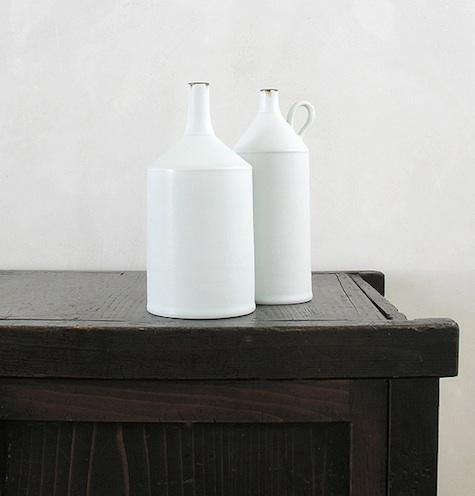
At first glance, Coelho’s work may look simple: white vessels, soft silhouettes, matte surfaces, narrow rims touched with iron, and forms that seem to remember old jugs, bowls, flasks, beakers, and domestic containers. But “simple” is a dangerous word here. It is the kind of simple that took years to refine, the kind that makes a vase look as though it has been edited by a monk with excellent taste and a kiln that enjoys suspense.
Matin, the Los Angeles gallery established by Robert and Christina Odegard, has long occupied a refined corner of the design world: part gallery, part showroom, part secret handshake among collectors, architects, and interior designers who prefer objects with soul over objects with a logo the size of a license plate. In that context, Kirsten Coelho’s porcelain does not merely decorate a surface. It changes the temperature of a space.
Who Is Kirsten Coelho?
Kirsten Coelho is a leading Australian contemporary ceramic artist known for porcelain vessels that sit between function and abstraction. Born in Denmark in 1966 and based in Adelaide, South Australia, Coelho has built a decades-long practice around the reinterpretation of utilitarian ceramics, glass, and metal wares. Her work often recalls nineteenth- and early twentieth-century enamelware, colonial domestic objects, classical vessels, and the worn surfaces of household tools that once worked for a living.
Her pieces are frequently described as serene, but that serenity is not blankness. It is compression. Coelho pares away ornament until only the essential feeling of the object remains: a jug without the noise, a bowl without fuss, a flask that seems to have wandered out of a historical painting and into a minimalist Los Angeles interior.
Porcelain is central to her language. It offers whiteness, delicacy, translucency, and difficulty. Very difficulty. Porcelain is famously unforgiving; it cracks, warps, slumps, and generally behaves like a diva with a chemistry degree. Coelho’s discipline lies in making this complicated material appear effortless. Matte white glazes, iron oxide markings, soft gray tones, and occasional color shifts give her objects a sense of age without turning them into imitation antiques.
Why Matin in Los Angeles Matters
Matin is not the kind of place that shouts “retail experience” while spraying synthetic citrus into the air. It is quieter, more exacting, and more aligned with the world of collectors and design professionals. Founded in Los Angeles in 2004, Matin has been associated with sculpture, jewelry, porcelain, furniture, and exceptionally handmade work. Its sensibility is spare but warm, intellectual but not icy.
That makes Matin a fitting setting for Coelho’s porcelain. Los Angeles has a complicated relationship with beauty. It loves spectacle, yes, but it also has a deep tradition of understated modernism, indoor-outdoor living, hand-built craft, and private homes that double as personal galleries. Coelho’s work suits this environment because it does not demand theatrical lighting or a velvet rope. A single vessel on a shelf can hold its own beside bronze, wood, linen, concrete, plaster, or a very expensive chair that everyone pretends is comfortable.
The Beauty of Porcelain That Remembers Tinware
One of the most compelling aspects of Kirsten Coelho’s accessories is how they reference humble domestic wares without becoming nostalgic props. Her vessels can suggest farmhouse tinware, enamel jugs, storage containers, and old utility objects, yet they are not reproductions. They are translations.
Think of a practical object from a nineteenth-century kitchen: a jug, a pail, a cup, a bowl. It was made to be used, cleaned, chipped, repaired, and returned to the shelf. Coelho takes the memory of that object and rebuilds it in porcelain, a material historically associated with refinement, trade, desire, and status. The result is a delicious tension: the ordinary becomes precious, and the precious remembers how to be ordinary.
Matte White Glaze and Iron Details
Coelho’s matte white surfaces are never just white. They hold shadows, temperature, and subtle tonal changes. Some pieces include iron rims or iron oxide markings that evoke aged metal, worn enamel, or the faint traces left by use and time. These details are restrained, but they do important work. They prevent the porcelain from looking too perfect, too polished, or too freshly unpacked from a lifestyle catalog.
In a room, this kind of surface behaves beautifully. It catches light without begging for attention. It works with neutral interiors, but it also calms colorful spaces. It can sit beside a stack of art books, a bronze candlestick, a linen runner, or a dark wood table and still look like the adult in the room.
Accessories With Architectural Presence
The word “accessory” sometimes feels small, as though we are discussing throwaway extras. Coelho’s porcelain proves otherwise. A well-made accessory can be architectural. It can direct the eye, create rhythm, establish scale, and give a room a sense of pause.
Her vessels often work best in groups, where their silhouettes speak to one another. A narrow bottle beside a rounded bowl, a low cup beside a taller jug, a pale vessel near one with a darker rim: these arrangements create visual conversation. Nothing matches in the dull, catalog-set sense. Instead, the pieces relate through tone, proportion, and mood.
This is why Coelho’s work appeals to designers. It provides structure without stiffness. A room with her porcelain does not look decorated; it looks considered. There is a difference. Decorated means someone added things. Considered means someone knew when to stop.
How to Style Kirsten Coelho-Inspired Accessories at Home
You do not need a gallery wall, a Hollywood Hills house, or a dining table that requires its own insurance policy to learn from this look. The principles behind Kirsten Coelho’s porcelain at Matin can be applied in everyday interiors with surprising ease.
1. Give One Object Room to Breathe
Do not crowd a quiet object. If you place a porcelain vessel on a shelf, let it have negative space. Negative space is not emptiness; it is the object’s breathing room. A single pale vessel on a dark wood console can say more than seven decorative objects arguing for attention like guests at a poorly managed dinner party.
2. Group by Feeling, Not by Matching
Instead of buying three identical vases, group objects that share a mood. Pair matte porcelain with hand-thrown stoneware, aged metal, warm wood, or natural linen. The goal is harmony, not uniformity. Matching too perfectly can make a room feel like it was assembled by a barcode scanner.
3. Use Light as a Styling Tool
Coelho’s work is deeply responsive to light. Place porcelain where daylight can move across it: a windowsill, a floating shelf near a patio door, a dining sideboard, or a mantel. Morning light will reveal one side of the glaze; evening light will reveal another. This is slow design at its best. It rewards looking.
4. Pair Porcelain With Texture
Matte white ceramics become more interesting when placed near tactile materials. Try raw linen, woven baskets, oxidized bronze, blackened steel, handmade paper, plaster walls, or reclaimed wood. The contrast keeps the palette from becoming flat and gives the room depth.
5. Resist the Urge to Over-Decorate
Coelho’s vessels do not need faux olive branches, glittery filler, or seasonal mini pumpkins. They are complete objects. Let them be. If a piece is strong enough, decoration can become interruption. This is excellent news for anyone tired of dusting tiny things shaped like birds.
What Collectors Should Notice
For collectors, Kirsten Coelho’s porcelain rewards close attention. Look at the rim, the foot, the curve of the shoulder, the way the glaze breaks at an edge, and the relationship between form and surface. These are not random decisions. They are the language of the work.
Provenance also matters. Coelho’s pieces have been exhibited internationally and are connected with respected galleries, institutions, and collections. When acquiring contemporary ceramics, buyers should ask about the work’s title, date, materials, dimensions, exhibition history, and condition. A porcelain vessel may look quiet, but the paperwork should not be mysterious.
It is also worth understanding that these works occupy a space between art and design. They may resemble functional vessels, but many are best treated as sculptural objects. That does not make them less domestic. It makes domesticity part of the idea.
Why This Look Still Feels Modern
The continued relevance of Kirsten Coelho porcelain comes from its refusal to chase trends. In a design market that can swing from maximalism to minimalism before your paint samples dry, Coelho’s work feels steady. It belongs to a larger movement toward handmade home accessories, collectible ceramics, quiet luxury, and meaningful objects that do more than fill a blank surface.
Her pieces also align with the growing desire for interiors that feel personal rather than performative. A room does not need to announce that it is “curated.” In fact, if it announces this too loudly, it probably needs a snack and a nap. The best rooms simply reveal care. Coelho’s vessels help create that feeling because they carry history, material intelligence, and human touch.
The Los Angeles Connection: Casual, Cultured, and Very Particular
Los Angeles is an ideal city for this kind of accessory story because its best interiors often mix opposites: rustic and refined, indoor and outdoor, cinematic and private, European influence and California ease. A Coelho vessel can sit in a modernist living room, a Spanish-style bungalow, a gallery-like apartment, or a sun-washed kitchen and make sense in each one.
At Matin, the context sharpens that effect. The gallery’s focus on handmade sculpture, jewelry, and carefully chosen objects places Coelho’s porcelain in conversation with other materials and disciplines. It is not merely “tabletop.” It is not merely “decor.” It is a way of thinking about how objects live with us.
Experience Notes: Living With the Idea of Kirsten Coelho at Matin in Los Angeles
The experience of encountering Kirsten Coelho’s work, even through the lens of a gallery presentation, is less like shopping and more like having your eyes gently recalibrated. You begin by noticing the obvious things: the pale color, the clean shape, the almost monastic restraint. Then the smaller details arrive. A rim is not just a rim; it is a line of memory. A vessel is not just a vessel; it is a domestic archetype made strange and new again. The object asks you to slow down, which is rude at first, because modern life has trained us to scroll past beauty unless it is holding a neon sign.
In a Los Angeles setting, this slowness feels especially powerful. The city is full of glare, movement, traffic, ambition, and rooms designed to look fantastic on camera. Coelho’s porcelain offers another kind of glamour: the glamour of restraint. Imagine a matte white vessel on a low shelf in a sunlit room. Outside, bougainvillea is doing the most. Inside, the porcelain is doing almost nothing. Somehow, the porcelain wins.
For homeowners and designers, the lesson is practical. One meaningful accessory can improve a room more than a dozen generic objects. A Coelho-inspired arrangement might begin with a single handmade vessel placed on a console under a small artwork. Add a linen runner if the surface feels too hard. Place an aged bronze object nearby if the palette needs weight. Stop before the arrangement becomes a committee meeting. The best styling often ends one object earlier than you think.
Another experience worth noting is how these pieces change with time. Not physically in the dramatic way of tarnishing metal or weathering leather, but perceptually. You notice them differently in morning light than at night. You may walk past a vessel for weeks and suddenly see the curve of its shoulder as though it had been quietly practicing elegance while you were answering emails. This is the pleasure of living with subtle objects. They do not exhaust themselves on first impression.
For anyone building a collection, the Matin-Coelho story also offers a useful reminder: collect slowly. Choose pieces that create a relationship with your space rather than pieces that merely complete a checklist. A handmade porcelain vessel can anchor a shelf, soften a modern room, elevate a dining area, or bring historical depth to a minimalist interior. It can also sit there politely while your other accessories try too hard. That, frankly, is leadership.
The deeper experience is emotional. Coelho’s porcelain speaks to home, memory, migration, utility, and the poetry of ordinary objects. It suggests that the things we place around us matter, not because they are expensive or rare, but because they shape how we look, pause, remember, and return. At Matin in Los Angeles, that message feels especially apt: in a city built on images, these quiet vessels invite us to look beyond image and into presence.
Conclusion
Accessories: Kirsten Coelho at Matin in Los Angeles is more than a design-world footnote. It is a reminder that the strongest home accessories are often the quietest. Coelho’s porcelain vessels transform everyday references into refined sculptural forms, while Matin’s Los Angeles context gives them a setting that understands craft, restraint, and atmosphere.
For designers, collectors, and homeowners, the lesson is beautifully simple: choose objects with depth. Let materials speak. Leave space around the things that matter. And when in doubt, skip the overstuffed decorative tray and give one exceptional vessel the spotlight. It will not shout. It will not sparkle unnecessarily. It will simply make the room better, which is the most stylish thing an accessory can do.