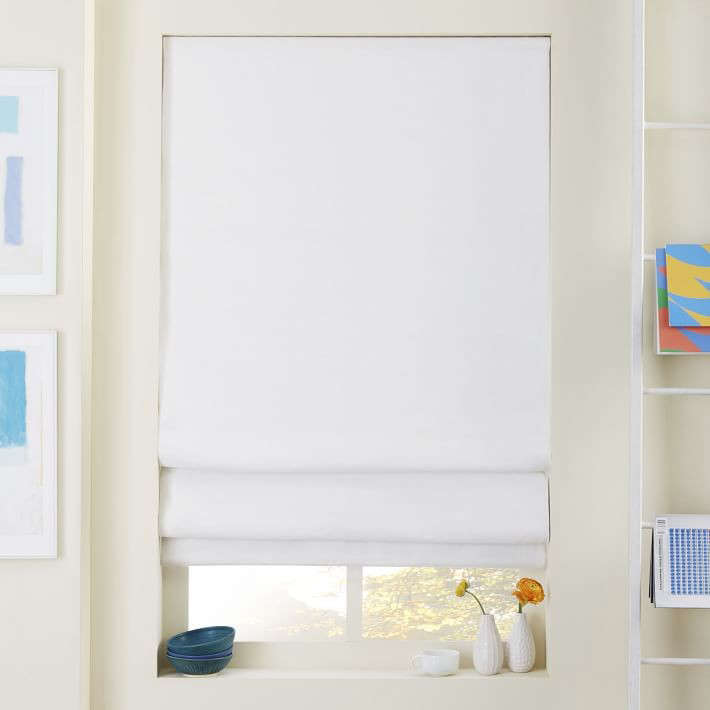

A white linen/cotton Roman shade with a blackout liner is one of those home upgrades that sounds quiet, polite, and maybe a little too well-behaveduntil you install it and realize your room suddenly looks like it has a design degree. It softens the window, filters the visual noise, blocks unwanted light, adds privacy, and gives a room that “I definitely own matching towels” feeling, even if your laundry basket strongly disagrees.
The beauty of the Linen/Cotton Roman Shade + Blackout Liner – White is that it balances two things homeowners often struggle to combine: texture and performance. Linen and cotton bring the relaxed, woven look people love in coastal, modern farmhouse, transitional, Scandinavian, and minimalist interiors. The blackout liner adds the practical backbone: better light control, improved privacy, less glare, and a more restful atmosphere for bedrooms, nurseries, offices, media rooms, and bright living spaces.
Unlike hard blinds, which can feel a little office-break-room if chosen poorly, Roman shades fold into soft horizontal pleats when raised. They look tailored without being stiff, classic without feeling old-fashioned, and clean without looking cold. In white, they become especially versatilelike the plain white T-shirt of window treatments, except this one does not shrink in the dryer or mysteriously disappear during vacation packing.
What Is a Linen/Cotton Roman Shade with a Blackout Liner?
A Roman shade is a fabric window covering that lifts upward in neat folds rather than rolling around a tube or tilting like blinds. The front fabric creates the decorative face, while the liner is attached to the back for function. In this case, the front fabric is a linen/cotton blend, and the back is a blackout liner designed to reduce incoming light and increase privacy.
Linen brings natural texture, subtle slubs, and a breezy, organic look. Cotton adds softness, structure, and familiarity. Together, the blend often performs better than linen alone because cotton can help the fabric feel smoother and more stable, while linen keeps it from looking flat. The result is a shade with visible woven character but enough polish to sit comfortably in a formal dining room, a serene bedroom, or a sunlit kitchen.
The blackout liner is the quiet hero. It sits behind the decorative fabric and helps block light from passing directly through the shade. It also makes the shade look fuller and more finished from inside the room. From the street-facing side, it can create a cleaner, more uniform appearance, especially when multiple windows face the front of the home.
Why White Works So Well
White window treatments have a reputation for being “safe,” but that is underselling them. A white Roman shade is not boring; it is strategic. White reflects a sense of cleanliness, openness, and calm. It does not fight with wall color, wallpaper, tile, trim, furniture, or seasonal decor. It simply says, “I’m here to make the room look better, not start drama.”
In a bedroom, a white linen/cotton Roman shade can make the space feel airy during the day and restful at night. In a bathroom, it adds softness to tile, stone, chrome, brass, and glass. In a kitchen, it warms up hard surfaces like countertops and backsplashes. In a nursery, it creates a gentle backdrop for color, pattern, and toys that multiply at a scientifically alarming rate.
White also works beautifully with layered interiors. Pair it with natural wood for warmth, black hardware for contrast, soft beige walls for a quiet neutral palette, or navy accents for a crisp coastal look. If your home has white trim, a white Roman shade can blend in gracefully. If your walls are darker, it creates a tailored frame around the window.
The Blackout Liner: More Than Just “Make It Dark”
The phrase “blackout liner” can sound dramatic, as if the shade has been trained for a spy mission. In reality, its job is simple: reduce light, increase privacy, and make a room more comfortable. A blackout-lined Roman shade is especially useful in spaces where sleep, screen visibility, or privacy matters.
Better Sleep Support
Bedrooms are the most obvious place for blackout Roman shades. Streetlights, early sunrise, headlights, porch lights, and the neighbor’s security lamp that appears to be auditioning for a stadium can all interfere with sleep. A blackout liner helps create a darker sleep environment, which can be helpful for adults, children, shift workers, and anyone who considers sleeping past 6:15 a.m. a basic human right.
Improved Privacy
White fabric alone can look beautiful, but without lining it may become more translucent when light hits it from behind. A blackout liner helps prevent silhouettes and shadows from showing through, making it a smart choice for bedrooms, bathrooms, street-facing rooms, and homes built close to neighboring houses.
Reduced Glare
In home offices and media rooms, glare can be the villain. A blackout-lined Roman shade can reduce harsh sunlight on laptop screens, televisions, tablets, and glossy surfaces. This is particularly useful for east-facing rooms in the morning and west-facing rooms in the late afternoon.
Added Comfort
Any fabric shade installed close to the window can add a soft barrier between the glass and the room. While cellular shades are often the strongest option for insulation, lined Roman shades still help reduce direct sun exposure and can make a room feel less harsh during hot, bright periods. The blackout liner adds body to the shade and can contribute to a more comfortable indoor feel.
Linen/Cotton Texture: The Design Detail People Notice
One reason linen/cotton Roman shades remain popular is that they bring texture without clutter. A plain roller shade can look sleek, but sometimes it disappears a little too much. A wood blind adds warmth, but it may not suit every room. A patterned curtain can be gorgeous, but it can also demand attention like a guest who brought a guitar to dinner.
A white linen/cotton Roman shade sits in the sweet spot. It has enough texture to look intentional, but not so much personality that it takes over. The natural weave gives depth to white fabric, preventing it from looking sterile. Up close, you see the threads, the subtle irregularities, and the softness. From across the room, you see a clean, tailored window.
This makes it ideal for interiors that rely on layered neutrals: white walls, cream upholstery, oak floors, jute rugs, marble counters, woven baskets, matte black fixtures, or brushed brass accents. The fabric adds warmth to minimal rooms and calm to busier ones.
Best Rooms for a White Linen/Cotton Roman Shade with Blackout Liner
Bedroom
This is the all-star location. The shade delivers softness, privacy, and room-darkening performance. Choose an outside mount if you want to reduce light gaps around the edges. For maximum darkness, layer it with side drapery panels.
Nursery or Child’s Room
A blackout liner can help manage nap schedules, early morning light, and bedtime routines. For children’s spaces, cordless or inaccessible-cord options are strongly preferred for safety. A white shade also gives the room longevity as decor changes from baby animals to dinosaurs to whatever mysterious phase comes next.
Home Office
A Roman shade can reduce screen glare while making a workspace feel more finished. White linen/cotton keeps the mood professional but not sterile, which is helpful if your video call background currently says “temporary storage closet.”
Living Room
In living rooms, a white Roman shade offers daytime elegance and evening privacy. It is especially attractive on smaller windows, windows behind furniture, or rooms where full-length curtains would feel too heavy.
Kitchen and Breakfast Nook
Roman shades are excellent where floor-length drapes are impractical. A white linen/cotton shade can soften cabinetry, tile, and countertops while keeping the window clean and tailored. Just be mindful around sinks and cooking zones; fabric shades should be kept away from constant splashes and grease.
Inside Mount vs. Outside Mount
Mounting style changes both the look and performance of the shade. An inside mount fits within the window frame. It looks built-in, clean, and architectural. It is great when you want to show off decorative trim or keep the wall area around the window open.
An outside mount attaches above and around the window frame. This can make the window appear taller or wider, hide imperfect trim, and reduce light gaps. For blackout performance, outside mount is often the stronger choice because the shade can overlap the window opening.
Before buying, measure carefully. Do not measure an old blind and assume it will work. Measure the actual window opening in multiple places. For inside mount, check the window depth so the shade and brackets can fit properly. If the window is not square, outside mount may be more forgiving.
How to Style a White Linen/Cotton Roman Shade
The good news: white is easy. The even better news: linen/cotton texture makes it look like you tried harder than you did.
For a Calm Bedroom
Pair the shade with warm white bedding, a natural wood nightstand, a soft wool rug, and a ceramic lamp. Add one darker accentcharcoal, olive, navy, or espressoto keep the room from floating away like a cloud with a mortgage.
For a Coastal Look
Combine the shade with rattan, light oak, blue-gray accents, woven baskets, and relaxed bedding. Keep the palette breezy but not theme-park nautical. One shell is charming. Forty-seven shells and a sign that says “Beach This Way” may require intervention.
For a Modern Farmhouse Room
Use black curtain rods, vintage-inspired lighting, warm wood furniture, and creamy walls. The white Roman shade keeps the window simple while the linen/cotton texture prevents the room from feeling too stark.
For a Minimalist Space
Let the shade blend with white walls and clean lines. Choose simple hardware, uncluttered furniture, and one or two organic textures, such as wood, stone, or woven upholstery. The shade adds softness without interrupting the architecture.
Blackout Does Not Always Mean Total Cave Mode
It is important to set realistic expectations. A blackout liner blocks light through the fabric, but some light may still enter around the sides, top, or bottom of the shade, especially with inside mounts. This is normal. If you need near-total darknessfor a nursery, media room, or night-shift sleep scheduleconsider an outside mount, wider overlap, side channels, or layering with blackout curtains.
Think of the shade as the main defense, not always the entire army. In many homes, a blackout-lined Roman shade is more than enough. In extremely bright rooms, layering gives you the best control.
Care and Maintenance
Fabric shades are not difficult to maintain, but they do prefer civilized behavior. Dust them regularly with a soft brush attachment or microfiber duster. Spot clean gently when needed, following the manufacturer’s instructions. Avoid soaking the fabric, scrubbing aggressively, or using harsh cleaners that could damage the weave or liner.
In kitchens, keep shades away from heavy grease exposure if possible. In bathrooms, make sure the room has proper ventilation. Linen and cotton blends can handle normal household use, but moisture and stains are still undefeated champions when ignored long enough.
Buying Checklist Before You Order
Before purchasing a white linen/cotton Roman shade with blackout liner, confirm the size, mount type, control type, liner details, and return policy. If samples are available, order them. White fabrics can look different depending on lighting, wall color, and nearby finishes. One “white” may lean warm and creamy, while another looks cooler and brighter.
Also check whether the shade is cordless, motorized, or uses a continuous loop with a tension device. Cordless options are cleaner visually and are generally preferred in homes with children or pets. Hardware quality matters too. A beautiful shade with clumsy hardware is like a tuxedo worn with squeaky sneakers.
Real-Life Experience: Living with a White Linen/Cotton Roman Shade and Blackout Liner
In everyday use, this kind of shade feels like one of those upgrades you appreciate more after a few weeks than on day one. At first, you notice the obvious things: the window looks cleaner, the room feels softer, and the white fabric brightens the space. Then the smaller benefits start showing up. The morning sun is less aggressive. The room feels more private at night. The window no longer looks unfinished. Even the furniture seems slightly more expensive, which is impressive because the sofa knows what it did.
In a bedroom, the biggest change is mood. A blackout-lined Roman shade can make the room feel calmer and more intentional. During the day, when raised, the folded fabric creates a tailored stack at the top of the window. It does not puddle, swing, or take up floor space. At night, when lowered, it creates a quiet backdrop that helps the room settle down. If you have ever tried to sleep while a streetlight slices across your pillow like a detective interrogation scene, you will understand the appeal quickly.
In a home office, the shade becomes more practical than decorative. White linen/cotton keeps the room looking professional on video calls, while the blackout liner helps reduce glare during bright hours. It is especially helpful if your desk faces a window or if sunlight moves across your screen in the afternoon. Instead of rearranging your entire work setup or wearing sunglasses indoors like a celebrity avoiding paparazzi, you simply lower the shade.
In a kitchen or breakfast nook, the shade adds a finished look without the fuss of long curtains. It works well above banquettes, sinks, counters, or small windows where drapery would be awkward. The white fabric makes the space feel fresh, while the linen/cotton texture keeps it from looking too plain. The one practical lesson is to be honest about mess. If the window is directly beside a splattering stove or a sink used by enthusiastic dishwashers, choose placement carefully or expect more spot cleaning.
One of the most pleasant surprises is how easily white Roman shades fit into changing decor. Swap blue pillows for rust, replace a rug, paint the walls, change brass hardware to matte blackthe shade still works. It does not lock the room into a trend. That flexibility makes it a smart purchase for renters, homeowners, new parents, decorators, and anyone who likes changing their mind without buying new window treatments every time.
The main lesson from using a blackout-lined Roman shade is that measuring and mounting matter as much as fabric. An inside mount looks crisp, but it may allow more edge light. An outside mount can improve coverage and make the window feel larger. If privacy and darkness are top priorities, generous coverage wins. If architectural neatness is the goal, inside mount may be the better choice.
Overall, the experience is simple: the shade makes the room feel quieter, cleaner, and more complete. It is not flashy. It does not shout. It just improves the space every single day, which is exactly what a good home product should do.
Conclusion
The Linen/Cotton Roman Shade + Blackout Liner – White is a strong choice for anyone who wants the softness of fabric, the elegance of a tailored window treatment, and the practical benefits of room-darkening privacy. Its linen/cotton texture brings warmth and character, while the white color keeps the look flexible and timeless. The blackout liner makes it especially useful in bedrooms, nurseries, offices, and street-facing rooms where light control matters.
It is not just a pretty window covering. It is a design tool, a privacy solution, a glare reducer, and a sleep-supporting sidekick rolled into one crisp, folded package. Choose the right mount, measure carefully, consider cordless operation, and style it with the confidence of someone who knows that yes, window treatments really can change the whole room.
Note: This publish-ready HTML article is written in original American English and synthesized from current home design, window treatment, safety, energy-efficiency, and retail product information without source-link artifacts.