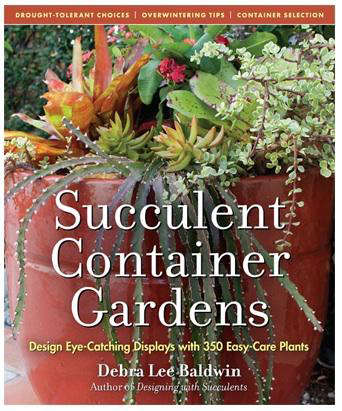

Succulent container gardens are the houseplants of the design world: stylish, forgiving, and unlikely to throw a dramatic tantrum because you forgot them for a few days. Built with fleshy-leaved plants such as echeveria, sedum, aloe, haworthia, jade plant, and sempervivum, these miniature gardens bring color, texture, and sculptural charm to patios, balconies, sunny windowsills, tabletops, and even office desks that desperately need personality.
The real magic of succulent container gardening is that it combines two things many gardeners love: low-maintenance plants and high-impact design. A single pot can look like a tiny desert landscape, a living bouquet, or a modern art installation that quietly says, “Yes, I have my life together,” even if your laundry pile disagrees. But while succulents are famously tough, they are not indestructible. Their biggest enemies are soggy soil, poor drainage, too little light, and enthusiastic overwatering by well-meaning humans with watering cans.
This guide explains how to create beautiful, healthy succulent container gardens from start to finish. You will learn how to choose the right pot, mix the best soil, arrange plants like a pro, water without causing root rot, and keep your mini garden looking fresh through the seasons.
What Makes Succulents Perfect for Container Gardens?
Succulents store water in their leaves, stems, or roots, which helps them survive dry conditions. That built-in water tank makes them excellent candidates for containers, especially in places where traditional garden beds are not possible. Apartment balcony? Perfect. Small porch? Absolutely. Sunny kitchen shelf? Bring it on. Succulent container gardens are especially useful for gardeners who want beauty without committing to daily watering rituals that feel like a second job.
Another advantage is variety. Succulents come in rosettes, spikes, beads, paddles, trailing chains, and plump little leaves that look suspiciously like candy but should definitely not be eaten. Their colors range from silvery blue and sage green to burgundy, coral, pink, purple, lime, and nearly black. By mixing shapes and shades, you can create a container garden that looks lush even when the plants themselves prefer dry, lean conditions.
Choosing the Best Container for Succulents
The best container for a succulent garden is not always the prettiest pot on the shelf. It is the pot that lets water escape. Drainage holes are not optional decoration; they are the emergency exits for excess water. Without them, moisture collects around the roots, and succulents can quickly decline from “adorable” to “botanical soup.”
Drainage Comes First
Choose a container with at least one drainage hole at the bottom. For wide bowls or trough planters, several holes are even better. If you fall in love with a container that has no drainage, use it as a decorative outer cachepot. Place a smaller nursery pot with drainage inside it, then remove the inner pot when watering so it can drain completely.
Terra-cotta pots are a classic choice because the porous clay allows moisture to evaporate faster. This is helpful for succulents, especially indoors where air movement may be limited. Glazed ceramic, metal, concrete, wood, and plastic can also work, but they hold moisture differently. A glazed pot may need less frequent watering than terra-cotta. A metal planter may heat up quickly outdoors. A shallow ceramic bowl may be perfect for a tabletop display, as long as it drains.
Size and Depth Matter
Most succulents have relatively shallow root systems, so they do not need a deep container. A pot that is too deep can hold extra soil, and extra soil can hold extra water. That does not mean you must use a tiny pot; it means the container should match the size of the plants. A shallow bowl, bonsai dish, trough, window box, or low terra-cotta planter often works beautifully.
The Best Soil for Succulent Container Gardens
Regular potting soil is usually too moisture-retentive for succulents when used by itself. Succulents prefer a gritty, fast-draining mix that allows air to reach the roots. Look for a commercial cactus and succulent mix, or make your own by blending potting mix with coarse sand, pumice, perlite, or small gravel. The goal is not beach sand in a bucket; the goal is structure, airflow, and quick drainage.
A simple homemade mix can include one part quality potting mix, one part coarse sand, and one part pumice or perlite. For outdoor containers in rainy climates, increase the mineral material so the mix dries faster. For hot, dry climates, you may want a slightly more moisture-retentive blend, but still avoid heavy, compacted soil.
Do not add garden soil to a succulent pot unless you enjoy experiments titled “Why Is This Pot So Dense?” Garden soil can compact in containers, reducing oxygen around the roots. Succulents do best when their roots can breathe.
How to Design a Succulent Container Garden
Designing a succulent container garden is part horticulture, part art project, and part puzzle. The best arrangements balance color, texture, height, and growth habit. Think of the container as a tiny landscape. Some plants will be the stars, some will fill the middle, and some will spill over the edges like they are making a graceful escape.
Use the Thriller, Filler, and Spiller Method
The classic container design formula works well for succulents:
- Thrillers: Tall or dramatic plants such as aloe, agave, kalanchoe, or upright sedum.
- Fillers: Rosette-forming succulents such as echeveria, sempervivum, graptoveria, or haworthia.
- Spillers: Trailing plants such as string of pearls, burro’s tail, trailing sedum, or string of bananas.
In a shallow bowl, place the largest or most dramatic plant slightly off center. Then tuck medium-sized rosettes around it and add trailing succulents near the rim. This creates movement and keeps the arrangement from looking like a plant lineup at a tiny botanical DMV.
Group Plants with Similar Needs
Not all succulents want the same conditions. Some prefer bright direct sun, while others, such as haworthia and gasteria, appreciate bright indirect light. Some are hardy outdoors in cold climates, while others must come indoors before frost. Before combining plants, check their light, water, and temperature preferences. A successful succulent arrangement is not just pretty; it is compatible.
Best Succulents for Container Gardens
For beginners, start with reliable plants that tolerate container life well. Echeveria offers beautiful rosettes in soft colors. Sedum comes in upright and trailing forms and is often very forgiving. Sempervivum, also called hens and chicks, is excellent for outdoor containers in many climates. Haworthia is a smart indoor choice because it handles bright indirect light better than many desert-style succulents. Aloe adds height and structure, while jade plant brings glossy green leaves and a small-tree look.
For drama, try agave in a larger pot, but give it room and handle it carefully because the leaves can be sharp. For softness, use burro’s tail or string of pearls as trailing accents. For color, look for kalanchoe, graptoveria, aeonium, or sedum varieties with bronze, purple, or chartreuse tones. The best succulent container gardens often include a mix of rosettes, upright shapes, trailing stems, and fine textures.
Step-by-Step: How to Plant a Succulent Container Garden
1. Gather Your Materials
You will need a container with drainage, cactus or succulent potting mix, selected succulents, small stones or decorative gravel, gloves, and a narrow trowel or spoon. A soft paintbrush is helpful for brushing soil off leaves after planting.
2. Prepare the Container
Cover large drainage holes with a small piece of mesh, coffee filter, or broken pottery shard to keep soil from washing out. Do not create a thick gravel layer at the bottom as a substitute for drainage. Water does not magically disappear into gravel; it still sits inside the pot. Drainage holes plus fast-draining soil are the winning team.
3. Add Soil and Arrange Plants
Fill the container partway with succulent mix. Before planting, set the nursery pots on top of the soil and test your arrangement. Turn the container as you work so it looks good from multiple angles. When you are happy with the layout, remove each plant from its nursery pot, loosen crowded roots gently, and plant it at roughly the same depth it was growing before.
4. Leave Space for Growth
It is tempting to pack succulents tightly for an instant “wow” effect. That can work for short-term displays, but for long-term gardens, leave a little breathing room. Crowded plants compete for light and airflow, and hidden damp spots can invite rot. Give each plant enough space to grow without elbowing its neighbor in the ribs, assuming succulents had ribs.
5. Add a Top Dressing
A thin layer of decorative gravel, small pebbles, crushed stone, or coarse sand can finish the look and help keep leaves away from damp soil. Choose a color that complements the plants and container. Pale gravel highlights blue and green succulents, while darker stone makes silver and pink tones pop.
Watering Succulent Container Gardens the Right Way
The golden rule is simple: water deeply, then let the soil dry before watering again. Succulents do not want daily sips. They prefer a thorough drink followed by a dry period. When the soil is dry, water until moisture runs from the drainage holes, then let the pot drain completely. Never allow the container to sit in a saucer of water.
How often should you water? It depends on light, temperature, season, pot material, and plant type. A sunny outdoor terra-cotta pot in July may dry quickly. An indoor glazed bowl in winter may stay moist for weeks. Instead of following a rigid calendar, check the soil. If the top layer is dry but deeper soil still feels damp, wait. Your succulent will not be offended.
Avoid misting as the main watering method. Misting wets the leaves and surface but may not hydrate the roots. It can also encourage rot in tight rosettes. Aim water at the soil, not into the crown of the plant.
Light Requirements for Healthy Succulents
Most succulents need bright light to stay compact and colorful. Indoors, place them near a sunny south- or west-facing window when possible. If the plants stretch, lean, or lose color, they may need more light. This stretching is called etiolation, which is a fancy word for “your plant is reaching for the sun like it is auditioning for a musical.”
Outdoors, many succulents enjoy morning sun and light afternoon shade, especially in very hot regions. Sudden exposure to intense direct sun can burn leaves, so transition indoor plants gradually when moving them outside. Start with bright shade, then increase sun exposure over a week or two.
Indoor vs. Outdoor Succulent Container Gardens
Indoor succulent gardens are ideal for windowsills, desks, shelves, and dining tables. Choose compact plants such as haworthia, gasteria, jade, echeveria, and small aloe varieties. Make sure indoor pots drain well and receive enough light. If natural light is weak, a grow light can help maintain healthy growth.
Outdoor succulent container gardens offer more design freedom. You can use larger bowls, troughs, strawberry jars, wall planters, hanging baskets, and repurposed containers. Outdoors, pay close attention to rain. A succulent pot that is perfect in dry summer weather may struggle during a wet spell. Move containers under cover during long periods of rain if needed.
Common Problems and Easy Fixes
Yellow, Mushy Leaves
This usually points to overwatering or poor drainage. Stop watering, check the soil, and remove any rotting leaves. If the soil smells sour or stays wet too long, repot the garden into a faster-draining mix.
Wrinkled or Shriveled Leaves
Wrinkled leaves may mean the plant is thirsty, especially if the soil is completely dry. Water deeply and observe. However, damaged roots from previous overwatering can also prevent water uptake, so check the roots if the plant does not improve.
Stretching Plants
Long gaps between leaves usually mean insufficient light. Move the container to a brighter location gradually. You can prune stretched stems and propagate healthy cuttings.
Pests
Succulents are generally low-pest plants, but mealybugs, aphids, and scale can appear. Inspect new plants before adding them to a container garden. If pests show up, isolate the affected plant and treat early with appropriate methods such as wiping insects away with cotton swabs dipped in rubbing alcohol.
Creative Succulent Container Garden Ideas
Succulents look good in traditional pots, but they also shine in creative containers. Try a shallow stone bowl for a modern centerpiece, a terra-cotta trough for a Mediterranean patio, a wooden box for rustic charm, or a hanging basket filled with trailing sedum and string succulents. Old birdbaths, teacups, pumpkins, and vintage tins can work for temporary displays, as long as you manage drainage carefully.
For a polished look, repeat one color family. Pair blue echeveria with silver stone and a gray ceramic bowl. For a playful look, mix lime sedum, burgundy aeonium, pink graptoveria, and cream gravel. For a desert landscape effect, add small rocks, miniature driftwood, and a single upright aloe as the focal point.
Seasonal Care Tips
In spring and summer, many succulents are actively growing and may need more frequent watering. This is also the best time to refresh containers, prune leggy stems, and propagate cuttings. Fertilize lightly if needed with a diluted balanced fertilizer, but do not overfeed. Too much fertilizer can lead to weak, stretched growth.
In fall and winter, growth often slows. Reduce watering, especially indoors. Keep tender succulents away from cold drafts and bring non-hardy plants indoors before frost. Hardy succulents such as some sedum and sempervivum can tolerate cold better, but containers expose roots to more temperature swings than garden beds, so protection may still be necessary.
Field Notes: Real-Life Experiences with Succulent Container Gardens
One of the best things about succulent container gardens is that they teach patience without making you feel like you are taking a final exam in botany. My first serious succulent bowl looked fantastic on planting day. It had blue echeveria, a small jade plant, trailing sedum, and a dramatic aloe in the middle. I placed it on a sunny patio table, admired it like a proud plant parent, and then made the classic beginner mistake: I loved it with too much water.
At first, nothing seemed wrong. Then one echeveria began dropping lower leaves. I assumed it was thirsty, because apparently my brain had decided that all plant problems required more water. A week later, the soil was still damp, the leaves were translucent, and the plant looked like it had given up its will to live. That was the moment I learned the most important succulent lesson: kindness with a watering can can still be a crime scene.
The rescue operation was surprisingly simple. I removed the unhealthy plant, replaced the wet soil with a grittier mix, and moved the container where it received bright morning sun but protection from heavy rain. I also started checking the soil with my finger instead of watering on a schedule. The remaining succulents recovered, and the arrangement eventually filled in better than before. The gap left by the lost echeveria became a perfect spot for a small haworthia, which handled the container beautifully.
Another useful experience came from comparing containers. A terra-cotta bowl on the porch dried quickly and needed regular checking during hot weather. A glazed ceramic dish indoors stayed moist much longer, even with the same soil mix. The plants in terra-cotta grew tighter and more colorful because they received more sun and dried faster. The indoor dish required less water and more careful placement near a bright window. Same plants, different pot, different personality. Succulent containers are basically roommates: each setup has its own habits.
I have also learned that top dressing makes a bigger difference than expected. A thin layer of small gravel instantly makes a container look finished, like the plant equivalent of putting on nice shoes. It keeps soil from splashing onto leaves and helps define the design. However, thick decorative layers can hide soil moisture, so I keep them light and still check below the surface before watering.
For beginners, the best experience-based advice is to start small, use drainage, and avoid mixing too many fussy plants in one pot. Choose three to five compatible succulents, give them bright light, and let the soil dry between waterings. Do not panic over one dropped leaf. Do not water because you feel guilty. And do not assume every succulent wants blazing afternoon sun. Watch the plants. Firm leaves, compact growth, and steady color usually mean you are on the right path.
Over time, succulent container gardening becomes less about strict rules and more about observation. You begin to notice when leaves soften, when rosettes lean, when colors intensify, and when a pot dries faster after windy weather. That quiet attention is part of the fun. A succulent container garden may be small, but it gives back a lot: beauty, calm, and the satisfying feeling that you can grow something lovely without needing a greenhouse, a huge yard, or a degree in plant psychology.
Conclusion
Succulent container gardens are a smart, stylish way to bring living design into almost any space. They are ideal for beginners, small-space gardeners, busy homeowners, and anyone who wants a garden that does not demand constant supervision. The secret is not complicated: choose a container with drainage, use gritty fast-draining soil, provide bright light, water deeply but infrequently, and combine plants with similar needs.
With the right setup, succulents can thrive in bowls, pots, troughs, hanging baskets, and creative recycled containers. Whether you prefer a sleek modern centerpiece or a quirky patio display, these resilient plants offer endless room for creativity. Treat them less like thirsty tropical plants and more like desert artists, and they will reward you with color, texture, and quiet charm season after season.
Note: This article is prepared as original, web-ready content based on real gardening principles and practical succulent container care guidance.