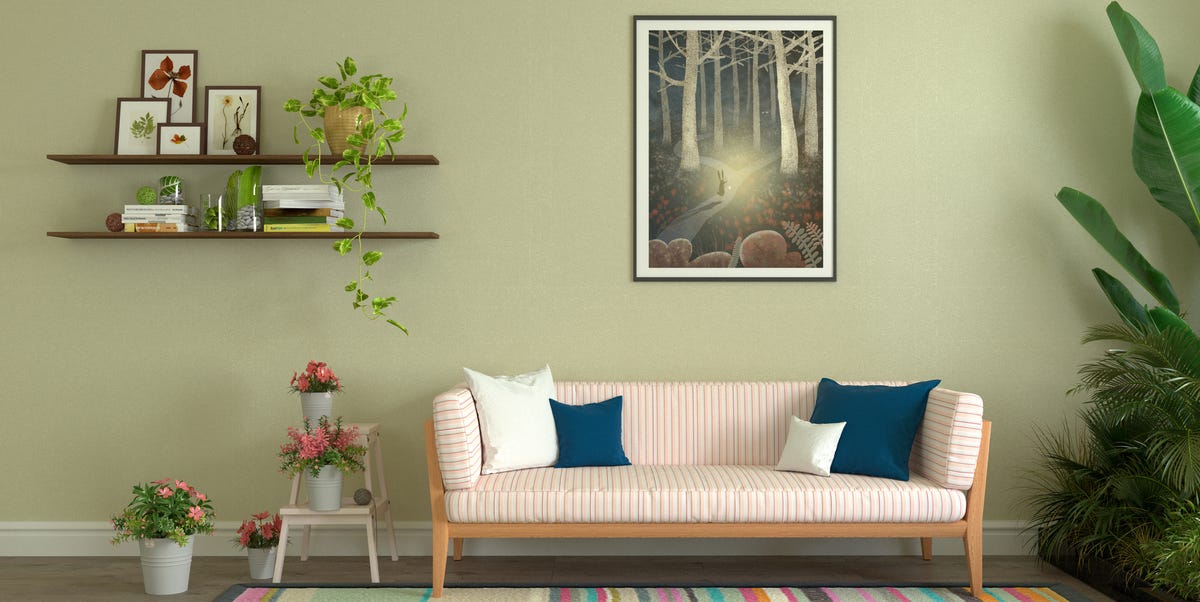

In 2026, the American home is no longer trying to look like a polite hotel lobby where no one has ever spilled coffee, owned a dog, or yelled “Where is the charger?” across the room. According to Zillow’s 2026 home trends data, buyers and homeowners are leaning into spaces that feel warmer, bolder, more personal, more resilient, andthankfullyless allergic to personality.
Zillow analyzed millions of for-sale listings to understand which home features are appearing more often and which ones are losing momentum. The result is a fascinating snapshot of how people want to live now: not in sterile showrooms, but in homes that recharge them, entertain them, protect them, and tell a story. The big picture is clear. The hottest home trends of 2026 are about emotional value as much as resale value.
Yes, practical upgrades still matter. Energy efficiency, disaster readiness, smart home features, and low-maintenance finishes are all part of the conversation. But the most desirable homes in 2026 also offer something deeper: a sense of retreat. A reading nook. A moody bedroom. A spa-like bathroom. A backyard that feels like a weekend getaway. A kitchen that says, “I cook,” even if the owner’s most complex recipe is still “open delivery app.”
Why Zillow’s 2026 Home Trends Matter
Zillow’s trend reports matter because real estate listings are brutally efficient. Listing descriptions are short, so agents tend to mention only the features they believe will attract attention. When certain terms suddenly appear more oftensuch as color drenching, reading nook, zero-energy-ready, spa-inspired bathroom, or golf simulatorit signals that these features are no longer niche design fantasies. They are becoming buyer bait.
For homeowners, these trends are useful even if selling is not on the calendar. A good trend should improve daily life first and resale potential second. The best 2026 home design trends do both. They make a house more enjoyable now and more memorable later when buyers are scrolling through dozens of nearly identical listings.
1. Color Drenching Brings Drama Back Home
One of Zillow’s biggest 2026 home trends is color drenching, a design approach where one color covers the walls, trim, ceiling, and sometimes even furniture or built-ins. Mentions of color drenching surged in Zillow listings, proving that homeowners are officially tired of rooms that look like they were dipped in skim milk.
Color drenching works because it creates instant atmosphere. A deep green office feels focused and grounded. A chocolate brown bedroom feels cozy and expensive. A smoky blue den can make even a small room feel intentional rather than forgotten. The trick is not to choose the loudest color in the paint deck and attack the house with a roller. The best color-drenched rooms use rich, livable tones that wrap the space in mood.
How to use color drenching without regret
Start with a contained room: a powder room, guest bedroom, library, dining room, or home office. These spaces can handle stronger design choices because people do not spend every waking hour there. For wider appeal, choose earthy shades such as sage green, olive, charcoal, deep blue, mushroom, clay, or warm brown. Think “boutique hotel with a fireplace,” not “children’s party balloon exploded.”
2. Warm, Moody Paint Colors Are Replacing Stark White
Zillow’s 2026 Paint Color Analysis shows another major shift: buyers are responding to warm, grounded interiors more than blank white walls. Chocolate brown bedrooms, sage green rooms, charcoal kitchens, pale blue living rooms, and other expressive colors are becoming more desirable because they help homes feel finished and emotionally inviting.
White is not dead. It is simply no longer the automatic answer to every design question. For years, sellers were told to depersonalize everything. In 2026, the better advice is to depersonalize clutter, not character. A room can still feel broadly appealing while having warmth, texture, and a point of view.
Sage green stands out because it behaves like a modern neutral. It pairs beautifully with wood, stone, brass, cream, black, and handmade tile. Chocolate brown has also returned, but in a more sophisticated way than the espresso furniture era of the 2000s. Today’s brown is softer, richer, and more layered. It looks especially good with linen bedding, natural wood, plaster walls, and warm lighting.
3. Reading Nooks Are the New Luxury Flex
One of the sweetest Zillow 2026 home trends is the rise of the reading nook. In an age when everyone’s phone behaves like a tiny chaos rectangle, a quiet corner has become surprisingly powerful. Reading nooks appeared more often in Zillow listings, reflecting a growing desire for screen-free relaxation at home.
A reading nook does not require a mansion, a rolling library ladder, or a mysterious inheritance from a relative with a castle. It can be a window bench, an unused hallway corner, a landing under the stairs, or a comfy chair beside built-in shelves. What matters is the feeling: tucked away, comfortable, well-lit, and slightly removed from the household traffic pattern.
What makes a reading nook feel expensive?
Use layered lighting, a washable cushion, a small side table, and shelves or wall hooks nearby. Add texture through pillows, wool throws, woven baskets, or wood trim. If the nook has a view, frame it. If it does not, create one with artwork or wallpaper. A great reading nook whispers, “Stay five more minutes,” which is exactly how people lose an entire Saturday to a novel and feel absolutely no shame.
4. Resilient Homes Are Moving From Bonus to Necessity
Beauty is nice, but a beautiful home that panics during every storm is not exactly the dream. Zillow reports growing mentions of flood protection, elevated structures, fire safety features, defensible space landscaping, and fire protection systems. In 2026, resilience is a home trend because climate risk is no longer abstract for many buyers.
Resilient design can look different depending on location. In flood-prone areas, it may mean elevated mechanical systems, better drainage, flood vents, water-resistant materials, or raised living spaces. In wildfire-prone regions, buyers may look for defensible landscaping, ember-resistant vents, noncombustible siding, metal roofing, and clear space around the home.
The most important point is that resilience does not have to ruin curb appeal. A thoughtfully designed resilient home can still look warm, stylish, and welcoming. The best upgrades are the ones that disappear into the design until the day they are needed.
5. Sustainability Is Becoming a Selling Point
Eco-conscious home features are becoming mainstream. Zillow notes increased listing mentions of zero-energy-ready homes, whole-home batteries, electric vehicle charging, and broader terms such as sustainable and green. This is not just about hugging trees, although trees remain highly huggable. It is also about saving money, improving comfort, and reducing dependence on fragile systems.
In 2026, buyers are looking for homes that are efficient without feeling complicated. Solar panels, improved insulation, smart thermostats, energy-efficient windows, heat pumps, low-flow fixtures, and battery backup systems all speak to the same desire: a home that costs less to run and performs better under pressure.
Small sustainable upgrades with big appeal
Not every homeowner can install a full renewable energy system. Smaller changes still matter. Add LED lighting, weather stripping, ceiling fans, native landscaping, low-water irrigation, insulated curtains, Energy Star appliances, and smart plugs. These upgrades are not glamorous in the celebrity-home-tour sense, but they are the quiet heroes of a comfortable house.
6. Spa-Inspired Bathrooms Turn Daily Routines Into Rituals
Wellness remains a major force in 2026 home design. Zillow found more mentions of wellness features and spa-inspired bathrooms, while NKBA’s 2026 bath trend reporting also points toward personalization, smart fixtures, wellness technology, aging-in-place features, and self-care routines.
The modern bathroom is becoming less of a utility zone and more of a decompression chamber. Homeowners want better lighting, warmer materials, steam showers, soaking tubs, built-in benches, curbless showers, improved storage, and finishes that feel calm rather than clinical. Nobody wants a bathroom that looks like a dentist’s office with towels.
For an attainable spa effect, focus on sensory details. Use dimmable lighting, a quiet exhaust fan, soft towels, stone-look tile, warm wood accents, plants that tolerate humidity, and concealed storage. The goal is not to recreate a five-star resort. The goal is to stop shampoo bottles from staging a plastic rebellion along the tub ledge.
7. At-Home Sports Spaces Are Replacing the Old Rec Room
Zillow’s 2026 report shows rising listing mentions of golf simulators, pickleball courts, and even batting cages. Meanwhile, “man cave” mentions declined. Translation: the old basement room with a recliner, a mini fridge, and suspicious carpet is getting a performance upgrade.
Home recreation is becoming more active and skill-based. A golf simulator can turn a garage or bonus room into a year-round practice space. A pickleball court can transform a backyard into a social hub. Even smaller homes can participate with flexible fitness corners, wall-mounted storage, foldable equipment, or compact yoga and mobility zones.
Design tip for active spaces
Make the room adaptable. Today’s golf simulator may be tomorrow’s teen hangout, workout zone, or movie room. Durable flooring, acoustic panels, good ventilation, and hidden storage can keep the space functional without making it look like a sporting goods store had a yard sale indoors.
8. Artisan, Vintage, and Whimsical Details Add Character
Cookie-cutter design is fading. Zillow found rising mentions of artisan craftsmanship, vintage accents, and whimsical touches. Zillow’s Buzz Index also shows that character-rich features such as exposed beams, Victorian architecture, exposed brick, open shelving, arched doorways, vintage details, Tudor style, midcentury design, and A-frame architecture can drive stronger buyer engagement.
This is one of the most important home trends of 2026 because it changes how people think about value. A house does not need to be perfect to be desirable. It needs to be memorable. Original hardwood floors, built-in bookcases, handmade tile, arched openings, an old brick fireplace, or a quirky garden shed can make a home stand out in a sea of gray vinyl sameness.
The key is editing. Whimsy should feel charming, not chaotic. A hand-painted powder room ceiling? Delightful. A different novelty wallpaper in every room? That may be less “collected home” and more “design escape room.” Use character as seasoning, not soup.
9. Quartzite and Durable Luxury Are Winning in Kitchens
Zillow’s 2026 research on home features that sell for more highlights quartzite countertops as a strong performer, even outpacing other popular countertop materials in associated sale premiums. The appeal is easy to understand. Quartzite has the elevated look of natural stone with durability that suits real life.
Kitchens in 2026 are expected to be both beautiful and hardworking. Buyers want surfaces that photograph well, but they also want materials that can survive hot pans, messy breakfasts, homework, holiday cooking, and the occasional mysterious sticky spot no one in the family will admit creating.
Other kitchen trends support this same idea: hidden storage, activity zones, better lighting, warmer woods, earthy cabinet colors, and fewer single-use luxury gimmicks. Zillow’s report notes that juice stations are declining, which suggests buyers would rather have versatile upgrades than a shrine to celery.
10. Cottage-Inspired Living Makes Everyday Life Feel Like a Getaway
Zillow’s 2026 home features research also points to the popularity of cottage-inspired lifestyle amenities. Docks, outdoor kitchens, outdoor showers, waterfront features, outdoor fireplaces, and the word cottage itself are associated with stronger sale performance. The underlying trend is not just cottagecore aesthetics. It is the desire for a home that feels like an escape.
This trend works far beyond lake houses and coastal properties. A suburban backyard can borrow the feeling with a gravel patio, string lights, Adirondack chairs, a fire feature, herb planters, and a small dining area. A front porch can become a cottage moment with rocking chairs, lanterns, layered planters, and a painted door.
The fantasy is simple: people want to feel like they can exhale when they get home. If the house can deliver a little vacation energy on a Tuesday night, it has done its job.
What’s Going Out in 2026?
Every trend report has a polite way of saying, “Maybe stop doing that.” According to Zillow, juice stations and marble sinks are losing steam. The reason is practical. Juice stations are too specific, and marble sinks can be high-maintenance. Buyers are choosing flexible, durable features over fussy showpieces.
Also fading: cold gray interiors, overly sterile white rooms, generic builder-grade finishes, and spaces with no clear function. The 2026 buyer wants warmth, identity, efficiency, and emotional connection. A home can still be clean and simple, but it should not feel like the waiting room of a very expensive dermatologist.
Experience-Based Tips: How to Actually Use These 2026 Home Trends
After looking at Zillow’s 2026 home trends, the biggest practical lesson is this: do not chase every trend at once. A home that tries to include color drenching, pickleball, cottagecore, spa bathing, exposed beams, a golf simulator, and a treehouse all in one weekend may end up less “dream home” and more “algorithm had a nervous breakdown.” The smartest approach is to choose the trends that match the way you already live.
For example, if your family spends most evenings in the kitchen, start there. Repainting cabinets in a warm green, adding better under-cabinet lighting, replacing a tired countertop, or creating hidden storage can change daily life quickly. A kitchen does not need to become magazine-perfect to feel upgraded. Sometimes the best improvement is simply having a place for the blender that is not “angrily shoved behind the cereal.”
If your home feels visually flat, begin with color and texture. A color-drenched powder room is a low-risk experiment because guests only spend a few minutes there and will probably praise your bravery before returning to the snacks. In bedrooms, warmer tones such as chocolate brown, sage green, or charcoal can make the room feel more restful. The experience of waking up in a cozy, grounded room is very different from waking up inside a plain white box that appears to be waiting for a lease inspection.
If stress is the problem, focus on restorative spaces. A reading nook can be created with one chair, one lamp, and one rule: no doom-scrolling. A spa-inspired bathroom can start with a curved shower rod, better towels, dimmable bulbs, eucalyptus, and decluttered counters. These changes are not only decorative. They shape behavior. A calm corner invites reading. A better bathroom routine makes mornings less chaotic. A tidy entryway prevents the daily shoe avalanche from becoming a family tradition.
If resale is part of the plan, prioritize improvements that photograph well and communicate value quickly. Buyers browsing online respond to visible signals: rich paint, good lighting, character details, outdoor living areas, clean storage, and durable finishes. Mentioning exposed brick, original hardwood floors, arched doorways, a remodeled kitchen, an outdoor fireplace, or EV charging can help a listing stand out because those details create immediate mental pictures.
However, personalization should be thoughtful. A whimsical wallpapered ceiling in a reading nook can be charming. A neon-orange kitchen with matching appliances may be harder to explain to future buyers unless the listing includes free sunglasses. Use personality in places where it feels intentional, and keep expensive permanent features flexible.
The best 2026 home trend experience is not about impressing visitors. It is about making the home work better for real life. A resilient upgrade protects the house. A sustainable upgrade lowers bills. A sports space encourages movement. A reading nook supports quiet. A cottage-style patio makes dinner outside feel special. A warm paint color makes a room feel alive. When trends serve actual routines, they stop being trends and become improvements.
Conclusion: The 2026 Dream Home Has Soul
The home trends everyone will want in 2026, according to Zillow, point to one major shift: buyers are done worshiping blankness. The new dream home is expressive, warm, efficient, resilient, and personal. It offers cozy corners and strong systems, beautiful finishes and practical durability, playful amenities and peaceful retreats.
Color drenching, reading nooks, spa-inspired bathrooms, sustainable upgrades, resilient design, sport spaces, quartzite counters, cottage-style outdoor living, and character-rich architecture all reflect the same desire. People want homes that do more than shelter them. They want homes that support their health, hobbies, routines, values, and need for a little everyday magic.
For sellers, the message is clear: highlight what makes the home special. For homeowners, the advice is even better: make the home special for yourself first. The right upgrades should make daily life easier, calmer, safer, or more joyful. If they also make future buyers fall in love faster, congratulationsyou have found the rare trend that pays rent emotionally and financially.