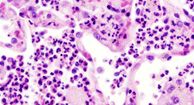

Aspiration pneumonia sounds like a complicated medical phrase, but the idea is surprisingly simple: something that should have gone down the food pipe takes a wrong turn into the airway and reaches the lungs. That “something” may be saliva, food, liquid, vomit, stomach acid, oral bacteria, or tiny particles that hitch a ride when swallowing does not go according to plan. The lungs, as talented as they are, are not fond of surprise snacks. When bacteria-rich material enters the lower airways, infection and inflammation can follow.
This condition matters because it can look like regular pneumonia at first: cough, fever, shortness of breath, fatigue, chest discomfort, and that general “my body has filed a complaint” feeling. But aspiration pneumonia has its own backstory. It often appears in people who have difficulty swallowing, reduced alertness, neurologic disease, reflux, poor oral health, advanced age, or a weakened cough reflex. In other words, aspiration pneumonia is not just about one unlucky sip of water. It is usually the result of several risk factors lining up like very unhelpful dominoes.
Below is a clear, practical, and SEO-friendly guide to aspiration pneumonia, including what it is, why it happens, who is most at risk, which symptoms to watch for, and how real-life caregiving experience can help families recognize warning signs earlier.
What Is Aspiration Pneumonia?
Aspiration pneumonia is a lung infection that develops after foreign material enters the airways and reaches the lungs. The most common culprits are oral secretions, food particles, liquids, stomach contents, or saliva containing bacteria. Once this material settles in the lungs, bacteria can multiply and trigger inflammation in the air sacs, making breathing harder and oxygen exchange less efficient.
The word “aspiration” can be confusing because it also means ambition, as in “career aspirations.” Sadly, aspiration pneumonia has nothing to do with chasing dreams unless your dream is to swallow safely without your soup staging a rebellion. In medical language, aspiration means drawing something into the airway during breathing or swallowing.
Aspiration Pneumonia vs. Aspiration Pneumonitis
Two terms often appear together: aspiration pneumonia and aspiration pneumonitis. They are related but not identical.
Aspiration pneumonitis is irritation and inflammation caused by inhaling a toxic or irritating substance, such as stomach acid. It may happen suddenly, especially after vomiting, anesthesia, overdose, seizure, or reduced consciousness. Symptoms can improve within a day or two if infection does not develop.
Aspiration pneumonia is infection caused by bacteria entering the lungs, often from the mouth or throat. It may develop more gradually, especially in older adults, people with dysphagia, or those who silently aspirate small amounts over time.
The distinction matters because treatment decisions may differ. Antibiotics are used for bacterial aspiration pneumonia, but they are not automatically needed after every aspiration event. A healthcare professional looks at the timing, symptoms, oxygen level, imaging, medical history, and overall condition before deciding what treatment is appropriate.
How Aspiration Happens
Normal swallowing is a tiny miracle that most people never appreciate until it stops working smoothly. When you swallow, muscles in the mouth and throat coordinate like a well-trained marching band. The epiglottis, a small flap of tissue, helps cover the windpipe so food and liquid move into the esophagus instead of the trachea. A strong cough reflex acts as backup security. When this system weakens, slows down, or becomes poorly coordinated, material may enter the airway.
Aspiration can happen during eating or drinking. It can also happen after meals when reflux brings stomach contents back up into the throat. In some people, aspiration occurs during sleep, especially if reflux, poor oral health, or swallowing problems are present. Some episodes are obvious, with choking and coughing. Others are silent, meaning the person does not cough or show immediate distress. Silent aspiration can be especially tricky because it behaves like a sneaky houseguest: no announcement, but plenty of trouble later.
Main Causes of Aspiration Pneumonia
1. Dysphagia, or Trouble Swallowing
Dysphagia is one of the biggest risk factors for aspiration pneumonia. It can occur after stroke, with Parkinson’s disease, dementia, head and neck cancer, esophageal disorders, neuromuscular disease, or general frailty. People with dysphagia may cough while eating, clear their throat often, need extra time to finish meals, feel food sticking in the throat, or develop a wet-sounding voice after swallowing.
Dysphagia does not guarantee pneumonia, but it raises the risk, especially when combined with poor oral hygiene, dependence on others for feeding, weak cough, reduced mobility, dehydration, or immune weakness.
2. Reduced Alertness or Impaired Consciousness
Anything that lowers alertness can interfere with protective airway reflexes. Examples include general anesthesia, seizures, head injury, severe illness, alcohol intoxication, sedating medications, or drug overdose. When someone is not fully alert, they may not swallow or cough effectively. Vomit or secretions can enter the airway before the body has time to defend itself.
3. Neurologic Conditions
Stroke, dementia, Parkinson’s disease, multiple sclerosis, amyotrophic lateral sclerosis, traumatic brain injury, and other neurologic disorders can affect the muscles and nerves needed for safe swallowing. A person may appear to eat normally but still aspirate small amounts. This is why swallow evaluations are common after a stroke or when unexplained coughing during meals appears.
4. Gastroesophageal Reflux Disease
GERD can contribute to aspiration when stomach contents travel backward into the throat and airway. Reflux-related aspiration may be more likely when lying flat, eating close to bedtime, or having conditions that slow stomach emptying. Stomach acid can irritate the lungs, while bacteria from the upper digestive tract can contribute to infection.
5. Poor Oral Hygiene
The mouth is not sterile. It is more like a busy subway station for bacteria. Good oral care helps keep the bacterial load under control. Poor oral hygiene, dental disease, dry mouth, dentures that are not cleaned properly, or dependence on others for mouth care can increase the number of harmful organisms in saliva. If that saliva is aspirated, the lungs receive a less-than-charming bacterial delivery.
6. Feeding Tubes and Medical Devices
Feeding tubes may be necessary for nutrition, but they do not completely eliminate aspiration risk. A person can still aspirate saliva, refluxed stomach contents, or oral secretions. Tracheostomy tubes, ventilators, and prolonged hospitalization may also increase vulnerability, especially in people who are already weak or critically ill.
7. Advanced Age and Frailty
Older adults are more likely to have several overlapping risk factors: weaker cough, slower swallowing, chronic illness, reduced mobility, medication side effects, dental problems, and dependence on others for meals. That combination can make aspiration pneumonia more likely and harder to recognize early.
Common Symptoms of Aspiration Pneumonia
Aspiration pneumonia symptoms can range from mild to severe. Some people become visibly ill quickly. Others, especially older adults, may show subtle signs before classic respiratory symptoms appear.
Respiratory Symptoms
The most common symptoms include cough, shortness of breath, rapid breathing, wheezing, chest discomfort, and coughing up mucus. The mucus may be yellow, green, foul-smelling, bloody, or pus-like. Some people have noisy breathing or a wet voice after eating or drinking.
General Infection Symptoms
Fever, chills, sweating, fatigue, weakness, and loss of appetite are common. The person may look drained, pale, or unusually sleepy. In severe cases, lips or fingertips may look bluish because oxygen levels are low.
Symptoms Related to Swallowing
Warning signs of swallowing problems include coughing during meals, choking, throat clearing, pocketing food in the cheek, drooling, taking a long time to eat, refusing certain textures, unexplained weight loss, or saying that food “went down the wrong way.” A wet or gurgly voice after swallowing is a classic clue that should not be ignored.
Subtle Symptoms in Older Adults
Older adults may not develop a high fever. Instead, aspiration pneumonia may show up as confusion, sudden weakness, falls, reduced appetite, sleepiness, dehydration, or a general decline. Families sometimes say, “Something is off,” and that instinct can be important. Pneumonia in older adults may enter quietly, wearing slippers instead of boots.
When to Seek Medical Care
Seek medical attention promptly if a person has trouble breathing, chest pain, bluish lips, confusion, high fever, worsening cough, coughing up blood, repeated choking, or symptoms that appear after vomiting, choking, or a known aspiration event. Emergency care is especially important for infants, older adults, people with neurologic disease, people with weak immune systems, and anyone whose oxygen level is low.
Do not wait for symptoms to become dramatic. Aspiration pneumonia can progress quickly, and early evaluation may prevent complications such as respiratory failure, sepsis, lung abscess, or prolonged hospitalization.
How Aspiration Pneumonia Is Diagnosed
Diagnosis usually begins with a medical history and physical exam. A healthcare professional may ask whether the person has choking episodes, dysphagia, reflux, neurologic disease, recent vomiting, dental problems, sedation, or a recent hospital stay. The lungs may be checked for crackles, reduced breath sounds, or signs of respiratory distress.
Common tests may include a chest X-ray, chest CT scan, blood tests, oxygen measurement, sputum testing, and sometimes blood cultures. If swallowing problems are suspected, a speech-language pathologist may perform a swallowing evaluation. Tests such as a modified barium swallow study or fiberoptic endoscopic evaluation of swallowing can help identify whether food or liquid is entering the airway.
The diagnosis is not always perfectly straightforward because aspiration pneumonitis and aspiration pneumonia can look similar at first. Doctors often consider the timing of symptoms, whether they persist beyond 24 to 48 hours, whether infection markers are present, and whether imaging shows lung changes in areas commonly affected by aspiration.
Treatment Overview
Treatment depends on severity, cause, and the person’s overall health. Bacterial aspiration pneumonia is commonly treated with antibiotics selected according to the setting, risk factors, and likely organisms. Some people need oxygen therapy, IV fluids, fever control, airway support, or hospitalization. Severe cases may require intensive care.
Equally important is preventing another episode. That may involve swallow therapy, diet texture changes, thickened liquids, upright positioning during meals, medication review, reflux management, dental care, denture cleaning, feeding assistance, and caregiver education. The goal is not just to defeat one infection but to stop the sequel from getting made.
Prevention: Small Habits That Can Make a Big Difference
Eat and Drink Upright
Sitting upright during meals and remaining upright for at least 30 minutes afterward can reduce aspiration risk, especially for people with reflux or dysphagia. Eating in bed while half-reclined may be cozy, but for high-risk patients, it is not the lungs’ favorite dining arrangement.
Slow Down Meals
Small bites, small sips, and unhurried meals can help. People with swallowing difficulty may need reminders to swallow twice, avoid talking while chewing, or alternate solids and liquids if recommended by a clinician.
Improve Oral Care
Brushing teeth, cleaning dentures, hydrating the mouth, and scheduling dental care can reduce harmful bacteria in oral secretions. For dependent patients, caregiver-assisted mouth care is not a cosmetic extra. It is part of pneumonia prevention.
Review Medications
Some medicines can cause drowsiness, dry mouth, or reduced coordination. A clinician or pharmacist can review medications to see whether any may increase aspiration risk. Never stop prescribed medicine without professional guidance.
Ask About a Swallow Evaluation
If coughing during meals, choking, wet voice, unexplained weight loss, or recurrent pneumonia occurs, a swallow evaluation can be extremely helpful. Speech-language pathologists are the detectives of the swallowing world, and their work can prevent serious complications.
Living With Aspiration Risk
Living with aspiration risk does not mean every meal must feel like a medical exam. It means building safer routines. Families can keep meals calm, reduce distractions, prepare food textures recommended by the care team, watch for fatigue, and avoid rushing. Caregivers should also document patterns: Does coughing happen with thin liquids? After pills? At dinner when the person is tired? After lying down? These clues can guide treatment.
For people with chronic neurologic illness, aspiration prevention is a team effort. Doctors, nurses, speech-language pathologists, dietitians, dentists, caregivers, and family members all play a role. The best plan is practical, realistic, and tailored to the person’s daily life. A perfect plan nobody follows is less useful than a simple plan that works at breakfast on a Tuesday.
Experience-Based Notes: What Families and Caregivers Often Notice
In real-life caregiving, aspiration pneumonia often begins with small changes that are easy to dismiss. A parent coughs more at dinner. A grandparent suddenly refuses water but accepts pudding. A patient who used to eat quickly now takes an hour and looks exhausted halfway through. Someone clears their throat after every sip and says, “I’m fine,” with the confidence of a person who is absolutely not fine. These details matter.
One common experience families describe is the “wet voice” moment. After a drink, the person speaks and their voice sounds gurgly, raspy, or as if there is liquid sitting somewhere it should not be. This does not prove aspiration pneumonia, but it is a useful warning sign. Caregivers who learn to notice that sound often become faster at asking for a swallow evaluation.
Another frequent pattern is fatigue-related swallowing trouble. A person may swallow safely at breakfast but cough through dinner. This can happen because swallowing uses muscle coordination, and coordination can fade when someone is tired, ill, or distracted. Families may find that smaller meals, quieter environments, and earlier mealtimes reduce coughing episodes.
Oral care is another practical lesson. Many families focus on food texture but forget the mouth itself. Yet bacteria in saliva can contribute to infection if aspirated. Brushing teeth, cleaning dentures, moisturizing a dry mouth, and keeping dental appointments may sound simple, almost too simple. But in aspiration prevention, simple habits often punch above their weight.
Caregivers also learn that aspiration does not always look like dramatic choking. Silent aspiration can happen with no coughing at all. The first clue may be recurring low-grade fever, increased sleepiness, poor appetite, or confusion. This is especially true in older adults and people with dementia. When a normally alert person becomes unusually weak or confused, pneumonia should be on the list of possibilities.
Families sometimes feel guilty after an aspiration pneumonia diagnosis, wondering if they missed something. That guilt is understandable but usually unfair. Aspiration can be subtle, and even careful caregivers cannot control every swallow. The better response is to build a prevention plan: ask about swallow testing, clarify safe food textures, learn positioning strategies, improve oral hygiene, and know which symptoms require urgent care.
The most helpful mindset is calm vigilance. Not panic. Not hovering with a clipboard every time someone takes a sip of tea. Just awareness. Watch for patterns, report changes, and involve professionals early. Aspiration pneumonia is serious, but many risks can be reduced when families understand the warning signs and turn mealtime into a safer, slower, more supportive routine.
Conclusion
Aspiration pneumonia develops when bacteria-containing material such as saliva, food, liquid, or stomach contents enters the lungs and causes infection. It is closely linked with swallowing problems, neurologic disease, reduced alertness, reflux, poor oral hygiene, frailty, and advanced age. Symptoms may include cough, fever, shortness of breath, chest pain, fatigue, abnormal mucus, confusion, choking during meals, or a wet-sounding voice after swallowing.
The key takeaway is simple: aspiration pneumonia is not just “food going down the wrong pipe.” It is a preventable and treatable lung infection that deserves early attention. Recognizing swallowing changes, improving oral care, eating upright, slowing meals, managing reflux, and seeking medical evaluation when symptoms appear can make a meaningful difference. The lungs prefer air only. Everything else should use the other entrance.