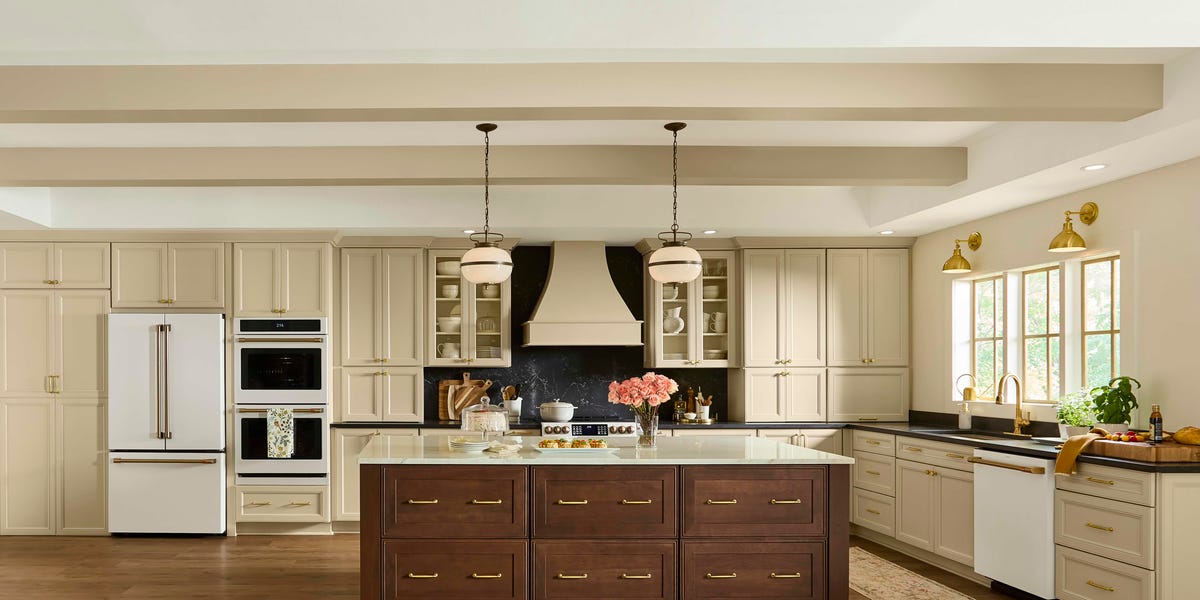

Note: This article synthesizes current U.S. kitchen design and home-improvement guidance from reputable home, design, consumer, and energy-efficiency sources, rewritten as original publish-ready content.
Your kitchen does not need a dramatic demolition scene to feel new again. No swinging sledgehammer, no dust cloud that looks like it has its own ZIP code, and no refrigerator temporarily living in the hallway like an appliance refugee. Sometimes, the smartest kitchen refresh is not about replacing everything. It is about improving the pieces that affect how the room looks, works, and feels every single day.
The best kitchen updates usually fall into three powerful categories: surfaces, lighting, and function. Paint can wake up tired cabinets. Hardware can make old doors look sharper. Better lighting can turn a gloomy prep zone into a place where you can actually tell cilantro from parsley. And smarter storage can make the entire room feel calmer, cleaner, and more expensive than it really is.
Whether you own your home, rent your space, or simply want your kitchen to stop looking like it gave up in 2008, these three smart ways to refresh your kitchen will help you make a noticeable change without planning a full remodel.
1. Refresh the Cabinets, Walls, and Hardware
Cabinets are the visual heavyweight of most kitchens. They take up a huge amount of wall space, which means they can either make the room feel bright and intentional or dark and dated. The good news is that you do not always need new cabinets. In many kitchens, the boxes are still sturdy; they just need a style intervention and perhaps a gentle reminder that brass knobs from 1997 are not a personality.
Paint or Refinish Cabinets for a Big Visual Change
Painting kitchen cabinets is one of the most effective budget kitchen makeover ideas because it changes the largest visible surface in the room. If your cabinets are structurally sound, a fresh coat of paint can make them feel completely different. Soft white, warm greige, muted sage, navy blue, mushroom beige, and deep charcoal are popular choices because they add character without overwhelming the room.
Preparation matters more than the paint color itself. Remove the doors and hardware, clean away grease, sand lightly, prime properly, and use a durable cabinet-grade paint. Skipping prep is how you end up with peeling corners and regret. A weekend cabinet refresh can be beautiful, but only if you respect the unglamorous steps: cleaning, labeling hinges, and not convincing yourself that “one thick coat should do it.” It will not.
Update Cabinet Hardware
Changing cabinet hardware is the kitchen version of changing glasses frames. The face is the same, but suddenly everything looks sharper. New knobs, pulls, or handles can create a more modern, traditional, rustic, or transitional look in just a few hours.
For a clean modern kitchen, consider matte black, brushed nickel, or slim brass pulls. For a warmer farmhouse or cottage look, aged bronze, antique brass, or wooden knobs can feel inviting. If your cabinets are plain, longer pulls can add structure. If your kitchen already has a lot going on, simpler hardware keeps the room from looking like it is wearing every accessory in the drawer.
Before buying, measure the existing screw holes. Reusing the same hole spacing saves time and avoids patching. If you want a totally new size, use a cabinet hardware template so each handle sits straight. Crooked hardware is small, but it is the kind of small thing your eye will notice forever, usually while you are waiting for coffee.
Use Wall Color to Tie Everything Together
Wall paint is another high-impact, lower-cost kitchen refresh idea. A clean neutral can make a small kitchen feel larger, while a soft green, blue-gray, or warm clay tone can bring depth and personality. If your cabinets, countertops, and floors all have different undertones, wall color can act as the peace treaty.
Choose paint based on the permanent finishes you already have. Cool white cabinets may look crisp with a pale gray or blue. Honey oak cabinets often look better with warm whites, muted greens, or earthy neutrals. Dark cabinets usually benefit from lighter walls to maintain balance. Always test swatches in morning, afternoon, and evening light. Kitchen lighting can turn a charming beige into “sad oatmeal” faster than you think.
2. Upgrade Lighting, Backsplash, and Small Surfaces
A kitchen can have beautiful cabinets and still feel flat if the lighting is poor. It can also have decent lighting but look unfinished if the backsplash is outdated, stained, or visually chaotic. The smartest kitchen refreshes often focus on the middle layer of the room: the area between the upper and lower cabinets, the fixtures overhead, and the small surfaces you see every day.
Layer the Lighting
Good kitchen lighting has layers. Overhead light handles general brightness. Task lighting helps with chopping, reading recipes, and checking whether the chicken is actually cooked. Accent lighting adds warmth and makes the room feel finished. When these layers work together, the kitchen feels more expensive and much easier to use.
Under-cabinet lighting is especially useful because it brightens countertops where shadows often fall. LED strip lights or puck lights can make food prep safer and more comfortable. LEDs are also energy-efficient and long-lasting, which means you can improve the look of the room without making your electric bill roll its eyes.
Pendant lights over an island or breakfast bar can also change the mood quickly. Choose fixtures that match the scale of the room. Tiny pendants over a large island can look nervous. Oversized fixtures in a small kitchen can feel like the ceiling is trying to make a speech. As a rule, lighting should add style while still doing its job. Pretty but dim is not useful when you are trying to dice onions without drama.
Refresh the Backsplash
A backsplash protects the wall from splashes, steam, and sauce-related enthusiasm, but it also has a major design role. If your backsplash is dated, replacing or refreshing it can modernize the entire kitchen. Classic subway tile, handmade-style tile, zellige-inspired tile, marble-look porcelain, peel-and-stick tile, and simple slab backsplashes are all popular options depending on budget and permanence.
For homeowners, ceramic or porcelain tile is durable and widely available. For renters, peel-and-stick tile can be a practical temporary solution as long as the surface is clean, smooth, and approved by the lease. If you already have tile you like but the grout looks tired, cleaning or regrouting can make the backsplash look fresher without replacing it.
Think about balance. If your countertops have bold veining, choose a quieter backsplash. If your countertops are plain, the backsplash can carry more texture or pattern. The goal is not to make every surface the star. A kitchen with too many main characters becomes a soap opera.
Give Countertops a Visual Lift
Replacing countertops can be expensive, but you can still refresh how they look. First, remove visual clutter. A countertop covered in mail, chargers, snack bags, and mystery lids will make even beautiful stone look chaotic. Keep only the items you use daily or pieces that add genuine style, such as a wooden cutting board, fruit bowl, ceramic utensil crock, or small plant.
If your countertops are laminate and in decent condition, consider styling around them rather than fighting them. Warm wood accents, updated hardware, and better lighting can make older counters feel more intentional. If they are damaged, countertop refinishing kits may work in some cases, but they require careful prep and realistic expectations. They are a refresh, not magic in a box.
3. Improve Storage, Flow, and Everyday Function
A kitchen refresh should not only look better. It should work better. A gorgeous kitchen that hides the measuring cups behind the blender, behind the stockpot, behind your last ounce of patience is not truly refreshed. Function is where smart design earns its keep.
Declutter Before You Decorate
Before buying new baskets, jars, or decorative trays, declutter. Pull everything out of one zone at a time: pantry, utensil drawer, spice cabinet, under-sink area, or food storage container drawer. Toss expired food, donate duplicate tools, and remove items you never use. If you own three avocado slicers and still use a knife, the avocado slicers have spoken.
Once you reduce the excess, organize by task. Keep coffee supplies near the coffee maker, baking ingredients near mixing bowls, and cooking oils near the stove. Store daily plates and glasses where they are easy to reach. Put rarely used items higher up or farther away. The goal is to create a kitchen that supports your habits instead of forcing you into a scavenger hunt every time you cook.
Add Smart Organizers
Small organizers can transform frustrating cabinets and drawers. Pull-out shelves make deep cabinets easier to use. Drawer dividers stop utensils from forming a metal jungle. Turntables help with spices, oils, and condiments. Vertical dividers are excellent for sheet pans, cutting boards, and lids. Clear bins in the pantry make it easier to see what you own before buying a fourth bag of rice.
Do not over-organize. A kitchen should be efficient, not a museum exhibit for matching containers. Choose organizers that solve real problems. If pot lids are always sliding into chaos, fix that. If your spice cabinet is fine, leave it alone. Smart kitchen organization is about reducing friction, not creating a full-time labeling hobby.
Create a Better Kitchen Work Zone
The best kitchens support movement between the sink, refrigerator, stove, and main prep area. Even if you cannot change the layout, you can improve the flow. Clear counter space near the stove for hot pans. Keep knives and cutting boards near the prep zone. Store dish towels near the sink. Move rarely used appliances off the counter if they block your main workspace.
If your kitchen is small, use vertical space. Add hooks for mugs, a rail for utensils, magnetic strips for knives if safe and practical, or shelves for items you actually use. A rolling cart can add flexible storage in a rental or compact kitchen. Just avoid turning open storage into a display of everything you have ever purchased. Open shelves look best when they have breathing room.
Budget-Friendly Kitchen Refresh Plan
If you want a practical order of operations, start with cleaning and decluttering. It costs little and immediately shows you what the kitchen actually needs. Next, choose one visual anchor: cabinets, backsplash, lighting, or hardware. After that, add function with organizers and improved work zones. This sequence helps you spend money where it matters instead of buying random decor that looks cute in the store and confused at home.
A simple kitchen refresh might look like this: paint the walls warm white, replace old knobs with brushed brass pulls, install under-cabinet LED lighting, regrout the backsplash, add a tray for oils near the stove, and reorganize the pantry with clear bins. None of these steps requires moving plumbing or replacing appliances, yet together they can make the room feel brighter, cleaner, and more personal.
Common Kitchen Refresh Mistakes to Avoid
The first mistake is chasing trends too aggressively. A trendy color or fixture can be fun, but use bold choices in places that are easy to change, such as hardware, rugs, lighting, or decor. Permanent finishes should usually have more staying power unless you truly love the look.
The second mistake is ignoring undertones. A cool gray backsplash may clash with creamy cabinets. Bright white walls may make warm wood cabinets look orange. Before buying anything, compare samples in your actual kitchen.
The third mistake is refreshing only the pretty parts. A kitchen with new pendants but chaotic drawers will still feel frustrating. Blend style with function. Your future self, holding a hot pan and looking for a trivet, will be grateful.
Real-Life Experience: What Actually Makes a Kitchen Feel New
After working through many kitchen refresh ideas, one lesson becomes clear: the changes that matter most are often the ones you notice during ordinary moments. Not the dramatic “before and after” photo moment, but the Tuesday morning moment when you can make coffee without moving six things first. The weeknight dinner moment when the counter is clear enough to chop vegetables. The late-night snack moment when the under-cabinet lights make the kitchen feel calm instead of cave-like.
One of the most satisfying experiences in a kitchen refresh is changing hardware. It sounds too small to matter, but it can completely shift the mood of the room. Old round knobs can make flat cabinet doors feel dated, while longer pulls can make the same cabinets look more tailored. The installation is usually simple, but the result feels surprisingly polished. The trick is to buy one sample first. Hold it against the cabinet in daylight and at night. Touch it. Open the door with it. Hardware is not just jewelry; it is jewelry you yank on every day.
Lighting is another update that feels more powerful in real life than it sounds on paper. Many kitchens rely on one overhead fixture, which creates shadows exactly where you need visibility. Adding under-cabinet lights can make cooking feel easier almost immediately. It also changes the atmosphere. Suddenly the kitchen is not only a place for chores; it becomes a softer, warmer space where someone might actually want to sit and talk while dinner is being made.
Decluttering may be the least glamorous kitchen refresh, but it often delivers the biggest emotional payoff. A clean counter can make an older kitchen feel newer because the eye finally has room to rest. The experience can be slightly humbling. You may discover expired spices, duplicate peelers, or a lid that has been single for so long it should probably start dating again. But once the extra items are gone, the kitchen becomes easier to maintain.
Painting is more work, but it can be worth it when the color solves a real problem. A dark kitchen can feel larger with warm white walls. A bland kitchen can gain personality with muted green cabinets. A cold kitchen can feel friendlier with creamy neutrals and wood accents. The key is patience. Paint samples are not optional. Kitchens have reflective surfaces, changing light, and undertones that can turn a perfect color into a surprise. Test first, then commit.
The best personal advice is to refresh one zone at a time. Do not empty every cabinet, remove every knob, order three light fixtures, and start painting all in the same weekend unless you enjoy chaos as a lifestyle. Start with the area that bothers you most. Maybe it is the coffee corner, the pantry, the island, or the sink wall. Improve that zone, live with it for a few days, and then move to the next. A kitchen refresh should make your life better, not turn your home into a construction-themed escape room.
Conclusion
Refreshing your kitchen does not have to mean replacing cabinets, tearing out floors, or surviving weeks of takeout. The smartest updates focus on what you see and use every day: cabinets, hardware, lighting, backsplash, countertops, storage, and flow. A fresh paint color can change the mood. New hardware can sharpen the style. Better lighting can improve both function and atmosphere. Decluttering and organizing can make the entire room feel bigger, cleaner, and easier to live in.
Start with the improvements that solve real problems. If the kitchen feels dark, upgrade the lighting. If it looks dated, refresh cabinets and hardware. If it feels chaotic, focus on storage and countertop clarity. With a thoughtful plan, even a modest kitchen refresh can make your home feel more welcoming, more efficient, and much more enjoyable. And yes, your junk drawer may still exist. But at least it can exist behind better-looking hardware.