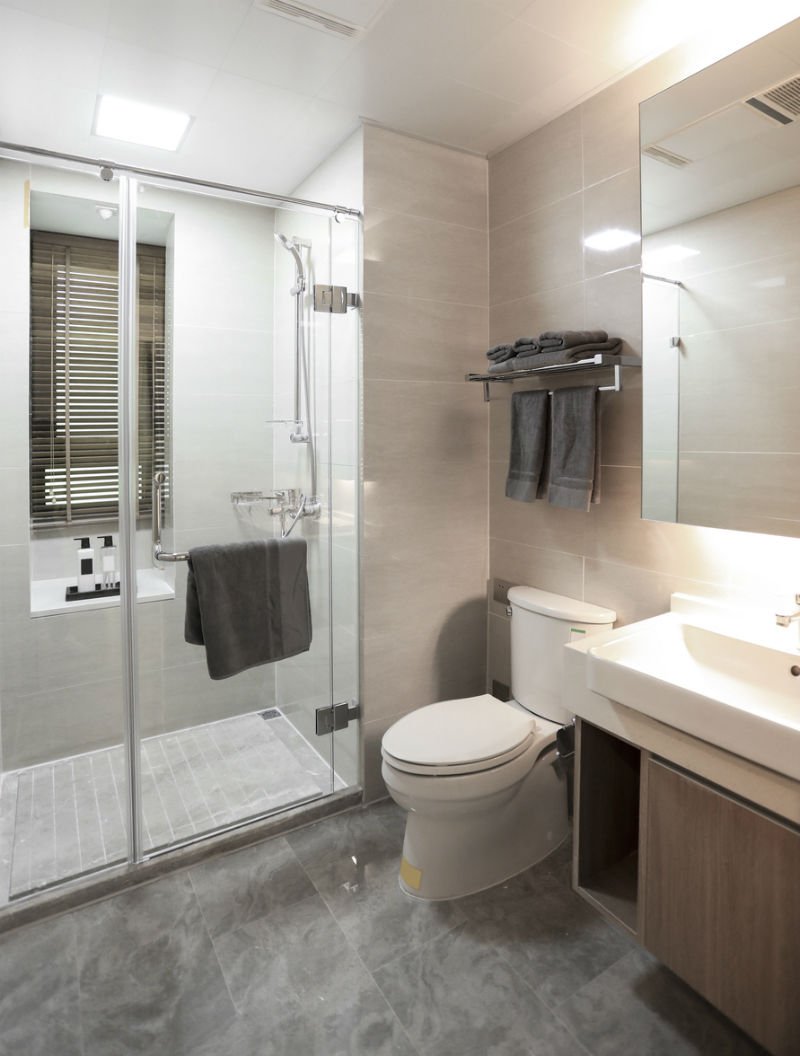

A window in the shower can feel like a bathroom design jackpot: soft daylight, a view of the sky, and a little fresh-air potential when the room gets steamier than a soup kitchen. Then reality taps on the glass. Your neighbor’s second-story window has a direct line of sight. The wood trim looks nervous around water. And suddenly your peaceful shower begins to feel like a very low-budget reality show.
The good news is that a shower window does not have to be removed or permanently covered with a sad, soggy curtain. With the right privacy solution, waterproofing details, and ventilation plan, you can keep the natural light while making sure the outside world sees absolutely nothing worth discussing.
This guide explains how to create shower window privacy without turning your bathroom into a cave. From frosted window film and waterproof shutters to glass blocks and smart renovation upgrades, these options help you balance light, privacy, moisture resistance, and style.
Why a Window in the Shower Is Both Helpful and Complicated
Shower windows are common in older homes, especially where a bathtub was later converted into a shower. They can also appear in newer bathrooms designed to bring in daylight, improve airflow, or create a spa-like atmosphere. A window can make a compact shower feel larger and less boxed in, which is excellent news for anyone who dislikes bathing in what feels like a tiled shoebox.
But a window inside a wet area has three big responsibilities: it must protect privacy, resist frequent moisture, and avoid becoming a weak point for leaks or rot. That is a tall order for a feature that is essentially a hole in the wall with a great view.
Bathroom humidity can contribute to condensation and mold growth when moisture is not removed efficiently. The U.S. Department of Energy recommends bathroom exhaust fans that vent outdoors, while the Environmental Protection Agency advises using a bathroom fan or opening a window during showers to help manage moisture.
Privacy is the other half of the equation. Even when a shower window faces a fenced yard, wooded area, or seemingly private side of the house, sight lines can change. A new neighbor, an upstairs deck, a ladder, or the world’s most curious squirrel can make an overlooked window suddenly feel very exposed.
Start With a Privacy Check Before Buying Anything
Before choosing a shower window treatment, stand outside your home and look toward the window from several angles. Check the view from neighboring yards, sidewalks, driveways, second-floor windows, and any nearby decks. Do this during the day and again at night with the bathroom lights on. A window that looks private in daylight can become surprisingly revealing after sunset.
Also consider where the showerhead is located. A window directly behind or beside the spray zone needs a tougher solution than a window across the shower from the water. The closer it is to daily splashing, the less suitable fabric curtains, standard wood blinds, or delicate shades become.
Questions to Ask Before Choosing a Shower Window Privacy Solution
- Does the window receive direct spray from the showerhead?
- Do you need complete privacy all day, or only when showering?
- Would you like to keep the ability to open the window?
- Is the window frame wood, vinyl, fiberglass, aluminum, or another material?
- Do you want a removable upgrade, a renter-friendly solution, or a permanent renovation?
- How much natural light are you willing to trade for privacy?
1. Use Frosted Window Film for Fast Shower Window Privacy
Frosted window film is often the easiest place to start. It creates a blurred, opaque appearance that blocks detailed views while still letting daylight enter the bathroom. For many homeowners, it is the sweet spot between privacy and brightness: no one outside can see the performance, but the bathroom does not become a dungeon.
Static-cling frosted film is especially useful for renters or anyone who wants a reversible option. It can be trimmed to fit the window, applied without permanent adhesive, and removed later. Decorative films can mimic etched glass, rain glass, reeded glass, geometric patterns, or soft linen-like textures.
Frosted films are widely used as an affordable way to create bathroom privacy while preserving daylight. Decorative films can resemble etched or sandblasted glass without requiring a window replacement.
Best Uses for Frosted Window Film
- Windows that need privacy but are not constantly hit by direct shower spray.
- Rental bathrooms where permanent alterations are not allowed.
- Small bathrooms that need every bit of natural light they can get.
- Homeowners who want a low-cost bathroom window privacy upgrade.
For the best result, apply the film to clean, dry glass and avoid stretching it. If the window gets heavily splashed every day, inspect the edges regularly. Water can eventually work its way into poorly applied seams, particularly around older window frames.
2. Choose Waterproof Shutters or Vinyl Blinds
When you want adjustable privacy, shutters and blinds can work well, provided they are made for humid environments. Vinyl, PVC, composite, or moisture-resistant faux-wood shutters are far better choices than untreated wood. Real wood may look beautiful at first, but repeated steam and splashing can make it warp, peel, swell, or start acting like it has entered a long-term disagreement with gravity.
Shutters are particularly practical because their louvers can be tilted. You can angle them to block direct sight lines while still allowing some daylight and airflow. They also offer a clean, built-in appearance that feels more intentional than a random curtain trying its best near a showerhead.
Bathroom shutters can provide privacy while allowing natural light to enter, and moisture-friendly materials are especially important in high-humidity spaces.
What to Avoid
Avoid fabric Roman shades, bamboo shades, untreated wood blinds, and standard cloth curtains inside the direct splash zone. These materials can hold moisture, collect soap residue, and become harder to clean. They may look charming for approximately three showers before they begin auditioning for a mildew commercial.
If you love the softness of a curtain, mount it outside the shower enclosure or beyond the direct splash path. A café curtain or moisture-resistant shade can work beautifully on a window near a tub, but it is usually a poor fit for a window directly behind the showerhead.
3. Add a Frosted Acrylic Panel Outside the Window
A frosted acrylic panel is a smart solution for homeowners who want durable privacy without applying film directly to the glass. The panel can be installed on the outside of the window or within an exterior frame, creating a privacy screen between the shower and the outside world.
This approach is useful when the shower window receives regular water exposure. Because the acrylic panel sits outside the shower itself, it avoids constant soap splatter and reduces the need for frequent cleaning. It also creates a more durable barrier than many temporary privacy films.
Choose an exterior-rated acrylic or polycarbonate material designed to tolerate weather and ultraviolet exposure. A professional installer can help create a panel that allows drainage and ventilation rather than trapping moisture against the window.
4. Install Privacy Glass or Replace the Window
If the existing shower window is old, leaky, made from vulnerable wood, or simply impossible to make private enough, replacement may be the best long-term answer. New privacy glass can include frosted, obscure, textured, reeded, rain-patterned, or etched-style glazing.
Obscure glass gives you permanent privacy without a separate window treatment. It is especially useful in shower areas because there is no blind cord, fabric panel, or removable film to clean. You get light, privacy, and one less thing to wipe down after a steamy shower.
For windows located in wet areas, local building requirements may call for safety glazing depending on the window’s location and height. International Residential Code provisions identify glazing near wet surfaces as a hazardous location in certain conditions, so consult a licensed contractor or local building official before replacing the glass.
Good Replacement Options for a Shower Window
- Vinyl-framed obscure-glass windows.
- Fiberglass windows with textured or frosted glazing.
- Fixed transom windows positioned high on the wall.
- Awning windows installed high enough to reduce direct spray.
- Glass block windows for maximum privacy and durability.
A high transom window is often one of the best shower window design ideas. It brings daylight into the space but sits above eye level, reducing privacy concerns and limiting direct water exposure. It is the architectural equivalent of being helpful without becoming dramatic.
5. Consider Glass Blocks for Permanent Privacy
Glass block windows are one of the most durable options for a shower wall. They allow light to pass through while distorting the view from both sides. They can also suit vintage, modern, industrial, and spa-inspired bathrooms, depending on the block pattern and surrounding tile.
Unlike a standard clear window, glass blocks do not need curtains, blinds, or privacy film. They are also easier to wipe down than many window treatments. The trade-off is that they are more expensive and usually require professional installation.
Glass blocks can be a long-lasting bathroom privacy solution, though installation often requires a contractor because the window opening and structural details may need modification.
Glass block may be the right choice when you are already remodeling the shower, replacing tile, or repairing a damaged window opening. It is less ideal for someone looking for a one-hour weekend project and more appropriate for a “let’s fix this properly once” renovation.
6. Use a Shower Curtain Strategically
A shower curtain can provide privacy for a window, but it works best as a secondary solution rather than the only line of defense. For example, a ceiling-mounted curtain track can allow you to pull a waterproof curtain across the window while showering, then open it afterward to let in daylight.
This works particularly well in older bathrooms with large windows that sit directly inside the tub-and-shower area. A washable, mildew-resistant liner can shield the window from overspray while doubling as a privacy barrier.
Choose a curtain that is long enough to cover the full window but not so long that it pools on the shower floor. Keep it easy to remove and clean. A curtain that cannot dry properly can hold moisture and create a cleaning problem that is far less charming than the original privacy issue.
Don’t Forget the Waterproofing Around the Window
Privacy is important, but waterproofing is what protects the wall behind the pretty tile. A shower window should not have exposed wood trim, flat wood sills, cracked caulk, or gaps where water can sneak into the wall assembly. Water is famously patient. It does not need a dramatic opening; it only needs one tiny gap and a little free time.
Ideally, the window sill should slope toward the shower so water drains back into the shower area instead of pooling against the frame. Tile, solid-surface material, stone, PVC trim, or other water-resistant surfaces are generally better choices than painted wood in a direct wet zone.
Building-science guidance emphasizes that window openings should be detailed to drain water outward and integrated carefully with surrounding water-control layers.
Signs Your Shower Window Needs Attention
- Peeling paint or swelling trim.
- Dark stains around the sill or frame.
- Soft drywall near the shower window.
- Persistent condensation between window panes.
- Musty odors after showering.
- Caulk that is cracked, missing, or discolored.
If you notice soft walls, suspected rot, or recurring mold, do not simply apply window film and declare victory. The privacy issue may be easy, but the moisture problem should be evaluated by a qualified contractor before it becomes a larger repair.
Ventilation Still Matters, Even With a Window
A shower window can help with fresh air, but it should not be your only moisture-control strategy. In cold weather, opening a window may be uncomfortable. In humid weather, outdoor air may not dry the bathroom as effectively as you hope. And in a busy household, someone will eventually forget to open it because they are too busy trying not to slip on the bath mat.
A properly vented exhaust fan removes humid air from the bathroom and sends it outside. The DOE recommends bathroom exhaust fans rated at least 50 cubic feet per minute, vented outdoors rather than into an attic or another interior space.
Run the fan during the shower and continue using it afterward until the room has dried. Wipe down the window sill, shower glass, and tile if water collects there. This small routine can help reduce condensation and keep your shower window from becoming the dampest employee in the bathroom.
How to Choose the Best Shower Window Privacy Option
| Solution | Privacy Level | Light Transmission | Best For |
|---|---|---|---|
| Frosted window film | High | High | Renters, low-cost updates, indirect splash zones |
| Vinyl shutters or blinds | Adjustable | Adjustable | Windows outside direct spray areas |
| Frosted acrylic panel | High | Moderate to high | Durable exterior privacy screening |
| Obscure privacy glass | High | High | Permanent bathroom upgrades |
| Glass blocks | Very high | Moderate to high | Major remodels and wet-zone durability |
| Waterproof curtain | High when closed | Low when closed | Older tub-shower layouts and temporary coverage |
A Simple Plan for Better Shower Window Privacy
- Check sight lines from outside during the day and at night.
- Identify whether the window receives direct shower spray.
- Use frosted film for a quick, bright, budget-friendly solution.
- Choose waterproof shutters or vinyl blinds for adjustable privacy.
- Upgrade to obscure glass or glass blocks during a larger remodel.
- Inspect trim, caulk, tile, and the sill for water damage.
- Use a properly vented exhaust fan to control humidity.
Real-World Lessons From Living With a Shower Window
The first lesson most homeowners learn is that privacy and daylight are not enemies. They only need a mediator, preferably one that is not a damp towel draped over a curtain rod. In many bathrooms, a frosted window film solves the immediate problem surprisingly well. It lets the room stay bright in the morning while making the outside view look like a watercolor painting. That means you still get sunshine, but your neighbors get absolutely no plot details.
One common scenario involves an older home with a large window above a bathtub. The window was probably lovely when someone took a quiet bath with a book and a radio playing in the next room. Once the tub became a daily shower, however, the clear glass became a privacy issue and the painted wood sill started taking a beating. In that case, homeowners often discover that the best answer is not one product but a combination: privacy film for the glass, a waterproof curtain to block splash, and a tiled or solid-surface sill to stop water from soaking into the frame.
Another useful experience is learning that window treatments can look much better when they are chosen for the bathroom rather than borrowed from the living room. A beautiful wood blind may look perfect in a catalog photo, but the shower is not a catalog. It is a humid, splashy environment where shampoo flies, steam rises, and someone inevitably forgets to run the fan. PVC shutters, faux-wood blinds, or a carefully placed exterior-mounted privacy panel tend to survive that reality much better.
Homeowners also learn that nighttime is the true privacy test. During the day, a yard full of trees can make a shower window feel secluded. At night, interior lighting can turn the same window into a glowing rectangle. Standing outside after dark and checking the view is one of the simplest ways to avoid an unpleasant surprise. It may feel slightly silly, but it is much less awkward than realizing later that your bathroom lighting has been hosting a nightly show for the house next door.
Maintenance matters more than people expect. Even a well-designed shower window needs occasional attention. Caulk can crack. Window film edges can lift. Soap residue can build up on shutters. Condensation can collect on cold glass in winter. A quick monthly inspection can catch small issues before they become a repair project involving missing drywall, mysterious stains, and a contractor saying the phrase, “Well, that has probably been happening for a while.”
The best shower window setups are usually the least dramatic. They provide privacy without making the bathroom dark, resist water without needing constant fussing, and blend into the rest of the room. Whether you choose frosted film, moisture-resistant shutters, obscure glass, or glass block, the goal is the same: enjoy the natural light, keep the water where it belongs, and make sure your shower remains a private place to sing badly in peace.
Final Thoughts
A window in the shower can be a design advantage rather than a daily privacy concern. The key is choosing a solution that matches your bathroom’s moisture level, sight lines, budget, and long-term plans. Frosted window film is excellent for an easy update. Waterproof shutters and blinds add adjustable coverage. Privacy glass and glass blocks provide more permanent protection during a renovation.
Whatever route you choose, do not treat privacy as the only issue. Protect the window frame, inspect the sill, seal gaps, and use proper ventilation. Once the window is private and moisture-resistant, you can go back to enjoying the daylight without wondering whether the neighbor’s cat has seen too much.