
Most baseball teams worry about blown leads, bad hops, angry fans, and that one guy in the bleachers who believes he personally invented coaching. The Wyoming State Penitentiary All Stars had a slightly more stressful problem: losing could mean something far darker than a disappointing ride home.
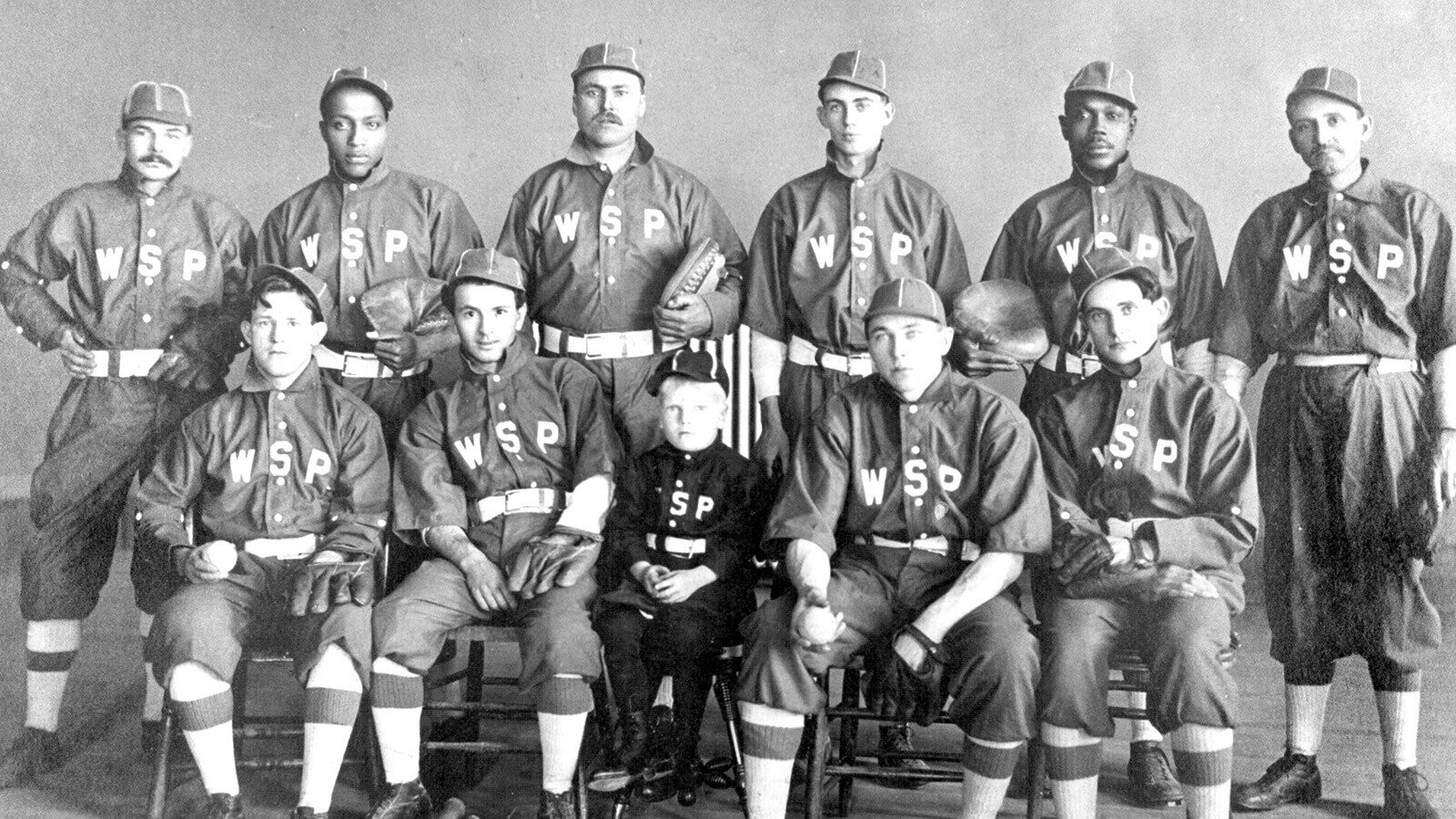
In 1911, inside the walls of the Wyoming State Penitentiary in Rawlins, a group of prisoners became one of the strangest baseball teams in American sports history. They were known as the Wyoming State Penitentiary All Stars, later nicknamed the Death Row All Stars. They wore uniforms, posed for photographs, drew crowds, and played local opponents. On the surface, they looked like any scrappy amateur ball club from the Deadball Era. Underneath, the story was part baseball, part prison politics, part public spectacle, and part moral disaster wearing cleats.
The team’s legend is simple enough to sound like a movie pitch: win games and maybe stay alive; lose games and face the consequences. The real history is more complicated, but not much less disturbing. Some players were reportedly told that victories could help their sentences, while mistakes or losses could bring punishment. The most famous player, Joseph Seng, was under a death sentence while becoming a star on the field. If baseball is supposed to be a game of inches, this was baseball measured in breaths.
Who Were the Wyoming State Penitentiary All Stars?
The Wyoming State Penitentiary All Stars were formed in Rawlins, Wyoming, in 1911. The prison itself had opened only a decade earlier and already had a reputation as a hard place. The facility, now remembered through the Wyoming Frontier Prison historic site, was part of the rough frontier justice world of the early twentieth century. It was not exactly the kind of place where you expected to find a charming summer sports program.
Yet baseball was everywhere in America at the time. This was the Deadball Era, when games were lower-scoring, balls stayed in play until they looked like they had survived a coal mine, and stars like Ty Cobb, Honus Wagner, Christy Mathewson, and Walter Johnson dominated the sports pages. Small towns had teams. Railroad workers had teams. Company clubs had teams. If you had nine men, a field, and at least one person willing to argue with an umpire, congratulations: you had baseball.
Rawlins was no exception. Local fans loved the game, and the prison had inmates who could play it. Warden Felix Alston, who took charge in 1911, supported the creation of a prison team. Publicly, the idea could be dressed up as recreation, discipline, morale-building, or rehabilitation. Privately, later accounts suggest the team also became tangled in wagers, influence, and the kind of frontier showmanship that makes modern public-relations departments reach for aspirin.
The Lineup: A Baseball Card Set Nobody Asked For
The All Stars were not a cute underdog team of misunderstood pickpockets and lovable scamps. Their roster included men convicted of serious crimes. The team’s coach and captain, George Saban, was himself a convicted murderer. Thomas Cameron was a pitcher. Joseph Seng became the team’s standout player. Other men filled the infield and outfield while carrying prison numbers instead of ordinary hometown biographies.
A surviving team photograph makes the story feel even stranger. The players appear in tidy uniforms, holding gloves and bats like any proud club of the period. In the middle sits the warden’s young son, Felix Alston Jr., used as a mascot. It is one of those historical images that forces your brain to say, “Wait, what am I looking at?” It has the visual rhythm of a community baseball portrait and the moral temperature of a locked cell door.
That contrast is what makes the Death Row All Stars so unforgettable. They were athletes and inmates, local celebrities and convicted criminals, men cheered by crowds and controlled by prison authorities. Fans could enjoy the crack of the bat while ignoring, at least for a few innings, the fact that some players’ lives were being handled like chips in a very ugly game.
Why “Die If They Lost” Was More Than a Catchy Headline
The phrase “the baseball team that would literally die if they lost” sounds exaggerated. In many sports stories, “life or death” means a playoff elimination game, a coach’s job, or whether Uncle Ron will speak to anyone during Thanksgiving dinner. For the All Stars, the phrase was connected to actual death sentences, reported threats, and the possibility that performance on the field could influence a player’s fate.
Historical accounts say the prisoners were led to believe that winning could help them earn sentence reductions, delays, or mercy. Losing, especially losing because of an error, could bring harsh consequences. Some retellings state that players were told mistakes costing the team a game could result in death. Whether every detail can be proven exactly as later writers present it, the central truth remains chilling: baseball was used as pressure inside a prison system with enormous power over the men on the field.
Joseph Seng is the player most closely tied to this legend. He was convicted of murder and sentenced to die, yet he became the All Stars’ most celebrated hitter. His athletic talent made him valuable to the team, and his legal situation made every game feel loaded with meaning. When a player with an execution date steps into the batter’s box, the phrase “clutch performance” suddenly feels wildly inadequate.
The 1911 Season: Four Games, Four Wins, Zero Normalcy
The All Stars’ season was short, but it did not lack drama. Their first known game came on July 18, 1911, against the Wyoming Supply Company Juniors. The prison team won 11–1. That is not a nail-biter; that is a statement with a box score attached.
They played the Juniors again on August 5 and won by the same score, 11–1. On August 13, they won 11–4. Their final recorded game came on August 29 at Overland Park, where they beat the Juniors 15–10. In total, the Wyoming State Penitentiary All Stars finished 4–0.
Four games may not sound like much. Modern teams can lose four games before the nacho cheese warms up. But for the All Stars, those four games were enough to create one of the most bizarre chapters in baseball history. They were undefeated, admired by fans, and surrounded by questions that had little to do with batting averages.
The crowds reportedly came because the spectacle was irresistible. A prison team filled with dangerous reputations playing against local opponents? That is not just baseball; that is a carnival with a scoreboard. People wanted to see whether the inmates could really play. They could. The All Stars were talented, and the fact that their lives and sentences may have been tied to the results made every inning feel theatrical in the most uncomfortable way.
Baseball, Corruption, and the Business of Pressure
At its best, prison recreation can create structure, reduce tension, and give people a reason to cooperate. At its worst, it becomes entertainment for outsiders and leverage over insiders. The Death Row All Stars story sits in that uneasy space.
Reports and later books describe a climate in which gambling and prison politics surrounded the team. Wagers on the All Stars’ games increased the pressure. A win was not just a win; it could protect money, reputations, and influence. A loss could anger powerful people. If your pitcher misses the plate in that environment, he is not merely having control issues. He is standing on a mound built out of fear.
This is why the story still feels modern. We understand sports pressure. We understand fans taking games too seriously. We understand adults acting as if a dropped fly ball is evidence of civilization’s collapse. But the All Stars show what happens when that pressure becomes coercive. Baseball stopped being a game and became a tool.
The team also raises uncomfortable questions about spectatorship. What did the crowd think it was watching? A novelty? A redemption story? A punishment disguised as entertainment? Maybe all of those at once. The charm of old baseball uniforms can make history look softer than it was. The All Stars remind us to look twice.
Joseph Seng: The Star With the Shortest Clock
Joseph Seng’s role gives the story its emotional center. He was not just another player. He was the man whose situation made the “playing for time” idea literal. Seng reportedly hit well and became the team’s key attraction. Fans cheered him. Writers remembered him. Teammates depended on him. Prison officials understood his value.
But talent did not free him. Seng’s athletic success could delay the inevitable machinery of punishment, but it could not permanently stop it. In 1912, after the team’s brief season had ended, Seng was executed. The All Stars’ story faded soon after. The team that seemed unbeatable disappeared almost as quickly as it had appeared.
That ending matters because it prevents the tale from becoming a goofy sports oddity. This is not just “ha-ha, prisoners played baseball.” It is a story about how entertainment, power, and public fascination can wrap themselves around a human life. Seng could hit, run, and help win games. None of that was enough.
Was This Rehabilitation or Exploitation?
The generous interpretation is that Warden Alston wanted to improve morale and introduce organized recreation. Baseball can teach teamwork. It can give structure to long days. It can provide exercise, pride, and a temporary sense of normal life. Even in a prison, a clean single to right field is still a clean single to right field.
The harsher interpretation is that the All Stars became a spectacle built on unequal power. The players could not simply quit the team, hire an agent, or complain to the league office. They lived under prison authority. If they believed their freedom, sentence, or survival depended on performance, then the game was not freely played. It was coerced competition in a uniform.
The truth likely contains pieces of both. The team may have offered moments of pride and relief to men living in grim conditions. It also appears to have placed them inside a system where their athletic usefulness could be exploited. That is what makes the Death Row All Stars more than a strange trivia answer. It is a case study in how sports can humanize people and dehumanize them at the same time.
Why This Story Still Hooks Baseball Fans
Baseball history is full of oddities: goats, curses, spitballs, exploding scoreboards, and managers who argue with umpires like they are auditioning for courtroom drama. But the Wyoming State Penitentiary All Stars stand apart because the stakes were not symbolic. The story sits at the intersection of America’s national pastime and America’s justice system.
It also challenges the cozy nostalgia often attached to early baseball. We like to imagine old-time games as sepia-toned afternoons full of wool uniforms, hand-operated scoreboards, and mustaches that could legally apply for their own property deeds. The All Stars force another image: a prison yard, armed authority, spectators, and inmates playing under pressure no professional athlete should ever face.
That tension is why the story keeps returning in books, articles, videos, and historical discussions. It has everything a memorable sports tale needs: a perfect nickname, a talented roster, undefeated results, legal drama, moral ambiguity, and a title that sounds impossible until you learn it was real.
The Bigger Lesson Behind the Death Row All Stars
The most important lesson is not that prisoners can be good at baseball. Of course they can. Athletic ability does not check a person’s legal status before showing up. The lesson is that sports are never separate from the society around them.
In Rawlins in 1911, baseball reflected the local culture: frontier toughness, public curiosity, small-town competition, and a justice system comfortable with harsh power. The All Stars were not an accident. They were a product of their time and place.
Today, the story makes us ask better questions. Who gets to play? Who benefits from the performance? Are the players choosing the game, or is the game being used against them? When fans cheer, what are they cheering for?
Those questions matter far beyond one prison team. They apply to school sports, professional leagues, entertainment industries, and any place where people with less power are asked to perform for people with more power. The Death Row All Stars may be a bizarre baseball story, but its shadow is bigger than the diamond.
Experience Section: What This Story Feels Like Today
Learning about the Wyoming State Penitentiary All Stars is a strange experience because it starts like a sports story and slowly turns into something heavier. At first, the mind grabs the fun details. A prison baseball team? In 1911? Undefeated? A mascot in the team photo? It sounds like the kind of historical footnote that should come with ragtime music and a narrator saying, “You won’t believe what happened next.”
Then the details settle in. These were not ordinary players trying to win a weekend tournament. Some were men with sentences hanging over them. Some believed that their performance could affect their future. Joseph Seng was not simply a slugger with a dramatic backstory; he was a man whose time was running out. Suddenly the box scores feel less like statistics and more like small records of pressure.
For a modern reader, the experience is almost cinematic. You can picture the dusty field, the crowd pressing in, the uniforms buttoned high, the bat resting on a shoulder, the pitcher staring toward the plate. You can also picture the invisible weight around the game: guards, prison walls, local gossip, officials, wagers, and the knowledge that one bad inning might carry consequences far beyond embarrassment.
That is what makes the story stay with you. Many weird history stories are entertaining for five minutes and then disappear. This one lingers because it refuses to be only funny or only horrifying. It is absurd that a prison team became a local attraction. It is impressive that the All Stars won every recorded game. It is dark that the players may have been pushed by fear. It is tragic that athletic excellence could not save Seng in the end.
The story also changes how you think about pressure in sports. Fans often say athletes are “playing for their lives” when they mean a championship, a contract, or a rivalry game. After reading about the Death Row All Stars, that phrase feels different. Most athletes face criticism, lost opportunities, or public embarrassment. The All Stars faced something more severe, and that difference should make us more careful with our language.
There is also a lesson for anyone visiting historic places like the old Wyoming prison site. Buildings remember more than dates. A cell block, a yard, or a field can hold conflicting stories at once. One person sees architecture. Another sees punishment. Another sees a baseball diamond where people briefly became heroes while still being trapped inside a system that controlled them.
The most human way to approach the story is not to turn the players into cartoon villains or folk heroes. They were convicted men, and their crimes mattered. But they were also human beings placed into a spectacle that says a great deal about the society watching them. The uncomfortable part is realizing that the crowd may not have seen the contradiction. They saw a game. History asks us to see the whole field.
That is why “The Baseball Team That Would Literally Die If They Lost” remains such a powerful headline. It is catchy, but it also points toward a deeper truth. The Wyoming State Penitentiary All Stars were not merely a weird team from a dusty old photograph. They were a reminder that games can reveal the best and worst of the people who organize them. Baseball gave these men a stage. The prison system decided what that stage was worth.
Conclusion
The Wyoming State Penitentiary All Stars played only a handful of games, but their story has lasted for more than a century because it sounds impossible and still turns out to be rooted in real history. In 1911 Rawlins, Wyoming, a prison baseball team went undefeated while surrounded by death sentences, public curiosity, official power, and reported threats that made every pitch feel dangerously meaningful.
The team’s legacy is not just that it won. Plenty of teams win. The All Stars matter because their wins expose the strange and troubling ways sports can become entertainment, leverage, hope, and exploitation all at once. Their story is funny only until it is not. Then it becomes something more useful: a reminder to look past the scoreboard and ask who is really paying the price of the game.