
Small-space living does not have to mean living with one sad plastic bin, three mystery cords, and a drawer that growls when opened. The best stylish storage solutions do more than hide clutter. They shape how a home feels, moves, and functions. And if there is one place that knows how to turn tight square footage into design poetry, it is Brooklyn.
Brooklyn homes often ask a lot from very little space: an entryway that is barely a pause, a kitchen that doubles as a coffee bar, a living room that becomes an office by noon, and a bedroom closet that seems designed for one coat and a dream. That is why the work of Brooklyn-based designers, including Farrah Sit of Light + Ladder, feels so relevant. Her approach celebrates useful objects that look intentional, tactile, and lasting. Think leather-strapped shelves, sculptural hooks, hanging boxes, warm wood, brass details, and the quiet luxury of owning fewer things that work beautifully.
This guide explores how to bring that Brooklyn designer mindset into any home: elegant wall storage, open shelving, smart entryway systems, hidden compartments, double-duty furniture, and storage pieces that look more like art than an apology for having belongings.
Why Brooklyn Designers Understand Stylish Storage So Well
Brooklyn design has a special relationship with space. Many apartments are charming, historic, and full of personality, but they are not exactly famous for palatial closets. Brownstones, railroad apartments, converted lofts, and compact rentals all demand creativity. A Brooklyn designer learns quickly that every object must earn its keep.
The best storage in this context is not bulky or bossy. It is architectural, warm, and human. It might be a narrow shelf in an entryway, a brass hook that turns a wall into a landing zone, a woven basket tucked under a bench, or a custom banquette that secretly stores tools, linens, board games, or the seasonal throw pillows you promised you would stop buying.
Farrah Sit’s Light + Ladder aesthetic offers a helpful starting point: storage should feel essential, not excessive. Her design language leans toward natural materials, sculptural form, and objects that make everyday rituals feel calmer. That philosophy translates beautifully into modern storage planning: choose pieces that simplify your life while adding texture, shape, and a sense of craft.
The Brooklyn Designer Rule: Store Less, Display Better
One of the biggest mistakes people make with home organization is thinking more containers automatically means more order. Usually, it just means the clutter has moved into matching outfits. Stylish storage starts before the basket. It begins with editing.
A designer-style storage plan asks three questions:
- Do I use this item often?
- Does it deserve to be visible?
- Can it live closer to where I actually use it?
That third question is the magic one. Storage fails when it ignores real behavior. If keys always land on the kitchen counter, a hook by the bedroom door will not save you. If shoes pile up in the entryway, the solution is not a lecture; it is a low-profile shoe bench, a boot tray, or a handsome basket that catches the chaos before it migrates.
Use Open Storage for Beautiful Daily Items
Open shelves work best for things that are either beautiful or used constantly: ceramic mugs, art books, folded linens, small plants, favorite bowls, or a curated stack of trays. They do not work as well for tax folders, tangled chargers, or the emergency tape collection. Those deserve closed boxes, drawers, or cabinets where they can be useful without performing for guests.
Use Closed Storage for Visual Noise
Closed storage is ideal for duplicate supplies, paperwork, cleaning products, electronics, and personal items. A Brooklyn-inspired room often balances both: one airy shelf for beauty, one box or cabinet for reality. That mix keeps the home from feeling either sterile or chaotic.
Wall Storage: The Most Underrated Square Footage in the Home
When floor space is limited, walls become prime real estate. Designer wall storage is especially useful because it lifts belongings up and out of traffic zones. The goal is not to cover every wall with shelves like a storage panic attack. The goal is to create smart vertical moments.
Leather-Strapped Shelves
A leather-strapped shelf has a relaxed but refined look. It can hold keys, sunglasses, a small vase, mail, or a favorite framed print. The leather adds softness, while wood brings warmth. This is the kind of storage that says, “I planned this,” even if it is quietly catching your dog leash and yesterday’s receipts.
Minimal Hooks with Maximum Impact
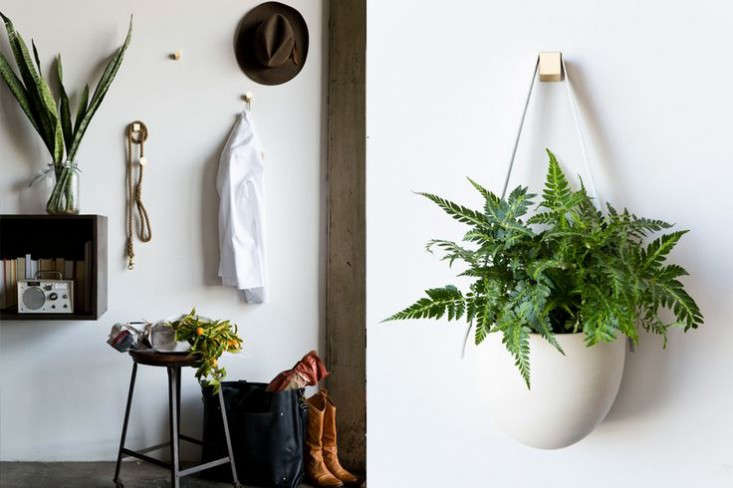
Hooks are humble heroes. Brass, matte black, wood, ceramic, or sculptural hooks can hold coats, bags, hats, headphones, towels, robes, and market totes. In a small home, hooks are often better than bulky furniture because they use negative space. A row of three hooks near the door can replace an entryway cabinet. One elegant hook beside the bed can hold a robe. A pair in the bathroom can rescue towels from becoming floor décor.
Hanging Boxes and Catchalls
Wall-mounted boxes are excellent for small entryways. A shallow box or pocket can hold keys, wallet, lip balm, transit cards, and sunglasses. It works because it creates a home for the tiny items that otherwise form a committee on the nearest flat surface. Choose wood, metal, or ceramic versions for a polished look.
Entryway Storage That Works Even Without an Entryway
Many apartments do not have an entryway. They have a door that opens directly into life. Still, even the smallest landing zone can make a home feel calmer.
A stylish micro-entry can include:
- A slim wall shelf for keys and mail
- Two or three strong hooks for coats and bags
- A narrow shoe cabinet or low bench
- A small tray for sunglasses, earbuds, and wallets
- A mirror to bounce light and make the space feel larger
The key is restraint. A tiny entryway should not become a furniture showroom. One shelf, one mirror, and a few hooks can be enough. If shoes are the main problem, choose a storage bench with a cushioned top or a closed shoe cabinet that hides the pile. If bags are the issue, use hooks at different heights so adults, kids, and guests can all use them without creating a coat mountain.
Living Room Storage That Does Not Kill the Vibe
The living room is where storage often gets tricky because it must be practical and social. Nobody wants to relax beside a tower of visible clutter. At the same time, the living room usually has to store blankets, books, remote controls, games, pet toys, media equipment, hobby supplies, and occasionally the laundry you swear you are “about to fold.”
Choose Furniture with Hidden Storage
Storage ottomans, coffee tables with drawers, side tables with shelves, and benches with lift-up seats are smart choices. They keep frequently used items within reach while protecting the room’s visual calm. A storage ottoman can hide throws and gaming controllers. A coffee table drawer can hold remotes, chargers, and coasters. A console cabinet can store board games, candles, and extra linens.
Use Sideboards Beyond the Dining Room
A sideboard is one of the most flexible stylish storage solutions. In a dining area, it stores dishes, table linens, and serving pieces. In a living room, it can hide electronics, books, toys, and paperwork. In a hallway, it becomes a command center. Choose one with legs if the room is small; visible floor beneath the piece helps the space feel lighter.
Style Shelves Like a Designer
Bookshelves should not be treated as storage dumps with vertical ambition. Mix books with objects, baskets, framed art, and negative space. Use two or three repeated colors to create rhythm. Place heavier items lower and lighter items higher. Add boxes for less attractive necessities. The result feels collected, not crammed.
Kitchen Storage: Make Every Inch Work Overtime
Small kitchens are ruthless teachers. They quickly reveal which gadgets deserve counter space and which ones should have stayed in the fantasy cooking era. Stylish kitchen storage is about access, visibility, and editing.
Install Open Shelves Carefully
Open shelves can make a kitchen feel larger because they reduce the visual weight of upper cabinets. They are ideal for everyday dishes, glasses, spices in matching jars, or cookbooks. But they require discipline. If you dislike dusting or own seventeen novelty mugs, use open shelves sparingly.
Use Rails, Hooks, and Magnetic Strips
Wall rails can hold utensils, small pans, mugs, or baskets. Magnetic knife strips free drawer space and keep knives accessible. Hooks under shelves can hold cups or measuring spoons. These moves borrow from professional kitchens, where function comes first, but they can look warm and residential when paired with wood, brass, black metal, or ceramic accessories.
Turn Awkward Spaces into Storage
The side of a cabinet can hold a spice rack. The back of a pantry door can store snacks or cleaning supplies. A narrow gap beside the refrigerator can house a rolling cart. The inside of cabinet doors can hold lids, wraps, or measuring tools. Stylish storage does not always require a remodel; sometimes it just requires noticing the empty spaces that have been quietly freeloading.
Bedroom Storage That Feels Calm, Not Crowded
A bedroom should not feel like a storage unit with pillows. The goal is to make storage disappear into the room’s sense of rest.
Use the Space Under the Bed
Under-bed storage is perfect for off-season clothing, extra bedding, shoes, and luggage. Choose low-profile drawers, lidded fabric bins, or rolling containers that look intentional. Avoid clear plastic bins if they will be visible; they are useful, but not exactly bedtime poetry.
Try Floating Nightstands
A floating shelf or wall-mounted nightstand frees floor space and makes a small bedroom feel airier. It can hold a book, lamp, phone, and glass of water without the bulk of a full table. Add a small drawer if you need to hide lip balm, chargers, or the mysterious objects every nightstand somehow collects.
Upgrade Closet Systems
Many closets waste vertical space. Add double rods, shelf dividers, drawers, hooks, and bins to make the interior work harder. Matching hangers instantly reduce visual clutter. Use labeled boxes for seasonal items. Place daily clothes at eye level and special-occasion pieces higher or farther back.
Bathroom Storage: Small, Steamy, and Surprisingly Stylish
Bathrooms need storage that can handle humidity, daily use, and limited space. The best solutions are slim, washable, and easy to access.
Use wall hooks instead of towel bars when space is tight. Add a small shelf above the toilet for baskets, candles, or folded hand towels. Use drawer dividers for grooming tools and cosmetics. Place a shallow tray on the counter to group daily items so they look curated rather than abandoned.
Under-sink storage is often a strange cave of cleaning supplies and half-used products. Use stackable drawers, labeled bins, or a small tension rod for spray bottles. The secret is to stop treating the under-sink cabinet like a black hole with plumbing. It can be organized; it just needs boundaries.
Materials That Make Storage Look Expensive
Stylish storage depends heavily on material choice. Even simple pieces feel elevated when they use natural textures and thoughtful finishes.
Wood
Wood adds warmth and works with nearly every style, from Scandinavian minimalism to Brooklyn industrial. Ash, oak, walnut, and bamboo are popular choices for shelves, benches, boxes, and cabinets.
Leather
Leather straps, pulls, and handles soften hard surfaces and age beautifully. A leather detail can make a plain shelf feel custom.
Brass and Mixed Metals
Brass hooks and knobs add a subtle glow, but modern interiors often look fresher when metals are mixed. Pair brass with matte black, bronze, nickel, or stainless steel for a layered look.
Woven Baskets
Wicker, rattan, seagrass, and water hyacinth baskets hide clutter while adding texture. They are excellent for blankets, toys, towels, shoes, and pantry overflow. Just measure first. A basket that almost fits is not charming; it is a daily betrayal.
Ceramic and Stoneware
Ceramic catchalls, vessels, and wall pockets bring sculptural softness to storage. They are especially useful for small items that need a beautiful home.
Renter-Friendly Storage Ideas with Designer Energy
Renters need storage that can move, adapt, and leave walls mostly intact. Fortunately, stylish storage does not have to involve built-ins or a dramatic conversation with the landlord.
- Use freestanding bookcases as room dividers or vertical storage.
- Choose over-the-door organizers for pantry items, shoes, cleaning supplies, or accessories.
- Add removable hooks for lightweight items like hats, jewelry, or keys.
- Use rolling carts in kitchens, bathrooms, offices, and craft corners.
- Pick furniture that travels well, such as storage benches, modular cubes, and slim cabinets.
The renter-friendly rule is simple: avoid anything too custom unless you can take it with you. A great storage piece should not become a breakup scene when the lease ends.
How to Make Storage Feel Like Decor
The most stylish storage solutions blur the line between utility and beauty. Instead of hiding every practical object, elevate the ones that deserve to be seen.
Create Repetition
Matching baskets, repeated hooks, or a consistent shelf finish create order. Repetition tells the eye, “This is a system,” even when the baskets contain winter gloves, dog toys, and three kinds of tape.
Leave Breathing Room
Designer storage is rarely packed to the edge. Leave empty space on shelves and inside cabinets. Negative space makes storage feel intentional and prevents your home from looking like it is bracing for a yard sale.
Label Quietly
Labels are useful, but they do not need to shout. Use small tags, discreet label tape, or handwritten labels inside drawers and bins. The goal is clarity, not office supply drama.
Group by Activity
Store items according to how you use them. Create a coffee zone, a mail zone, a pet zone, a work zone, and a cleaning zone. When storage supports daily routines, the home stays organized with less effort.
Common Storage Mistakes to Avoid
Even beautiful storage can go wrong. Here are the mistakes designers quietly notice first:
Buying Containers Before Decluttering
Containers do not solve excess. Edit first, measure second, buy third. This order saves money and prevents the classic “basket full of things I still do not want” problem.
Ignoring Measurements
Measure shelves, closets, door clearances, and under-bed height before buying storage. Stylish organization depends on fit. A gorgeous bin that blocks a door is just expensive inconvenience.
Using Too Many Different Materials
One room can handle a mix of textures, but too many competing baskets, bins, boxes, and metals can feel cluttered. Choose a simple material palette and repeat it.
Making Everyday Items Too Hard to Reach
If you use something daily, do not store it behind three lids and a chair. Convenience is part of good design. The prettiest system will fail if it is annoying.
Experience Notes: What Stylish Storage Looks Like in Real Life
In real homes, stylish storage is less about perfection and more about reducing friction. The most successful spaces I have seen share one thing: they are honest about habits. A family that drops backpacks by the door needs hooks and cubbies near the door, not a moral lecture about closets. A couple that cooks daily needs open access to pans and spices, not cabinets so overstuffed that dinner begins with an archaeological dig. A renter who works from the dining table needs a closing box, rolling cart, or cabinet where the office can disappear before dinner.
One of the most effective storage upgrades is the entryway reset. Even a six-inch-deep shelf can change the way a home functions. Add a small tray for keys, a hook for a bag, and a basket for shoes, and suddenly the first five minutes after walking in feel calmer. This kind of storage does not need to be large; it needs to be located exactly where the mess begins.
Another real-life winner is the “beautiful utility shelf.” In a kitchen, this might hold coffee beans, mugs, a grinder, and a small plant. In a bathroom, it might hold folded towels, a ceramic cup, and a jar of cotton rounds. In a bedroom, it might hold books, a candle, and a small dish for jewelry. The trick is to mix useful objects with one or two decorative pieces. Too much decor and the shelf becomes precious. Too much utility and it becomes a supply closet with confidence issues.
Storage benches also prove their worth quickly. In an entry, they offer a place to sit while putting on shoes and a place to hide gloves, umbrellas, dog leashes, or reusable bags. At the foot of a bed, they can store extra bedding. In a dining nook, a banquette can hide rarely used serving pieces or holiday linens. The best versions look like furniture first and storage second.
For small apartments, I often recommend choosing one “closed storage hero” per main room. In the living room, that might be a sideboard. In the bedroom, it might be a storage bed. In the kitchen, it could be a pantry cabinet or rolling island. This one larger piece absorbs the unglamorous necessities so the rest of the room can breathe. Without closed storage, every object has to behave visually, and honestly, most extension cords are not emotionally prepared for that responsibility.
The Brooklyn designer approach is especially useful because it respects both beauty and constraint. It does not pretend everyone has a mudroom, walk-in pantry, and linen closet organized by season and thread count. Instead, it asks: What can this wall do? What can this bench hide? What daily object could become more beautiful? What can we remove so the remaining pieces matter more? That mindset turns storage from a chore into a design language.
Conclusion: Design a Home That Holds Your Life Gracefully
Stylish storage solutions from a Brooklyn designer are not about hiding your personality behind beige boxes. They are about creating a home where function looks intentional, clutter has boundaries, and everyday routines feel smoother. Whether you install leather-strapped shelves, add sculptural hooks, choose a storage bench, organize a tiny kitchen, or rethink your closet, the guiding principle is the same: own less, choose better, and let useful objects add beauty to the room.
Brooklyn-style storage is clever because it is realistic. It understands small spaces, renters, busy mornings, limited closets, and the universal human tendency to put mail in strange places. With the right mix of wall storage, hidden compartments, natural materials, and thoughtful editing, even the smallest home can feel calm, stylish, and deeply personal.