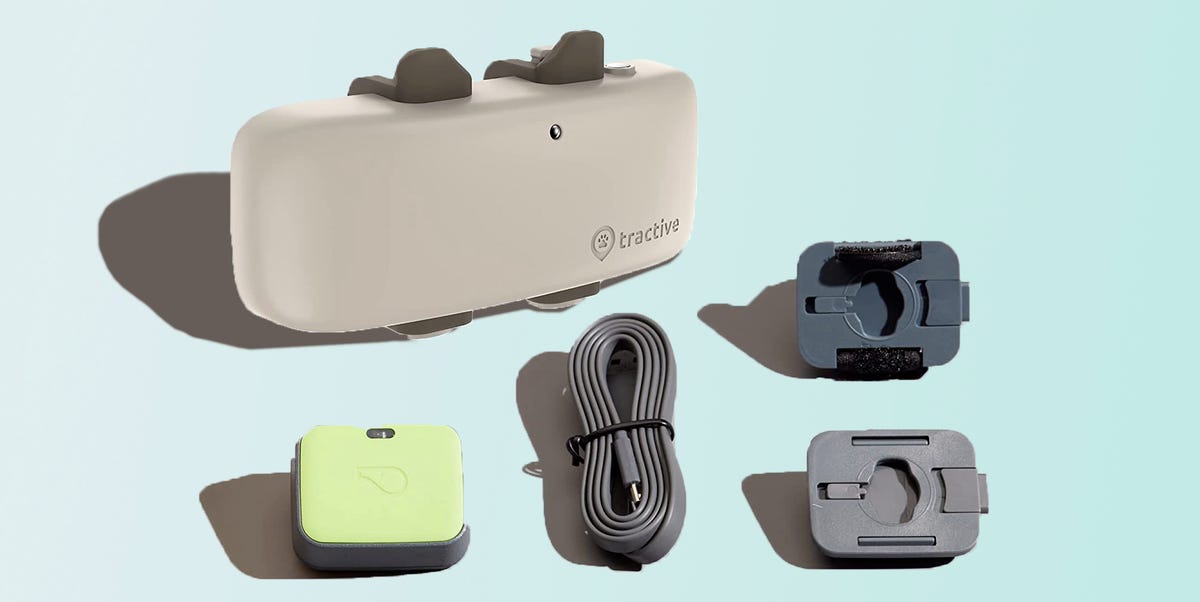

If your dog treats every open gate like a personal invitation to audition for Fast & Furious: Backyard Drift, a pet tracker can be a sanity-saver. The best pet trackers and GPS dog collars of 2024 do more than drop a pin on a map. They can send escape alerts, create virtual fences, monitor activity, and in some cases, flag health changes before your dog can say, “I was absolutely not rolling in that mud puddle.”
That said, not all pet trackers are created equal. Some are true GPS dog collars with cellular connectivity and live tracking. Some are smart collars built around health and fitness. Others are basically clever Bluetooth tags that work fine for keys, backpacks, and maybe a sleepy indoor cat, but are not the first thing you want to trust when your beagle has gone full explorer mode.
After reviewing the 2024 field, one thing is clear: the best choice depends on how your dog lives. A city dog with reliable cell coverage has different needs than a farm dog, a trail dog, or a serial fence-tester with Olympic-level hop. Below, you’ll find the best pet trackers and GPS dog collars of 2024, plus the real-world pros, drawbacks, and buying tips that matter.
Quick Answer: Which Pet Tracker Is Best in 2024?
If you want the most balanced smart dog collar overall, the Fi Series 3 earns the crown. It blends live GPS tracking, strong battery life, durable construction, activity monitoring, and a polished app in a way that feels genuinely useful instead of just techy for the sake of being techy.
If you want the best bang for your buck, Tractive GPS Dog LTE stands out as the value pick. It is easy to use, widely recommended, and strong on the core features people actually need: live location, escape alerts, and a straightforward app.
If health tracking is the priority, Whistle remains one of the strongest options. If invisible fencing and training are your focus, Halo and SpotOn move into the spotlight. And if you are tempted to save money with an Apple AirTag, it can work as a backup option, but it is not the same thing as a true GPS dog tracker.
What Makes a Great GPS Dog Collar?
The best GPS dog collar is not necessarily the one with the flashiest app or the biggest pile of features. It is the one that matches your dog’s size, lifestyle, and escape style. In 2024, the best pet trackers usually got four things right: accurate location tracking, reliable alerts, comfortable hardware, and battery life that did not require daily babysitting.
Beyond that, the smartest buyers looked at a few practical questions. Does the device rely on cellular coverage? Does it need a subscription? Is it small enough for a little dog and sturdy enough for a mud-loving maniac? Does it offer virtual fence features, or is it just for recovery after the fact? And perhaps most importantly, will your dog actually wear it without looking personally offended?
The Best Pet Trackers and GPS Dog Collars of 2024
1. Fi Series 3 Best Overall Smart Dog Collar
The Fi Series 3 is the best all-around choice for most dog owners in 2024 because it avoids the classic smart-collar trap: being impressive on paper but annoying in daily life. Fi does a lot well. You get live GPS tracking, Lost Dog Mode, activity tracking, sleep data, escape alerts, and a collar system that feels purpose-built instead of like a gadget duct-taped to a leash accessory.
Its big advantage is balance. Some collars are better at one thing, but Fi is very good at many things. It is especially appealing for owners who want both safety and habit tracking. If your dog’s daily activity, rest patterns, and location all matter to you, this collar covers the bases without turning pet parenting into a spreadsheet hobby.
Best for: owners who want premium tracking plus health and activity features in one polished system.
2. Tractive GPS Dog LTE Best Value GPS Dog Tracker
Tractive earns its spot as the best value pick because it focuses on the fundamentals and does them well. The tracker is relatively affordable, easy to set up, and strong on the features most buyers want first: live tracking, virtual fences, and escape alerts.
This is the tracker for people who want real GPS tracking without paying luxury-collar prices. It is especially attractive for smaller dogs, first-time buyers, and owners who care more about quick recovery and reliable notifications than advanced wellness dashboards. In plain English: it gets the job done without trying to become your dog’s life coach.
The main tradeoff is battery life, which is solid but not magical. If you use live tracking often, expect to charge more regularly. Still, for sheer value in the 2024 market, Tractive is hard to beat.
Best for: budget-conscious buyers who still want true GPS and live tracking.
3. Whistle GO Explore or Whistle Switch Best for Health and Fitness Tracking
If your dog’s wellness matters as much as their whereabouts, Whistle is a strong contender. In 2024 coverage, Whistle stood out for combining tracking with deeper health and behavior insights. Depending on model, Whistle collars and trackers can monitor trends tied to activity, scratching, licking, sleep, and other behavior patterns that may help owners catch potential issues earlier.
This makes Whistle particularly useful for older dogs, dogs with chronic health concerns, or owners who love data but want it to mean something. It is not just counting steps so your Labrador can brag to the golden retriever next door. It is trying to build a fuller picture of what “normal” looks like for your dog.
The downside is that some Whistle options have shorter battery life than the longest-lasting Fi setups. But if health detail is your north star, Whistle deserves serious attention.
Best for: health-conscious pet parents and dogs with changing routines or medical needs.
4. Halo Collar Best for Virtual Fences and Training Features
Halo is less of a simple GPS tracker and more of an all-in-one system. It combines real-time GPS tracking, virtual fences, activity monitoring, and training tools in a single collar. If your goal is not just finding your dog after they wander off, but actively teaching them where they should and should not go, Halo becomes much more interesting.
That makes it ideal for owners with large yards, frequent travel, or homes where a physical fence is impractical. You can build boundaries in the app and manage them on the go, which is handy for camping, road trips, cabin weekends, or that one relative’s house where the yard has “suggestive edges” instead of an actual fence.
Halo is not the cheapest option, and it requires buy-in. You are paying for a system, not just a tracker. But for owners who want containment and training support wrapped into one product, it is one of the most compelling picks of 2024.
Best for: owners who want GPS tracking plus virtual fencing and guided training tools.
5. SpotOn GPS Fence Best for Large Properties and Odd-Shaped Yards
SpotOn is a standout choice if you live on acreage or have property lines that make traditional fencing feel like a full-time construction project. Unlike a basic pet tracker, SpotOn is built around GPS-based containment. You can create custom-shaped boundaries in the app without buried wire, which is a big deal for large, uneven, or unusual properties.
SpotOn is also a smart choice for people who travel with their dogs and want portable containment. Campsite today, lake house tomorrow, cousin’s chaotic farm on Saturday? SpotOn is designed for that kind of life.
The catch is that it works best when you understand what you are buying. This is not merely “clip it on and forget it” tech. Training matters. Setup matters. Cellular coverage still matters for tracking functions. But for the right dog and owner, SpotOn solves a problem that standard GPS dog collars do not.
Best for: rural homes, large properties, and dog owners who need flexible virtual fencing.
6. FitBark GPS Best Lightweight Clip-On Tracker
FitBark GPS is a great pick for owners who want a lighter tracker that clips onto an existing collar instead of replacing it. It combines GPS tracking with health and activity monitoring, but one of its biggest selling points is comfort. It is small, lightweight, and much less bulky than some full smart collars.
That makes FitBark especially attractive for small dogs, sensitive dogs, or owners who already love their current collar setup and do not want a full collar swap. It also appeals to data-minded users who want activity and sleep insights without going all the way into premium smart-collar territory.
In short, FitBark is the quiet overachiever of the bunch. It is not the loudest brand at the dog park, but it does a lot right.
Best for: smaller dogs, lightweight setups, and owners who prefer clip-on flexibility.
7. Apple AirTag in a Secure Dog Collar Holder Best Budget Backup for Apple Users
Let’s say the controversial part out loud: an AirTag is not a true GPS dog tracker. It relies on Apple’s Find My network, which means it works best when your dog is near other Apple devices. That can be fine in dense urban or suburban areas, but it is not the same as dedicated GPS and cellular tracking.
Still, AirTag remains popular because it is cheap, simple, and lasts a long time on a replaceable battery. In the right situation, it is a perfectly reasonable backup solution. It is just not the hero of the movie. Think “supporting actor with good comic timing,” not “lead detective in a missing-dog thriller.”
If your dog is low-risk, mostly indoor, or always with you in populated areas, an AirTag can be better than nothing. But for genuine escape-prone dogs, a dedicated pet GPS tracker is the safer bet.
Best for: Apple households that want a low-cost backup, not a primary recovery tool.
8. Garmin Dog Tracking Systems Best for Off-Grid and Rural Tracking
Most pet GPS trackers assume you have decent cellular coverage and that your dog’s adventures are mostly suburban. Garmin’s dog tracking systems are for a different crowd. These systems are built for outdoor use, sporting dogs, rural areas, and off-grid scenarios where phone-based app tracking is not always enough.
This is not the everyday answer for most pet parents. But if you hunt, hike in remote areas, or live where cell coverage gets spotty the second you pass the mailbox, Garmin-style systems deserve a mention. They are specialized, rugged, and aimed at serious field use.
Best for: hunting dogs, rural owners, and off-grid adventures.
How to Choose the Right Pet Tracker for Your Dog
Start with your dog’s escape profile. A couch potato who only slips into the yard twice a year does not need the same equipment as a husky who views every door as a philosophical suggestion. For frequent escape artists, prioritize real-time GPS, fast location updates, escape alerts, and dependable cellular coverage.
Next, think about environment. If you live in a city, Bluetooth backup tags may be more workable because there are more nearby devices to help locate them. If you live in the country, true GPS matters more, and in some cases you may want a system designed for weak cell coverage or wide-open spaces.
You should also decide whether you want tracking only or tracking plus containment. A tracker tells you where your dog went. A virtual-fence collar tries to stop the trip before it becomes a neighborhood tour. Both can be useful, but they solve different problems.
Finally, do not ignore comfort. A smart collar that is too heavy, too bulky, or too awkward is going to spend more time on your kitchen counter than on your dog. Size, weight, fit, waterproofing, and durability matter just as much as app screenshots and marketing buzzwords.
Common Mistakes Buyers Make
The biggest mistake is assuming every tracker works like true GPS. It does not. Bluetooth tags and GPS collars are not interchangeable. One is a low-cost convenience tool. The other is an actual safety device for serious tracking.
The second mistake is forgetting about subscription costs. Many of the best GPS dog collars in 2024 require a plan for cellular tracking, alerts, and live location features. The hardware price is only part of the real cost.
The third mistake is treating a tracker like a replacement for basics. It is not. Your dog still needs a properly fitted collar, current ID tags, and a microchip. Smart tech is a great extra layer. It is not a substitute for common sense, secure fencing, and old-fashioned identification.
Final Verdict
The best pet trackers and GPS dog collars of 2024 prove that pet tech has finally become genuinely useful. The category is no longer just novelty gear for gadget-loving dog parents. Today’s best options can help you recover a lost pet faster, set safer boundaries, and understand your dog’s routine in ways that were not possible a few years ago.
If you want the best overall smart collar, go with Fi Series 3. If value matters most, Tractive GPS Dog LTE is a terrific buy. If health and behavior insights are your thing, Whistle deserves a long look. And if your biggest challenge is containment rather than recovery, Halo or SpotOn may fit better than a standard tracker.
The best GPS dog collar is the one that matches your dog’s real life, not your fantasy version of dog ownership. Buy for your actual yard, your actual signal strength, your actual budget, and your actual four-legged chaos goblin. Your future self will thank you.
Real-World Experiences With Pet Trackers and GPS Dog Collars
Living with a pet tracker is a lot like living with a smoke detector: most days, you barely think about it, and on one stressful day, you are very, very glad it exists. That is the real appeal of the best pet trackers and GPS dog collars. They are not exciting because they are flashy. They are exciting because they quietly reduce panic.
Owners who switch from a basic collar tag to a GPS dog tracker often describe the same first reaction: relief. Not because they suddenly stop worrying, but because the worrying becomes more manageable. Instead of “Oh no, where did he go?” the question becomes “Okay, he is two streets over, headed toward the park, and I can get there.” That emotional difference is huge.
Another common experience is realizing how differently dogs move when nobody is watching. Some dogs take neat little loops around the yard. Others apparently conduct secret wilderness missions behind the garage. Activity logs and location history can be surprisingly revealing. Many owners buy a tracker for safety and end up using the health and activity data more than expected. They start noticing changes in rest, reduced movement after a hard hike, or weird spikes in nighttime pacing. It is not magic, but it can be genuinely useful.
Of course, the daily experience is not always glamorous. There is charging. There is app setup. There is the occasional alert that sends your heart into your throat before you realize your dog walker simply took a route outside the usual safe zone. Some collars are bulkier than expected. Some trackers need a little trial and error before you find the sweet spot for fit and comfort. And yes, some dogs will absolutely act like the new tracker is a personal insult for the first afternoon.
Still, most of the annoyances are small compared with the upside. For apartment dwellers, trackers add confidence during walks and dog-sitter visits. For suburban owners, they bring peace of mind when a gate is accidentally left open. For rural owners, they can be the difference between a quick recovery and a long, miserable search. For travelers, portable GPS fence systems can make unfamiliar places feel far less risky.
There is also a less obvious benefit: pet trackers change owner behavior. People become more careful about collar fit, more aware of battery levels, and more realistic about how often their dog tries to test boundaries. In that sense, the best dog GPS trackers do not just monitor dogs. They train humans too.
And maybe that is the biggest real-world takeaway. The best pet trackers and GPS dog collars of 2024 are not about turning your dog into a robot or measuring every wiggle like a Wall Street stock. They are about creating a little more visibility in a relationship that is usually built on trust, instinct, and the occasional muddy paw print on the couch. That extra visibility can mean faster recoveries, smarter routines, and fewer moments of all-out panic. For most dog owners, that is more than enough reason to clip one on and call it money well spent.
SEO Tags