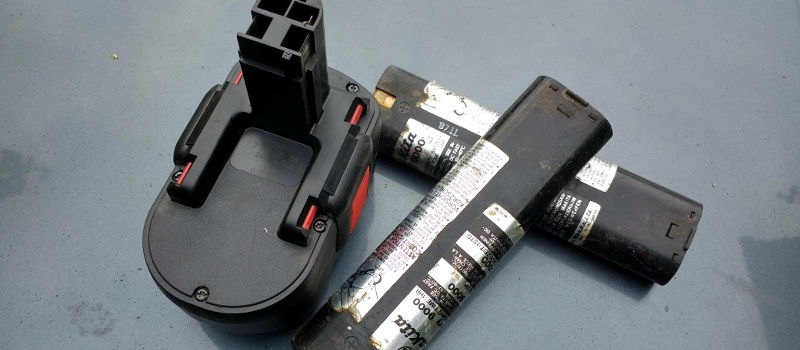

Cordless power tools are one of the greatest modern conveniences ever invented for people who like building things, fixing things, or at least looking extremely confident while holding a drill in the garage. No cord to drag around. No outlet hunt. No extension cord shaped like an angry snake across the driveway. Just grab the tool, squeeze the trigger, and go make sawdust.
That is the dream, anyway.
The reality is a little messier. Cordless power tools are fast, portable, and often incredibly capable, but they also come with a long list of headaches that buyers do not always think about until after the honeymoon phase ends. Batteries get expensive. Runtime disappears at the worst possible moment. Chargers multiply like rabbits. Tool platforms become tiny empires that do not cooperate with one another. And the promise of freedom can turn into a very expensive commitment with a plastic carrying case.
None of this means cordless tools are a bad idea. Far from it. For many jobs, they are absolutely the right choice. But the trouble with cordless power tools is that they solve one obvious problem, the cord, while quietly introducing five or six less obvious ones. If you know what those problems are before you buy, you are far less likely to end up staring at a dead battery pack in the middle of a Saturday project while whispering words your workbench should never hear.
Why Cordless Tools Became So Popular
To understand the downsides, it helps to see why cordless tools took over in the first place. They are convenient in ways corded tools simply are not. A cordless drill can go onto a roof, under a sink, into the backyard, or out to a jobsite that does not have power yet. That kind of mobility is a huge deal for contractors, remodelers, and DIYers alike.
Battery technology also got much better. Modern lithium-ion platforms are lighter, stronger, and smarter than older rechargeable systems. Brushless motors have improved efficiency, stretching runtime and reducing wear. Entire ecosystems now let one battery power dozens, or even hundreds, of tools. On paper, this is excellent. Buy one platform and suddenly your drill, impact driver, blower, vacuum, work light, and trim saw all speak the same electrical language.
That is the sales pitch, and to be fair, it is not wrong. But convenience has a cost, and cordless tools collect that cost in several different ways.
The Main Trouble With Cordless Power Tools
1. The Battery Is the Real Boss
With corded tools, the tool itself is the star. With cordless tools, the battery is secretly running the show. The motor, performance, balance, runtime, weight, and long-term value of the tool all depend on that rectangular chunk clipped into the bottom.
This sounds fine until you start buying more tools and realize you are not really shopping for a circular saw or grinder anymore. You are shopping for a battery relationship. Once you commit to a cordless platform, every future purchase is shaped by battery compatibility. That can be efficient, but it can also feel like getting married after one very charming date.
If your favorite brand makes a great drill but a mediocre jigsaw, too bad. You may still buy the mediocre jigsaw because you already own three batteries and two chargers. This is one of the quietest and most expensive problems in the cordless world: the platform traps you with convenience.
2. Runtime Always Sounds Better on the Box
Ask any tool owner about runtime and you will usually hear the same hopeful sentence: “It lasts pretty well, unless I’m doing something heavy.” The phrase “something heavy” is doing a lot of work there.
Light-duty jobs can make cordless tools feel magical. Hanging shelves, assembling furniture, trimming a few boards, driving deck screws, and doing punch-list work are exactly where cordless tools shine. But as soon as the job becomes repetitive, high-load, or all-day long, the limits start showing up. A reciprocating saw chewing through old framing lumber, a grinder working metal, a circular saw ripping sheet goods, or an outdoor tool tackling dense overgrowth can burn through batteries much faster than casual users expect.
And runtime is not just about how long a tool runs. It is also about how often your workflow gets interrupted. Every battery swap is a pause. Every pause breaks rhythm. That matters more than people think. A project that should feel smooth suddenly becomes a relay race between tool, charger, and backup battery.
If you only own one battery, cordless freedom turns into a hostage situation almost immediately.
3. More Power Usually Means More Weight
Here is one of the funniest contradictions in the cordless market: manufacturers work hard to make tools feel portable, then bolt giant battery packs onto them so they can compete with corded performance.
The result can be excellent cutting speed or drilling force, but not always great ergonomics. A high-capacity battery can make a tool nose-heavy, awkward overhead, or tiring over long sessions. That matters if you are drilling above shoulder height, fastening subfloor, trimming overhead material, or using the tool one-handed in a tight space.
In other words, the cordless tool can stop feeling nimble the moment it becomes powerful enough to replace the corded version. The power-to-weight balance matters more than people expect. A tool that technically performs well may still be annoying to use if it feels like a brick with a trigger.
4. Battery Packs Age, and They Do Not Care About Your Feelings
One of the least glamorous truths about cordless tools is that batteries are consumables. Not disposable, exactly, but definitely mortal. They age with use, they age with heat, and they even age while sitting around doing almost nothing. That means the most expensive part of your cordless setup is also the part most likely to lose value over time.
Maybe the pack still charges, but it no longer holds as much energy. Maybe it runs hot. Maybe it charges slower. Maybe it works fine for a light but starts quitting early in a saw. The tool feels weaker, but the real issue is often the battery.
This is where a lot of owners get frustrated. The drill body still looks perfectly fine. The motor still sounds healthy. But the system performance drops because the battery is aging out. Then comes the unpleasant moment when you price replacement packs and realize a new battery can cost enough to make you question all your life choices, including that “great deal” combo kit from two years ago.
5. Heat, Cold, and Storage Can Ruin a Good Setup
Cordless tools are portable, but batteries are picky. Leave them in a scorching truck, a damp shed, or a freezing garage for too long and performance can suffer. That is a problem because many people store tools exactly where it is most convenient, not where the battery is happiest.
Jobsite conditions also matter. A battery-powered saw or blower may perform very differently in extreme temperatures than it does in a calm suburban garage. Cold can reduce effective runtime. Heat can stress cells, trigger protective electronics, or shorten service life over time. A tool that feels heroic in spring can become dramatic in August.
The annoying part is that battery care is boring but necessary. You cannot just treat packs like immortal plastic bricks. If you do, the system eventually sends you a very expensive reminder.
6. Chargers Become Their Own Form of Clutter
One cordless tool is tidy. Five cordless tools are a charging strategy. Ten cordless tools are a wall-management problem.
Chargers take up outlet space, bench space, and mental space. Some systems charge quickly, others more slowly, and not every charger treats every battery the same way. Suddenly your workshop looks less like a neat tool station and more like an airport gate for rectangular electronics.
Even people who love cordless tools eventually run into charger fatigue. There are starter chargers, rapid chargers, dual-port chargers, automotive adapters, and “I swear I had another one of these somewhere” chargers. None of them are the one you need when every battery happens to be dead at once.
7. Cordless Tools Can Cost More Than You Think
The sticker price on a cordless tool is often just the beginning. The real cost includes extra batteries, a better charger, accessories, replacements, and sometimes the tool-only purchase you convinced yourself was smart because you “already had batteries.” That sentence has emptied many wallets.
Here is how the math usually goes. A homeowner buys a drill kit and feels clever. Later they add an impact driver, then a saw, then a blower, then a vacuum because it works with the same battery. Soon they have built an impressive cordless collection, but the budget quietly ballooned because battery systems are designed to make expansion feel logical.
It is logical. It is also expensive.
In many cases, cordless is worth the premium. But buyers should stop pretending the premium is tiny. It is not. A good cordless setup is often a long-term investment, not an impulse purchase with a very optimistic battery gauge.
8. Some Tools Still Make More Sense With a Cord
This is the point cordless fans do not always enjoy hearing: some jobs still favor corded tools. If you are sanding for hours, cutting dense material nonstop, mixing heavy compounds, running a shop vacuum for a long stretch, or doing stationary workshop tasks near reliable power, a cord can still be the smarter choice.
That does not mean corded is automatically better. It means power delivery is steady, runtime is unlimited, and you are not planning your workday around charging cycles. For demanding tasks, that kind of predictability is hard to beat.
The trouble with cordless tools is not that they fail at everything. It is that buyers sometimes expect them to replace every corded tool in every scenario. That is where disappointment sneaks in.
Hidden Problems Buyers Often Overlook
Brand Lock-In Is Real
Battery ecosystems are wonderful when they work for your needs and irritating when they do not. Once you have bought into a platform, changing brands gets expensive fast. That can keep you tied to tools you like, but it can also keep you stuck with tools you merely tolerate.
Replacement Batteries Hurt the Budget
People compare tool prices all the time, but fewer compare long-term battery replacement costs. A cheap cordless kit can become a costly system if the batteries fade early or if genuine replacements are pricey. Buying the tool is only chapter one. Maintaining the platform is the whole series.
Tool Specs Can Be Misleading
Voltage, amp-hours, and marketing claims can make cordless tools sound easy to compare, but real-world performance depends on more than a number printed on the box. Motor efficiency, electronics, battery chemistry, tool design, and the task itself all shape results. Bigger numbers do not automatically equal a better experience.
Safety Is Not Optional Just Because the Cord Is Gone
A cordless tool may feel friendlier because it is portable and compact, but it is still a power tool. It can bind, kick, overheat, spark, or cause injury just as quickly as a corded model. In some ways, cordless tools tempt people into casual use because they feel less formal. That is a mistake. Easy to grab does not mean safe to use carelessly.
When Cordless Tools Are Absolutely Worth It
After all that criticism, cordless tools still deserve credit. They are fantastic for service work, repairs, assembly, punch-list jobs, ladders, roofs, yards, remote spaces, and any task where dragging power around is a bigger problem than the tool itself. A good cordless drill-driver combo can transform home maintenance. A cordless nailer or compact saw can save huge amounts of time. Battery-powered outdoor tools can also be quieter, easier to start, and simpler to maintain than gas alternatives.
The smart approach is not to reject cordless tools. It is to match them carefully to the kind of work you actually do. If your projects are mobile, intermittent, and varied, cordless may be perfect. If your work is stationary, heavy-duty, and long-running, a mix of cordless and corded often makes more sense.
How to Buy Cordless Tools Without Regret
Choose the Platform First
Do not buy based on one flashy kit. Look at the whole battery ecosystem. Does the brand make the tools you may need next year, not just next weekend?
Budget for Extra Batteries Immediately
One battery is optimism. Two batteries are a plan. Three batteries are peace and quiet.
Think About Weight, Not Just Power
A lighter, balanced tool you enjoy using may be better than a beastly model that wears you out in twenty minutes.
Store Batteries Like They Matter
Because they do. Avoid extreme heat, moisture, physical damage, and lazy storage habits that slowly wreck performance.
Keep at Least One Corded Tool for Heavy Work
You do not need to be ideologically loyal to either camp. Let the job decide.
Conclusion
The trouble with cordless power tools is not that they are bad. It is that they are easy to love for the wrong reasons. People buy the fantasy of total freedom, then discover the fine print: batteries age, power varies, runtime runs out, chargers spread across the shop like vines, and platform lock-in can shape every future purchase.
Still, cordless tools have earned their place. They are convenient, fast, and often brilliant when used in the right situations. The smartest buyers are the ones who see both sides clearly. They know cordless tools are not a miracle. They are a tradeoff. A very useful tradeoff, yes, but still a tradeoff.
Buy with realistic expectations, choose your battery platform carefully, and keep at least a little healthy skepticism in the toolbox. That way, when your cordless setup works beautifully, it feels like smart planning instead of dumb luck.
Real-World Experiences With Cordless Power Tools
Talk to enough homeowners, remodelers, and weekend DIYers, and a pattern appears. Nearly everyone loves cordless tools at first because the freedom is obvious right away. The first time someone builds a shelf without dragging out an extension cord, it feels like the future has arrived. The drill is lighter than expected, the impact driver sounds gloriously aggressive, and suddenly every screw in the house looks like a personal challenge.
Then real projects begin.
A deck repair is a classic example. Cordless drivers are excellent for removing fasteners, driving structural screws, and moving around outdoors. But once the project stretches into a full day, the cheerful battery confidence starts fading. One pack is charging, one pack is hot, one pack is mysteriously “full” for about eight minutes, and the person doing the work begins walking back and forth between the project and the charger more than they walk on the actual deck.
Another common experience shows up with cordless circular saws. For a few quick cuts, they are fantastic. They are quick to grab, perfect for trimming a board, and wonderfully convenient when working outside. But when someone starts cutting a stack of pressure-treated lumber or breaking down a lot of sheet goods, the mood changes. The saw still works, but the pace becomes uneven. The operator starts thinking about battery percentage instead of cut quality, which is never a sign of spiritual peace.
Overhead work creates a different lesson. Many people buy bigger batteries expecting more runtime and more power, which sounds smart. Then they spend an hour fastening material above shoulder level and discover that extra capacity feels suspiciously similar to lifting a cinder block with a handle. The tool performs better, technically, but the user performs worse because fatigue shows up early.
There is also the famous “platform creep” experience. It starts innocently. A person buys one cordless drill kit. Then they realize the same battery fits a leaf blower. Then a work light. Then a compact vacuum. Then a trim router. Before long, they are emotionally invested in a battery family. They are no longer choosing the best tool in every category. They are choosing the best excuse to keep using the same charger.
And yet, despite all of this, most people do not go back. They just get smarter. They add backup batteries. They keep a corded saw or grinder for brutal work. They stop leaving packs in a hot car. They learn which tool is ideal for convenience and which one is better when brute force matters. That is the real cordless journey: not blind loyalty, not total rejection, but a gradual education in how convenience and compromise live in the same toolbox.