
Note: This article is for educational purposes only and is not a substitute for medical care. If scoliosis is causing severe pain, numbness, weakness, bowel or bladder changes, or trouble breathing, seek medical attention promptly.
Trying to sleep with scoliosis can feel a little like negotiating a peace treaty between your spine, your mattress, your pillow, and your patience. One minute you are hopeful. The next minute you are building a pillow fortress at 2:13 a.m. and wondering whether your body has developed a personal grudge against comfort.
Here is the good news: there is not one perfect sleeping position for every person with scoliosis. The better goal is much simpler and far more realistic. You want a sleep setup that keeps your spine as neutral as possible, reduces twisting, and lowers the pressure that makes you wake up stiff, sore, or dramatically disappointed in humanity.
For many people, back sleeping is the easiest position for keeping the spine aligned. Side sleeping is a very strong second choice and can work beautifully with the right pillow support. Stomach sleeping is usually the trickiest option because it tends to increase strain on the lower back and rotate the neck, though some people can make it less miserable with smart support.
So, back vs. side vs. stomach for scoliosis? Back often wins for symmetry, side is often the most practical, and stomach usually finishes in last place unless you modify it carefully. Let’s break down why.
Why Sleep Position Matters When You Have Scoliosis
Scoliosis is a side-to-side spinal curve that may also involve rotation. In mild cases, especially in adolescents, it often causes few or no symptoms. In adults, or in more severe curves, scoliosis is more likely to come with back pain, uneven posture, fatigue, and sometimes leg symptoms if nerves are irritated. That means sleep position is not just a bedtime preference. It can affect how much pressure your muscles, joints, and nerves deal with for hours at a time.
Good sleep posture will not “straighten” scoliosis overnight. If that were possible, everyone would own a magical mattress and orthopedic pajamas. But the right position can reduce pain, improve sleep quality, and make mornings less creaky and dramatic.
The main objective is neutral alignment. That means your head, shoulders, ribs, pelvis, and legs are supported in a way that does not force your spine into extra bending, arching, or twisting. Pillows are not just decorative fluff here. They are tiny structural engineers.
Back Sleeping for Scoliosis
Why back sleeping often works best
Back sleeping is often considered the most spine-friendly position because it makes it easier to distribute pressure evenly across the body. For people with scoliosis, that matters. When you lie on your back, it is usually easier to avoid the rotation and side-bending that can sneak in during side or stomach sleeping.
If your scoliosis symptoms are mostly muscular tightness, morning stiffness, or low back discomfort, back sleeping may feel like the calmest option. It also makes it easier to use targeted support under the knees, low back, or shoulders without your body rolling away from the setup like a rebellious burrito.
How to make back sleeping more comfortable
- Place a pillow under your knees to reduce tension in the lower back.
- Use a pillow under your head that keeps your neck in line with your chest, not shoved forward.
- If one side of your rib cage or pelvis feels unsupported, a small towel roll can sometimes fill the gap gently.
- Choose a mattress that feels supportive without being rock-hard. Medium-firm often works well for back pain.
When back sleeping is not ideal
Back sleeping is not perfect for everyone. If lying flat increases lumbar arching, breathing discomfort, snoring, or sleep apnea symptoms, it may not be your best choice. Some people with a more pronounced rib hump or rotational curve also feel like they are “tilting” even while flat. In that case, supported side sleeping may be easier to tolerate.
Side Sleeping for Scoliosis
Why side sleeping is a strong runner-up
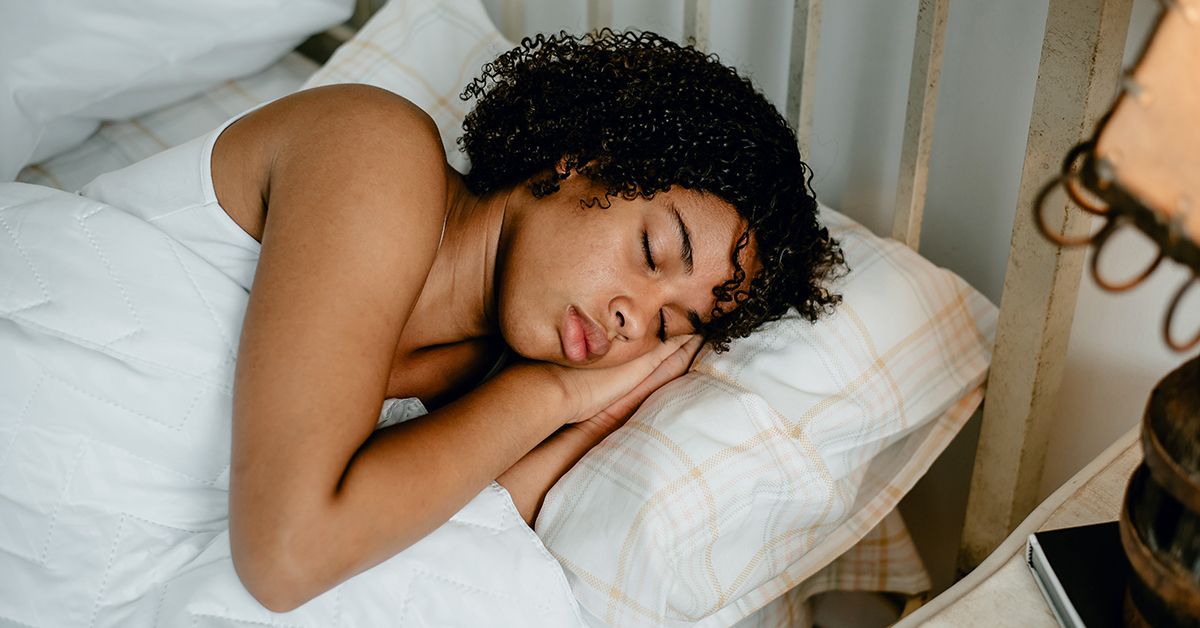
Side sleeping is incredibly popular because it feels natural, cozy, and emotionally supportive after a long day. From a scoliosis standpoint, it can work very well if you keep the spine from twisting. Without support, side sleeping can let the top leg drag the pelvis forward, which may torque the low back and irritate already cranky muscles.
With the right pillow strategy, though, side sleeping can be excellent. Many people with scoliosis actually prefer it because it feels less rigid than back sleeping while still allowing good alignment.
How to make side sleeping work
- Put a pillow between your knees. This is the classic move for a reason.
- If your upper leg still pulls forward, hug a pillow in front of your torso.
- Use a head pillow tall enough to fill the space between your shoulder and neck without tipping your head sideways.
- If your waist collapses toward the mattress, a small towel roll under the waist can sometimes help maintain a more neutral line.
- Try switching sides if sleeping on only one side consistently increases pressure points.
Which side is better?
There is no universal “correct” side for scoliosis. The best side is the one that causes the least pain, numbness, rib pressure, or morning stiffness. Some people prefer sleeping on the side opposite their more painful muscle tension. Others avoid one side because the shoulder, rib prominence, or hip feels compressed. This is one of those rare times when your body gets a vote.
When side sleeping is not ideal
If side sleeping causes shoulder pain, rib soreness, hip pressure, or a feeling that your trunk is folding in half, it may need more support or a mattress change. A mattress that is too soft can let your torso sag. One that is too firm can punish pressure points. Your mattress should support the curve of your body, not swallow it whole.
Stomach Sleeping for Scoliosis
Why stomach sleeping is usually the hardest on the spine
Stomach sleeping tends to be the least friendly choice for people with scoliosis, especially if you already have back pain. It commonly increases extension in the low back and forces your neck to rotate for long periods. That combination can make you wake up feeling like your spine attended a fight club without your permission.
For scoliosis specifically, stomach sleeping may also make asymmetry feel worse because your trunk is pressed into the mattress while your neck twists to one side. If your curve already comes with rotation, this is usually not the bedtime plot twist you need.
If you insist on sleeping on your stomach
Some people simply cannot fall asleep any other way. Fair enough. If you are a committed stomach sleeper, make it less stressful:
- Place a thin pillow under your lower belly or hips to reduce sagging in the low back.
- Use a flatter head pillow, or sometimes none at all, depending on neck comfort.
- Avoid thick pillows that crank the neck upward and sideways.
- Consider transitioning gradually to a three-quarter side position using a body pillow.
Can stomach sleeping work for some people with scoliosis? Yes. Is it usually the first choice recommended when pain is part of the picture? Not really.
Back vs. Side vs. Stomach: The Practical Comparison
| Position | Main Benefit | Main Drawback | Best Support Trick |
|---|---|---|---|
| Back | Often easiest for neutral spinal alignment | May feel uncomfortable if your low back arches or breathing is worse flat | Pillow under knees |
| Side | Comfortable and practical for many people | Can twist the pelvis and low back without support | Pillow between knees, body pillow in front |
| Stomach | Comfortable for a small group of dedicated stomach sleepers | Usually adds neck rotation and lower-back strain | Thin pillow under hips or lower belly |
Bottom line: If you have scoliosis and pain, start with back sleeping. If that does not work, try side sleeping with excellent pillow support. Leave stomach sleeping as the modified backup plan, not the star of the show.
What About Mattresses and Pillows?
Mattress choice
A mattress cannot cure scoliosis, but it can absolutely make your nights better or worse. In general, medium-firm mattresses tend to be a solid middle ground for people with back pain because they offer support without creating harsh pressure points. A mattress that is too soft may let the low back or torso sink out of alignment. One that is too firm can increase pressure on the shoulders, ribs, and hips.
If you wake up feeling worse than when you went to bed, do not automatically blame your spine. Sometimes the villain is a mattress old enough to remember your previous life choices.
Pillow choice
Your pillow should match your sleep position:
- Back sleepers: use a pillow that supports the neck without pushing the head too far forward.
- Side sleepers: use a taller pillow to keep the head level with the rest of the spine.
- Stomach sleepers: use a very thin pillow or carefully test no pillow if your neck tolerates it.
Extra support pillows can matter just as much as your head pillow. Under the knees, between the knees, under the waist, or under the hips, they help reduce the extra rotation and sag that often make scoliosis-related discomfort worse by morning.
When Sleep Problems Mean You Should See a Professional
Not every rough night is a medical emergency. But do not brush off symptoms that seem bigger than “I slept weird.” You should contact a clinician if scoliosis-related sleep pain is becoming frequent, severe, or disruptive. You also need medical attention sooner rather than later if you notice:
- new or worsening numbness, tingling, or weakness
- leg pain that shoots or burns
- bowel or bladder changes
- trouble standing or walking normally
- difficulty breathing, especially when lying down
- pain that keeps worsening despite rest, support, and position changes
A physical therapist or spine specialist can help you match sleep posture to your specific curve pattern, pain triggers, flexibility, and any nerve symptoms. That is far more useful than taking random advice from the internet and hoping your pillow suddenly earns a medical degree.
Tips for Building a Better Scoliosis Sleep Routine
- Test one change at a time so you know what actually helps.
- Give a new setup a few nights before deciding it failed you personally.
- Use pillows intentionally, not artistically.
- Stretch or walk lightly before bed if your clinician says it is appropriate.
- If one position causes sharp pain, stop trying to force it just because it sounds ideal on paper.
Final Verdict: Which Sleeping Position Is Best for Scoliosis?
If we are ranking sleeping positions for scoliosis in the real world, here is the practical order:
- Back sleeping is often the best starting point because it usually makes neutral alignment easiest.
- Side sleeping is often just as good when supported properly and may be more comfortable for many people.
- Stomach sleeping is usually the least ideal because it tends to increase neck rotation and low-back stress.
Still, the true winner is the position that lets you sleep with the least pain, the least twisting, and the fewest angry morning consequences. Scoliosis is personal. Your sleep strategy should be too.
Real-Life Experiences With Sleeping Position and Scoliosis
People living with scoliosis often describe sleep problems in ways that sound strikingly similar, even when their curves are different. One of the most common experiences is that bedtime is not the problem. It is the middle of the night and the next morning. Many people can fall asleep in almost any position because they are tired, but a few hours later they wake up with one hip aching, one shoulder numb, or the lower back feeling tight and overworked.
Back sleepers with scoliosis often say the position feels wonderfully balanced for the first few minutes, then awkward if the low back is unsupported. A pillow under the knees can change everything. Without it, the body may feel overly arched. With it, the low back often relaxes and the torso feels less tense. Some people also describe finally feeling “symmetrical” on their back, which can be emotionally reassuring when scoliosis makes standing posture feel uneven during the day.
Side sleepers tend to talk about comfort in more mixed terms. On one hand, side sleeping often feels cozy and natural. On the other, it can become a game of managing pressure points. People commonly report that one side feels fine while the other feels awful. Sometimes that is because the shoulder gets compressed. Sometimes it is the ribs, waist, or hip. Sometimes it is because the top leg pulls the pelvis forward and the low back complains loudly by sunrise. A pillow between the knees is one of the most frequently mentioned fixes because it helps the whole lower body feel less twisted.
Stomach sleepers are a determined bunch. Many admit they know the position is not doing their spine many favors, yet they return to it because it is how they have slept for years. Their most common complaint is waking up with neck stiffness or lower-back soreness. Some say they compromise by starting on the side and drifting onto the stomach later. Others reduce discomfort by putting a thin pillow under the hips, which often makes the position feel less strained and less “hinged” through the lower back.
Another common experience is trial and error fatigue. People with scoliosis often buy a pillow, love it for three nights, then suddenly hate it with the passion of a betrayed soap opera character. The same thing happens with mattresses. What feels supportive in a store can feel too soft, too firm, or strangely lumpy after a week at home. That does not mean you are impossible to please. It usually means your body is sensitive to small alignment changes, which is common when the spine is already dealing with asymmetry.
Emotionally, sleep trouble with scoliosis can be frustrating because it seems so basic. You are not training for a marathon. You are trying to lie down like a normal human being. Yet when pain interrupts sleep, it affects energy, mood, focus, and patience. That is why even modest improvements matter. A better pillow setup, a more supportive mattress, or switching from stomach to side sleeping may not feel dramatic in theory, but it can make daily life noticeably easier.
The most helpful mindset is usually this: do not chase a perfect pose. Chase a repeatable setup that leaves you feeling better more often than not. That is progress, and for many people with scoliosis, progress at bedtime is a very big deal.