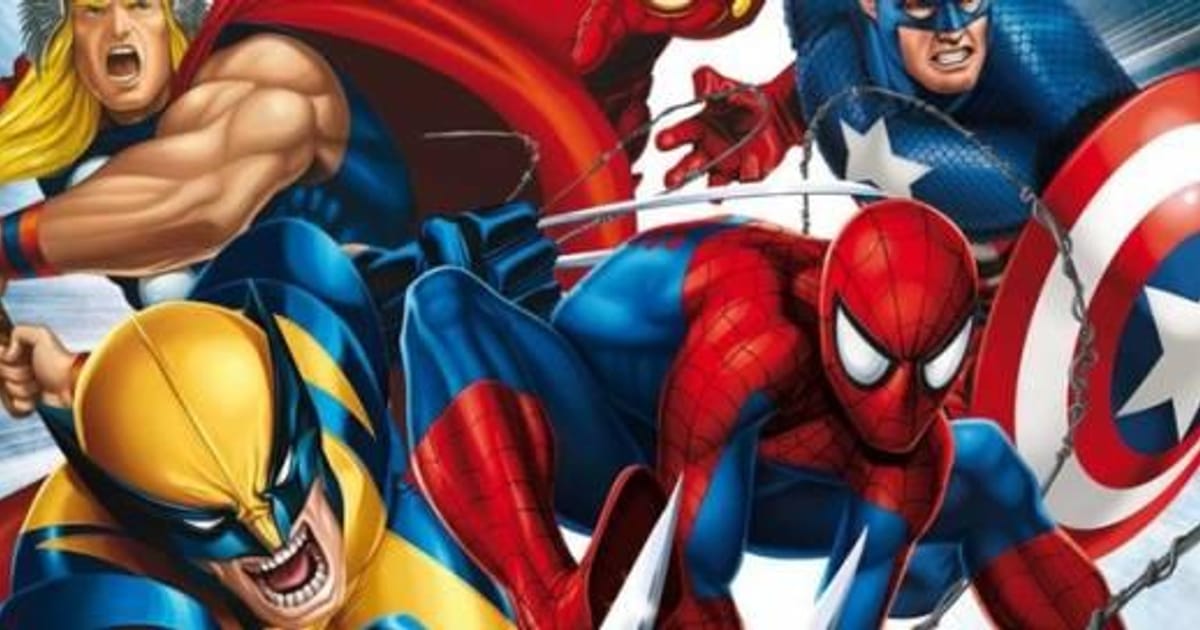

Marvel Comics lists on Ranker are where superhero debates go to get a voting booth, a megaphone, and occasionally a little friendly chaos. If you have ever argued that Spider-Man is Marvel’s greatest hero, Doctor Doom is the best villain, or the X-Men could beat the Avengers before lunch, Ranker is exactly the kind of place where your opinion can climb, fall, and start another debate by Tuesday.
Ranker is built around crowdsourced rankings. Instead of one critic declaring the final word from a dramatic leather chair, fans vote items up or down. That makes its Marvel Comics lists especially interesting because Marvel fandom is massive, passionate, and gloriously divided. Some readers care about comic book history. Others vote based on the Marvel Cinematic Universe. Some people choose Wolverine because he is Wolverine. Honestly, fair.
This guide explores what Marvel Comics lists on Ranker are, why fans enjoy them, what kinds of lists appear most often, and how these rankings reflect the changing popularity of Marvel heroes, villains, teams, and storylines.
What Are Marvel Comics Lists on Ranker?
Marvel Comics lists on Ranker are fan-voted rankings centered on Marvel characters, teams, villains, events, powers, story arcs, and pop-culture moments. They are part entertainment, part fandom thermometer, and part “let’s see what the internet thinks today.”
Ranker’s format is simple: a list is published, users vote, and the order changes over time. That dynamic structure matters because Marvel popularity is not frozen in amber like a collectible comic sealed in plastic. A character can rise after a major movie appearance, a Disney+ series, a viral comic panel, or a new storyline. A villain can suddenly become everyone’s favorite after one great adaptation. A team can surge because nostalgia decided to put on a cape.
For example, Ranker’s Marvel superhero lists often place household names such as Spider-Man, Thor, Deadpool, Wolverine, Iron Man, Hulk, Captain America, Doctor Strange, Black Panther, and Scarlet Witch near the top. That is not surprising. These characters have strong comic book roots, major cultural recognition, and enough fan loyalty to power a helicarrier.
But Ranker also makes room for deeper Marvel cuts. Depending on the list, readers may find characters like Moon Knight, Nova, Squirrel Girl, Beta Ray Bill, Kitty Pryde, She-Hulk, Magik, or the Runaways gaining attention. That is one of the best parts of browsing Marvel rankings: the obvious favorites are there, but so are the characters that make longtime comic readers nod like they have discovered a secret handshake.
Why Ranker Works So Well for Marvel Fans
Marvel is practically designed for ranking. The universe is huge, interconnected, and full of characters who can be compared from a dozen angles. Who is the strongest? Who is the most heroic? Who has the best costume? Who has suffered the most? Who has the most confusing family tree? That last one may require a spreadsheet, a magnifying glass, and emotional support.
Marvel Fans Love Debate
Marvel fandom thrives on conversation. Readers have debated Spider-Man versus Wolverine, Thor versus Hulk, and Doctor Doom versus basically everyone for decades. Ranker turns those arguments into interactive lists, letting fans participate instead of just reading someone else’s opinion.
The voting format also makes the rankings feel alive. A traditional article might say “these are the best Marvel characters,” but Ranker says, “the crowd is still deciding.” That difference keeps fans returning. If your favorite character is lower than expected, you can vote. If your favorite villain is criminally underrated, you can vote. If Deadpool is too high or not high enough, congratulations: you have entered the most Deadpool debate possible.
The Lists Blend Comics and Pop Culture
Marvel Comics began long before the modern superhero movie boom, but today’s fan rankings often reflect both comic history and screen popularity. Spider-Man’s first appearance in Amazing Fantasy #15 in 1962 remains one of the most important moments in comic book history. The Fantastic Four launched in 1961 and helped define Marvel’s modern superhero identity. The Avengers and X-Men both debuted in 1963, later becoming two of Marvel’s most important team brands.
Ranker lists often reveal how those comic foundations still influence modern fandom. Spider-Man remains beloved because he is funny, flawed, and relatable. The X-Men remain powerful because their stories use mutation as a metaphor for identity, prejudice, community, and survival. The Avengers dominate because they represent Marvel’s biggest team-up fantasy: heroes with wildly different personalities somehow saving the world together without turning every meeting into a disaster. Well, usually.
Popular Types of Marvel Comics Lists on Ranker
Ranker’s Marvel coverage is not limited to one “best character” list. The site organizes Marvel topics into many categories, which gives fans different ways to explore the universe. Some lists focus on popularity. Others focus on power, teams, villains, emotional moments, adaptations, or specific groups such as the X-Men, Avengers, Eternals, Runaways, and New Warriors.
Best Marvel Superheroes
The most popular Marvel superhero rankings are usually the gateway lists. These are the ones that casual fans, movie fans, and comic readers can all understand. Spider-Man often performs extremely well because he has one of the strongest combinations of comic legacy, mainstream appeal, humor, tragedy, and everyday relatability. He is a neighborhood hero with cosmic-level brand recognition.
Thor also tends to rank highly because he blends mythology, power, and royal drama. Deadpool’s popularity comes from his chaotic humor, fourth-wall-breaking personality, and surprisingly emotional backstory. Wolverine remains a fan favorite because he is tough, mysterious, loyal, grumpy, and somehow both overexposed and impossible not to enjoy. Iron Man, Captain America, Hulk, Black Panther, and Doctor Strange all bring different kinds of heroism to the table, which keeps the rankings competitive.
Greatest Marvel Villains
Marvel villain rankings may be even more entertaining than hero lists. Great villains create great heroes, and Marvel has a deep bench of troublemakers. Doctor Doom is often treated as one of the greatest villains in comics because he combines genius, magic, political power, theatrical confidence, and the energy of someone who absolutely monograms his own cape.
Magneto is another standout because he is not merely evil for evil’s sake. His motivations are rooted in trauma, survival, and the protection of mutants, which makes him one of Marvel’s most complex antagonists. Green Goblin represents personal horror in Spider-Man’s world. Loki brings mischief, family drama, and mythic stakes. Galactus is less a villain in the ordinary sense and more a cosmic force with a very inconvenient appetite.
Ranker lists help show which villains fans see as iconic, frightening, sympathetic, or just extremely fun to watch causing problems.
Most Powerful Marvel Characters
Power rankings are where Marvel debates become wonderfully dangerous. Once fans begin comparing cosmic entities, reality warpers, gods, mutants, sorcerers, and people who can punch through mountains, the conversation becomes less “who would win?” and more “how many universes are we repairing afterward?”
Characters such as Scarlet Witch, Jean Grey with the Phoenix Force, Doctor Strange, Thor, Silver Surfer, Galactus, Franklin Richards, Molecule Man, and the Living Tribunal often appear in discussions about Marvel’s most powerful beings. These lists attract fans who enjoy the wildest edges of comic book storytelling, where physics quietly leaves the room and continuity starts sweating.
Best Marvel Super Teams
Marvel’s team lists are especially useful because they reveal different definitions of “best.” The Avengers are the all-star squad, bringing together major solo heroes for world-ending threats. The X-Men are a family, a school, a movement, and a metaphor rolled into one emotionally complicated super-team. The Fantastic Four are Marvel’s First Family, built on exploration, science fiction, and interpersonal bickering that somehow counts as love.
Other teams such as the Guardians of the Galaxy, Defenders, X-Force, Runaways, Champions, Eternals, and New Mutants also give Ranker users plenty to debate. Some voters prioritize raw strength. Others prioritize chemistry, storytelling, cultural impact, or how much they would enjoy being stuck on a road trip with the team. The Fantastic Four probably bring snacks. X-Force probably brings weapons. Choose wisely.
What Marvel Ranker Lists Reveal About Fandom
Marvel Comics lists on Ranker are not perfect scientific studies, but they do reveal patterns in fan taste. When a character repeatedly ranks highly across different lists, it suggests durable popularity. When a once-obscure character climbs after a screen appearance, it shows the power of adaptation. When a villain ranks above several heroes, it proves that fans love a good dramatic menace.
Movies Influence Comic Rankings
The Marvel Cinematic Universe has changed how many people discover Marvel characters. Before 2008, Iron Man was famous among comic fans but not necessarily a top-tier household name for general audiences. After the success of the MCU, Tony Stark became one of Marvel’s most recognizable figures. The same pattern helped boost characters such as Black Panther, Doctor Strange, Scarlet Witch, Loki, the Guardians of the Galaxy, and Ant-Man.
Ranker lists often reflect this crossover effect. Fans who first met a character through a movie may vote based on screen personality, while longtime readers may vote based on decades of comic stories. The result is a blended ranking culture where comic book history and modern entertainment collide. Sometimes the collision is graceful. Sometimes it is Hulk landing on a taxi.
Relatability Often Beats Raw Power
One of the most interesting things about Marvel rankings is that the strongest character does not always win. Spider-Man is not more powerful than Thor, Galactus, or the Phoenix Force, but he often ranks above cosmic heavyweights because fans connect with him emotionally. His struggles with money, guilt, relationships, responsibility, and self-doubt make him feel human even when he is swinging between skyscrapers.
That is a key lesson from Marvel’s fan-voted lists: popularity is not only about strength. It is about story. Characters who make readers laugh, cry, cheer, or remember their own awkward teenage years tend to endure.
How to Use Marvel Comics Lists on Ranker
Marvel Comics lists on Ranker can be more than casual entertainment. They can help readers discover new characters, choose comics to read, compare fan opinions, and understand which parts of the Marvel Universe are currently generating excitement.
Use Lists as Reading Inspiration
If you are new to Marvel Comics, Ranker lists can act like a casual recommendation engine. A list of top Marvel superheroes may point you toward Spider-Man, Daredevil, Black Panther, or Ms. Marvel. A villain list may introduce you to Doctor Doom, Magneto, Kingpin, or Kang. A team list may encourage you to explore Uncanny X-Men, Fantastic Four, Avengers, or Guardians of the Galaxy.
The trick is not to treat the rankings as homework. Treat them as a menu. If a character sounds interesting, look up their best story arcs. If a team seems exciting, start with a beginner-friendly run. If a villain appears near the top of several lists, there is probably a good reasonand possibly a monologue.
Compare Rankings With Your Own Taste
Ranker also works because disagreement is part of the fun. Maybe you think Daredevil should be higher. Maybe you believe Storm deserves more recognition. Maybe you are convinced that Doctor Doom should top every list, including “Best Picnic Guests,” because Doom would bring an embroidered blanket and declare the ants inferior.
That personal reaction is valuable. Rankings help fans clarify what they care about. Do you prefer street-level heroes or cosmic epics? Tragic villains or pure chaos agents? Classic teams or newer groups? Your response to the list can tell you what kind of Marvel reader you are.
Specific Examples That Make Marvel Rankings Fun
Consider Spider-Man and Wolverine. Both are extremely popular, but for different reasons. Spider-Man is a symbol of responsibility, humor, and ordinary life under extraordinary pressure. Wolverine is a symbol of survival, rage, loyalty, and mystery. Fans may vote for Spider-Man because he feels like a friend. They may vote for Wolverine because he feels like the person you call when friendship fails and ninjas arrive.
Now compare Doctor Doom and Magneto. Doom is pride in armor, a ruler who believes he alone can save the world if everyone would kindly stop questioning him. Magneto is a revolutionary shaped by persecution and fear of mutant extinction. Both are compelling because they believe they are right. Ranker villain lists become interesting because fans are not only ranking evil; they are ranking complexity, charisma, design, power, and narrative importance.
Then there are teams. The Avengers feel like a blockbuster crossover. The X-Men feel like a community with deep emotional stakes. The Fantastic Four feel like a family road trip into cosmic danger. Ranking them is not just about who wins in a fight. It is about what kind of Marvel story you love most.
Why These Lists Matter for SEO, Pop Culture, and Comic Discovery
From an SEO perspective, Marvel Comics lists on Ranker succeed because they match how people search. Fans often type queries such as “best Marvel characters,” “strongest Marvel superheroes,” “best Marvel villains,” “Marvel teams ranked,” or “most popular Marvel Comics characters.” Ranker pages naturally align with these searches because they answer ranking-based questions directly.
They also encourage long engagement. A reader may arrive for Spider-Man, stay for Moon Knight, click into villain rankings, then end up debating whether the Runaways are underrated. That browsing behavior is exactly why list-based content remains powerful online. It is easy to scan, easy to argue with, and easy to share.
For Marvel fans, the value is even simpler: these lists make a huge fictional universe easier to explore. Marvel has thousands of characters and more than six decades of modern superhero history. A ranked list gives readers a starting point. It does not replace reading the comics, but it can point the way.
Common Questions About Marvel Comics Lists on Ranker
Are Ranker Marvel lists official Marvel rankings?
No. Ranker lists are fan-voted and editorially organized, but they are not official Marvel rankings. They represent the opinions of Ranker users and can change as more people vote.
Do Marvel movie fans affect the rankings?
Yes. Movie and TV popularity can influence voting. Characters with major screen appearances often gain more recognition, even among people who have not read many comics.
Are the rankings useful for new comic readers?
Absolutely. They are useful as discovery tools. A new reader can browse the top-ranked heroes, villains, teams, and storylines to find a character or comic era worth exploring.
Should fans agree with every list?
Definitely not. Half the fun is disagreeing. A ranking list that makes everyone nod politely is not a Marvel ranking; it is a dentist waiting room magazine.
Personal Experience: Browsing Marvel Comics Lists on Ranker
Browsing Marvel Comics lists on Ranker feels a lot like walking into a comic shop where every shelf has started arguing with every other shelf. At first, you may arrive with one simple question: “Who are the best Marvel characters?” Five minutes later, you are comparing Spider-Man’s emotional depth with Wolverine’s cultural impact, wondering whether Storm is underrated, and silently judging the placement of Doctor Doom like he personally invited you to Latveria.
The best experience comes from treating the lists as conversation starters, not sacred tablets. When I browse a Marvel ranking, I look for three things: the obvious top names, the surprising climbers, and the characters that make me say, “Wait, why are they not higher?” That last category is where the fun lives. Every Marvel fan has at least one character they believe deserves more love. For some people, it is Daredevil. For others, it is She-Hulk, Nova, Kitty Pryde, Cyclops, Silver Surfer, or Moon Knight. Ranker gives those opinions a place to breathe.
The superhero lists are usually the easiest to enjoy because they include familiar names. Spider-Man near the top makes sense. Thor, Wolverine, Iron Man, Hulk, Captain America, and Black Panther all have strong cases. But once the list goes deeper, it becomes more personal. A fan who grew up reading X-Men comics may vote differently from someone who discovered Marvel through the MCU. A reader who loves street-level crime stories may prefer Daredevil and Luke Cage over cosmic characters. Someone who adores weird comic book energy may push Squirrel Girl higher with zero apologies.
The villain lists are even more entertaining because Marvel villains are rarely one-note. When Doctor Doom ranks highly, it feels earned. He is brilliant, powerful, dramatic, and convinced that the world’s problems would be solved if everyone simply accepted that he is right. Magneto creates a different reaction because his best stories are filled with pain, politics, and moral tension. Loki is charming chaos. Green Goblin is personal nightmare fuel. Kingpin is terrifying because he can ruin lives without needing a laser beam. These lists remind readers that Marvel’s villains are not just punching bags; they are engines of story.
Team rankings offer another enjoyable layer. Choosing between the Avengers, X-Men, and Fantastic Four is not only about strength. It is about taste. The Avengers deliver scale and spectacle. The X-Men deliver identity, conflict, and found family. The Fantastic Four deliver exploration, invention, and family drama with occasional planet-sized threats. Browsing these lists can help a reader realize what kind of Marvel experience they prefer.
The most useful habit is to turn a ranking into a reading plan. If a character appears repeatedly across Ranker lists, search for their best comic runs. If a villain interests you, look for their most famous story arcs. If a team catches your attention, start with a recommended beginner-friendly series. In that way, Marvel Comics lists on Ranker become more than entertainment. They become a mapmessy, fan-powered, sometimes controversial, but genuinely helpful.
And yes, you will disagree with parts of the rankings. That is not a flaw. That is the feature. Marvel fandom has always been built on passionate debate, from comic shop counters to convention panels to online lists. Ranker simply gives that debate a voting system and lets fans keep the conversation moving.
Conclusion
Marvel Comics lists on Ranker are a lively snapshot of what fans love, debate, defend, and occasionally overthink in the Marvel Universe. They combine the fun of ranked content with the depth of Marvel’s long comic history, giving readers an easy way to explore heroes, villains, teams, powers, and storylines.
These lists are not official canon, and they should not be treated as the final truth. Instead, they are fan-powered guides that reveal trends in popularity and taste. Spider-Man may dominate because of relatability. Wolverine may rise because of cool-factor overload. Doctor Doom may conquer villain lists because, frankly, Doom does not request approvalDoom receives it.
For new fans, Ranker’s Marvel lists are a friendly entry point. For longtime readers, they are a fun excuse to revisit old debates. For SEO-minded publishers, they show why ranking content remains powerful: people love comparing favorites, discovering new names, and arguing just enough to keep scrolling.
Note: This article is written as original editorial content based on publicly available information about Marvel Comics history, Ranker’s fan-voted list format, and widely known Marvel character and team popularity. It is not affiliated with Marvel or Ranker.