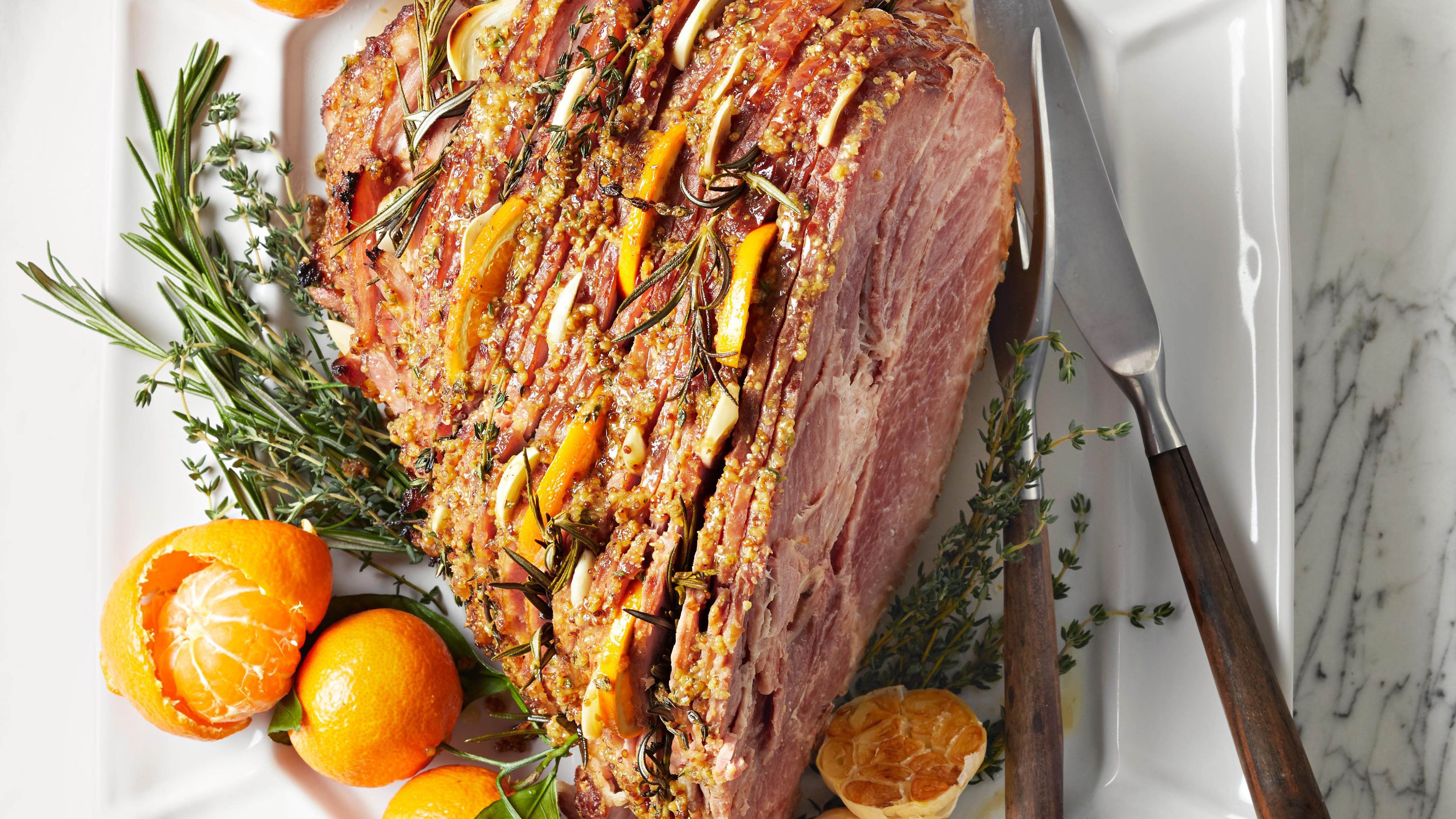

If Easter in America had an official aroma, there is a strong chance it would smell like brown sugar, cloves, and a glossy ham warming in the oven while somebody yells, “Don’t touch the deviled eggs yet!” Ham has become such a common Easter centerpiece that many people assume it must be an ancient religious rule. Surprise: it is not. The story is more practical, more American, and honestly a little more delicious than that.
So, why do we eat ham on Easter? The short answer is this: lamb may have been the older symbolic Easter meat, but ham became the American favorite because it fit the farming calendar, kept well through winter, fed a crowd, and was easier on the budget. In other words, ham did not just arrive at the Easter table by holiness alone. It got there because it was available, affordable, and excellent with glaze.
Let’s dig into the real story behind the Easter ham tradition, including where it came from, why lamb used to matter more, and how ham became the star of so many spring holiday meals in the United States.
The Real Reason Ham Became an Easter Tradition
The Easter ham tradition grew out of timing more than theology. In earlier agrarian life, families often slaughtered hogs in late fall or early winter, when cooler temperatures made butchering and preserving meat easier. Those cuts were then salted, smoked, or cured so they could last through the cold months. By the time spring rolled around, a cured ham was ready to cook and serve. Easter, conveniently, arrives in spring. That meant the holiday lined up perfectly with a ham that had already spent winter getting delicious on purpose.
That practical rhythm matters. Before refrigeration, people did not casually wander to a supermarket at 9:00 p.m. because they forgot the main course. They planned around seasons, storage, and what the farm could reasonably provide. Ham made sense because it was a preserved food with excellent timing. Easter just happened to be the perfect moment to bring it out, slice it up, and let everyone pretend they only wanted one piece.
This is why the history of Easter ham is not really about one dramatic moment when someone declared pork the official meat of resurrection. It is about everyday life. It is about resourceful households using what was ready, what kept well, and what could anchor a feast after a long season of restraint.
Before Ham, Easter Was More Closely Linked to Lamb
If we are talking about older religious symbolism, lamb wins the historical popularity contest. For centuries, lamb carried strong associations with Passover and with Christian ideas about sacrifice, redemption, and the “Lamb of God.” In many parts of the Christian world, roast lamb was the more traditional Easter choice, and in plenty of places it still is.
That is one reason the Easter ham story can confuse people. They know Easter is a major Christian holiday, and they know Jesus was Jewish, so serving pork can feel like a plot twist. But Easter food traditions are not identical to the foods eaten in first-century Judea. They developed over time as Christianity spread across regions with different ingredients, different farm economies, and different culinary habits.
In other words, the symbolism may have started with lamb, but local life shaped what actually landed on the table. Once Christianity moved through Europe and later into American households, food traditions adapted. The result was not one universal Easter menu. It was a patchwork of customs. Some families kept lamb. Others baked sweet breads. Some focused on eggs after Lenten restrictions. And many American households, especially over time, leaned hard into ham.
How Ham Took Over the American Easter Table
1. It matched the farm calendar
The biggest reason ham became popular on Easter is also the simplest: it was ready in spring. Hogs were often butchered in fall, then cured over winter. By Easter, the meat was flavorful, preserved, and ready for a celebratory meal. It was not mystical. It was smart planning with excellent side effects.
2. It was practical for feeding a crowd
Easter is rarely a holiday for tiny plates and whispered portions. It is a gathering holiday. People come home from church, pull extra chairs to the table, and discover that “just immediate family” somehow means fourteen people and a toddler holding a jelly bean with alarming authority. Ham works beautifully for that kind of event. It is large, easy to carve, and can feed a lot of people without requiring minute-by-minute attention.
3. It was often more affordable than lamb
Over time, especially in the United States, ham became a more economical option for many families. Lamb never disappeared, but in many regions it was less common, more expensive, or simply not the meat people already had on hand. Ham, by contrast, fit both household budgets and regional tastes. When people choose a holiday main dish, symbolism matters, but so does the grocery bill.
4. It fit American tastes and shopping habits
As the United States urbanized and food distribution improved, ham became even more convenient. A cured or fully cooked ham was familiar, widely available, and easy to dress up with glazes made from pantry staples like brown sugar, mustard, honey, pineapple, or cloves. Ham also worked well for leftovers, which is a very American holiday bonus. Sandwiches, soups, casseroles, biscuits, quiches, and omelets all say thank you.
5. It became part of the holiday image
At a certain point, tradition takes on a life of its own. Once ham appears on enough Easter tables, in enough magazines, enough cookbooks, enough family photos, and enough grocery ads, it stops being merely practical and becomes expected. The Easter ham tradition in America stuck because it kept working. It looked festive, tasted rich, paired beautifully with spring vegetables, and made hosts feel like they had their act together even if the dinner rolls said otherwise.
Was Ham Ever a Religious Requirement for Easter?
No. This is the part worth saying clearly. Ham is a custom, not a commandment.
Christian traditions around Lent and Easter involve fasting, abstinence, prayer, and then feasting when Easter arrives. But there is no universal Christian rule that says Easter dinner must include ham. The holiday meal is shaped much more by region, culture, season, and family habit than by a single official religious directive.
That is why Easter menus vary so much. Some families serve lamb because they love the symbolism. Some serve ham because that is what their parents and grandparents always made. Some go fully brunch-mode with quiche, breads, fruit salad, and a dessert table that looks like a candy store exploded. The point of the meal is celebration and gathering. Ham is one popular route to that destination, not the only road on the map.
Why Ham and Easter Work So Well Together
Even beyond the history, ham is just extremely good at being holiday food. It is festive without being fussy. It can be served warm or room temperature. It accepts sweet glazes like a true professional. And it pairs with classic Easter side dishes almost unfairly well.
Think about the usual lineup: scalloped potatoes, carrots, asparagus, green beans, rolls, deviled eggs, macaroni and cheese, spring salads, fruit, and cake. Ham gets along with all of them. Lamb can be elegant, but ham is the charming extrovert who knows how to talk to every side dish at the party.
It also fits the emotional tone of Easter in America. Easter often lands in that first real stretch of spring when people are hungry for light, color, and a break from winter heaviness. Ham feels celebratory, but still homey. It can be simple or fancy. It belongs equally well at a church potluck, a Southern family dinner, a backyard brunch, or a polished magazine-style tablescape where every napkin somehow has a personality.
Why Easter Ham Became Especially Popular in the South
The American South played a major role in making ham feel especially “right” for Easter. Pork has deep roots in Southern cooking, and cured hams were long woven into regional food culture. In communities where country ham, smoked pork, and large family meals were already familiar, Easter ham did not feel like a novelty. It felt like the natural holiday extension of existing traditions.
Southern Easter menus often brought together practical preservation, church-centered celebration, and generous hospitality. A ham on the table signaled abundance after winter and welcome after worship. Add biscuits, casseroles, sweet tea, and pie, and you have the kind of meal that turns “just lunch” into a full afternoon event with coffee, stories, and somebody eventually taking home leftovers in a foil-covered dish.
That regional influence mattered. As food media, community cookbooks, and supermarket marketing spread certain ideas of the “classic” Easter meal, Southern-style baked or glazed ham helped define the broader American holiday menu.
Ham vs. Lamb on Easter: Which One Is More Traditional?
The most honest answer is: it depends on what you mean by traditional.
If you mean ancient religious symbolism, lamb is older. If you mean what millions of Americans have served for generations, ham is absolutely traditional too. One tradition comes more directly from sacred symbolism; the other comes from a blend of seasonality, preservation, cost, and culinary habit. Both are real traditions. They just tell different parts of the Easter food story.
So if your family serves lamb, you are not breaking with history. If your family serves ham, you are not doing Easter wrong. You are participating in a specifically American version of the holiday that grew from real historical conditions and became beloved over time.
Frequently Asked Questions About Easter Ham
Did Jesus eat ham on Easter?
No, not in the way modern Americans think of Easter dinner. Jesus was Jewish, and the modern Easter ham tradition developed much later in Christian cultures, especially in Europe and the United States.
Why is ham more common than lamb in the U.S.?
Because ham was often easier to preserve, easier to buy, easier to cook for a crowd, and often more affordable. Over time, those advantages helped it become the default Easter centerpiece in many American homes.
Is Easter ham connected to Lent?
Yes, in an indirect way. Lent is a season of fasting and abstinence before Easter, and Easter marks the return to feasting. Since cured hams were often ready by spring, they became a natural choice for that celebratory meal.
Why do so many Easter hams have sweet glazes?
Because the salty richness of ham pairs beautifully with sweet and tangy flavors. Honey, brown sugar, mustard, maple syrup, fruit preserves, and pineapple all balance the savory bite and help create that shiny holiday finish everyone secretly wants to photograph before carving.
Can Easter still feel traditional without ham?
Absolutely. Tradition is not only about one food. It is also about gathering, memory, faith, hospitality, and the foods your people make year after year. Ham is popular, not mandatory.
What the Easter Ham Tradition Really Means
At its core, the answer to “Why do we eat ham on Easter?” is wonderfully human. We eat it because it made sense. Then it tasted good. Then it fed the family. Then it became familiar. Then one generation handed it to the next until the smell of a glazed ham in spring became part of the holiday itself.
That is how many traditions survive. They begin with necessity, pick up meaning along the way, and eventually become memory. Ham may not be the oldest Easter symbol on the planet, but it is one of the clearest examples of how food traditions grow: part faith, part farming, part economics, part geography, and part pure affection for a dish that knows how to make an entrance.
So the next time someone asks why Americans eat ham on Easter, you can tell them the truth. It is not just because “that’s what you do.” It is because history, season, practicality, and taste all shook hands somewhere along the way. And frankly, that handshake was glazed.
Experiences Around Easter Ham: Why This Tradition Still Feels Personal
One reason Easter ham has lasted so long is that it does not live only in history books. It lives in experiences. It lives in the sound of the oven door opening, the smell of sugar and mustard caramelizing, and the quiet panic of a host wondering whether the center is warm enough while pretending everything is totally under control.
For many families, Easter ham is tied to a very specific kind of spring memory. The table is brighter than it was at Thanksgiving, the windows are open if the weather cooperates, and somebody has placed flowers in the middle of the table with confidence that may or may not be deserved. The meal feels lighter, but also hopeful. Winter is over. People are dressed up. Kids are running around with candy energy. The ham comes out, glossy and dramatic, and suddenly the whole room feels like the holiday has officially arrived.
There is also something comforting about the predictability of it. Holiday traditions can survive because they spare us from reinvention. No one has to ask what the main dish is. No one has to debate whether Easter should involve tacos, sushi, or a build-your-own baked potato bar. Ham enters the room like an old friend who has been hosting spring for decades. Everyone knows where it belongs, what goes with it, and which relative is about to say the glaze is “just right this year” as if they are awarding a Michelin star.
The leftovers are part of the experience too, and maybe one of the secret reasons people love Easter ham so much. Unlike some holiday centerpieces that peak at the table and then fade into refrigerator disappointment, ham keeps going. The next morning, it shows up in omelets. By lunch, it is tucked into sandwiches. By dinner, it has entered soup, pasta, scalloped potatoes, or a casserole no one planned but everyone eats. The tradition extends itself beyond one meal, which makes it feel generous in a way people remember.
And then there is the emotional side. Easter is a holiday about renewal, reunion, and marking time. Even for people who celebrate it in mostly secular ways, it often means gathering, pausing, and noticing that life is moving forward into a new season. A ham on the table becomes part of that ritual. It is not just meat. It is a signal. It says people are here, food is ready, and this moment matters enough to be shared.
That is why the Easter ham tradition stays powerful. It is not only about what people ate long ago. It is about what families still do now: gather, carve, laugh, pass the side dishes, argue gently over the crispiest edge pieces, and carry the flavor of the day into the week that follows. Ham lasts because the experience around it lasts. The story is historical, yes, but the feeling is immediate. And that is how a practical old spring meal became a tradition people keep choosing with affection, appetite, and maybe just a little extra glaze.
SEO Tags
: