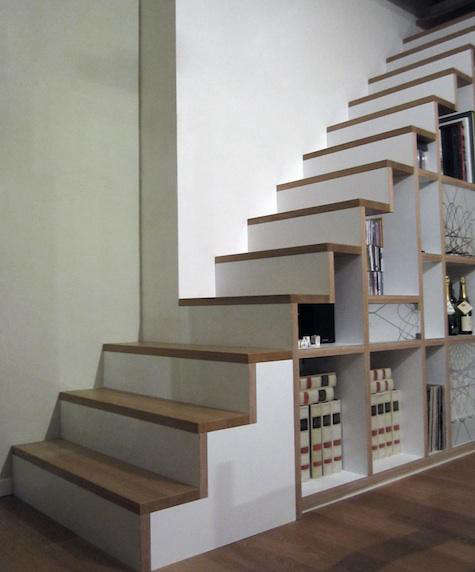

Some architectural features are born glamorous. Double-height windows? Show-off. A marble fireplace? Fully aware of its own beauty. Storage stairs, however, are the quiet overachievers of the house. They do the humble job of getting you from one floor to another while secretly swallowing shoes, books, pantry staples, winter blankets, pet supplies, and the random charger collection every household seems to breed at night.
That is the real magic of storage stairs: they turn circulation space into useful square footage. In compact homes, lofts, cottages, ADUs, and family houses where every inch matters, this detail can feel less like a design trick and more like a peace treaty between style and clutter. Good storage stairs are practical, safe, beautiful, and just clever enough to make guests say, “Wait… that step is a drawer?”
This is not a case of forcing furniture into awkward geometry and hoping for the best. Well-designed storage stairs are architectural. They are planned around structure, ergonomics, daily habits, and finish details. When done right, they feel inevitable, as if the house always meant to work this hard.
What Are Storage Stairs, Exactly?
Storage stairs are staircases that incorporate built-in storage within or around the stair assembly. Sometimes the storage is tucked under the stair run. Sometimes it is integrated inside the risers, stringer wall, landing, or side cabinetry. In tighter spaces, the stair itself can become a hybrid object: part stair, part millwork, part organizational superhero.
There are several common versions:
1. Drawer Stairs
Each riser or lower tread zone conceals a pull-out drawer. These are perfect for shoes, gloves, dog leashes, craft supplies, or anything small enough not to turn opening the drawer into a workout.
2. Side-Access Cabinets
The area beside or beneath the run is fitted with doors, cubbies, or deep slide-outs. This approach is a favorite in entryways because it can function like a stealth mudroom.
3. Open Shelving and Bookcase Stairs
Open cubbies soften the look and keep frequently used items visible. The trade-off is simple: your styling game has to stay strong. Storage is lovely until it looks like a garage sale on a slope.
4. Closet-Style Under-Stair Rooms
When ceiling height allows, the volume under the stair can become a mini closet, pantry, powder room, reading nook, or laundry zone. The stair is not storing things directly, but it is still creating highly functional hidden space.
5. Loft or Compact-House Storage Stairs
In very small homes, the stair may be designed almost like a chest of drawers you can climb. This is common in micro-homes and loft access designs, where every tread has to earn its keep.
Why Storage Stairs Matter in Real Homes
Architecturally, stairs consume serious square footage. They also interrupt walls that might otherwise hold cabinetry or furniture. Storage stairs give some of that area back. Instead of treating the staircase as dead space plus hallway plus “where the vacuum goes to feel lonely,” they turn it into an active part of the plan.
That matters for three big reasons.
They Improve Efficiency
Small homes feel bigger when fewer items float around in plain sight. Built-in stair storage removes clutter from living rooms, kitchens, and entries, which makes the entire house feel calmer.
They Add Value to Daily Life
The best storage is not just abundant. It is convenient. A drawer under the first step for shoes used every day is more valuable than a huge closet at the far end of the house where forgotten umbrellas go to retire.
They Create Architectural Character
Storage stairs can read as fine millwork, not just utility. Done with matching cabinetry fronts, warm wood, painted trim, metal pulls, or hidden finger grooves, they become a defining detail in the room. In modern interiors, they can look crisp and seamless. In traditional homes, they can feel like original built-ins that simply got smarter over time.
The Planning Rules That Separate Great Storage Stairs from Regret
This is where the grown-up part of the conversation begins. Storage stairs are not just about squeezing drawers into a stair and calling it innovation. Stairs are safety-critical, permit-sensitive, structure-heavy elements. Translation: this is not the place for chaotic confidence.
Start with Stair Geometry
In many U.S. residential projects, designers and builders work from familiar stair safety benchmarks: enough width for comfortable travel, a manageable riser height, adequate tread depth, proper landings, enough headroom, and handrails that are easy to grip. Uniformity matters too. Even a beautiful stair feels awkward when one step is slightly off, because the human body notices inconsistency faster than the eye does.
Comfort matters just as much as code. Builders often use simple proportional rules of thumb so stairs feel natural underfoot rather than steep, stingy, or vaguely punishing. If you are integrating storage, those comfort basics should remain in charge. The drawer should adapt to the stair, not the other way around.
Respect Structure
The stair assembly relies on stringers, supports, landings, and framing paths that carry real loads. A storage cavity cannot casually erase structure. In fact, many of the smartest storage stairs work because the cabinetry is designed with the framing rather than carved out of it afterward like an act of architectural vandalism.
If you are remodeling, this point is even more important. A stair that was framed conventionally may not have generous extra space for drawers unless the whole assembly is redesigned.
Design Around What You Actually Need to Store
Here is a surprisingly common mistake: building spectacular storage for imaginary objects. Before you commit to drawer depths and door swings, decide whether this stair needs to hold shoes, pantry overflow, cleaning tools, backpacks, pet food, linens, toys, or books. The shape of the storage should follow the shape of your life.
For example:
- Shallow drawers near the entry are great for shoes, gloves, and mail.
- Taller pull-outs work better for cleaning tools or pantry items.
- Open cubbies are ideal for baskets and objects used daily.
- Closed cabinets are best for visual calm in living spaces.
Think About Access, Not Just Capacity
A deep cabinet under a low slope may technically hold a lot, but if you have to crawl into it like an archaeologist every time you need batteries, it is not good storage. Pull-outs, full-extension hardware, labeled bins, and dedicated zones make a huge difference.
Best Places to Use Storage Stairs
Entryways
This may be the MVP location. Stairs near the front door can hold shoes, bags, sports gear, keys, seasonal accessories, and all the little objects that normally gather in tragic piles by the wall. Add a bench nearby and you have a full mudroom vibe without sacrificing a separate room.
Kitchens
When stairs sit near the kitchen, the under-stair zone can become pantry storage, a coffee station, wine storage, or even hidden utility cabinetry. This works especially well in compact homes where the kitchen needs extra support space but cannot spare another wall of upper cabinets.
Living Areas
In open-plan homes, stair storage can double as a media wall, bookshelf, display zone, or family game cabinet. It is practical, but it also helps the staircase feel integrated into the room instead of dropped into the plan like an afterthought.
Lofts, Studios, and ADUs
In tiny spaces, storage stairs are almost a philosophy. Every step becomes an argument against wasted space. These projects often combine drawers, cabinets, wardrobe sections, and shelving in one compact stair volume, making the staircase function like a whole piece of furniture.
Materials and Style Choices That Make Them Look Intentional
A storage stair should not look like a filing cabinet that accidentally learned to climb. Material choice is what elevates it from clever to architectural.
Wood for Warmth
Wood treads and matching millwork create continuity and make the storage feel built-in rather than attached. White oak, walnut, maple, and painted hardwood combinations are all common depending on the interior style.
Painted Millwork for Traditional Homes
Classic trim details, paneled drawer fronts, and integrated baseboards work beautifully in colonial, cottage, and transitional interiors. This is where storage stairs can feel original to the house rather than newly “optimized.”
Minimal Hardware for Modern Spaces
Touch-latch doors or slim finger pulls keep the lines clean. In contemporary homes, the goal is often to let the storage disappear so the stair reads as a sculptural plane rather than a list of compartments.
Lighting
Under-stair and tread lighting can improve safety and drama at the same time. It highlights the geometry, makes storage easier to use, and gives the whole installation a polished custom feel. A staircase with soft integrated lighting tends to look expensive even when the budget was trying its best not to panic.
Common Storage Stair Ideas That Actually Work
Some ideas show up again and again because they solve real problems.
Shoe Drawers in the First Few Steps
These are brilliant near an entry and help prevent footwear from colonizing the floor.
Hidden Coat Closet Under the Run
A paneled door or disguised millwork face keeps coats and bags out of sight. It is especially effective when the stair sits in a foyer.
Bookshelves on the Stair Wall
This turns a transition zone into a feature wall and works well in living rooms or hallways.
Pull-Out Pantry Storage
Excellent near the kitchen for dry goods, serving pieces, small appliances, or pet supplies.
Desk Nook or Family Command Center
When headroom is sufficient, the under-stair zone can hold a compact workspace, charging station, or homework spot.
Mistakes to Avoid
Not every storage stair idea deserves to be built.
Making the Stair Too Steep
Trying to gain more storage by shrinking tread depth or increasing riser height is a bad bargain. Your knees will file a complaint.
Ignoring Door and Drawer Swings
Cabinet fronts need room to open without colliding with walls, furniture, or foot traffic. This sounds obvious until you build it and discover your drawer opens directly into the family’s main walking path.
Using Fancy Storage for Messy Categories
Highly visible cubbies for chaotic items can make a room look worse, not better. Closed storage is your friend when the contents are not exactly magazine-shoot material.
Overcomplicating the Joinery
Sometimes a few generous compartments outperform ten tiny specialized ones. Complexity is only worth it when it improves usability.
How to Know If Storage Stairs Are Worth It
They are worth it when space is tight, clutter is constant, and the stair sits in a part of the house where built-ins would genuinely improve daily life. They are also worth it when you want the staircase to do more than connect floors. In that sense, storage stairs are not just storage. They are a planning strategy.
They may be less worthwhile if your home already has abundant closets, if the stair is a major formal design feature that should remain visually light, or if the budget is better spent on more urgent upgrades. Custom millwork can get expensive, and it is smart to be honest about priorities.
Still, in homes where every square foot matters, storage stairs can solve multiple problems at once. They reduce clutter, add character, and help a house feel more thoughtfully designed. That is a rare triple win in residential architecture.
Experiences with Storage Stairs: What Living with Them Really Feels Like
On paper, storage stairs sound wonderfully rational. In real life, they are even better when the design responds to actual habits. Families tend to love them most when each compartment has a clear job. The drawer for shoes stays useful because everyone knows it is the shoe drawer. The cabinet for cleaning tools works because the vacuum is easy to grab. The cubby for school bags becomes part of the morning routine instead of another mystery pile in the hallway.
One of the most noticeable changes people report after adding storage stairs is visual relief. A house can feel dramatically tidier even when it has not magically become bigger. That is because clutter is often less about owning too much and more about not having a logical landing zone. Storage stairs create landing zones where none existed before.
There is also a psychological bonus: built-ins make a home feel intentional. Freestanding bins say, “We are trying.” Custom stair drawers say, “We have a system, and the system has opinions.” That can be especially satisfying in small homes, where every inch has to justify itself.
That said, living with storage stairs teaches a few lessons quickly. First, not every compartment should be deep. Deep storage sounds exciting until you have to excavate the back corner to find wrapping tape in December. Second, the most convenient storage should be reserved for the most frequently used items. Prime real estate belongs to daily shoes, backpacks, pet gear, and household tools, not holiday decorations that appear once a year like dramatic relatives.
Another common experience is discovering that hidden storage changes the mood of a room. When coats, toys, pantry overflow, and chargers disappear behind neat fronts, the staircase reads less like a traffic zone and more like architecture. Suddenly, the stair wall looks calmer. The entry feels wider. The living room stops looking like it is one unopened package away from chaos.
Homeowners also learn that good hardware matters. Soft-close slides, sturdy drawer boxes, durable finishes, and quality pulls are not glamorous talking points, but they are what make storage stairs pleasant to use every single day. Nobody dreams of a sticky drawer under the third step. That is not aspirational design. That is a household grudge waiting to happen.
Perhaps the best thing about storage stairs is how adaptable they are over time. A drawer that begins life holding tiny rain boots may later store sports gear. A cubby wall for toys may evolve into book storage, then office supply storage, then the place where reusable shopping bags multiply in secret. Because the stair is built into circulation space, it tends to remain relevant even as the family changes.
In the end, living with storage stairs is not about gimmicks. It is about friction reduction. Fewer things left out. Fewer awkward gaps in the floor plan. Fewer daily annoyances caused by a house that does not quite know where anything should go. That is why this detail has such staying power. It is smart, useful, surprisingly elegant, and just sneaky enough to feel special. In residential design, that is a beautiful combination.
Conclusion
Storage stairs prove that architectural details do not have to be flashy to be brilliant. When they are designed with good proportions, strong structure, sensible storage planning, and a finish language that suits the home, they transform one of the most demanding parts of the floor plan into one of the most useful. They save space, reduce clutter, and add character at the same time.
That is the kind of detail worth celebrating: practical enough for daily life, polished enough for design lovers, and clever enough to make ordinary stairs feel like they finally got promoted.