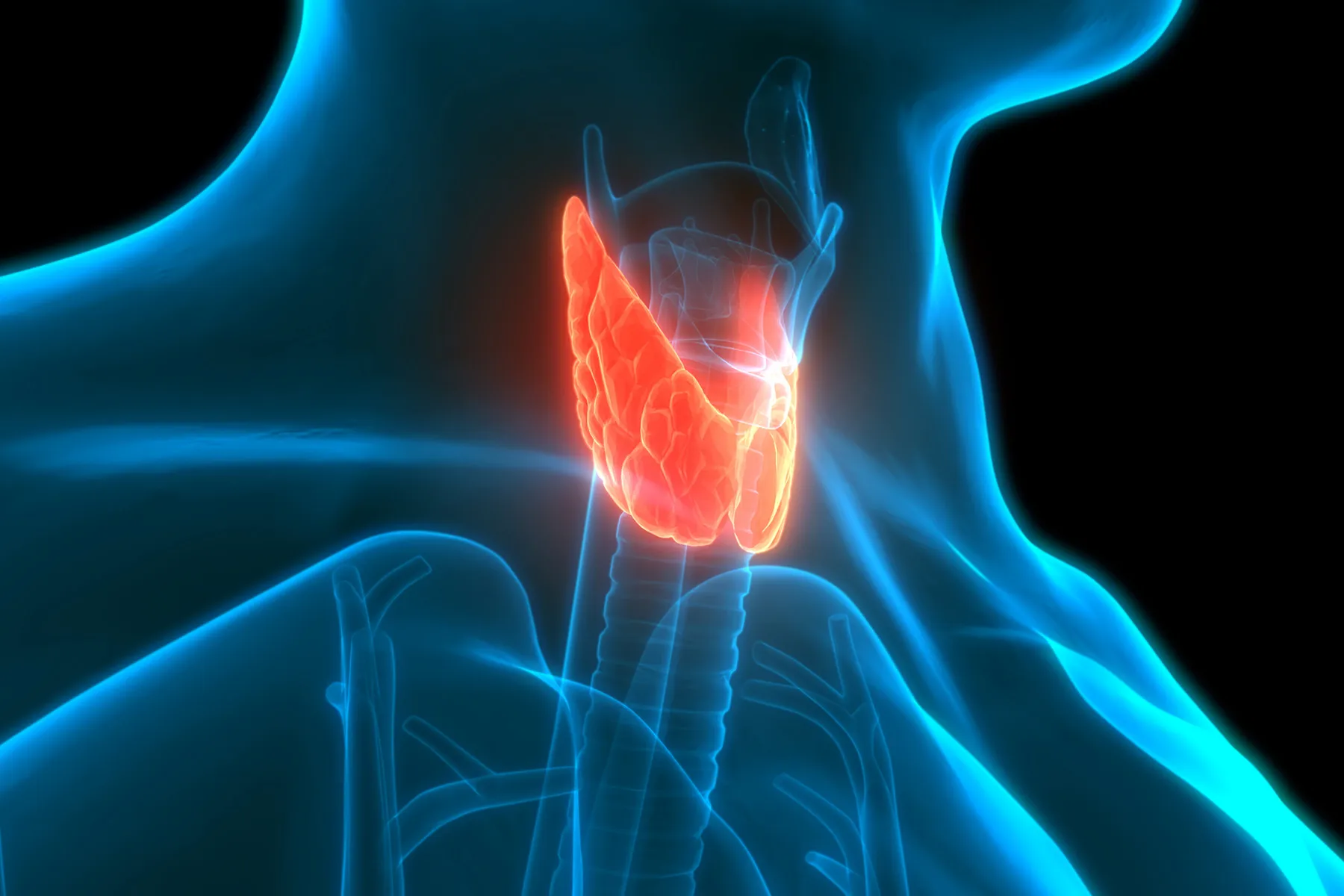

The thyroid may be small, but it has a very large opinion about how your body should run. This butterfly-shaped gland in the lower front of your neck helps regulate metabolism, temperature, heart rate, and energy use. So when cancer starts there, it can feel especially unsettling. The good news is that many thyroid cancers are highly treatable, and some grow so slowly that doctors may not recommend aggressive treatment right away.
If you are trying to understand thyroid cancer symptoms, causes, diagnosis, and treatment, this guide breaks it down in plain English. No medical jargon marathon. No scare tactics. Just the facts, plus a realistic look at what the journey can involve from first symptom to follow-up care.
What Is Thyroid Cancer?
Thyroid cancer happens when cells in the thyroid gland begin to grow out of control. The thyroid sits at the base of the neck, just above the collarbone, and normally makes hormones that help keep your body running on schedule. When cancer develops, those cells stop following the rules.
There are several main types of thyroid cancer:
- Papillary thyroid cancer: The most common type. It usually grows slowly and is often very treatable.
- Follicular thyroid cancer: Less common than papillary, but often still very manageable when caught early.
- Medullary thyroid cancer: A rarer type that starts in the thyroid’s C cells and may be linked to inherited gene mutations.
- Anaplastic thyroid cancer: A very rare and aggressive type that tends to grow and spread quickly.
- Oncocytic (Hurthle cell) thyroid cancer: A less common form that may behave differently from classic papillary or follicular disease.
Not every thyroid nodule is cancer. In fact, most are not. That is an important point because finding a lump in the neck can send your imagination sprinting straight into worst-case territory. A nodule is a reason to get checked, not a reason to panic before lunch.
Symptoms of Thyroid Cancer
Many people with thyroid cancer have no symptoms at first. In some cases, it is found during an exam, imaging test, or ultrasound done for another reason. When symptoms do happen, they often involve the neck and throat area.
Common thyroid cancer symptoms
- A lump or nodule in the front of the neck
- Swelling in the neck
- Hoarseness or voice changes that do not go away
- Trouble swallowing
- Trouble breathing
- Pain in the front of the neck, sometimes moving up toward the ears
- A cough that is not caused by a cold
- Enlarged lymph nodes in the neck
One of the trickiest things about thyroid cancer symptoms is that they can overlap with other conditions. Hoarseness can come from reflux. A lump can be a benign nodule. A chronic cough may have nothing to do with the thyroid at all. That is exactly why symptoms that stick around deserve a professional evaluation instead of a late-night internet diagnosis.
When symptoms deserve prompt medical attention
Contact a clinician if you notice a new neck lump, persistent hoarseness, difficulty swallowing, trouble breathing, or swollen lymph nodes that are not improving. These symptoms do not automatically mean cancer, but they are worth checking sooner rather than later.
Causes of Thyroid Cancer
There is no single cause of thyroid cancer in most cases. Doctors usually talk about risk factors rather than one exact cause. In other words, there are certain things that can raise the odds, but plenty of people who develop thyroid cancer do not have a clear explanation.
Known and possible risk factors
- Radiation exposure: Especially exposure to the head or neck during childhood.
- Family history: Having a close relative with thyroid cancer can increase risk.
- Inherited gene mutations: Some medullary thyroid cancers are linked to inherited RET mutations.
- Sex and age: Thyroid cancer is diagnosed more often in women, and it may appear at a younger age than many other adult cancers.
- History of thyroid nodules or goiter: These conditions are common and usually noncancerous, but they can lead to more thyroid evaluation.
- Obesity: Research suggests excess body weight may be linked with a higher risk of some thyroid cancers.
It is also important to separate myth from fact. Routine dental X-rays or everyday scans done with proper medical precautions are not generally considered major thyroid cancer risk factors. The more significant concern is higher-dose ionizing radiation, particularly in childhood.
Can thyroid cancer be prevented?
There is no guaranteed way to prevent thyroid cancer. For most people, the best strategy is awareness, not obsession. Know your family history, bring up any inherited cancer syndromes with your doctor, and get neck symptoms checked. For families with known inherited medullary thyroid cancer risk, genetic counseling can play a major role in prevention and early decision-making.
How Thyroid Cancer Is Diagnosed
Diagnosing thyroid cancer usually happens in steps. Doctors do not leap from “I felt a lump” to “Let’s schedule everything.” They gather clues first.
1. Medical history and physical exam
Your clinician will ask about symptoms, family history, radiation exposure, and how long the lump has been there. They may feel the neck to check the thyroid and nearby lymph nodes.
2. Thyroid ultrasound
Ultrasound is one of the most important tools in thyroid cancer diagnosis. It helps doctors see the size, shape, and features of a thyroid nodule, and whether lymph nodes in the neck look suspicious. Ultrasound does not confirm cancer by itself, but it helps determine what needs closer evaluation.
3. Fine-needle aspiration biopsy
If a nodule looks suspicious or meets size criteria, a fine-needle aspiration biopsy may be recommended. This test uses a thin needle to remove cells from the nodule so they can be examined. It is one of the main ways doctors determine whether a thyroid nodule is benign, suspicious, or cancerous.
4. Blood tests
Blood work can help evaluate thyroid function, but normal thyroid hormone levels do not rule out thyroid cancer. In medullary thyroid cancer, doctors may also check calcitonin and CEA levels because those markers can be helpful.
5. Additional imaging or testing
In some cases, doctors may order CT scans, MRI, laryngoscopy, or other tests to understand the size of the tumor, whether nearby structures are affected, or whether the cancer has spread. Genetic testing may also be recommended if medullary thyroid cancer is suspected.
Should everyone be screened for thyroid cancer?
Not usually. Routine screening for thyroid cancer in people without symptoms is not generally recommended for the average-risk population. One reason is overdiagnosis: some very small thyroid cancers may never cause harm, yet finding them can lead to procedures and stress that may not improve health outcomes.
Treatment for Thyroid Cancer
Treatment depends on the type of thyroid cancer, its size, whether it has spread, the patient’s overall health, and the risk of recurrence. Some people need straightforward surgery and follow-up. Others may need a more complex plan. This is why thyroid cancer treatment can sound simple in one sentence and very personal in real life.
Surgery
Surgery is the main treatment for many thyroid cancers. Depending on the case, a surgeon may remove:
- One lobe of the thyroid (lobectomy)
- The entire thyroid gland (total thyroidectomy)
- Nearby lymph nodes if cancer has spread into the neck
Some small, low-risk cancers can be treated with lobectomy alone. More extensive disease may require total thyroidectomy, especially when the cancer is larger, affects both sides, or has spread outside the thyroid.
Radioactive iodine therapy
Radioactive iodine is often used after surgery for certain differentiated thyroid cancers, especially papillary, follicular, or Hurthle cell cancers that may respond to iodine. The treatment works because thyroid cells naturally absorb iodine. Radioactive iodine can help destroy leftover thyroid tissue or cancer cells after surgery.
It is not used for every thyroid cancer. Medullary and anaplastic thyroid cancers generally do not respond the same way, so other treatments are usually considered.
Thyroid hormone therapy
If all or most of the thyroid is removed, patients usually need lifelong thyroid hormone replacement. This medication does more than replace missing hormone. In some cases, it is also used to suppress thyroid-stimulating hormone, or TSH, which may help reduce the chance of certain thyroid cancers growing back.
External beam radiation therapy
External radiation may be used when surgery is not enough, when a tumor cannot be fully removed, or when the cancer is aggressive. It is more common in certain advanced or high-risk cases.
Targeted therapy
Targeted therapy may be an option for thyroid cancers that are advanced, metastatic, progressive, or resistant to radioactive iodine. These drugs go after specific molecular pathways that help cancer cells grow. They are especially relevant in some medullary, anaplastic, and iodine-resistant differentiated thyroid cancers.
Chemotherapy and newer approaches
Chemotherapy is not the go-to treatment for most thyroid cancers, but it may be considered in aggressive disease, especially anaplastic thyroid cancer. Some patients may also be evaluated for immunotherapy or clinical trials depending on the tumor type and how it behaves.
Active surveillance
For some very small, low-risk papillary thyroid cancers, active surveillance may be appropriate instead of immediate surgery. That means the cancer is monitored with ultrasounds and follow-up visits rather than rushed into treatment. This approach is not “doing nothing.” It is careful observation with a plan.
What Recovery and Follow-Up Can Look Like
Recovery from thyroid cancer is not always over when the surgery scar fades. Many patients need long-term follow-up, which may include:
- Regular neck ultrasounds
- Blood tests to monitor thyroid hormone levels
- Thyroglobulin testing for certain differentiated thyroid cancers
- Calcitonin and CEA testing for medullary thyroid cancer
- Medication adjustments to keep thyroid hormone levels in the right range
Some people feel physically well pretty quickly. Others need time to adjust to medication changes, voice issues, calcium problems after surgery, or the emotional weight of hearing the word “cancer” at all. Even when prognosis is excellent, the experience can still be exhausting. Good prognosis does not automatically equal easy experience.
What Patients Often Experience in Real Life
One of the most common real-world experiences with thyroid cancer is how ordinary it can seem at first. Many people do not feel sick. They notice a lump while applying moisturizer, shaving, or buttoning a shirt. Others hear about it after a dentist, primary care clinician, or imaging report mentions a thyroid nodule that nobody was even looking for. That can feel surreal. You go in for one thing and leave with a whole new vocabulary list.
The diagnostic phase is often emotionally harder than people expect. Waiting for ultrasound results, biopsy scheduling, pathology reports, and surgical opinions can make a few weeks feel like a geological era. Many patients describe this part as the most anxious stretch because they have just enough information to worry and not enough information to feel settled. Family members may try to be reassuring, but phrases like “It’s probably nothing” can be comforting for about six seconds.
Then comes the strange split-screen reality of thyroid cancer: doctors often say it is very treatable, but it is still cancer. That combination can be confusing. Patients may feel guilty for being scared because they are told the prognosis is often favorable. But fear does not run on statistics. It runs on uncertainty, disrupted routines, and the sudden realization that your neck has become the main character in every conversation.
Surgery brings its own practical and emotional experience. Some people worry most about the operation itself. Others focus on their voice, swallowing, the scar, or whether they will need lifelong medication. Parents may worry about caring for children while recovering. People whose work depends on speaking, teaching, singing, or presenting may be especially anxious about vocal changes. Even when recovery goes smoothly, the lead-up can be filled with “what if” thinking.
After treatment, many patients expect life to snap right back into place. Sometimes it does not. There may be medication adjustments, follow-up scans, hormone monitoring, or extra appointments. Some people feel tired for a while. Some feel relieved but mentally jumpy before each checkup. Others become much more aware of body sensations and neck changes, even harmless ones. That is a common survivorship experience, not a character flaw.
There is also a quieter side of the experience that does not get enough attention: people often become accidental thyroid experts. They learn about lobectomy versus total thyroidectomy, radioactive iodine precautions, pathology subtypes, and blood markers faster than they ever wanted to. It is not the most glamorous hobby, but it does help many patients feel more in control.
Support matters here. Patients often do best when they have clear communication from an endocrinologist, surgeon, oncologist, or primary care clinician who explains not just the plan, but the reasons behind the plan. Knowing why you are being monitored instead of rushed to surgery, or why you do need surgery instead of watchful waiting, can dramatically lower stress.
Most of all, the lived experience of thyroid cancer is rarely just about the tumor. It is about uncertainty, decision-making, body image, family conversations, work disruptions, and the long process of rebuilding confidence in your own health. The medical side is essential, but the human side is where people actually live.
When to See a Doctor
Make an appointment if you have a new neck lump, lasting hoarseness, persistent trouble swallowing, swollen lymph nodes, or breathing problems. These symptoms are not always caused by thyroid cancer, but they should not be brushed aside either.
Conclusion
Thyroid cancer can sound frightening, but understanding it makes the picture clearer. Symptoms often center on a neck lump, hoarseness, or trouble swallowing, though some people have no symptoms at all. Causes are not always obvious, but radiation exposure, family history, inherited mutations, and certain thyroid conditions can raise risk. Diagnosis usually involves ultrasound and biopsy, while treatment may include surgery, radioactive iodine, thyroid hormone therapy, targeted drugs, or active surveillance for selected low-risk cases.
The big takeaway is this: thyroid cancer is not one-size-fits-all. Some cases move slowly. Some require prompt and aggressive treatment. The smartest next step is not guessing, spiraling, or treating a search engine like an oncologist. It is getting the right evaluation, asking good questions, and building a plan with an experienced medical team.
SEO Tags