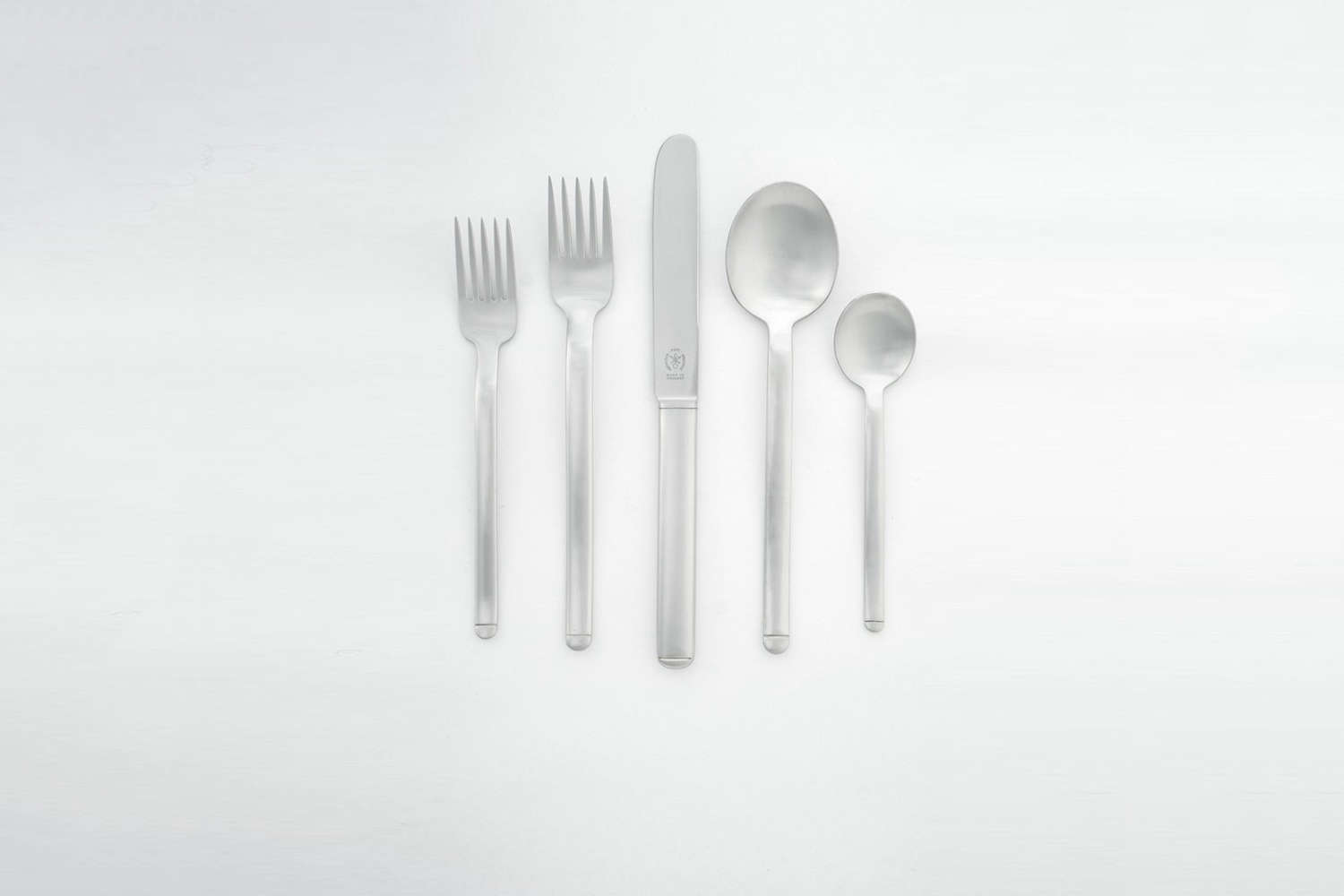

Pott 33 – 5pc Setting is not the kind of flatware that quietly apologizes for existing in your drawer. It has presence. It has architecture. It has the calm confidence of something designed by a person who knew exactly where every curve, edge, tine, and groove belonged. In a world where many flatware sets look as if they were designed during a coffee break, Pott 33 arrives like a well-tailored German suit: clean, serious, functional, and surprisingly charming once you get to know it.
Designed by Carl Pott in 1975, the Pott 33 collection belongs to the great tradition of modern German cutlery. It is made for people who appreciate objects that do their job beautifully without shouting across the dinner table. The 5-piece setting typically includes a table fork, table knife, table spoon, salad or dessert fork, and tea or coffee spoon. Each piece is crafted from high-quality 18/10 stainless steel, a material prized for durability, corrosion resistance, and a refined silver-like appearance.
But the story of Pott 33 is not just about stainless steel. It is about design intelligence. It is about how a fork can scoop peas more effectively, how a handle can feel better in the hand, and how a dining table can look instantly more intentional. Yes, we are talking about forks and spoons. No, that does not mean we have to be boring about it.
What Is the Pott 33 – 5pc Setting?
The Pott 33 – 5pc Setting is a premium flatware place setting from Pott, a German cutlery manufacturer known for refined craftsmanship, modernist design, and long-lasting tableware. This setting is designed for one diner and usually includes five essential pieces: a dinner fork, dinner knife, dinner spoon, smaller fork, and smaller spoon. Depending on the retailer, the smaller pieces may be described as a salad fork, dessert fork, tea spoon, coffee spoon, or dessert spoon.
That small naming difference is normal in international flatware listings. American retailers often use terms like “salad fork” and “tea spoon,” while European product descriptions may refer to “dessert fork” and “coffee spoon.” The practical idea is the same: one complete place setting for daily meals, entertaining, and more polished dining occasions.
Key Features at a Glance
- Designed by Carl Pott in 1975
- Made in Germany
- Crafted from 18/10 stainless steel
- Known for its five-tined fork design
- Usually includes five pieces for one place setting
- Features a clean modernist look with subtle handle grooves
- Designed for everyday function and formal presentation
The Design Story Behind Pott 33
Pott’s reputation is closely tied to Carl Pott, one of the major figures in modern cutlery design. The company’s roots go back to Solingen, Germany, a city famous for blades, knives, and metalworking. Carl Hugo Pott founded the workshop in the early 20th century, and Carl Pott later helped define the brand’s design language with a strong commitment to function, proportion, and restraint.
Pott 33 came late in Carl Pott’s career, and that maturity shows. It does not chase decoration. It does not rely on ornamental flourishes. Instead, it refines the basics: a fork that works better, a knife that cuts with precision, a spoon that feels balanced, and handles that offer just enough visual detail to avoid looking cold or clinical.
The result is a flatware setting that feels both disciplined and warm. Think Bauhaus principles, but with better table manners. The Pott 33 design reflects the idea that useful objects should be beautiful because they are usefulnot because someone glued extra decoration onto them and called it “fancy.”
The Famous Five-Tined Fork
The most distinctive feature of Pott 33 is the five-tined fork. Most forks have four tines, and most people never question this because, frankly, life is busy. Carl Pott questioned it. By widening the fork and adding a fifth tine, he created a form that could scoop sauces, vegetables, and small foods more easily.
That may sound like a tiny improvement, but tiny improvements are exactly where great product design lives. Anyone who has ever chased peas around a plate knows that the struggle is real. The Pott 33 fork gives you a little more surface area, making it more useful without turning it into a spoon wearing a fork costume.
This five-tine construction also gives the flatware a stronger visual identity. On the table, it looks slightly unexpected but not strange. Guests may not immediately shout, “Ah yes, five tines!” but they will notice that something feels different, more deliberate, more architectural.
Material: Why 18/10 Stainless Steel Matters
The Pott 33 – 5pc Setting is commonly made from 18/10 stainless steel. In flatware language, 18/10 means the alloy contains approximately 18 percent chromium and 10 percent nickel. Chromium helps resist corrosion, while nickel contributes to shine, smoothness, and long-term durability.
This matters because flatware lives a harder life than people admit. It gets dropped into sinks, clinked against plates, exposed to acidic sauces, sent through dishwashers, and occasionally used by someone who thinks a dinner knife is a screwdriver. A high-grade stainless steel composition gives Pott 33 the strength to handle daily dining while maintaining its elegant appearance.
Good flatware should not feel disposable. Pott 33 is built with the opposite philosophy. It is the kind of set people buy not because they need another spoon, but because they want tableware that can stay with them for decades.
Look and Feel: Minimalist, Strong, and Surprisingly Comfortable
Pott 33 has a distinctive modern look. The lines are clean, the proportions are strong, and the pieces have a satisfying visual weight. The handle ends feature fine grooves, a restrained detail that gives the set personality without breaking its minimalist discipline.
In the hand, the pieces are designed to feel solid and balanced. This is not flimsy cafeteria cutlery that bends when it sees a roasted carrot. Pott 33 has substance. The table knife, often described with a micro-serrated edge, offers practical cutting performance while maintaining the collection’s refined profile.
The design works well with different table styles. Pair it with white porcelain and it looks gallery-level modern. Put it beside handmade stoneware and it becomes warm and tactile. Use it with linen napkins, and suddenly your Tuesday pasta dinner looks like it has a reservation list.
What Comes in the 5-Piece Setting?
A typical Pott 33 – 5pc Setting includes the essential pieces needed for one complete place setting. Exact naming may vary by retailer, but the set commonly contains:
- Table fork: the main fork, notable for the five-tine design
- Table knife: often made with a micro-serrated cutting edge
- Table spoon: suitable for soups, grains, and saucy dishes
- Salad or dessert fork: smaller fork for appetizers, salads, or dessert
- Tea, coffee, or dessert spoon: smaller spoon for drinks, desserts, and finishing courses
This combination makes the set flexible enough for everyday meals and refined enough for entertaining. It is not overloaded with novelty pieces you will use once in 2031. It gives you the core tools you actually need.
Pott 33 and the Bauhaus Spirit
Pott 33 is often discussed in relation to modernist and Bauhaus-inspired design values. That does not mean it looks like a museum object that refuses to have fun. It simply means the design favors clarity, function, and proportion over decoration for decoration’s sake.
The Bauhaus idea was not “make everything plain.” It was closer to “make everything honest.” Pott 33 follows that principle. The fork is shaped the way it is because the shape helps it work. The grooves on the handle are decorative, yes, but they are controlled and integrated. The knife does not need a royal crest, a floral border, or the visual drama of a soap opera villain. It just needs to cut well and look good doing it.
Who Should Buy the Pott 33 – 5pc Setting?
Pott 33 is best for people who care about design details and long-term quality. It is not the cheapest flatware on the shelf, and it is not trying to be. This is a premium place setting for buyers who appreciate craftsmanship, German manufacturing, minimalist design, and functional elegance.
It is especially appealing for:
- Design lovers who appreciate modernist tableware
- Homeowners building a long-lasting flatware collection
- Couples registering for high-quality dining essentials
- Hosts who want understated but memorable table settings
- Collectors of European design classics
- Anyone tired of flatware that feels like it came free with a microwave
If your dining style leans ultra-traditional, heavily ornate, or glossy in a formal old-world way, Pott 33 may feel too restrained. But if you like clean design with a little intellectual swagger, this setting is very much in your lane.
How Pott 33 Compares to Ordinary Flatware
Ordinary flatware often focuses on price first and design second. Pott 33 reverses that order. The difference is noticeable in the proportions, the finish, the weight, and the way each piece interacts with food.
A basic fork gets food from plate to mouth. Fine. Mission accomplished. But the Pott 33 fork considers the shape of the plate, the behavior of sauces, the balance in your hand, and the visual rhythm of the table. That level of thought is why design enthusiasts care about flatware in the first place.
Compared with mass-market silverware sets, Pott 33 feels more substantial, more precise, and more intentional. It is not flashy. It does not need to be. Its luxury is quiet, which is often the best kind of luxury. Loud luxury asks for attention. Quiet luxury gets invited back to dinner.
Care and Maintenance Tips
Although 18/10 stainless steel is durable, premium flatware still benefits from proper care. Some retailers describe Pott 33 as dishwasher safe, while others recommend hand washing to preserve the surface and knife edge. The safest approach is to treat it like a high-quality tool: use it often, clean it carefully, and avoid leaving it in hostile environments, such as a wet sink full of lemon juice and regret.
Simple Care Guidelines
- Rinse food residue soon after use, especially salty or acidic foods.
- Use mild dish soap and a soft sponge for hand washing.
- Dry pieces promptly to reduce water spots.
- If using a dishwasher, avoid harsh detergents and overcrowding.
- Keep knives separated from other pieces when possible to protect edges and surfaces.
- Do not soak stainless steel flatware for long periods.
With sensible care, Pott 33 can remain beautiful for many years. This is flatware designed for use, not for hiding in a drawer under a cloth napkin like a family secret.
Styling the Pott 33 on Your Table
Pott 33 works especially well with simple, high-quality table settings. White dinnerware lets the geometry of the flatware stand out. Matte ceramics create a softer, more artisanal feeling. Clear glassware keeps the table light and modern. Linen napkins bring texture without competing with the metal.
For a casual dinner, pair Pott 33 with stoneware plates, a wooden serving board, and low glass tumblers. For a formal meal, use crisp white plates, polished glassware, and folded linen napkins. The set adapts easily because it is not tied to a fussy decorative era.
One of the best things about minimalist flatware is that it plays well with others. Pott 33 can sit beside rustic bread, modern ceramics, roasted vegetables, or a very dramatic chocolate dessert and still look completely at home.
Is the Pott 33 – 5pc Setting Worth It?
The answer depends on what you expect from flatware. If you simply need something to stir coffee and cut pancakes, there are cheaper options. Many of them will do the job. Some may even do it while pretending to be stainless steel from a suspiciously mysterious online listing.
But if you want flatware with design heritage, material quality, and a distinctive identity, Pott 33 is worth serious consideration. It offers more than utility. It brings a sense of intention to the table. It turns everyday eating into a small design experience, which is a fancy way of saying your fork finally has a résumé.
The value of Pott 33 is strongest for buyers who plan to keep and use it long term. This is not trend-based tableware. It was designed in 1975 and still looks relevant today, which says a lot. Many products from the 1970s did not age so gracefully. Some wallpaper patterns are still apologizing.
Buying Tips for Pott 33 Flatware
Before purchasing the Pott 33 – 5pc Setting, check exactly which pieces are included. Retailers may use slightly different naming conventions, especially for the smaller fork and spoon. Confirm whether the finish is matte brushed or polished, and review care instructions from the seller.
If you are building a complete set, consider how many place settings you need. A household of two may start with four settings for flexibility. A family or frequent host may prefer eight or twelve. You may also want to check availability of serving pieces or replacement individual items. Premium flatware is easiest to live with when you can expand the collection over time.
Because Pott flatware is a specialty product, availability and delivery times may vary. Some U.S. retailers carry individual place settings, while larger sets may require ordering. If you are buying for a wedding registry, housewarming gift, or major dining upgrade, plan ahead rather than expecting instant delivery.
Experience Notes: Living With the Pott 33 – 5pc Setting
Using the Pott 33 – 5pc Setting changes the way you notice a meal. At first, the difference may seem visual. The pieces look clean, strong, and slightly architectural beside the plate. Then you pick them up, and the design starts to make more sense. The fork has a confident width. The knife feels purposeful. The spoon has a practical bowl shape that does not feel awkward or oversized.
The five-tined fork is the feature people tend to remember. During a normal dinner, it handles vegetables, pasta, and sauced dishes with impressive ease. It feels especially useful with foods that sit between fork and spoon territory: peas, lentils, rice dishes, creamy salads, roasted vegetables with sauce, and pasta shapes that like to escape. The extra tine does not feel gimmicky. It feels like someone quietly fixed a problem most people had stopped noticing.
For everyday dining, Pott 33 brings a sense of ritual without making the meal feel stiff. You can use it with a simple breakfast, a work-from-home lunch, or a weekend dinner with friends. It does not demand white gloves or a butler named Reginald. It simply makes the table feel more considered. Even a bowl of soup feels a little more composed when the spoon has good balance and a clean modern profile.
For entertaining, the set performs beautifully because it looks distinctive without distracting from the food. Guests may notice the five-tine fork or the grooves on the handles. Those details become easy conversation starters, especially with people who enjoy design, architecture, cooking, or beautifully made everyday objects. It is flatware with a story, but it does not interrupt dinner to tell it. Very polite. Very German.
The weight is another part of the experience. Pott 33 does not feel fragile or overly delicate. It has enough mass to feel premium, but it is not clunky. That balance matters during longer meals. Flatware that is too light can feel cheap; flatware that is too heavy can feel like a gym membership with soup. Pott 33 finds a satisfying middle ground.
In terms of care, the best experience comes from treating the pieces with basic respect. Hand washing and drying them right away helps maintain the finish and keeps water spots under control. If you use a dishwasher, remove and dry the pieces promptly. This is not difficult maintenance. It is the dining equivalent of hanging up a good jacket instead of throwing it on a chair and hoping character development happens overnight.
Over time, the appeal of Pott 33 becomes less about novelty and more about trust. You know how the fork feels. You know the knife will cut cleanly. You know the table will look pulled together. That consistency is what separates a design classic from a decorative purchase. Pott 33 is not just something to display; it is something to live with.
For anyone upgrading from ordinary flatware, the change can be surprisingly satisfying. You may start noticing how often you use cutlery and how much poorly balanced pieces can affect the dining experience. Pott 33 makes a quiet argument that everyday tools deserve thoughtful design. After all, we use forks and spoons constantly. Why should they be the least interesting objects on the table?
Conclusion
The Pott 33 – 5pc Setting is a refined example of German flatware design, combining modernist restraint, practical innovation, and premium materials. Designed by Carl Pott in 1975, it remains relevant because it solves real dining problems with elegance. The five-tined fork, 18/10 stainless steel construction, balanced proportions, and subtle handle grooves all contribute to a setting that feels intelligent, durable, and quietly luxurious.
This is not flatware for people who want the loudest table in the room. It is for people who appreciate precision, history, and everyday beauty. Whether used for weeknight meals or formal gatherings, Pott 33 proves that great design does not need to make noise. Sometimes it just needs to help you scoop peas with dignity.
Note: This article is based on real product information, design history, retailer descriptions, and established flatware care knowledge related to Pott 33, Carl Pott, and 18/10 stainless steel cutlery.