
Superworms are the overachievers of the feeder-insect world. They are bigger than mealworms, far more dramatic when disturbed, and oddly talented at turning a simple storage tub into a tiny civilization of wiggles. If you keep reptiles, amphibians, birds, or other insect-eating pets, knowing how to care for superworms properly is more than a nice hobby detail. It keeps the worms alive longer, improves their nutritional value, reduces waste, and saves you from the deeply humbling experience of opening a container and discovering a moldy vegetable science project.
At first glance, superworm care seems ridiculously easy: put worms in a bin and hope for the best. But the difference between “barely surviving” and “healthy, active, long-lasting feeder insects” comes down to a few basic habits. Superworms need the right container, the right bedding, the right moisture source, and the right maintenance routine. They also have one very important personality trait: they are not mealworms. That means some habits that work for mealworms, especially refrigeration, can be a disaster for superworms.
This guide breaks the process into three simple, practical methods. Think of them as the three pillars of smart superworm care: build the right environment, feed and hydrate them correctly, and maintain the colony so it stays clean and productive. Whether you buy 50 worms at a time or keep a much larger feeder supply, these steps will help you keep superworms alive, healthy, and ready when your pet’s appetite says, “Bring me the crunchy noodles.”
Way 1: Set Up the Right Superworm Habitat
The first and most important step in caring for superworms is creating a proper home. Fortunately, they are not fussy about luxury. They do not need mood lighting, tiny hammocks, or a worm-sized smart thermostat. What they do need is a dry, well-ventilated container with bedding that works as both habitat and food source.
Choose a smooth-sided, ventilated container
A plastic tub, critter keeper, or similar smooth-sided container works well for superworm storage. Many keepers prefer plastic because it is lightweight, inexpensive, and easy to clean. The sides should be high enough to reduce escapes and the lid should allow airflow. Some containers already come ventilated, while others may need small air holes or mesh added to the top.
For a small number of superworms, a compact container is fine. For larger quantities, give them more room than you think they need. Overcrowding makes almost every problem worse: heat buildup, stress, moisture issues, and occasional cannibalism. If the bin starts looking like rush-hour traffic, size up.
Use dry bedding that doubles as food
One of the smartest things about superworm care is that the bedding can also serve as a basic food source. A layer of wheat bran, oat bran, rolled oats, or commercial mealworm bedding is commonly used. Keep the bedding dry and deep enough for the worms to burrow and move around comfortably. In most home setups, about 1 to 2 inches is plenty, though larger bins may use a deeper layer.
This setup works because superworms naturally live well in dry substrate. They nibble the grain-based bedding, hide in it, and use it as their main environment. That is why wet substrate is a bad idea. Damp bedding turns into a mold factory fast, and superworms do not thrive in soggy conditions. If your bin looks like cereal that lost a fight with a rainstorm, something has gone wrong.
Keep them warm, but not roasted
Superworms do best at warm room temperature. In general, a range around 70 to 85 degrees Fahrenheit works well, with many keepers aiming for the mid-to-upper 70s. A stable temperature matters more than perfection. You do not need to fuss over every degree, but you do need to avoid extremes.
Do not refrigerate superworms. This is one of the biggest mistakes beginners make when they assume all feeder worms are managed the same way. Refrigeration may be used for some feeder insects, but not for superworms. Cold temperatures can kill them or cause major losses.
Also keep them away from direct sunlight, hot windowsills, and places where heat builds quickly. A bright sunny spot may look cheerful to you, but to a tub of superworms it can feel like being slow-cooked in a plastic casserole dish.
Understand the pupation issue
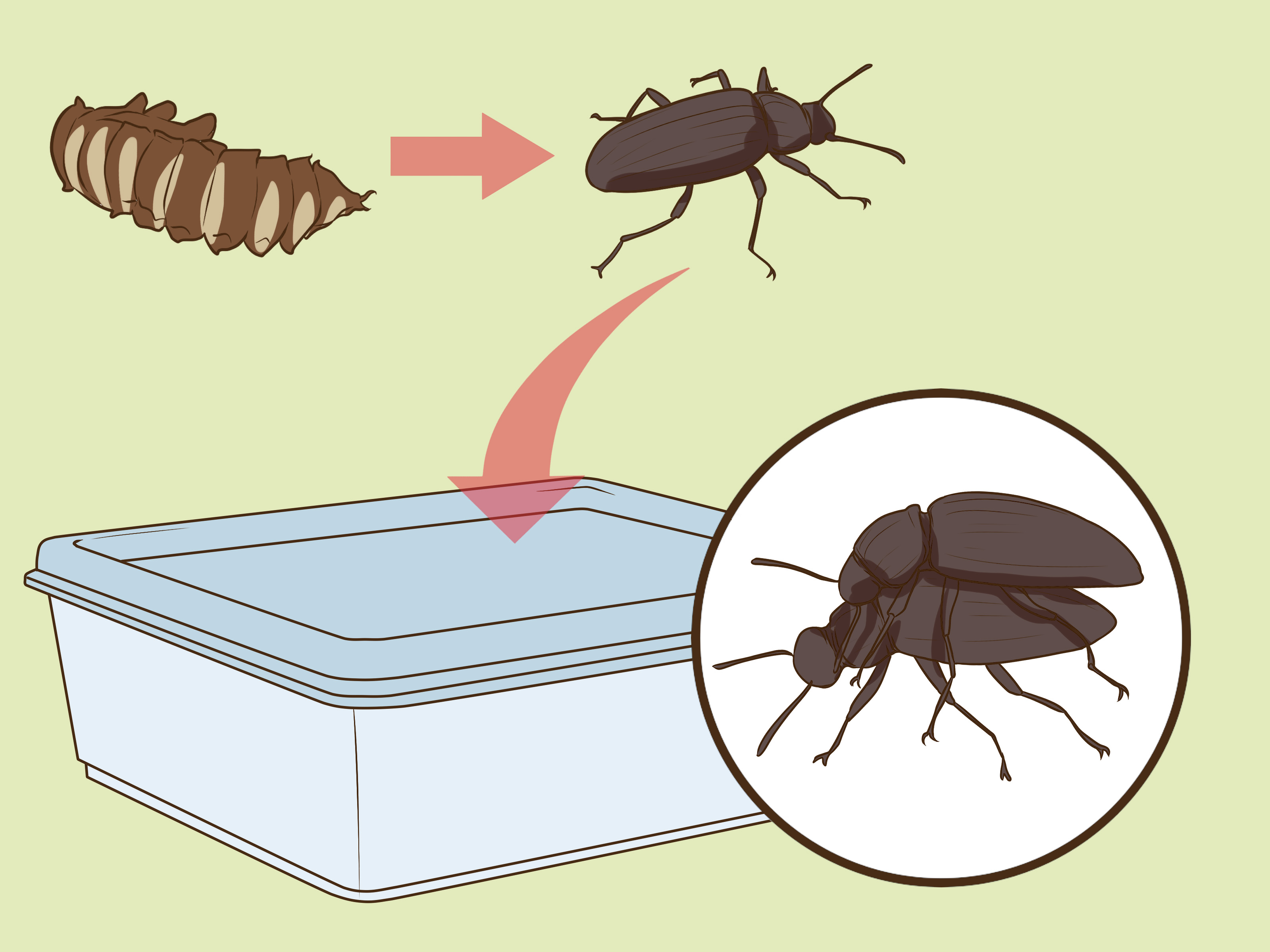
If you are storing superworms as feeders, most of them will remain larvae when kept together in groups. That is actually convenient, because it means they tend to stay in the “superworm” stage longer. However, if your goal is breeding, you will need a different plan. To pupate into beetles, individual larvae usually need isolation. Kept together, they tend to remain worms instead of moving to the next life stage.
So if your mission is simply feeder insect care, group housing is fine. If your mission is worm parenthood, you will eventually need separate containers for individual larvae. Congratulations: your insects now require private rooms.
Way 2: Feed and Hydrate Superworms the Smart Way
Once the habitat is set, the second key to keeping superworms alive is proper feeding and hydration. This is where many people either overdo it or underdo it. Superworms need access to dry food and a safe moisture source, but they do not need a swamp, a salad bar explosion, or a miniature birdbath.
Start with grain-based food
The dry bedding already provides part of the diet, especially if you use wheat bran, oat bran, or rolled oats. That is the baseline. But if you want healthier, longer-living worms, it helps to think beyond “technically edible.” A well-fed superworm is more nutritious for the pet that eats it. In other words, you are not just feeding the worm. You are feeding the future meal.
Some keepers use commercial gut-load products for feeder insects, while others add small amounts of nutritious vegetables. Both approaches can work. The goal is to maintain the worms and, when needed, improve their nutritional quality before feeding them off.
Give moisture through vegetables, not open water
Superworms need hydration, but they should not be given a traditional water bowl. Open water raises the risk of drowning, spills, excessive humidity, and mold. Instead, provide moisture with slices of vegetables or certain fruits. Good options include carrot, potato, sweet potato, zucchini, squash, and similar firm produce.
Thin slices or small chunks work better than huge wet pieces. You want enough to provide moisture, but not so much that the bin turns damp. Remove old produce before it spoils. If you leave vegetables in too long, they stop being hydration and start being a biology lesson.
A helpful rule is to check fresh food every day. If it looks dried out, replace it. If it looks mushy, replace it immediately. If it looks like it is plotting against the colony, definitely replace it.
Gut-load before feeding to pets
If your superworms are meant for reptiles or other pets, gut-loading matters. Gut-loading means feeding the insects nutrient-rich foods for about 24 to 48 hours before offering them as prey. This boosts the nutritional value of the feeder insects and helps support better reptile nutrition overall.
For gut-loading, many keepers use dark leafy greens, squash, sweet potato, and commercial feeder insect diets. The key is to use safe, nutritious ingredients rather than random leftovers from the refrigerator door. Superworms are not tiny garbage disposals. Their diet affects the animal that eats them, so quality matters.
It is also wise to offer superworms as part of a varied feeder rotation for many reptiles rather than relying on them alone. They are popular because they are active, durable, and easy to keep, but feeder variety is still a good strategy for many insect-eating pets.
Watch for signs of dehydration or moisture trouble
Healthy superworms are active and responsive. If you notice die-off, excessive curling, sluggishness, or unusual odor, review your moisture and temperature first. Too little hydration can stress the colony. Too much moisture can be even worse, leading to mold, condensation, and rapid losses.
If condensation appears on the sides of the container, that is a red flag. Superworm bins should stay mostly dry. Improve ventilation, reduce fresh produce, replace damp bedding, and avoid overcrowding. In superworm care, “fresh” is good, but “humid jungle with rotting zucchini fog” is not.
Way 3: Clean, Monitor, and Manage the Colony Regularly
The third way to care for superworms is ongoing maintenance. This is where the difference between a healthy colony and a gross one becomes obvious. Superworms are fairly low-maintenance, but low-maintenance does not mean no-maintenance. Even the easiest feeder insects still need regular checks.
Remove leftovers and dead worms promptly
Fresh vegetables should not sit in the enclosure for days on end. Old produce grows mold quickly, and mold can spread through bedding before you realize what happened. Check the bin often and remove anything spoiled. While you are at it, pick out dead worms or pupae you do not want in the colony.
This simple habit prevents odor, reduces contamination, and keeps the bedding in better condition. It also makes the colony easier to inspect. A tidy bin tells you a lot. A messy one tells you even more, usually in a language involving panic.
Sift the bedding and monitor frass
As superworms eat and grow, they produce frass, which is insect waste. Over time, the bedding becomes finer, dustier, and less useful as food. Many keepers describe old bedding as turning sandy. That is your cue to sift the colony and refresh the substrate.
You do not need a dramatic full teardown every few days. Instead, aim for regular light maintenance and occasional deeper cleaning. For a small home colony, this may mean sifting the bedding every couple of weeks and replacing it when it looks heavily broken down or contaminated. Larger colonies may need more frequent attention.
Prevent overcrowding and stress
Superworms can live together quite well, but every container has a limit. When there are too many insects in too little space, stress rises. Heat builds faster, food disappears faster, humidity spikes more easily, and weak individuals may get picked on. If the colony grows, divide it into multiple containers.
This is especially important if you keep superworms in bulk. A colony of 50 can forgive a few beginner mistakes. A colony of several hundred responds to neglect with chaos. Not movie-trailer chaos, but the kind that makes you say, “Why is there condensation in a bin of oats?”
Separate individuals only if breeding is the goal
If you want to breed superworms, maintenance becomes more strategic. Healthy larvae need to be isolated individually to trigger pupation. Once they pupate, they can later develop into darkling beetles, which then reproduce. If breeding is not your goal, you can skip this step and continue group care as usual.
This is an important distinction because many beginners panic when they hear about isolation cups and assume every superworm needs a private apartment. It does not. Group storage works well for feeder maintenance. Isolation is mainly for colony production and lifecycle control.
Common Superworm Care Mistakes to Avoid
Mistake 1: Refrigerating them
This is probably the most common and most damaging mistake. Superworms should be kept at room temperature, not in the refrigerator.
Mistake 2: Adding too much moisture
A little vegetable moisture helps. Too much causes mold, condensation, and die-off. Keep the environment dry overall.
Mistake 3: Using standing water
Water dishes are not the right hydration method for superworms. Use vegetables, or approved moisture products designed for feeder insects.
Mistake 4: Ignoring old bedding
Once the substrate becomes mostly frass and dust, the colony loses both food quality and cleanliness. Replace it before conditions decline.
Mistake 5: Treating them like a decoration instead of livestock
Superworms may be small, but they are still live feeder insects. Consistent checks, good hygiene, and proper feeding make a major difference in their health and longevity.
Experience-Based Tips: What Keeping Superworms Actually Teaches You
Anyone who keeps superworms for more than a week learns that the basics are easy, but the details matter. One of the first real-world lessons is that “just enough moisture” is a moving target. In theory, adding a slice of potato sounds simple. In practice, the right amount depends on how many worms you have, how warm the room is, how ventilated the container is, and how often you remember to check it. A single slice of carrot in a small bin may be perfect in winter and too much in summer. That is why successful keepers do not just follow instructions; they observe the colony and adjust.
Another common experience is discovering that superworms are better at surviving when their routine is boring. People often assume more is better, so they add lots of produce, swap foods constantly, or move the worms around too much. Usually, that creates more problems than it solves. A clean container, dry bedding, occasional moisture, and consistent temperature are more valuable than elaborate experimentation. Superworms appreciate stable conditions in the same way most people appreciate not being moved into a new apartment every 48 hours.
Many keepers also notice that colony problems rarely appear all at once. They sneak in quietly. First, a vegetable slice stays in the bin a day too long. Then a little condensation appears. Then the bedding smells different. Then a few worms die. By the time the problem feels serious, it has usually been building for several days. That is why brief daily checks matter so much. You do not need a spreadsheet, a laboratory notebook, or a TED Talk about insects. You just need two minutes, decent lighting, and the willingness to remove old zucchini before it becomes a villain.
Experience also teaches the difference between storing superworms and breeding them. Beginners often read one tip about pupation and assume every worm has to be isolated. Then they picture themselves managing hundreds of tiny cups and immediately question every life choice that led them there. In reality, if your main goal is feeding a pet, group care is usually the easiest and most practical route. Isolation is only necessary if you want the larvae to pupate and become beetles for breeding. Knowing that saves time, space, and a surprising amount of emotional energy.
One more practical lesson: the condition of the worms reflects the condition of the care routine. Active worms in clean, dry bedding usually mean you are doing fine. Sluggish worms, funky odors, wet substrate, and frequent die-offs mean something in the setup needs attention. The colony gives feedback constantly; it just does not do it in words. Once you learn to read those signs, superworm care becomes much easier.
In the end, caring for superworms is not complicated, but it is rewarding when done well. They last longer, smell less, stay healthier, and provide better feeder value. And perhaps most importantly, you stop having that moment of dread when opening the lid and wondering whether you are about to see thriving insects or the consequences of one forgotten potato slice.
Conclusion
If you want to care for superworms the right way, remember these three essentials: create a dry, warm, ventilated habitat; provide food and hydration without making the enclosure wet; and maintain the colony with regular cleaning and observation. Those three habits cover most of what superworms need to stay alive and useful as feeder insects.
Superworm care is simple once you understand their rules. They want warmth, dryness, grain bedding, fresh moisture in moderation, and a keeper who pays attention. They do not want the refrigerator. They do not want standing water. They do not want rotting vegetables. Honestly, they are not asking for much.
Handled properly, superworms are one of the most practical feeder insects to keep at home. They are hardy, active, easy to store, and convenient to gut-load before feeding. Whether you are maintaining a small batch for a gecko or managing a larger colony for multiple pets, these three methods will help you keep superworms alive, healthy, and ready for the next feeding day.