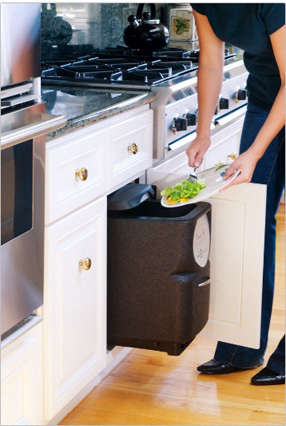

There are two kinds of people in the kitchen. The first group looks at banana peels, coffee grounds, and onion skins and sees garbage. The second group sees future soil. The NatureMill Plus Automatic Composter was built for the second groupor for the first group that wants to become a little less landfill-happy without turning the backyard into a science fair gone rogue.
Long before sleek modern food recyclers started auditioning for spots on designer countertops, the NatureMill Plus tried to solve a very specific problem: how to compost food scraps indoors, year-round, with less smell, less mess, and less daily babysitting than a traditional pile or bin. That mission still sounds pretty great today. Nobody has ever stood over a dripping kitchen scrap bucket and thought, “Yes, this is the glamorous lifestyle I was promised.”
The NatureMill Plus Automatic Composter is best understood as an early, ambitious bridge between old-school composting and appliance-style convenience. It was designed to let households add food scraps regularly, keep the system working automatically in the background, and collect finished compost from a lower tray after the material had been mixed, heated, aerated, and partially cured. In other words, it did not just aim to make scraps look different. It aimed to turn them into something useful.
What the NatureMill Plus Actually Is
At a glance, the NatureMill Plus looks like a compact kitchen appliance. Under the hood, though, it behaves more like a controlled mini-compost ecosystem. The basic idea is simple: you add food scraps to the upper chamber, the machine mixes and aerates them, heat supports composting activity, and material eventually drops into a lower tray to continue curing before use.
That design matters because it separates the NatureMill Plus from many newer electric “composters” that mostly dry and grind scraps into shelf-stable grounds. Those newer machines can still be useful for reducing smell and volume, but the NatureMill Plus was built around an ongoing biological process. It expects moisture, microbial activity, balancing materials, and time. So yes, this machine asks a little more from the user than a one-button dry-and-grind gadget. But it also tries to deliver something closer to actual compost rather than instant dirt cosplay.
How the NatureMill Plus Works
1. You feed it in small, regular doses
The NatureMill Plus is happiest when you treat it like a steady kitchen habit, not a Thanksgiving leftovers dump station. Smaller pieces compost faster, and the machine was meant to be loaded gradually rather than overloaded all at once. That makes sense biologically and mechanically. Compost microbes like a balanced diet, and the machine itself prefers not to be assaulted by a giant wad of fibrous celery, corn husks, and heroic optimism.
2. It mixes, heats, and aerates automatically
Once running, the system periodically mixes the material and uses heat and airflow to keep decomposition moving. That is the heart of the convenience pitch. You are not turning an outdoor pile with a shovel or politely negotiating with worms. The composter keeps the process active in the background, which makes it especially appealing for apartment dwellers, busy households, or anyone whose relationship with yard work is “respectful but distant.”
3. You balance “greens” with carbon-rich material
This is where the NatureMill Plus reveals its composting roots. Like traditional compost systems, it needs a good balance between nitrogen-rich “green” inputs and carbon-rich “brown” inputs. Food scraps are generally wet and nitrogen-heavy, so the system uses sawdust pellets as a brown material. Baking soda helps balance acidity. That sounds a little fussy until you remember that even ordinary compost piles get cranky when the carbon-to-nitrogen balance goes sideways. The NatureMill Plus just makes that rule impossible to ignore.
4. Compost drops to a lower tray for finishing
When the upper chamber has processed the batch enough, the material transfers to the lower tray, where it continues curing. That lower-tray step is important. Fresh compost is not always ready for immediate indoor plant use. It can still be active, earthy, and a bit lively. The machine’s process is fast compared with traditional backyard composting, but it still respects the truth composters learn sooner or later: nature does not care about your schedule.
What You Can Put Inand What You Really Should Not
One of the more interesting things about the NatureMill Plus is that it was marketed as capable of handling a surprisingly broad range of food scraps, including items that many backyard systems avoid, such as meat, fish, eggs, and dairy. That sounds almost too good to be true, which is usually the moment an experienced composter narrows their eyes. The catch is that these richer scraps require extra balancing material, especially sawdust pellets, and more user attention.
Fruit and vegetable scraps, coffee grounds, and eggshells are the easy crowd. Wet produce like lettuce, tomatoes, peaches, melon, and watermelon can be composted, but they need extra pellets because they add so much moisture. Acidic foods such as citrus and pineapple can throw off the cultures if overdone, so moderation matters. Some fibrous or hard materialscorn cobs, husks, pits, bones, tough stems, and similar kitchen villainscan cause jams or resist breakdown.
Then there is the odor issue. Brassica vegetables like broccoli, cauliflower, cabbage, kale, Brussels sprouts, and mustard greens can create strong smells even in small amounts. The NatureMill literature and real-world reviews both suggest that odor control is real, but not magical. The machine can reduce odor dramatically when used well. It cannot repeal the laws of compost physics. If you overload it, ignore balancing materials, or toss in the wrong mix, your kitchen may receive an earthy memo written in all caps.
Why People Found It So Appealing
The NatureMill Plus had an appealing promise: compost at home without needing a backyard pile, a worm tower, or a daily ritual involving a pitchfork and a weather report. For urban and suburban households, that was a big deal. Indoor or sheltered use meant year-round food scrap diversion, even in cold weather. Automatic mixing reduced labor. A sealed, appliance-like format made the whole idea feel less like “waste management” and more like “responsible adulting with surprisingly decent design.”
It also appealed to people who wanted usable compost, not just reduced food waste volume. That is a meaningful distinction. If you garden, grow herbs, maintain flower beds, or just enjoy the smug pleasure of putting homemade compost around your tomato plants, the NatureMill Plus offers a more satisfying endgame than machines that mostly dry scraps into powder. It is not just about getting waste out of sight. It is about returning nutrients to soil.
And from an environmental perspective, the appeal is obvious. Composting keeps organic waste out of landfills, where food waste contributes to methane emissions. USDA and EPA guidance both emphasize the value of composting food scraps and yard waste as part of a healthier waste strategy. The NatureMill Plus tried to package that environmental benefit into something ordinary households might actually use consistently, which is not a small achievement.
Where the NatureMill Plus Demands a Little Patience
Now for the honest part: the NatureMill Plus is not a “throw everything in and forget life exists” machine. It is easier than many traditional compost systems, but it still needs good habits. You need to cut scraps reasonably small. You need to balance wet material with pellets. You need to avoid overloading the chamber. You need to clear problem items when jams happen. You need to empty the tray, wipe seals, and pay attention to the smell profile.
That is why user experiences have always been a little split. Some reviewers found it impressively convenient and effective over time. Others found it noisy, smelly, or maintenance-heavy when conditions were less than ideal. Both reactions can be true. Composting is chemistry plus biology plus behavior. When those three get along, the machine seems clever. When they start arguing, the clever machine becomes an expensive lecture on moisture management.
There is also the first-batch issue. Early compost can be overly wet and sour before the microbial cultures fully establish themselves. That can surprise users expecting instant gardening gold. The manual’s guidance is basically: be patient, let the system stabilize, and do not judge the whole operation by the first round. That is excellent compost advice in general, and mildly annoying life advice in particular.
NatureMill Plus vs. Modern Electric Composters
If you are evaluating the NatureMill Plus today, the smartest comparison is not against a backyard pile. It is against modern electric kitchen composters and food recyclers. Many newer units focus on drying, grinding, and deodorizing food waste quickly. They are compact, easy to run, and great for reducing the gross factor of kitchen scraps. But a lot of them stop short of making true finished compost on their own.
The NatureMill Plus feels different because it leans into the actual composting process. It uses balancing materials, ongoing biological activity, heat, airflow, and curing. That makes it more hands-on than some modern appliances, but also more faithful to the real logic of composting. Think of it this way: some machines are gourmet dehydrators for your leftovers. The NatureMill Plus is closer to a tiny compost workshop that happens to live near your kitchen.
So which approach is better? That depends on your goal. If you mainly want smaller, drier, less smelly food waste, newer food recyclers may feel simpler. If you want a machine that participates in genuine composting and gives you a soil-building end product, the NatureMill Plus has a more compelling personality. Slightly high-maintenance personality, yes. But compelling.
Who the NatureMill Plus Makes Sense For
The NatureMill Plus is a strong fit for people who care about composting but do not want a full outdoor compost operation. It makes particular sense for apartment dwellers with access to a balcony, patio, or small outdoor area for curing finished compost; suburban gardeners who want year-round food scrap processing; and eco-minded households that are willing to trade a bit of routine maintenance for real compost output.
It is probably less ideal for anyone who wants a totally passive system, cooks huge quantities of fibrous produce, or cannot tolerate occasional earthy smells or machine noise. It also helps if the user is the kind of person who follows guidance without rolling their eyes at phrases like “carbon-to-nitrogen ratio.” If that phrase makes your soul leave your body, a simpler countertop caddy plus municipal compost pickup might be a happier relationship.
How to Get Better Results With It
If you own a NatureMill Plusor find one and want to use it wellthe best strategy is boringly practical. Feed it consistently, not chaotically. Chop large scraps smaller. Use the recommended pellets every time. Add baking soda when needed. Be cautious with ultra-wet foods and acidic scraps. Keep tough, woody, stringy materials out. Transfer compost before the chamber becomes overloaded. Let finished compost cure and dry before using it indoors.
Also, do not ignore odor as a signal. A healthy compost smell should be earthy, not punishing. If odors become sharp, sour, or aggressive, the machine is not betraying you. It is communicating. Usually the message is some combination of too much moisture, too little brown material, too much acidity, or the wrong input mix. In composting, smell is basically the customer support department.
Real-World Experience: Living With the NatureMill Plus Automatic Composter
Living with the NatureMill Plus is a lot like living with an enthusiastic, slightly demanding houseguest who genuinely helps outprovided you respect their routine. On good days, it feels brilliant. You finish chopping vegetables, scrape the scraps in, add pellets, close the lid, and move on with life. No dripping countertop pail. No sprint to an outdoor bin in bad weather. No fruit-fly nightclub forming near the sink. The machine quietly handles what would have gone to the trash, and that starts to change how you think about food waste. Suddenly, coffee grounds are not garbage. They are future garden fuel wearing a temporary disguise.
The first thing many users notice is psychological, not mechanical: the guilt level drops. Throwing food scraps in the regular trash starts to feel wasteful once the composter is part of the kitchen routine. Even small households see the difference. The garbage can stays cleaner, lighter, and less fragrant in the worst possible way. That alone makes the NatureMill Plus feel useful before you even scoop out a single tray of compost.
Then comes the learning curve. The machine rewards rhythm. It does not adore surprise attacks. Toss in modest amounts regularly, and it behaves like a competent little ecosystem. Dump in a heroic mountain of wet leftovers after a dinner party, and it may answer with excess moisture, stronger smells, or a jam that feels personally judgmental. After a while, experienced users start pre-editing scraps automatically. Citrus gets limited. Corn cobs get rejected. Watermelon rinds are treated with the caution normally reserved for glitter at a craft table.
There is also a strange satisfaction in learning the machine’s moods. A warm, earthy aroma? Good sign. Steam? Also good. Sharp sour smell? Time to add pellets, maybe baking soda, and rethink what just went in. You stop treating composting like magic and start treating it like kitchen gardening with rules. Oddly enough, that makes the process more enjoyable. The NatureMill Plus is not a fantasy device that eliminates responsibility. It is a tool that makes responsibility easier to keep.
And then there is the payoff: finished compost. Pulling material from the lower tray feels weirdly triumphant. It is not flashy. No orchestra plays. No neighbor runs over to congratulate your sustainability journey. But there is something deeply satisfying about seeing scraps turned into dark, useful material you can actually apply around outdoor plants. It closes the loop in a way trash never does. You fed the household, the machine ate the leftovers, and the garden gets dessert.
Of course, the NatureMill Plus is not perfect. It can be noisy at moments. It can smell when opened or mismanaged. It asks for pellets, attention, and occasional troubleshooting. But for the right user, those tradeoffs feel manageable because the machine is doing real work. It is not pretending to solve food waste. It is helping you participate in a better cycle. And that, in a kitchen full of single-purpose gadgets that mostly just collect crumbs and regret, is pretty impressive.
Final Verdict
The NatureMill Plus Automatic Composter remains an interesting and surprisingly thoughtful machine. It is not a miracle box, and anyone calling it completely effortless is probably also the type to describe moving furniture as “a fun little stretch.” But it offers something valuable: a realistic path to home composting for people who want more convenience than a traditional bin and more authenticity than a simple dry-and-grind appliance.
Its strengths are clear. It supports real composting behavior, works indoors or in protected outdoor conditions, handles a broad range of kitchen scraps when managed properly, and can turn household waste into a useful soil amendment. Its weaknesses are just as real. It needs balancing materials, smart feeding habits, some maintenance, and a user willing to learn its quirks.
In the end, the NatureMill Plus is best viewed not as a magic trash can, but as a compact compost system with appliance manners. Treat it with a little discipline, and it can be a practical, eco-friendly kitchen ally. Treat it like a black hole for leftovers, and it may retaliate with smell, sludge, or stubborn clumps. Compost, as always, keeps us humble.
SEO Tags