
Fall does not officially begin when the calendar says so. It begins when someone opens a can of pumpkin puree, sprinkles cinnamon with reckless optimism, and suddenly every kitchen smells like a cozy sweater. Pumpkin is one of the rare ingredients that can show up at breakfast, lunch, dinner, dessert, snack time, and that mysterious 9:47 p.m. “I need something sweet but not too sweet” moment.
The best part? Pumpkin is not just a pie ingredient. It brings moisture to baked goods, body to soups, creaminess to pasta, earthiness to chili, and a golden-orange color that makes even a Tuesday dinner feel slightly more cinematic. Whether you are cooking with canned pumpkin puree, roasted fresh pumpkin, or leftover pumpkin from a weekend baking spree, these 13 pumpkin recipes give you a delicious reason to celebrate fall every single day.
Why Pumpkin Deserves a Permanent Spot in Your Fall Kitchen
Pumpkin is mild, naturally earthy, and easy to pair with sweet or savory flavors. Cinnamon, nutmeg, ginger, maple syrup, brown sugar, and vanilla bring out its cozy dessert side. Garlic, sage, thyme, chili powder, Parmesan, coconut milk, and smoked paprika push it straight into dinner territory. In other words, pumpkin has range. It is basically the Meryl Streep of autumn produce.
Canned pumpkin puree is especially useful because it is consistent, affordable, and ready to stir into batters, soups, sauces, and smoothies. Fresh pumpkin can be wonderful too, especially when roasted until caramelized, but it requires more prep. For everyday fall cooking, keeping a few cans of unsweetened pumpkin puree in the pantry is the culinary equivalent of owning a warm scarf: practical, comforting, and always a good idea.
13 Pumpkin Recipes You Can Make for Every Day of Fall
1. Pumpkin Spice Pancakes
Pumpkin spice pancakes are the breakfast that makes ordinary mornings feel like a cabin getaway, even if you are eating them while checking emails in sweatpants. Stir pumpkin puree into your favorite pancake batter with cinnamon, ginger, nutmeg, and a splash of vanilla. The pumpkin adds moisture and a tender texture, while the spices bring that classic fall aroma.
For a better stack, avoid adding too much puree. A little goes a long way. Too much pumpkin can make pancakes heavy instead of fluffy. Serve them with maple syrup, toasted pecans, and a small pat of butter. If you want a protein boost, pair them with Greek yogurt or scrambled eggs. These pancakes also freeze well, so you can make a big batch and reheat them on busy school or work mornings.
2. Creamy Pumpkin Oatmeal
Pumpkin oatmeal is one of the easiest fall breakfasts because it takes almost no effort and tastes like you tried very hard. Cook rolled oats with milk or water, then stir in pumpkin puree, cinnamon, vanilla, and a pinch of salt. Finish with maple syrup, chopped walnuts, and a sprinkle of pumpkin seeds for crunch.
The secret is balance. Pumpkin has a gentle flavor, so it needs warmth from spices and a touch of sweetness. You can also add sliced banana, dried cranberries, almond butter, or a spoonful of chia seeds. This is a great weekday recipe because it is filling, flexible, and does not require turning on the oven before your brain has fully loaded.
3. Pumpkin Muffins with Cinnamon Crumb Topping
Pumpkin muffins are the unofficial currency of fall. Bring them to a gathering and people will trust you with secrets. A good pumpkin muffin should be soft, warmly spiced, and moist without feeling dense. Use pumpkin puree, brown sugar, eggs, oil or melted butter, flour, baking powder, baking soda, cinnamon, ginger, and nutmeg.
For extra bakery-style magic, add a cinnamon crumb topping made with flour, brown sugar, butter, and spice. The topping bakes into a sweet, sandy crunch that makes the muffins feel special without requiring advanced pastry-school energy. Add chocolate chips if you want them sweeter, or chopped pecans if you prefer a nuttier flavor.
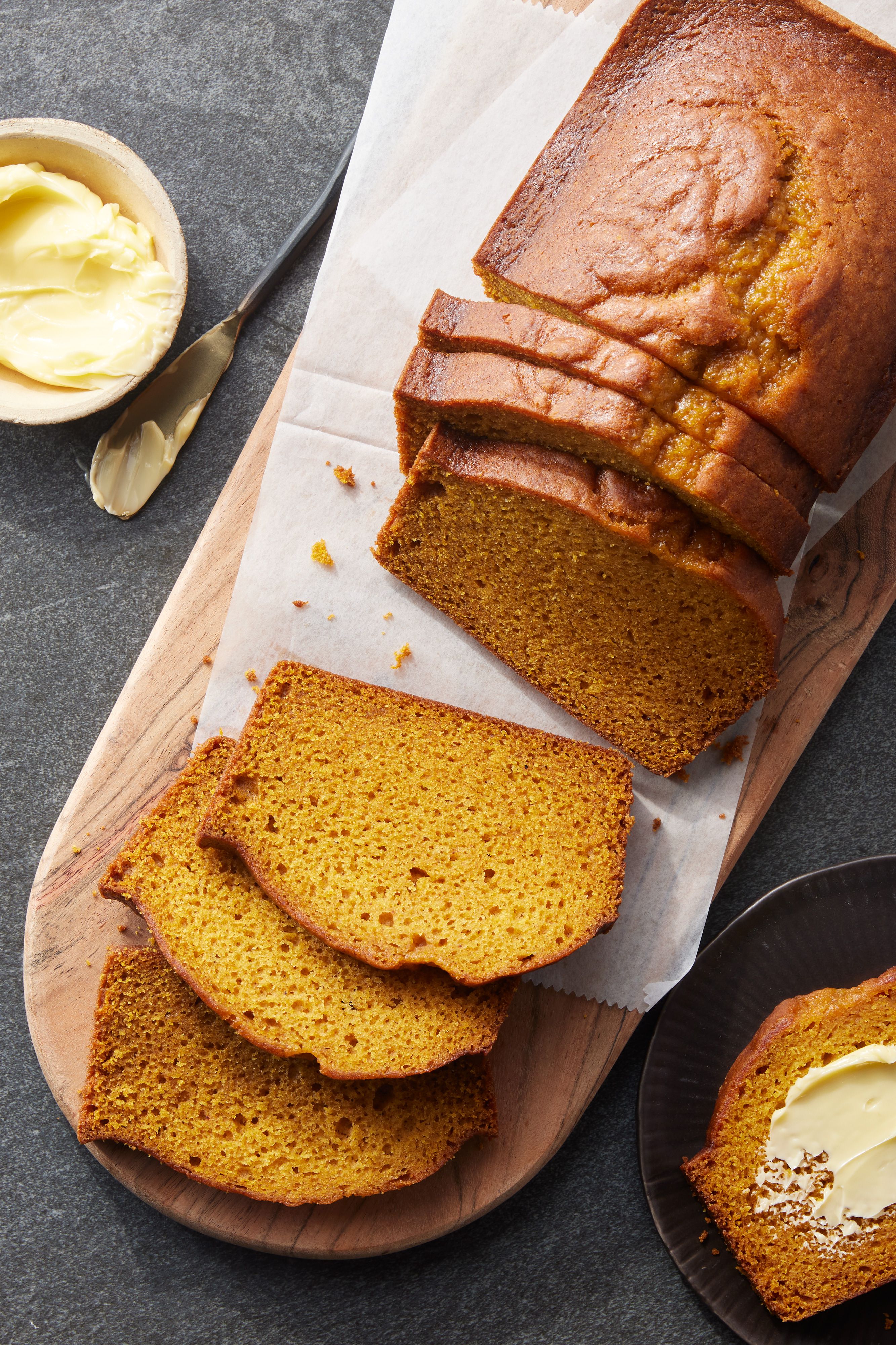
4. Classic Pumpkin Bread
Pumpkin bread is the loaf that launched a thousand fall cravings. It is simple, dependable, and excellent with coffee. The pumpkin keeps the crumb soft, while oil or butter adds richness. A combination of cinnamon, cloves, nutmeg, and ginger creates that familiar pumpkin spice profile.
For best results, do not overmix the batter. Stir just until the flour disappears, then stop. Overmixing can make quick bread tough, and nobody wants a loaf that eats like a kitchen sponge. You can fold in walnuts, chocolate chips, dried cranberries, or orange zest. Slice it thick, toast it lightly, and spread it with cream cheese or salted butter.
5. Pumpkin French Toast Casserole
This recipe is perfect for lazy weekends, holiday brunches, or any morning when flipping individual slices of French toast feels like too much responsibility. Cube day-old bread and soak it in a custard made with eggs, milk, pumpkin puree, vanilla, brown sugar, cinnamon, and nutmeg. Bake until golden and slightly crisp on top.
Brioche, challah, or French bread work especially well because they absorb the custard without falling apart. You can assemble the casserole the night before and bake it in the morning. Add a pecan streusel topping if you want crunch, or dust the finished dish with powdered sugar. It is breakfast, dessert, and emotional support in one baking dish.
6. Roasted Pumpkin Soup
Roasted pumpkin soup is silky, savory, and deeply comforting. Use roasted fresh pumpkin or canned puree, then blend it with sautéed onion, garlic, vegetable broth, and a splash of cream or coconut milk. The flavor becomes richer if you add roasted carrots, sweet potato, or butternut squash.
Seasoning matters here. Pumpkin is mellow, so it loves help from salt, pepper, thyme, sage, smoked paprika, curry powder, or cayenne. For a restaurant-style finish, top the soup with toasted pumpkin seeds, a swirl of cream, crispy sage leaves, or homemade croutons. Serve it with grilled cheese, crusty bread, or a fall salad with apples and goat cheese.
7. Pumpkin Chili
Pumpkin chili may sound unusual until you try it, and then it suddenly makes perfect sense. Pumpkin puree thickens the chili, adds subtle sweetness, and balances smoky spices. Combine ground turkey, beef, or plant-based crumbles with beans, tomatoes, onion, garlic, chili powder, cumin, smoked paprika, and pumpkin puree.
The result is hearty but not heavy. Pumpkin blends into the background, making the chili richer without announcing itself like a marching band. For toppings, try shredded cheddar, sour cream, avocado, scallions, cilantro, or crushed tortilla chips. This recipe is also great for meal prep because chili often tastes better the next day after the flavors have had time to mingle politely.
8. Pumpkin Mac and Cheese
Pumpkin mac and cheese is what happens when comfort food puts on a fall jacket. Pumpkin puree blends beautifully into a cheese sauce, making it creamier and giving it a warm golden color. Start with a roux of butter and flour, whisk in milk, then add pumpkin puree, sharp cheddar, Parmesan, garlic powder, mustard powder, and a pinch of nutmeg.
The pumpkin does not make the dish taste like dessert. Instead, it adds body and a subtle earthy note that works surprisingly well with cheese. Use elbow macaroni, shells, or cavatappi so the sauce has somewhere to cling. For a baked version, top with breadcrumbs and bake until bubbling. It is kid-friendly, adult-approved, and dangerously easy to revisit for “just one more spoonful.”
9. Creamy Pumpkin Pasta with Sage
Pumpkin pasta is one of the fastest ways to turn pantry ingredients into a dinner that feels planned. Sauté garlic in olive oil or butter, stir in pumpkin puree, add a splash of pasta water, cream, or broth, then season with salt, pepper, Parmesan, and fresh sage. Toss with rigatoni, fettuccine, penne, or gnocchi.
Sage is a classic pumpkin partner because its woodsy flavor cuts through the richness. If you want protein, add crispy bacon, Italian sausage, roasted chicken, or white beans. For brightness, finish with lemon zest or a small squeeze of lemon juice. The sauce should be creamy but not gluey, so keep some pasta water nearby to loosen it as needed.
10. Pumpkin Risotto
Pumpkin risotto sounds fancy, but it is mostly a matter of stirring rice and pretending you are in a cooking montage. Arborio rice becomes creamy as it slowly absorbs warm broth. Pumpkin puree or roasted pumpkin cubes add color, sweetness, and a velvety texture.
Start with onion or shallot, add the rice, then gradually stir in warm broth until the grains are tender. Finish with Parmesan, butter, black pepper, and herbs such as thyme or sage. A little white wine can add depth, but broth alone works well too. Top with toasted walnuts, crispy pancetta, mushrooms, or fried sage for extra flavor. This is a wonderful dinner for cool evenings when you want something cozy but not predictable.
11. Pumpkin Cookies with Brown Butter Glaze
Pumpkin cookies are usually soft and cake-like because pumpkin adds so much moisture. That is not a flaw; it is a personality trait. To make them shine, pair them with a brown butter glaze. Brown butter has a nutty, caramel-like aroma that gives the cookies a more grown-up flavor while still keeping them sweet and fun.
Use pumpkin puree, flour, sugar, egg, butter, baking soda, baking powder, cinnamon, nutmeg, and vanilla. Once baked and cooled, drizzle with glaze made from browned butter, powdered sugar, vanilla, and milk. These cookies are ideal for bake sales, lunch boxes, Halloween parties, and casual snacking while standing near the counter pretending you are “just cleaning up.”
12. Pumpkin Cheesecake Bars
Pumpkin cheesecake bars deliver all the drama of cheesecake without the stress of a springform pan. A graham cracker crust forms the base, while a creamy filling combines cream cheese, pumpkin puree, sugar, eggs, vanilla, and pumpkin spice. Swirl plain cheesecake batter with pumpkin batter for a marbled effect that looks impressive with very little effort.
The key is to let the bars chill completely before slicing. Warm cheesecake bars are messy, and not in a charming way. Once chilled, cut them into squares and top with whipped cream, caramel sauce, or a sprinkle of cinnamon. They are excellent for Thanksgiving dessert tables because they are easier to serve than pie and less likely to start a “who cut this unevenly?” family debate.
13. Pumpkin Pie Smoothie
A pumpkin pie smoothie is perfect when you want fall flavor but do not want to bake, boil, sauté, or negotiate with your oven. Blend pumpkin puree with banana, Greek yogurt, milk, cinnamon, vanilla, and a little maple syrup. Add ice for thickness or oats for a more filling breakfast smoothie.
This smoothie tastes like pumpkin pie’s casual cousin. It is creamy, lightly sweet, and quick enough for busy mornings. You can also add almond butter, protein powder, flaxseed, or frozen cauliflower for extra body without changing the flavor much. Serve it with a sprinkle of cinnamon on top and enjoy the feeling of having made a seasonal choice before noon.
Tips for Cooking and Baking with Pumpkin
Use Pumpkin Puree, Not Pumpkin Pie Filling
For most recipes, choose plain unsweetened pumpkin puree. Pumpkin pie filling already contains sugar and spices, which can throw off savory dishes and make baked goods too sweet. The cans look similar, so check the label before tossing one into your cart with full autumn confidence.
Drain Pumpkin Puree for Thicker Bakes
If your pumpkin puree seems watery, place it in a fine-mesh strainer or blot it gently with paper towels. Removing extra moisture helps cookies, bars, and breads bake with a better texture. This is especially helpful for recipes where structure matters, such as cheesecake bars or muffins.
Balance Sweetness with Salt
Pumpkin recipes need salt. Even sweet pumpkin desserts taste flatter without it. A small amount of salt sharpens the flavor of spices, balances sugar, and keeps pumpkin from tasting dull. In savory dishes, salt is even more important because pumpkin naturally leans mild.
Do Not Fear Savory Pumpkin
If you only associate pumpkin with pie, savory pumpkin recipes may feel suspicious. Give them a chance. Pumpkin pairs beautifully with garlic, onions, cheese, beans, pasta, sausage, herbs, and smoky spices. It can make sauces creamier, soups thicker, and stews more satisfying.
How to Store Pumpkin Recipes Safely
Most cooked pumpkin dishes should be refrigerated after serving, especially soups, pasta, casseroles, cheesecake bars, and anything made with dairy or eggs. Store leftovers in shallow airtight containers so they cool quickly and reheat evenly. Soups and chili usually keep well for several days in the refrigerator and often freeze nicely.
Baked goods such as pumpkin bread and muffins can usually sit at room temperature for a short period if they do not contain cream cheese frosting or custard-style fillings. For longer storage, wrap them well and refrigerate or freeze. Pumpkin cheesecake bars, pumpkin French toast casserole, and creamy pumpkin pasta should go into the refrigerator, not linger on the counter like decorative gourds with commitment issues.
Real-Life Fall Experience: Cooking Through Pumpkin Season
There is a certain rhythm to cooking with pumpkin in the fall. At first, you buy one can of pumpkin puree with pure intentions. Maybe you plan to make muffins. Maybe soup. Maybe you simply saw the can in the store and felt emotionally supported by its orange label. Then, somehow, two weeks later, there are five cans in the pantry, a half-used jar of cinnamon on the counter, and someone in the house has started saying, “What if we put pumpkin in it?” about nearly everything.
That is the fun of pumpkin season. It invites experimentation. One of the best ways to use pumpkin is to treat it as a helper ingredient rather than the whole personality of the dish. In pancakes, pumpkin adds tenderness. In oatmeal, it creates a creamy texture without needing much fat. In chili, it thickens the base and softens the acidity of tomatoes. In pasta sauce, it brings richness without requiring a mountain of cream. Pumpkin is quiet but useful, like the friend who brings extra napkins to a picnic.
Another practical lesson: spices matter, but restraint matters too. Pumpkin spice is wonderful, but not every recipe needs to taste like a scented candle moved into the kitchen and took over the lease. Breakfast recipes can handle cinnamon, ginger, nutmeg, and cloves. Desserts often benefit from a bolder spice blend. Savory dishes, however, usually do better with herbs and warm spices used carefully. Sage, thyme, garlic, black pepper, smoked paprika, cumin, and chili powder can make pumpkin feel grounded and dinner-worthy.
Texture is also important. Pumpkin puree is smooth and soft, so recipes often need contrast. Add toasted pecans to muffins, pumpkin seeds to soup, breadcrumbs to mac and cheese, or crisp bacon to pasta. Even a small crunchy topping can keep a pumpkin dish from feeling one-note. In baking, chocolate chips, walnuts, streusel, and glazes can turn a basic pumpkin recipe into something memorable.
Cooking with pumpkin also teaches the value of leftovers. A batch of pumpkin chili can become lunch for several days. Pumpkin bread can be sliced and frozen for future breakfasts. Extra pumpkin puree can be stirred into smoothies, oatmeal, pancake batter, or even a quick sauce. If you only need half a can for one recipe, do not let the rest disappear into the mysterious back corner of the fridge. Put it in a sealed container, label it, and make a plan. Future you will be grateful, and slightly smug.
For gatherings, pumpkin recipes are reliable crowd-pleasers because they feel seasonal without being too complicated. Pumpkin muffins travel well. Cheesecake bars slice neatly. Pumpkin soup can be made ahead and reheated. Pumpkin pasta works for a cozy dinner with friends. And pumpkin cookies? Those vanish at a speed that suggests people are “just trying one” multiple times. The trick is to choose recipes that match the occasion. Brunch wants pancakes or French toast casserole. Game day wants chili. Thanksgiving wants cheesecake bars. A quiet rainy afternoon wants pumpkin bread and coffee.
The biggest experience-based tip is simple: do not save pumpkin only for special occasions. Fall is short, and pumpkin is too useful to appear only once at Thanksgiving. Make the oatmeal on a Monday, the soup on a Wednesday, the cookies on a Sunday, and the pasta whenever the weather looks dramatic. Everyday pumpkin cooking is not about perfection. It is about making the season taste a little warmer, one spoonful at a time.
Conclusion
Pumpkin is one of fall’s most flexible ingredients, and these 13 pumpkin recipes prove it can do much more than sit inside a pie crust looking traditional. From pumpkin spice pancakes and creamy oatmeal to pumpkin chili, mac and cheese, pasta, risotto, cookies, cheesecake bars, and smoothies, there is a pumpkin recipe for nearly every craving and every kind of day.
The key is to use pumpkin thoughtfully. Pair it with warm spices for breakfast and dessert, or lean into herbs, cheese, garlic, and smoky seasonings for savory meals. Keep canned pumpkin puree on hand, experiment with texture, and do not be afraid to use leftovers creatively. Fall cooking should feel cozy, flavorful, and a little playful. Pumpkin makes that easy.
SEO Tags