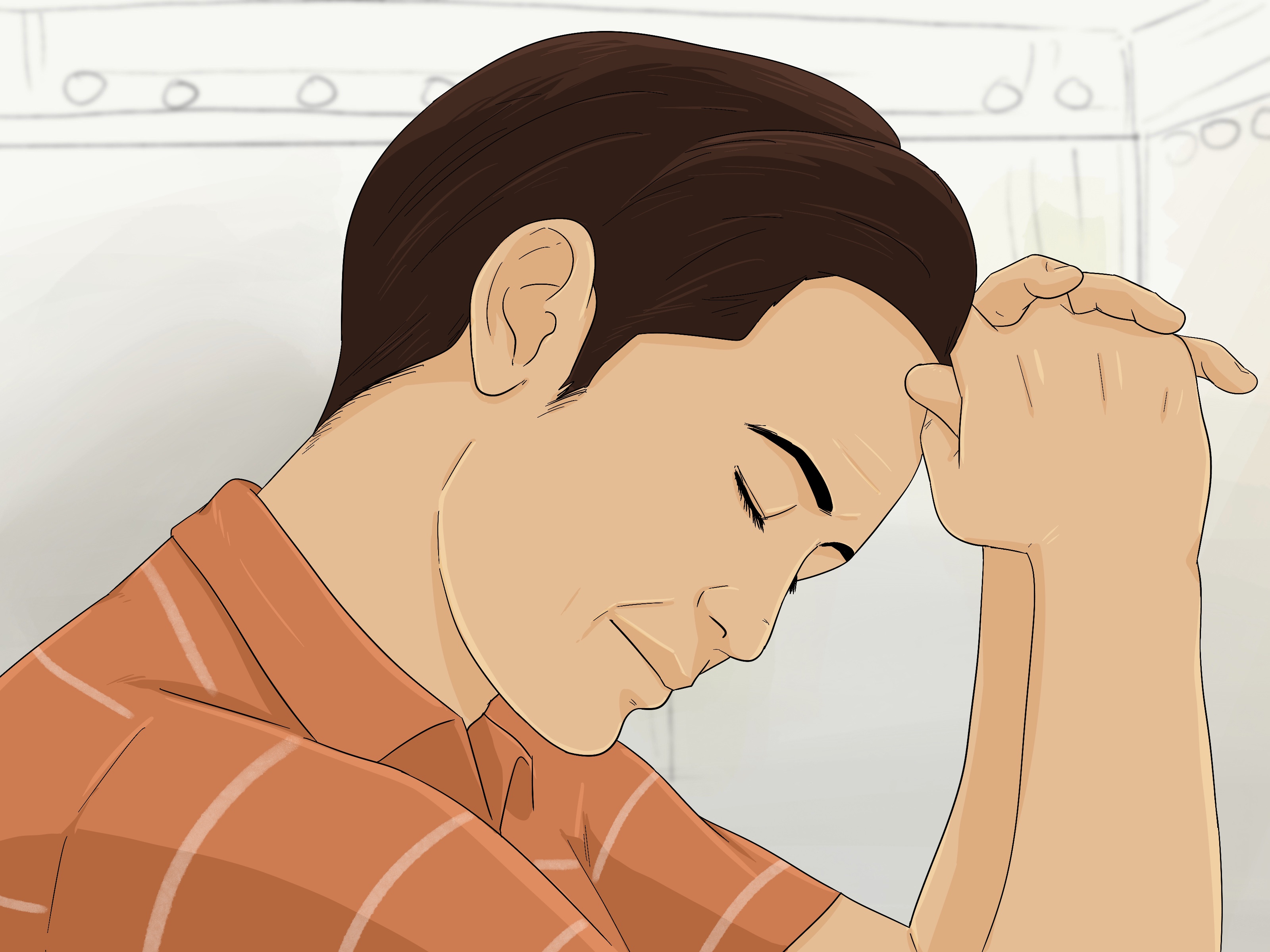

Confession can feel intimidating the first timeor the first time in a long time. You walk toward the confessional, your brain suddenly forgets every word you have ever known, and your conscience starts acting like it has opened 47 browser tabs at once. The good news is that confession is not a courtroom drama, a memory test, or a spiritual performance review with heavenly clipboards. In the Catholic tradition, confession, also called the Sacrament of Penance and Reconciliation, is a grace-filled encounter with God’s mercy.
This guide explains how to confess in 13 clear steps, from preparing your heart to completing your penance afterward. It is written especially for people who want a simple, practical, and respectful confession guide without feeling like they need a theology degree, a Latin dictionary, or nerves made of titanium.
Whether you are preparing for your first confession, returning after years away, or simply trying to make a better confession, these steps will help you approach the sacrament with honesty, humility, and peace.
Note: This article focuses mainly on Catholic sacramental confession. If you belong to another Christian tradition, many principleshonesty, repentance, reconciliation, prayer, and accountabilitycan still be helpful, though the exact practice may differ.
What Is Confession?
Confession is the act of honestly bringing your sins before God, usually through a priest in the Catholic sacrament of Reconciliation. Catholics believe that through the ministry of the priest, Christ forgives sins, restores grace, and helps the person begin again. That last part matters: confession is not only about admitting what went wrong; it is also about receiving strength to live differently.
At its heart, confession has several important parts: examination of conscience, sorrow for sin, confession of sins, receiving counsel and penance, praying an Act of Contrition, receiving absolution, and then doing the assigned penance. In plain English: look honestly at your life, tell the truth, receive mercy, and take the next faithful step.
How to Confess: 13 Steps
1. Understand Why You Are Going
Before you worry about what to say, remember why confession exists. You are not going because God enjoys embarrassing people. You are going because sin damages your relationship with God, others, and yourselfand grace repairs what sin breaks.
A healthy confession begins with trust. God already knows your sins. The priest is not there to gasp, faint, or ring an alarm bell. He has likely heard more confessions than you have had awkward text conversations. Your job is not to shock him; your job is to be honest.
Think of confession as spiritual cleaning. Nobody enjoys finding the mess under the couch, but once it is gone, the whole room feels lighter.
2. Pray Before You Examine Your Conscience
Start with a simple prayer. Ask God to help you see your life clearly, without panic and without excuses. A good prayer can be as simple as: “Lord, help me know my sins, be sorry for them, and trust in your mercy.”
This matters because confession is not supposed to be self-hatred. It is truthful repentance. You are asking God for light, not a spiritual spotlight that makes you sweat like you are being interrogated in a detective movie.
3. Make an Examination of Conscience
An examination of conscience is a prayerful review of your thoughts, words, actions, and omissions. In other words, you look at what you did, what you said, what you chose, what you ignored, and what patterns need conversion.
Many Catholics use the Ten Commandments, the Beatitudes, the teachings of Jesus, or a printed examination of conscience as a guide. You might ask yourself questions such as:
- Have I put God first, or only called on Him when life became a flaming circus?
- Have I treated family, friends, classmates, coworkers, or strangers with respect?
- Have I lied, gossiped, cheated, stolen, or acted selfishly?
- Have I neglected prayer, worship, charity, or forgiveness?
- Have I used people instead of loving them?
Be specific, but do not become obsessive. The goal is honest clarity, not spiritual overthinking until your brain turns into soup.
4. Identify Mortal and Venial Sins as Best You Can
In Catholic teaching, mortal sin is a grave sin committed with knowledge and deliberate consent. Venial sin is less serious but still harms your relationship with God and weakens the soul. If you are unsure whether something is mortal or venial, confess it simply and let the priest help you.
Do not skip serious sins because they are uncomfortable. Confession works best when you bring the real wound to the doctor, not when you point dramatically at a paper cut while hiding the broken ankle.
At the same time, do not invent sins or exaggerate them. Be honest. God does not need dramatic lighting and background music. Truth is enough.
5. Write Down Your Sins If It Helps
If you are nervous, write a short list. This can prevent the classic confessional moment where your mind goes completely blank and the only thing you remember is that you once forgot to return a pencil in third grade.
Keep the list simple. You do not need a full autobiography, emotional footnotes, or a courtroom transcript. A few words are enough: “lied,” “missed Mass,” “gossiped,” “anger toward my brother,” “impure thoughts,” “cheated on homework,” or “held resentment.”
After confession, destroy or delete the list. It has done its job. No need to keep a souvenir program from your sins.
6. Find a Confession Time or Make an Appointment
Most Catholic parishes list confession times on their websites or bulletins. Common times are Saturday afternoons, before Mass, during Lent and Advent, or by appointment. If the listed times do not work, call or email the parish office and ask to schedule confession with a priest.
If you are returning after many years, an appointment may give you more time and privacy. You can simply say, “Father, it has been a long time, and I may need help.” That one sentence is perfectly acceptable. Priests are used to guiding people through the sacrament.
7. Arrive Early and Prepare Quietly
Arrive a few minutes early if possible. Sit in the church, breathe, pray, and review your list if you made one. Try not to turn the waiting line into a mental courtroom where you prosecute yourself for every mistake since kindergarten.
A helpful mindset is: “I am here to meet mercy.” That is more accurate than: “I am here to survive a terrifying religious obstacle course.”
If you see people leaving the confessional peacefully, let that encourage you. They just did what you are about to do: told the truth and received grace.
8. Begin with the Sign of the Cross
When it is your turn, enter the confessional or reconciliation room. Depending on the setup, you may kneel behind a screen or sit face-to-face with the priest. Either option is usually fine unless the parish has a specific arrangement.
Begin with the Sign of the Cross and say the traditional opening: “Bless me, Father, for I have sinned. It has been [amount of time] since my last confession.”
If you do not remember how long it has been, say your best estimate: “It has been several months,” “It has been many years,” or “I do not remember exactly.” Confession is not a calendar quiz. Approximate honesty is better than nervous silence.
9. Confess Your Sins Clearly and Honestly
Now confess your sins. Speak clearly, simply, and directly. For serious sins, mention the kind of sin and, if possible, the approximate number of times. For example: “I lied several times,” “I missed Mass twice without a serious reason,” or “I have been holding anger toward a family member.”
Avoid two common traps. First, do not be so vague that nothing is really confessed: “I was not my best self” may be true, but it is also what people say after eating three slices of cake at midnight. Second, do not over-explain every detail. Confession is not a podcast episode. The priest can ask questions if he needs clarification.
End with a simple phrase such as: “For these and all my sins, I am sorry.”
10. Listen to the Priest’s Counsel
After you confess, the priest may offer advice, encouragement, or correction. Listen with humility. Sometimes the counsel is brief. Sometimes it is exactly what you needed to hear. Occasionally, it may be practical: apologize to someone, avoid a certain situation, pray daily, or seek help for a recurring struggle.
The priest is not there to crush you. He is there to help you return to God and grow in holiness. If you do not understand something, ask politely: “Father, could you explain that?” or “What should I do if this happens again?”
11. Receive Your Penance
The priest will assign a penance. This may be a prayer, a Scripture reading, an act of charity, an apology, or another spiritual action. Penance is not a payment for forgiveness, as if three prayers somehow buy grace from a vending machine. Rather, it is a concrete sign of repentance and a small step toward healing.
Listen carefully. If you forget the penance, ask before leaving. This is much better than walking out and wondering, “Was it one Our Father or seven? Did he say read Psalm 51 or Psalm 15? Why did my brain choose this moment to become mashed potatoes?”
12. Pray the Act of Contrition
The priest will usually ask you to pray an Act of Contrition. This prayer expresses sorrow for sin and your intention to avoid sin in the future. Many Catholics memorize a traditional version, but if you forget it, do not panic. You can ask the priest for help, read it from a card, or say a sincere prayer in your own words.
The key is not flawless pronunciation. The key is true repentance. A simple prayer from the heart is better than a perfect recital with zero sincerity.
13. Receive Absolution, Leave in Peace, and Do Your Penance
The priest will extend his hand or hands and pray the words of absolution. This is the central moment of the sacrament. When he says the words of forgiveness, respond “Amen.” The priest may then dismiss you with a short phrase such as “Go in peace.”
After leaving, complete your penance as soon as reasonably possible. If it is a prayer, many people do it right away in the church. If it involves an actionsuch as apologizing, repairing harm, or practicing charitymake a practical plan.
Then breathe. You went to confession. You faced the truth. You received mercy. No confetti may fall from the ceiling, but spiritually speaking, this is a very big deal.
Common Mistakes to Avoid When Going to Confession
Turning Confession Into a Life Story
Confession should be honest, but it does not need to include every background detail. You can explain context briefly if it helps, but avoid giving a 20-minute documentary titled “The Complete History of My Bad Mood.”
Confessing Other People’s Sins
This is surprisingly tempting. You begin with “I lost my temper,” and somehow end up explaining how your cousin, neighbor, boss, and one suspiciously loud dog contributed to the situation. Stay focused on your own choices.
Hiding the Hardest Sin
The sin you most want to hide may be the one most needs healing. Say it plainly. The priest will not be surprised, and God’s mercy is not fragile.
Waiting Until You Feel Perfectly Ready
You may never feel perfectly ready. Go anyway. Confession is for sinners, not for people who already have their spiritual laundry folded into color-coded baskets.
Practical Examples of What to Say in Confession
If you are unsure how to confess, here is a simple sample structure:
Opening: “Bless me, Father, for I have sinned. It has been about three months since my last confession.”
Confession: “I have missed prayer, spoken harshly to my family, lied several times, gossiped about a friend, and held resentment instead of forgiving.”
Closing: “For these and all my sins, I am sorry.”
That is enough. You do not need dramatic language. You do not need to sound like a medieval monk unless you happen to be one, in which case, congratulations on your excellent robe collection.
How Often Should You Go to Confession?
Catholics are required to confess grave sins, but frequent confession is also encouraged as a way to grow spiritually. Many people go monthly, during Advent and Lent, or whenever they are conscious of serious sin. A regular rhythm can help you notice patterns before they become spiritual potholes.
The best schedule is one that helps you stay honest, repentant, and close to God. If you are unsure, ask a trusted priest for guidance.
Experiences Related to How to Confess: 13 Steps
Many people imagine confession as a cold, awkward, painfully formal experience. In reality, the most common experience is relief. People often walk in tense and walk out lighter, not because their problems magically disappear, but because they no longer carry them alone.
Consider someone returning after ten years away from confession. At first, the hardest part is not saying the sins. The hardest part is touching the door handle. The person may think, “What if I do it wrong?” or “What if the priest judges me?” But once inside, a simple sentence changes everything: “Father, it has been a long time. Can you help me?” Most priests will gently guide the person step by step. The experience becomes less about fear and more about coming home.
Another common experience happens with people who confess the same sin repeatedly. They may feel embarrassed and wonder whether confession is “working.” But spiritual growth often looks less like flipping a switch and more like learning to walk after an injury. You fall, get up, receive grace, and keep practicing virtue. Repeated confession should not become an excuse to stop trying, but it can become a steady source of strength.
Some people are surprised by how short confession can be. They expect a long emotional scene, but the sacrament may take only a few minutes. That does not make it shallow. A doctor can clean a wound quickly and still do something essential. In confession, the power is not in the length of the conversation; it is in repentance, absolution, and grace.
There is also the experience of making a practical change afterward. A person confesses gossip, then decides not to join the group chat pile-on next time. Someone confesses anger, then starts pausing before responding. A student confesses cheating, then chooses honest study habits even when the grade pressure hits. A parent confesses impatience, then apologizes to a child instead of pretending adults are magically incapable of being wrong. These small actions are where confession becomes more than words.
For beginners, the best advice is simple: do not wait until you are fearless. Courage does not mean your knees are calm and your palms are dry. Courage means you go anyway. Bring your nervousness, your list, your imperfect sorrow, and your desire to change. Confession is not about proving that you are already holy. It is about letting God make you new, one honest confession at a time.
Conclusion: Confession Is a Door, Not a Trap
Learning how to confess is not mainly about memorizing a perfect script. The steps matter, but the heart matters more. Prepare with prayer, examine your conscience, confess your sins clearly, receive the priest’s counsel, pray an Act of Contrition, receive absolution, and complete your penance.
Confession is a doorway back to peace. It teaches honesty without despair, humility without humiliation, and repentance without pretending you can fix yourself alone. If you are nervous, that is normal. If you have been away for years, you can return. If you forget the words, ask for help. The sacrament is bigger than your anxiety, stronger than your shame, and much more merciful than the gloomy little courtroom your imagination may have built.
Go with honesty. Leave with peace. Then live like mercy is realbecause that is the whole point.