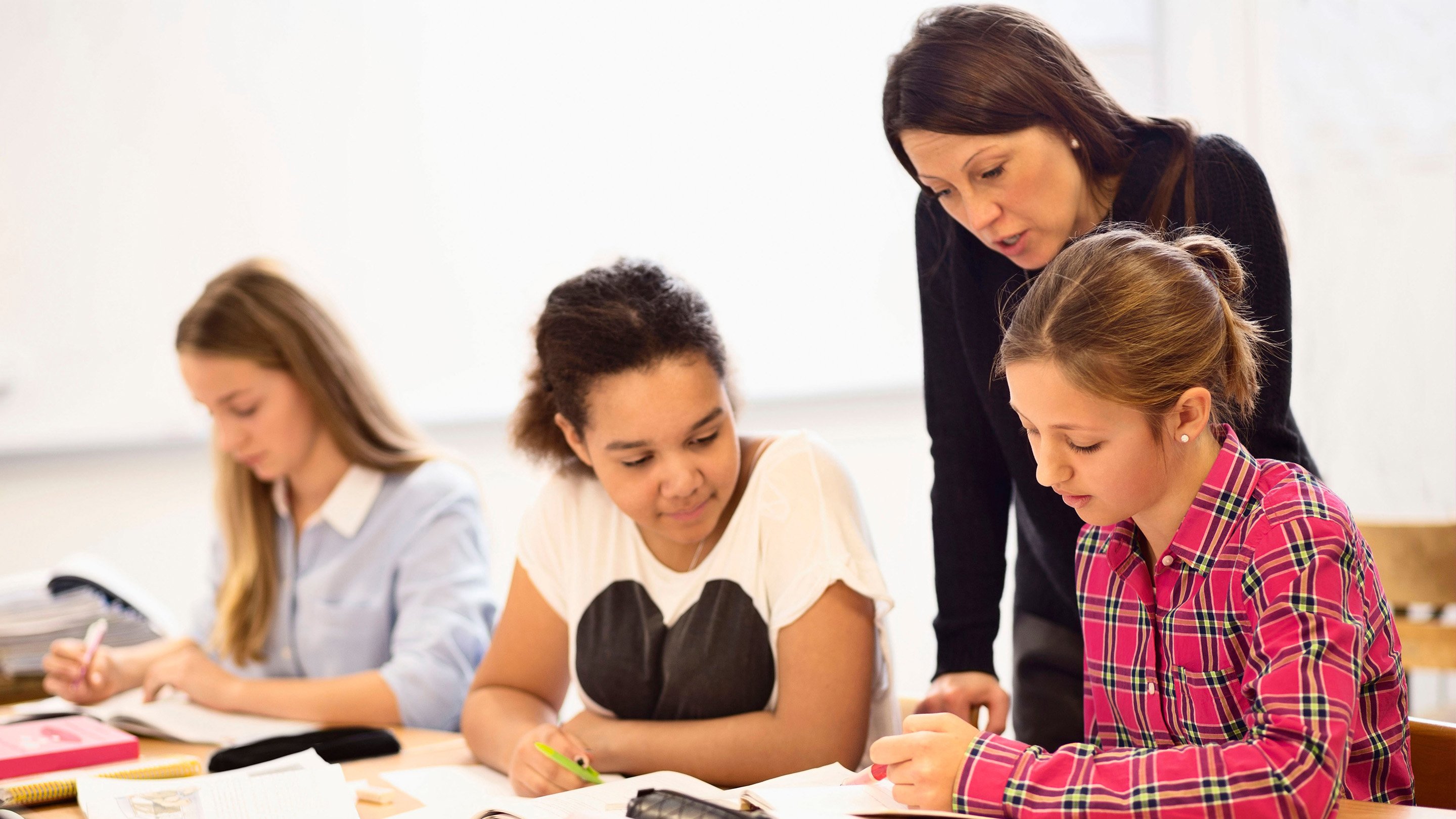

There was a time when classroom seating was simple: rows of desks, one teacher desk, maybe a pencil sharpener that sounded like a tiny construction site. Everyone faced forward, everyone stayed put, and the seating chart had the personality of a parking lot. Today, learning looks different. Students collaborate, debate, read independently, build models, use devices, work in small groups, and sometimes need a quiet corner before their brain starts behaving like a browser with 47 tabs open.
That is where a flexible classroom seating design comes in. Flexible seating is not just “throw a beanbag in the corner and call it innovation.” It is a thoughtful classroom layout that gives students safe, structured choices about where and how they learn. It blends comfort, movement, accessibility, collaboration, focus, and classroom management into one practical design. When done well, it can make a classroom feel less like a waiting room and more like a learning studio.
This guide explores how to create a flexible seating classroom that supports engagement, independence, student voice, and real teachingnot chaos wearing a cute rug.
What Is a Flexible Classroom Seating Design?
A flexible classroom seating design is a learning-space arrangement that offers students multiple seating options instead of assigning every learner to one traditional desk all day. These options might include standard chairs, stools, floor cushions, standing desks, low tables, collaborative pods, individual workstations, wobble seats, soft seating, reading corners, and mobile desks that can be rearranged quickly.
The main idea is simple: different learning tasks require different spaces. A student writing an essay may need quiet and structure. A group solving a science problem may need a table where everyone can see the materials. A child who struggles to sit still may focus better with a movement-friendly seat. A student who feels overstimulated may need a calmer edge-of-the-room location. Flexible seating gives the room enough variety to match the work, not just the furniture catalog.
Flexible Seating Is About Purpose, Not Decoration
The best flexible classroom design starts with instruction. Before buying cushions, stools, or tables, ask: What do students actually do in this room? Do they read independently? Work in teams? Use laptops? Build projects? Practice presentations? Meet in small groups with the teacher? The seating should support those routines.
A flexible seating classroom should still feel organized. In fact, it often requires more planning than traditional rows. Students need clear expectations, traffic paths, storage systems, cleaning routines, and rules for choosing seats. Otherwise, the “flexible” part may become a daily episode of musical chairs with academic consequences.
Why Flexible Classroom Seating Matters
Classroom design affects how students move, interact, listen, focus, and participate. Furniture does not teach the lesson, of course. A beanbag cannot explain fractions, no matter how supportive it looks. But the physical environment can either help instruction flow or quietly fight against it all day.
Flexible seating supports a student-centered classroom by giving learners more ownership. When students choose a seat that helps them work, they practice self-awareness: “Where do I focus best?” “Who helps me stay productive?” “Do I need movement, quiet, or a table?” These are small decisions, but they build executive function and responsibility.
It Encourages Movement Without Losing Learning Time
Children and teenagers are not designed to sit still for six hours like tiny office interns. Movement can help many students stay alert and regulate energy. A flexible classroom seating design can include standing areas, wobble stools, clipboards for floor work, and open space for quick transitions. Instead of treating movement as misbehavior, the room channels it into learning-friendly options.
It Supports Different Learning Preferences
Some students concentrate best at a table. Others prefer the floor for reading. Some need to face the teacher directly, while others do better away from high-traffic areas. Flexible seating does not mean every child gets their dream lounge chair. It means the classroom offers enough variety for students to find a productive match.
It Can Improve Collaboration
Modern classrooms often include group discussion, project-based learning, peer feedback, partner reading, and STEM activities. Traditional rows can work beautifully for direct instruction, but they are not always ideal for group problem-solving. A flexible classroom seating layout makes it easier to shift between teacher-led lessons, partner tasks, small-group collaboration, and independent work.
Core Zones in a Flexible Classroom Seating Layout
A strong flexible seating design usually includes zones. Zones help students understand the purpose of each space and help teachers manage the room without needing a whistle, a traffic cone, or superhero patience.
1. The Direct Instruction Zone
This is the area where students can easily see the board, screen, anchor charts, or teacher demonstration. It might include traditional desks, tables, or chairs arranged in an L-shape, U-shape, semicircle, or rows that can be quickly rearranged. The key is visibility. Every student should be able to see and hear without twisting like a pretzel.
2. The Collaboration Zone
This area is designed for teamwork. Use grouped tables, movable desks, shared whiteboards, or round tables. Store common supplies nearby so students do not spend five minutes hunting for scissors like they are on an educational treasure quest. This zone works well for science labs, writing workshops, math problem-solving, and project-based learning.
3. The Independent Focus Zone
Not every task should feel like a committee meeting. A flexible classroom needs quiet spots where students can read, write, test, reflect, or work alone. These seats may be placed along walls, near bookshelves, or in low-distraction corners. Privacy folders, small dividers, or individual desks can help students who need fewer visual distractions.
4. The Soft Seating or Reading Zone
This is often the most popular area, so plan it carefully. A reading zone may include a rug, floor cushions, beanbags, small chairs, or low benches. It should feel inviting but not sleepy. The goal is “cozy reader,” not “accidental nap festival.” Use this space for independent reading, partner reading, quiet reflection, or small discussion groups.
5. The Teacher Small-Group Zone
Teachers need a dedicated area for conferences, intervention, guided reading, or small-group instruction. A kidney table, small round table, or compact group table can work well. Keep assessment materials, sticky notes, manipulatives, and writing tools nearby. Flexible seating should make it easier for the teacher to reach students, not harder.
6. The Movement-Friendly Zone
Some students focus better when they can move safely. This zone may include standing desks, wobble stools, balance cushions, or a small space where students can stretch while listening. Safety matters: choose stable furniture, keep pathways clear, and avoid seating that turns learning into a circus audition.
Flexible Seating Options That Actually Work
The best seating options are durable, safe, easy to clean, age-appropriate, and connected to learning goals. A beautiful chair that distracts everyone is not a learning tool. It is just furniture with main-character energy.
Traditional Desks and Chairs
Do not throw out every desk in the name of flexibility. Traditional seating is still useful for writing, testing, direct instruction, and students who prefer structure. The trick is to make desks movable when possible, so they can shift from rows to groups to individual stations.
Standing Desks
Standing options can help students who become restless when seated too long. They are also useful for quick tasks, technology work, and students who need a change in posture. Place standing desks where they do not block sightlines.
Floor Cushions and Low Tables
Floor seating works well for reading, drawing, sorting activities, and partner work. Use low tables, lap desks, or clipboards to support writing. Make sure students can maintain comfortable posture and that the space is easy to clean.
Wobble Stools and Movement Seats
Wobble stools can support controlled movement, but they need rules. Students should know how to use them safely, when to switch seats, and what counts as distracting movement. A wobble stool is not a carnival ride, even if one student will absolutely test that theory.
Soft Chairs, Beanbags, and Lounge Seats
Soft seating can make a classroom feel welcoming. It is especially helpful for reading and reflection. However, soft seating should be limited, washable, and tied to expectations. Consider using it as a choice during specific work periods rather than an all-day throne.
Mobile Tables and Stackable Chairs
Furniture that moves easily is a flexible classroom superhero. Lightweight tables, stackable chairs, rolling carts, and portable whiteboards allow the room to change quickly. A classroom that can shift in two minutes is far more useful than one that requires a furniture-moving committee.
How to Design a Flexible Classroom Seating Plan
A successful flexible classroom seating design begins with planning, not shopping. Start with the room you have, the students you teach, and the routines that happen every day.
Step 1: Map the Learning Activities
List the main activities in your classroom: direct teaching, group work, independent reading, writing, labs, technology use, presentations, centers, tests, discussions, and small-group instruction. Then decide which seating arrangement supports each activity best.
Step 2: Keep Clear Pathways
Students and teachers should be able to move easily. Keep aisles open, avoid furniture bottlenecks, and make sure students can access exits, supplies, and learning materials. Clear pathways also support accessibility for students with mobility needs.
Step 3: Protect Sightlines
Every student should be able to see key instruction areas. Avoid tall furniture in the middle of the room. If you use multiple teaching walls or screens, arrange seating so students can turn without awkward posture.
Step 4: Balance Choice With Structure
Choice is powerful, but unlimited choice can overwhelm students and exhaust teachers. Create simple systems: seat choice boards, rotation cards, “best-fit seat” rules, or teacher-approved zones. Students should understand that seating choice is earned through responsible use.
Step 5: Test the Design Before Committing
Try a seating arrangement for one or two weeks. Observe noise, movement, student focus, transition speed, and teacher access. Ask students what helps them learn. Then adjust. Flexible seating is not a one-time makeover; it is an ongoing classroom experiment with fewer goggles and more clipboards.
Classroom Management Tips for Flexible Seating
Flexible seating can support better behavior, but only when expectations are explicit. Students need to know what each space is for, how to choose wisely, and what happens when a choice is not working.
Create “Smart Seat” Rules
Teach students to choose a seat where they can do their best work. A smart seat is not always the most comfortable seat. It is the seat that helps the student focus, participate, and complete the task. Model examples and non-examples. Yes, that includes explaining why sitting next to your best friend during silent reading may turn into a whisper-powered podcast.
Use a Reset Option
Students should be allowed to move if their first choice is not working. A simple reset routine prevents embarrassment and conflict. For example: “If your seat is not helping you learn, quietly move to a better spot.” Teachers can also redirect with neutral language: “This seat is not supporting your work right now. Choose a better learning spot.”
Rotate Popular Seats
If one beanbag becomes the classroom celebrity, create a rotation system. Use name clips, sign-up cards, table groups, or weekly schedules. This prevents arguments and keeps flexible seating from becoming a dramatic courtroom case over who had the blue cushion first.
Keep Supplies Accessible
Flexible seating works best when materials are easy to reach. Use labeled bins, rolling carts, table caddies, and supply stations. Students should not need to cross the room eight times to finish one paragraph.
Flexible Seating for Different Grade Levels
Elementary School
Young learners benefit from clear zones, visual labels, and predictable routines. Use picture signs for reading spots, partner tables, floor work, and teacher tables. Keep seating options simple at first, then add more choices as students learn expectations.
Middle School
Middle school students often appreciate choice but still need structure. Offer seating based on task: discussion circles, lab tables, independent desks, and standing options. Build responsibility by asking students to reflect on where they focus best.
High School
Flexible seating in high school should feel mature and purposeful. Use mobile desks, seminar tables, collaboration stations, presentation zones, and quiet work areas. Older students can help design the space and suggest improvements based on course needs.
Accessibility and Inclusion in Flexible Classroom Design
A flexible classroom seating design should support all learners, including students with disabilities, sensory needs, attention differences, anxiety, mobility challenges, and language-learning needs. Universal Design for Learning encourages educators to reduce barriers before students struggle. Seating is one practical way to do that.
Make sure pathways are wide enough, seating options are stable, materials are reachable, and students do not have to ask publicly for accommodations. Offer choices that include firm chairs, quiet corners, low-distraction seats, movement-friendly seats, and collaborative spaces. Flexibility should not mean “anything goes.” It should mean “there is more than one good way to learn here.”
Common Mistakes to Avoid
Buying Furniture Before Defining the Problem
Do not start with shopping. Start with learning goals. If students struggle during group work, you may need better collaboration zones. If transitions are slow, you may need clearer pathways. If students are distracted, you may need fewer novelty seats, not more.
Offering Too Many Choices Too Soon
Introduce flexible seating gradually. Begin with two or three choices and teach routines. Add more options when students demonstrate responsibility.
Ignoring Cleaning and Durability
Classrooms are busy places. Choose materials that can survive spills, pencil marks, backpack collisions, and the mysterious sticky substance that appears every October. Washable covers, wipeable surfaces, and sturdy furniture are worth it.
Forgetting Teacher Movement
The teacher needs to circulate, confer, monitor, and support students. If the seating layout traps the teacher behind a table or forces awkward routes, redesign it. A flexible classroom should work for instruction, not just Instagram.
A Sample Flexible Classroom Seating Design
Imagine a classroom with 28 students. The front-left area has a direct instruction zone with movable desks in a shallow U-shape. The center has four group tables for collaboration. The back-right corner has a reading rug, floor cushions, and a small bookshelf. Along one wall are three individual focus desks with privacy folders. Near the teacher table is a small-group instruction area with six chairs. Two standing stations sit near the side wall, close enough to participate but not block anyone’s view.
This layout allows the teacher to shift quickly. For a mini lesson, students face the board. For group work, desks move into clusters. For independent reading, students choose quiet spots. For intervention, the teacher calls a small group without disrupting the whole class. The room breathes. The teacher breathes. Everyone wins, including the pencil sharpener, which finally gets less attention.
Experiences and Practical Lessons From Flexible Classroom Seating
In real classrooms, flexible seating usually begins with excitement and a few surprises. The first surprise is that students do not automatically know how to choose the best seat. Many will choose the softest seat, the seat near a friend, or the seat that looks like it belongs in a gaming lounge. That is normal. Seat choice is a skill, and like any skill, it needs modeling, practice, feedback, and occasional reminders delivered with teacher calm and inner deep breathing.
One practical experience many teachers report is that flexible seating works better when students help create the rules. Instead of announcing a long list of restrictions, ask students: “What should this space help us do?” “What could go wrong?” “How will we know a seat is helping us learn?” Students often name the same concerns adults have: fairness, noise, safety, sharing, and focus. When students help build the expectations, they are more likely to respect them because the rules feel less like a royal decree and more like a classroom agreement.
Another useful lesson is to start small. A teacher does not need to redesign the entire room over a weekend while drinking heroic amounts of coffee. Begin with one flexible zone, such as a reading corner or standing station. Observe how students use it. Then add a second option, such as a collaboration table or independent focus desk. Gradual change gives students time to learn routines and gives the teacher time to see what actually works.
Teachers also learn quickly that fairness does not always mean everyone gets the same seat for the same amount of time. Fairness means every student gets what they need to learn well. Some students may need a traditional chair every day. Others may need movement seating during writing but not during tests. Some may need to avoid high-traffic areas. Flexible seating becomes more effective when teachers explain that the classroom is designed for learning needs, not furniture equality.
Student reflection can make the design stronger. A simple weekly check-in works well: “Where did you work best this week?” “Which seat distracted you?” “What seating choice helped you finish your work?” These questions help students become more aware of their habits. Over time, they begin to make better choices without constant teacher direction. That independence is one of the quiet wins of flexible seating.
There will also be failures. A cushion may become a toy. A wobble stool may wobble too enthusiastically. A group table may become the headquarters of off-task comedy. These moments do not mean flexible seating has failed. They mean the system needs adjustment. Remove one option, reteach expectations, change the location, or limit certain seats to certain activities. Good classroom design is responsive, not perfect.
The most successful flexible seating classrooms feel calm, purposeful, and lived-in. They are not showrooms. They have labeled bins, slightly tired rugs, favorite reading spots, and students who know how to move from discussion to independent work without turning the room into a furniture parade. The design supports the teacher’s style and the students’ needs. It makes learning more comfortable, but it never forgets that comfort is there to serve focus, participation, and growth.
Conclusion
A flexible classroom seating design is not about trendy furniture. It is about creating a classroom that can adapt to the many ways students learn. With clear zones, thoughtful seating options, strong routines, accessible pathways, and student reflection, flexible seating can support collaboration, independence, movement, focus, and inclusion.
The best design is not the most expensive one. It is the one that helps students understand themselves as learners and helps teachers teach without wrestling the room every period. Start with purpose, add structure, test the layout, and adjust as needed. A flexible classroom does not have to be perfect. It just has to be responsive, practical, and ready for real studentsthe kind who learn, wiggle, collaborate, spill things, ask brilliant questions, and occasionally try to spin on a stool like NASA is watching.
Note: This article synthesizes current educational best practices, classroom design principles, student-centered learning strategies, ergonomic considerations, and research-informed guidance on flexible seating, active learning environments, accessibility, and classroom management.