
When your yard feels more “postage stamp” than “botanical estate,” vertical gardening is the clever little trick that lets you grow up instead of spreading out. It turns fences, walls, trellises, arbors, railings, patios, raised beds, and even awkward side-yard corners into living green space. In other words, your garden stops fighting for elbow room and starts using the air. Very polite. Very efficient.
Vertical gardening is exactly what it sounds like: growing plants upward with the help of supports, containers, stacked planters, hanging baskets, wall pockets, cages, or trellises. It is one of the best yard upgrades for homeowners who want more greenery, more privacy, more flowers, more herbs, or more fresh vegetables without sacrificing every square foot of lawn, patio, or walkway.
Even better, a vertical garden can be practical and beautiful at the same time. A cucumber trellis can save ground space and make harvesting easier. A wall of herbs near the kitchen door can turn weeknight pasta into something that feels slightly more chef-y. A flowering vine on an arbor can create shade, structure, and a little “look at me, I have my life together” curb appeal.
This guide explains how to add vertical gardening to your yard, what plants work best, which structures to use, how to water and maintain your setup, and how to avoid the common mistakes that make plants look like they have filed a complaint with management.
What Is Vertical Gardening?
Vertical gardening is the practice of growing plants upward instead of outward. Rather than letting vines sprawl across the ground or placing every pot on the patio floor, you use vertical supports to guide growth. These supports may include trellises, cages, stakes, fences, wall-mounted planters, hanging baskets, obelisks, pergolas, arbors, stacked containers, or freestanding plant towers.
The main goal is simple: use limited space more efficiently. A traditional garden bed has a fixed footprint, but a vertical garden adds another dimension. Suddenly, a narrow side yard, blank garage wall, balcony edge, or sunny fence line becomes a productive growing zone.
Why Vertical Gardening Works So Well
Vertical gardens are especially helpful because many plants naturally want to climb, trail, lean, or reach. Pole beans, peas, cucumbers, grapes, clematis, climbing roses, morning glories, and many tomato varieties already have a vertical personality. Give them a sturdy structure, and they usually take the hint.
For vegetables, vertical support can also keep fruit cleaner, reduce contact with wet soil, improve airflow around leaves, and make pests easier to spot. For ornamental plants, vertical growth adds height, color, privacy, and texture. A yard with only flat beds can feel a little like a pancake. A yard with vertical layers feels more like a garden with depth, movement, and intention.
Benefits of Adding Vertical Gardening to Your Yard
1. It Saves Valuable Ground Space
The most obvious benefit of vertical gardening is space-saving greenery. If your yard is small, narrow, rented, oddly shaped, or already full of patio furniture, going vertical lets you grow more without expanding the garden footprint. A cucumber plant on the ground can wander like it lost its GPS. On a trellis, it behaves more like a civilized garden guest.
Vertical gardening is ideal for townhomes, suburban yards, compact patios, small raised beds, and urban gardens. It also works beautifully along fences, where unused vertical surfaces often sit empty. Instead of staring at a plain fence, you can grow beans, flowering vines, espaliered fruit, or climbing roses.
2. It Makes Harvesting Easier
When vegetables grow upward, you do less bending, searching, and leaf-wrestling. Beans hang where you can see them. Cucumbers are easier to pick. Tomatoes stay supported instead of flopping dramatically across the mulch like they just heard bad news.
This is especially useful for gardeners with limited mobility, back discomfort, or raised-bed setups. A trellis can bring plants closer to eye level, making maintenance and harvesting more comfortable.
3. It Improves Airflow and Plant Health
Good airflow matters in a garden. Crowded, damp foliage can encourage disease problems, especially when leaves stay wet after rain or overhead watering. Training plants upward helps separate leaves and stems, allowing air to move through the canopy more freely.
Vertical support also reduces fruit-to-soil contact. Tomatoes, cucumbers, melons, and squash are less likely to sit on wet ground, where rot, insects, and soil splash can become an issue. Think of trellising as giving your plants a clean chair instead of asking them to sit on the floor.
4. It Adds Privacy and Structure
A vertical garden can double as a living screen. Use climbing vines on a trellis to soften a patio edge, block a neighbor’s trash bins, or create a cozy seating area. Fast-growing annual vines can provide seasonal coverage, while perennial vines and shrubs offer longer-term structure.
Unlike a plain privacy panel, a planted screen changes with the seasons. It may flower in spring, shade in summer, fruit in fall, or provide sculptural stems in winter. That is a lot of work from one garden feature.
5. It Boosts Curb Appeal
Vertical elements draw the eye upward, making a yard feel more layered and designed. An arbor at the entrance to a garden path, a trellis behind a raised bed, or a wall-mounted herb garden can make even a modest outdoor area feel polished.
Vertical gardening also helps hide unattractive surfaces. A bare shed wall, chain-link fence, or concrete block boundary can become a backdrop for greenery. Basically, it is garden camouflage with better lighting.
Best Places to Add a Vertical Garden
Along a Sunny Fence
Fences are prime vertical gardening real estate. They are already upright, already in place, and often begging for plants. A south- or west-facing fence may work well for sun-loving vegetables and flowers, while an east-facing fence can be ideal for plants that prefer morning sun and some afternoon relief.
Before attaching planters or trellises, check the fence strength. Wet soil, mature vines, and full containers are heavier than they look. A cute wall planter can become a small engineering incident if the support is weak.
Beside a Patio or Deck
Vertical gardens near patios are both useful and decorative. Herbs, strawberries, lettuce, nasturtiums, compact tomatoes, and trailing flowers work well near outdoor living spaces. Place fragrant herbs where you can brush against them, but avoid putting bee-heavy flowers too close to dining areas unless you enjoy sharing lunch with tiny winged inspectors.
Near the Kitchen Door
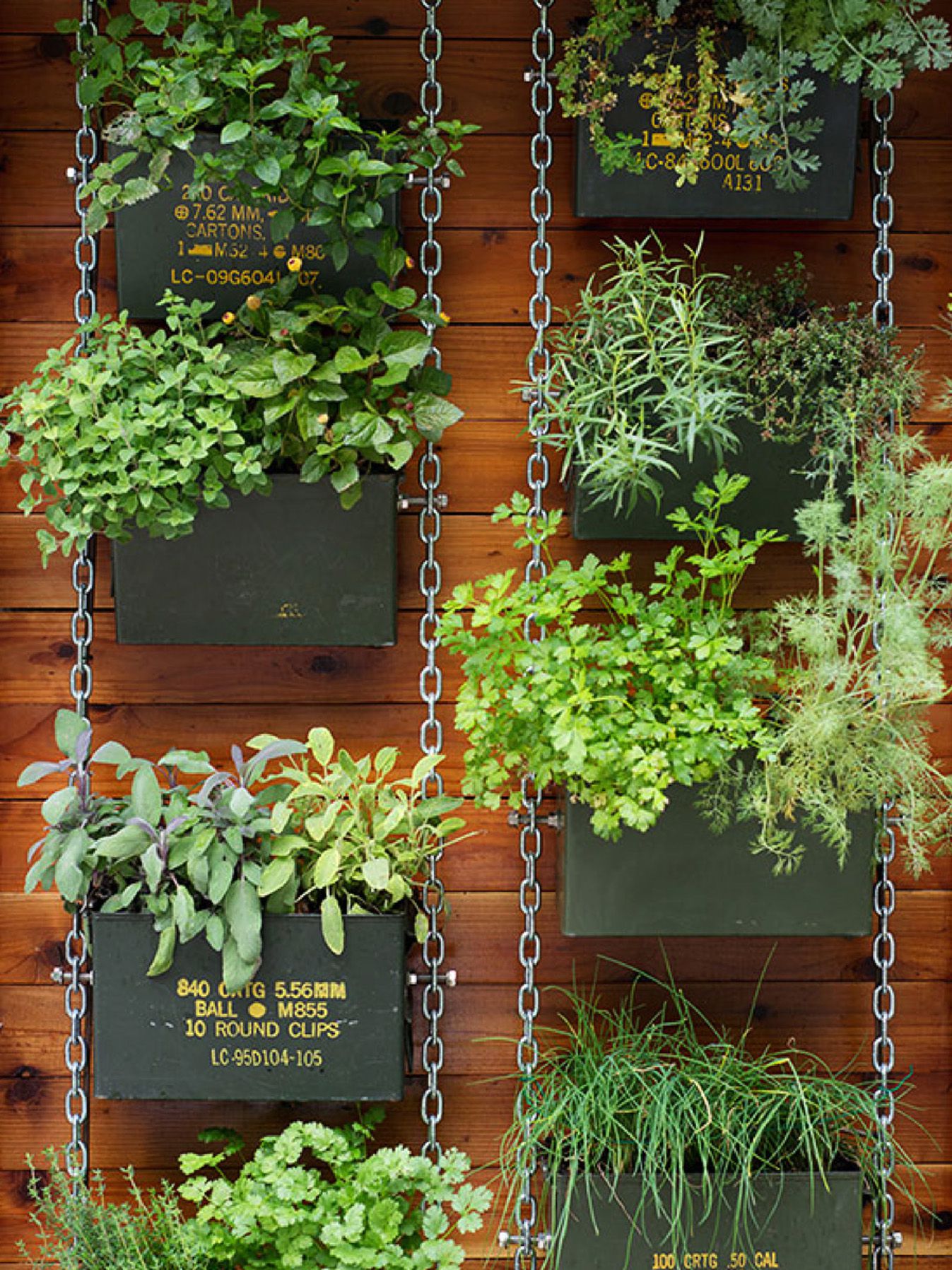
A vertical herb garden near the kitchen is one of the easiest ways to make cooking more fun. Basil, parsley, thyme, oregano, chives, mint, cilantro, and rosemary can grow in containers, depending on your climate and sun exposure. Just keep mint in its own container unless you want it to start a hostile takeover.
In Raised Beds
Raised beds and vertical gardening are a dream team. Add a trellis at the back or north side of a raised bed so taller crops do not shade shorter plants. Grow pole beans, peas, cucumbers, or small-fruited melons vertically, then plant lettuce, radishes, herbs, or flowers below.
Against a Blank Wall
Wall gardens can turn plain surfaces into lush focal points. Use wall pockets, mounted shelves, hanging rails, or modular planting systems. Just be careful with moisture. Leave space between plants and siding when needed, use proper drainage, and avoid trapping water against wood or masonry.
Best Plants for Vertical Gardening
Vegetables That Love Vertical Support
Some vegetables are natural climbers, while others simply appreciate a little help. Great choices include pole beans, peas, cucumbers, indeterminate tomatoes, small melons, compact squash, and some gourds. Peppers and eggplants do not climb, but they can benefit from stakes or cages when fruit gets heavy.
For small yards, choose compact, bush, dwarf, or patio varieties when available. A seed packet or plant label can tell you whether a crop is bush-type, determinate, indeterminate, dwarf, trailing, or vining. This matters. A dwarf tomato in a container is charming. A vigorous indeterminate tomato with no support is a tomato jungle with snacks hidden inside.
Herbs for Vertical Gardens
Herbs are excellent for vertical gardening because many have shallow to moderate root systems and can thrive in containers. Good options include basil, parsley, cilantro, thyme, oregano, sage, chives, mint, dill, and rosemary. Group herbs with similar water needs together. Mediterranean herbs such as thyme, oregano, sage, and rosemary generally prefer well-drained soil and dislike soggy roots.
Flowers and Vines for Beauty
For color and pollinator appeal, try clematis, climbing roses, morning glories, moonflower, black-eyed Susan vine, sweet peas, nasturtiums, passionflower, honeysuckle, or jasmine where climate-appropriate. Annual vines are useful when you want fast coverage in one season, while perennial vines are better for long-term structure.
Fruit Options for Vertical Gardening
Some fruits can also work in vertical systems. Strawberries grow well in stacked planters, hanging baskets, and towers. Grapes and kiwiberry need strong supports and regular pruning. Dwarf fruit trees can be trained on trellises using espalier techniques, though they require patience and careful pruning.
Choosing the Right Vertical Garden Structure
Trellises
Trellises are the classic choice for vertical gardening. They can be made from wood, metal, bamboo, livestock panels, wire mesh, string, or heavy-duty netting. Use lightweight trellises for peas and flowers. Use stronger structures for cucumbers, melons, grapes, or vigorous vines.
Install trellises before plants get large. This prevents root damage and saves you from the awkward task of threading a giant cucumber vine through a support while it silently judges your planning skills.
Cages and Stakes
Tomatoes, peppers, eggplants, and some flowers benefit from cages or stakes. Cages support plants from multiple sides, while stakes provide a central anchor. Indeterminate tomatoes usually need tall, sturdy support because they continue growing through the season.
Arbors and Pergolas
Arbors and pergolas add architectural style and can support ornamental vines, grapes, roses, or other climbing plants. They are excellent for entrances, pathways, seating areas, and privacy screens. Because mature vines become heavy, build with strength in mind.
Wall Planters and Pocket Systems
Wall planters are great for herbs, lettuce, succulents, strawberries, and small annual flowers. Make sure each pocket or container has drainage and enough soil volume. Tiny pockets dry out quickly, especially in hot weather, so plan for frequent watering.
Hanging Baskets
Hanging baskets work well for strawberries, trailing herbs, cherry tomatoes, nasturtiums, petunias, and other cascading plants. Use sturdy hooks and avoid hanging baskets where dripping water will annoy guests, stain surfaces, or create slippery spots.
How to Start a Vertical Garden Step by Step
Step 1: Study Your Sunlight
Most vegetables need at least six hours of direct sun per day, and fruiting crops such as tomatoes, cucumbers, peppers, and melons usually perform best with more. Leafy greens and many herbs can tolerate less sun. Before installing anything permanent, watch your yard for a day and note where sunlight lands in the morning, midday, and afternoon.
Step 2: Pick the Right Plants for the Spot
Match the plant to the light, container size, and support. A sunny trellis is perfect for beans or cucumbers. A part-shade wall pocket may be better for parsley, mint, lettuce, or decorative foliage. A windy balcony may need compact plants and heavier containers for stability.
Step 3: Choose Containers with Drainage
Drainage is non-negotiable. Containers should have holes or slits that allow excess water to escape. Without drainage, roots can suffocate or rot. Use a high-quality potting mix rather than dense garden soil, which can compact in containers and drain poorly.
Step 4: Install Strong Supports
Vertical gardens can become heavy when plants mature, especially after rain. Anchor trellises securely, use deep stakes, and check wall-mounted systems carefully. If you are growing large vines or fruiting crops, choose supports designed for weight, not just looks.
Step 5: Plant with Growth in Mind
Do not overcrowd. Small seedlings may look lonely at first, but they grow. Give each plant enough root space and airflow. Overcrowded vertical gardens dry out faster, compete for nutrients, and invite pests and diseases.
Step 6: Water Deeply and Consistently
Containers and raised beds often dry out faster than in-ground beds. Check moisture regularly by pressing a finger into the soil. Water until moisture reaches the root zone, and for containers, water until excess begins to drain from the bottom. Morning watering is usually best because plants can use the moisture before the hottest part of the day.
Step 7: Train Plants Early
Guide vines while stems are flexible. Use soft plant ties, twine, clips, or strips of cloth. Avoid tying stems tightly because plants expand as they grow. Some crops, like peas and pole beans, will climb with little help. Others, like tomatoes and cucumbers, may need gentle encouragement.
Vertical Gardening Design Ideas for Your Yard
The Edible Fence
Install a sturdy trellis or cattle panel along a sunny fence and grow pole beans, cucumbers, peas, or small melons. Add marigolds, nasturtiums, or herbs at the base for color and beneficial insect appeal. This design is productive, attractive, and perfect for narrow yards.
The Patio Herb Wall
Mount shelves, rails, or pocket planters near your patio and fill them with cooking herbs. Label each plant with simple tags so guests know you are growing thyme, not “tiny green mystery shrub.” Keep the herbs close to water because small containers dry quickly.
The Privacy Trellis
Place a freestanding trellis beside a seating area and grow clematis, jasmine, climbing roses, or annual vines. This creates a softer, greener screen than a solid fence and can make an outdoor room feel more intimate.
The Raised Bed Arch
Use a metal arch or livestock panel between two raised beds. Grow beans, cucumbers, or flowering vines up and over the arch. The result is beautiful, space-efficient, and extremely satisfying when vegetables hang overhead like garden ornaments you can eat.
Common Vertical Gardening Mistakes to Avoid
Using Weak Supports
A flimsy trellis may look fine in April and surrender by July. Always consider the mature size of the plant, the weight of fruit, and the force of wind. When in doubt, go sturdier.
Forgetting About Water
Vertical systems often dry out faster because containers are exposed to sun and wind. Wall pockets, hanging baskets, and small pots may need daily watering in hot weather. Mulch can help reduce moisture loss, and drip irrigation or soaker lines can make watering more consistent.
Planting Too Much
Vertical gardening saves space, but it does not break the laws of plant biology. Roots still need room. Leaves still need air. A tower packed with too many plants can quickly become stressed, thirsty, and messy.
Ignoring Maintenance Access
Before placing a vertical garden, ask yourself: Can I water it? Can I prune it? Can I harvest from it? Can I reach the top without performing amateur ladder gymnastics? Good design should make gardening easier, not turn it into a circus act.
Choosing the Wrong Plant for the Structure
Not every vine belongs on every support. A delicate wall grid may support sweet peas, but not a heavy grapevine. A small herb pocket is great for thyme, but not for a full-size tomato. Match plant vigor to structure strength.
Maintenance Tips for a Healthy Vertical Garden
Check ties and supports weekly during the growing season. Plants grow quickly, and a tie that was loose in May may become tight in June. Prune crowded growth to improve airflow. Remove yellowing or diseased leaves promptly. Keep weeds down around the base of vertical crops because weeds steal water and nutrients while also increasing humidity.
Feed container-grown plants as needed because frequent watering can wash nutrients from potting mix. Use fertilizer according to label directions; more is not automatically better. Overfertilized plants can produce lots of leaves but fewer flowers or fruit, which is basically the garden version of all talk and no tomatoes.
At the end of the season, clean trellises, cages, and stakes before storing or reusing them. This helps reduce the chance of carrying disease problems into the next growing season. Remove plant debris, refresh potting mix where appropriate, and repair structures before spring enthusiasm makes you forget what broke last year.
Budget-Friendly Vertical Gardening Ideas
You do not need a luxury garden system to grow vertically. Many effective supports can be made from simple materials. Bamboo poles, wooden stakes, string, wire mesh, cattle panels, salvaged ladders, old gates, pallets, and sturdy branches can all become plant supports when used safely.
Repurposed materials should be clean, stable, and safe for gardening. Avoid old treated lumber of unknown origin, especially around edible plants. Also avoid containers that previously held chemicals. A rustic look is charming; mystery residue is not.
For a low-cost starter project, place a large container in a sunny spot, add a strong trellis, fill it with quality potting mix, and plant pole beans or cucumbers. This simple setup teaches the basics of vertical gardening without requiring a full yard makeover.
Experience Notes: What Vertical Gardening Teaches You in Real Life
The first thing vertical gardening teaches you is that plants are far more ambitious than they look at the nursery. A tiny cucumber seedling may sit in its pot looking innocent, almost shy. Two months later, it is halfway up the trellis, reaching toward the neighbor’s yard, and producing cucumbers with the enthusiasm of a factory on overtime. That is when you understand why planning matters.
One of the most useful real-life lessons is to install support early. Many beginners wait until a plant “needs it,” but by then the stems may be tangled, heavy, or fragile. Adding a trellis after a tomato has already sprawled is like trying to comb hair after a windstorm. It can be done, but nobody enjoys it. Put cages, stakes, and trellises in place when planting, and the whole season becomes easier.
Another practical lesson is that vertical gardens are thirsty. Containers, hanging baskets, and wall planters can dry out quickly, especially during hot, windy weather. A plant that looked perky at breakfast can look personally betrayed by dinner. The fix is not complicated: use appropriately sized containers, choose quality potting mix, mulch where possible, and check moisture often. Once you learn your yard’s rhythm, watering becomes less guesswork and more routine.
Vertical gardening also changes how you notice pests. When plants grow on the ground, it is easy to miss insects, damaged leaves, or fruit hiding under foliage. When plants grow upright, problems are closer to eye level. You spot cucumber beetles, aphids, wilted leaves, and ripe produce sooner. That means you can act earlier, harvest faster, and avoid the classic surprise zucchini situation where one fruit secretly becomes the size of a canoe.
There is also a design lesson: vertical gardens make small spaces feel larger. A patio with only pots on the ground can feel crowded. Add a trellis, hanging baskets, or a slim plant tower, and the space suddenly has height and depth. The eye moves upward instead of stopping at the floor. This is especially helpful in small yards where every square foot has a job.
Over time, you also learn which plants are worth repeating. Pole beans are rewarding because they climb eagerly and produce generously. Cucumbers are excellent if the support is strong and watering is consistent. Herbs near the kitchen are almost always a win because they get used. Flowering vines can be magical, but some need regular pruning to stay charming instead of chaotic. The best vertical garden is not the one with the most plants; it is the one you can maintain without needing a weekend recovery plan.
Finally, vertical gardening teaches patience and flexibility. Some plants will thrive. Some will sulk. Some will climb the wrong direction just to keep you humble. Each season gives you better instincts about sunlight, spacing, support, and watering. Start small, observe often, and improve each year. Before long, your yard will feel greener, fuller, and more productivewithout becoming a jungle that requires a machete and emotional support.
Conclusion
Adding vertical gardening to your yard is one of the smartest ways to create space-saving greenery without expanding your garden footprint. It helps you grow more vegetables, herbs, flowers, and fruit in tight spaces while improving airflow, harvest access, privacy, and visual appeal. Whether you start with a simple cucumber trellis, a patio herb wall, a raised-bed arch, or a flowering privacy screen, the key is to match the right plant with the right support and maintain consistent watering.
Vertical gardening is practical, beautiful, and surprisingly addictive. Once you see how much life can grow from a narrow strip of soil or a blank wall, every fence, railing, and sunny corner starts looking like an opportunity. Your yard may not get bigger, but with a little vertical thinking, it can definitely grow smarter.