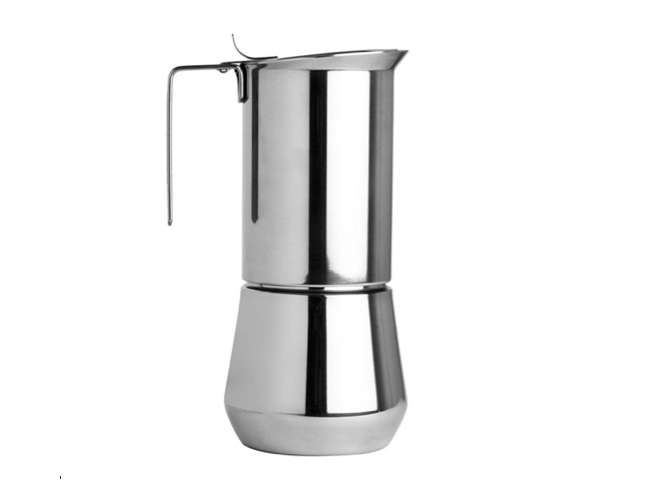

The Ilsa SS Stovetop Espresso Maker is the sort of coffee tool that looks sophisticated enough for a design magazine yet works with the mechanical simplicity of a tiny locomotive. Add water, add coffee, apply heat, and a few minutes later, concentrated coffee rises into the upper chamber with a cheerful gurgle. No touchscreen, no subscription pods, and no machine demanding a software update before breakfast.
Built around the traditional Italian moka-pot method, this stainless-steel coffee maker is designed for people who enjoy bold, espresso-like coffee without buying a full-size espresso machine. Its polished metal body, compact footprint, reusable filter basket, and straightforward brewing process make it attractive for apartments, offices, RVs, vacation homes, and kitchens where counter space is already occupied by an air fryer the size of a small ottoman.
What Is the Ilsa SS Stovetop Espresso Maker?
The Ilsa SS Stovetop Espresso Maker is a stainless-steel moka pot. It uses heat and vapor pressure to push hot water from a lower chamber through ground coffee and into an upper serving chamber. Although retailers commonly call this category a “stovetop espresso maker,” the result is technically not traditional espresso.
A commercial or home espresso machine generally extracts coffee at approximately nine bars of pressure. A moka pot operates at much lower pressure, usually around one to two bars. The coffee is therefore less concentrated than a conventional espresso shot but considerably stronger and fuller-bodied than standard drip coffee.
Three Simple Brewing Components
The basic design consists of three working sections:
- Lower boiler: Holds the brewing water and contains a safety-release valve.
- Filter basket: Holds the ground coffee without requiring a disposable paper filter.
- Upper collector: Receives the finished coffee as pressure moves it upward through the central column.
This arrangement has changed surprisingly little over the decades because it does not need to. The moka pot already solved the “strong coffee without complicated equipment” problem long before kitchen appliances began communicating with mobile phones.
Stainless-Steel Construction and Design
Ilsa produces several stainless-steel stovetop coffee makers, and exact details can vary by model and capacity. Current and historical versions have appeared in compact two- and three-cup sizes as well as larger configurations intended for several small servings. A frequently listed three-cup version holds approximately 190 milliliters, or about 6.5 fluid ounces.
Remember that a moka-pot “cup” is a small demitasse serving, not an eight-ounce American mug. A three-cup maker will not fill three breakfast mugs unless those mugs belong to a dollhouse.
Why Stainless Steel Matters
Many classic moka pots are made from aluminum, which heats rapidly and keeps the brewer lightweight. The Ilsa SS Stovetop Espresso Maker takes a different approach with a stainless-steel body. Stainless steel offers several practical advantages:
- It resists corrosion when properly cleaned and dried.
- It provides a polished, contemporary appearance.
- It is less likely to absorb odors or discolor than untreated aluminum.
- It can tolerate years of regular use when the gasket and filter are maintained.
- Some stainless-steel models are compatible with induction cooktops.
Stainless steel is heavier and may heat more slowly than aluminum, but that slower response can also make the brewing process easier to control. The material feels substantial in the hand, and its neutral silver finish fits both traditional and modern kitchens.
Do Not Assume Every Model Works on Induction
Stainless steel does not automatically guarantee induction compatibility. An induction range requires a magnetic base with enough surface area for the cooktop to detect it. Ilsa offers induction-ready models, but compatibility may differ according to the product line, size, and base construction.
Before purchasing, check the model description for an induction symbol or test the base with a magnet. Very small moka pots can also be difficult for certain induction zones to recognize, even when their metal is technically magnetic.
How the Ilsa Stovetop Espresso Maker Brews Coffee
As the water in the lower chamber heats, expanding vapor creates pressure. That pressure pushes the hot water upward through the coffee grounds. The extracted coffee then travels through the central spout and collects in the upper chamber.
The goal is to maintain enough heat for a smooth, controlled flow without allowing the pot to boil violently. Gentle brewing produces a sweeter and more balanced cup. Excessive heat turns the final stage into a sputtering coffee volcano and can exaggerate bitterness.
Step-by-Step Brewing Instructions
- Heat fresh water. Begin with hot water to shorten the time that the ground coffee sits over the burner.
- Fill the lower chamber. Pour water into the boiler, stopping below the safety valve. Never submerge or obstruct the valve.
- Insert the filter basket. Make sure the basket sits evenly inside the lower chamber.
- Add ground coffee. Fill the basket to the rim and level the surface gently. Do not tamp the grounds as you would for an espresso machine.
- Assemble the pot. Screw the upper and lower sections together firmly while using a towel to hold the hot base.
- Apply moderate heat. Position the maker over low to medium heat. On a gas stove, keep the flame beneath the base rather than letting it climb the sides.
- Watch the flow. Coffee should emerge in a controlled stream rather than exploding from the central column.
- Remove the pot early. Take it off the burner when the stream becomes pale or begins to sputter.
- Stop the extraction. Cooling the lower chamber briefly with a damp towel can prevent the remaining heat from over-extracting the coffee.
- Stir and serve. Give the coffee in the upper chamber a gentle stir before pouring so the stronger early extraction mixes with the lighter final portion.
Choosing the Right Coffee and Grind Size
The Ilsa SS Stovetop Espresso Maker performs best with a medium-fine grind. The particles should be finer than typical drip coffee but coarser than powdery espresso grounds. A texture similar to fine table salt or granulated sugar is a practical starting point.
Coffee that is too coarse can produce a thin, sour, underdeveloped drink. Grounds that are too fine may restrict water flow, create excessive bitterness, or cause aggressive sputtering. Tamping creates even more resistance and should be avoided.
Roast Selection
Medium and medium-dark roasts are especially forgiving in a moka pot. Coffees with chocolate, caramel, toasted nut, brown sugar, or dried-fruit notes tend to produce a rich and comforting cup. Dark roasts create the traditional bold profile many moka-pot drinkers expect, although very oily or heavily roasted beans can become smoky when brewed too hot.
Light-roasted specialty coffees can work, but they require more experimentation. Their acidity may taste sharper under moka-pot extraction, particularly when the grind is too coarse or the brew is stopped too late.
Use Fresh, Consistent Grounds
A burr grinder is preferable because it produces more uniform particles than a blade grinder. Grind immediately before brewing whenever possible. Fresh coffee delivers stronger aromas, greater sweetness, and a more distinct flavor than beans that have been sitting ground in an open bag since the previous presidential administration.
Flavor and Drink Options
The Ilsa stovetop coffee maker produces a concentrated beverage with a heavier body than pour-over coffee and less pressure-generated intensity than espresso. The texture may include fine suspended solids, while the flavor tends to emphasize roasted, chocolatey, and caramelized qualities.
Drink It Straight
Serve a small portion in a preheated demitasse cup. This is the simplest way to appreciate the coffee’s density and aroma. A small amount of sugar can soften bitterness without turning breakfast into dessert.
Make a Moka Americano
Add hot water to the brewed coffee for a longer, milder drink. Start with equal parts coffee and water, then adjust according to taste. This preserves the moka pot’s full body while reducing its intensity.
Prepare a Homemade Latte
Combine one part moka coffee with two or three parts warmed milk. A handheld frother can add café-style foam without requiring a steam wand. Oat milk also pairs well with the coffee’s toasted flavors.
Create an Iced Coffee
Let the concentrated coffee cool briefly, then pour it over a glass containing ice and cold milk or water. Because moka coffee is strong, it survives dilution better than ordinary drip coffee. For less melting, use coffee ice cubes and officially become the most prepared person in the neighborhood.
Turn It Into an Affogato
Pour a small serving over vanilla gelato or ice cream. The hot, bitter coffee and cold, sweet dessert create a combination that feels elegant despite requiring roughly thirty seconds of culinary skill.
Cleaning and Maintenance
Regular cleaning prevents old coffee oils from producing stale or rancid flavors. Let the brewer cool before disassembling it, remove the used grounds, and rinse the individual components with warm water.
Clean These Areas Carefully
- Rinse the filter basket and make sure its holes remain unobstructed.
- Inspect the underside of the upper filter plate for trapped grounds.
- Wipe the gasket and the rim where the upper and lower chambers seal.
- Check the safety valve for residue without inserting sharp objects into it.
- Dry all components thoroughly before reassembling or storing the pot.
Although some stainless-steel moka makers are advertised as dishwasher-safe, handwashing is generally the safest routine for protecting the finish, gasket, handle, and small internal components. Follow the instructions supplied with the exact Ilsa model rather than assuming every stainless-steel version has identical care requirements.
Replace the Gasket When Necessary
The gasket creates the seal that allows pressure to build. Replace it if it becomes hard, cracked, permanently flattened, or unable to prevent steam from escaping around the joint. A clean pot with a tired gasket may still brew poorly, much like a luxury car attempting to run on a square tire.
Descale the Water Chamber
Hard water can leave mineral deposits inside the boiler. Occasional descaling with a manufacturer-approved method helps maintain clean heating surfaces and reliable flow. Rinse thoroughly afterward so the next batch tastes like coffee rather than a science-fair volcano.
Advantages and Potential Drawbacks
Reasons to Consider the Ilsa SS Moka Pot
- Durable construction: Stainless steel is suitable for frequent use and resists everyday wear.
- Compact size: The maker occupies little cabinet or counter space.
- No disposable pods: Coffee grounds are the primary recurring expense.
- No paper filters: The reusable metal basket reduces waste and preserves coffee oils.
- Strong coffee: It creates a concentrated base for milk drinks, iced beverages, and desserts.
- Simple mechanics: There are no pumps, electronic controls, or complicated programming menus.
- Attractive appearance: The polished body can move directly from the stove to the table.
Possible Limitations
- It cannot produce true café-style espresso pressure or a consistent layer of crema.
- The exterior becomes hot during brewing.
- Heat control requires more attention than pressing a button on an automatic machine.
- Each size is designed to brew close to its stated capacity rather than arbitrary partial batches.
- Cooktop compatibility varies among models.
- Replacement gaskets and filters must match the specific diameter and capacity.
How to Select the Correct Size
Choose capacity according to how much concentrated coffee you actually drink, not according to the number printed on your collection of oversized mugs. A small model suits one person who drinks a short, strong serving. A larger maker is more convenient for couples, milk-based beverages, or entertaining.
Moka pots generally perform best when the basket and boiler are filled to their intended levels. Buying a very large version for occasional single servings can lead to inconsistent results because these brewers are not designed like adjustable drip machines.
Questions to Ask Before Buying
- How many fluid ounces does the model produce?
- Is its base compatible with gas, electric, ceramic, or induction heat?
- Is the base wide enough for the smallest burner or induction zone?
- Are replacement gaskets and filters available?
- Does the handle provide enough clearance from the cooktop?
- Is the interior easy to inspect and clean?
Troubleshooting Common Brewing Problems
The Coffee Tastes Burnt
Use hot water in the lower chamber, reduce the burner setting, and remove the pot before the final violent sputter. A slightly coarser grind or lighter roast may also help.
The Coffee Tastes Weak or Sour
Try a finer grind, fresher beans, or a fuller basket. Make sure the upper and lower chambers are tightly sealed and that water is not escaping around the gasket.
Steam Leaks From the Center Joint
Remove the pot from the burner. After it cools, clean the rim and gasket, check for trapped grounds, and inspect the gasket for wear. Never attempt to tighten a hot, pressurized brewer with bare hands.
Coffee Sputters Immediately
The heat may be too high, the grind may be too fine, or the filter may be blocked. Lower the temperature and confirm that the central tube, basket, and upper screen are clean.
The Induction Cooktop Does Not Detect the Pot
Verify that the exact model is induction-compatible. The base may be too small for the cooking zone, even if it is magnetic. An induction adapter plate may work, but it adds another heated component and slows responsiveness.
Everyday Experience With the Ilsa SS Stovetop Espresso Maker
Living with an Ilsa stainless-steel moka pot is less like operating an appliance and more like learning a short morning ritual. The first brew may involve cautious staring, unnecessary lid lifting, and the mild suspicion that pressure-based coffee equipment should have come with protective goggles. After several attempts, the routine becomes almost automatic.
The day usually begins by heating a small amount of water in a kettle. While the water heats, coffee is measured and ground to a medium-fine texture. Filling the basket takes only a few seconds, but resisting the temptation to tamp it can require surprising self-discipline for anyone accustomed to watching baristas compress espresso grounds.
Once assembled, the Ilsa takes up little room on the burner. Its stainless-steel body feels more substantial than a lightweight aluminum pot, and the polished exterior looks appropriate in a carefully designed kitchen. It also looks perfectly at home beside yesterday’s unopened mail and a bowl containing one increasingly philosophical banana.
The brewing sound becomes the most useful indicator. At first, there is silence. Then comes a soft movement of liquid, followed by a steady stream entering the upper chamber. This is the moment to stay nearby. The transition from smooth flow to noisy sputtering happens quickly, and removing the maker at the right time has a noticeable effect on sweetness and bitterness.
For a weekday breakfast, the finished coffee works well with an equal amount of hot water. It remains stronger and heavier than drip coffee but becomes comfortable enough to sip from a regular cup. On weekends, the same brew can be combined with foamed milk for a compact homemade latte. The moka pot cannot reproduce the exact texture of a café espresso shot, but it delivers enough intensity to keep the milk from dominating the drink.
Cleanup is simple when handled immediately. Once the pot is cool, the basket can be emptied into a compost container or trash can. The sections rinse quickly, although grounds occasionally hide around the gasket or beneath the upper filter. Leaving the pieces separated until completely dry helps prevent trapped moisture and unpleasant odors.
The Ilsa is also useful when kitchen space is limited. It requires no permanent counter location, electrical outlet, water reservoir, capsule drawer, or collection of mysterious cleaning tablets. After drying, it can fit inside a modest cabinet. That makes it practical for studio apartments, guest rooms, RVs, and cabins.
For travel, the stainless-steel construction inspires more confidence than fragile glass brewing equipment. A moka pot, hand grinder, bag of beans, and heat source can create a complete coffee setup without much luggage space. It is especially satisfying in a rental kitchen where the only other coffee option is a machine containing an unidentified pod left by someone named Greg in 2019.
Hosting reveals the importance of choosing the right capacity. A small Ilsa is excellent for one or two concentrated servings but can become tedious when six guests suddenly request lattes. A larger model provides more flexibility, although moka-pot cup measurements remain much smaller than ordinary American coffee portions.
The most noticeable long-term benefit is consistency. Once the preferred bean, grind setting, water level, and burner position have been identified, the same method can be repeated with minimal adjustment. The brewer rewards attention without demanding professional training.
There are minor inconveniences. The steel body becomes hot, the handle must be kept away from an open flame, and the pot cannot be abandoned on the burner while its owner checks email, waters plants, and reorganizes the refrigerator. The gasket will eventually need replacement, and induction users must confirm compatibility before buying.
Those limitations are balanced by durability and simplicity. The Ilsa SS Stovetop Espresso Maker can deliver years of strong coffee without pumps, electronics, disposable capsules, or complicated maintenance. It makes the user participate just enough to feel accomplished, but not enough to require an apron embroidered with the words “Head Barista.”
For coffee drinkers who value a compact design, reusable components, and a rich moka-style cup, the everyday experience is satisfying. The process is tactile, the results are versatile, and the gentle bubbling at the end provides a more charming morning notification than any smartphone alarm.
Final Verdict
The Ilsa SS Stovetop Espresso Maker combines Italian-style moka brewing with the durability and clean appearance of stainless steel. It is a strong choice for anyone who wants concentrated coffee without the price, maintenance, or countertop commitment of a conventional espresso machine.
Its greatest strengths are simplicity, compactness, reusable construction, and versatility. With fresh coffee, a medium-fine grind, moderate heat, and timely removal from the stove, it can produce a rich cup suitable for drinking straight or transforming into Americanos, lattes, iced coffee, and affogatos.
It will not replace a professional espresso machine for drinkers who demand nine-bar extraction and dense crema. For everyone else, it offers something arguably more practical: flavorful coffee, a satisfying ritual, and no blinking control panel asking you to consult page 47 of the troubleshooting manual.