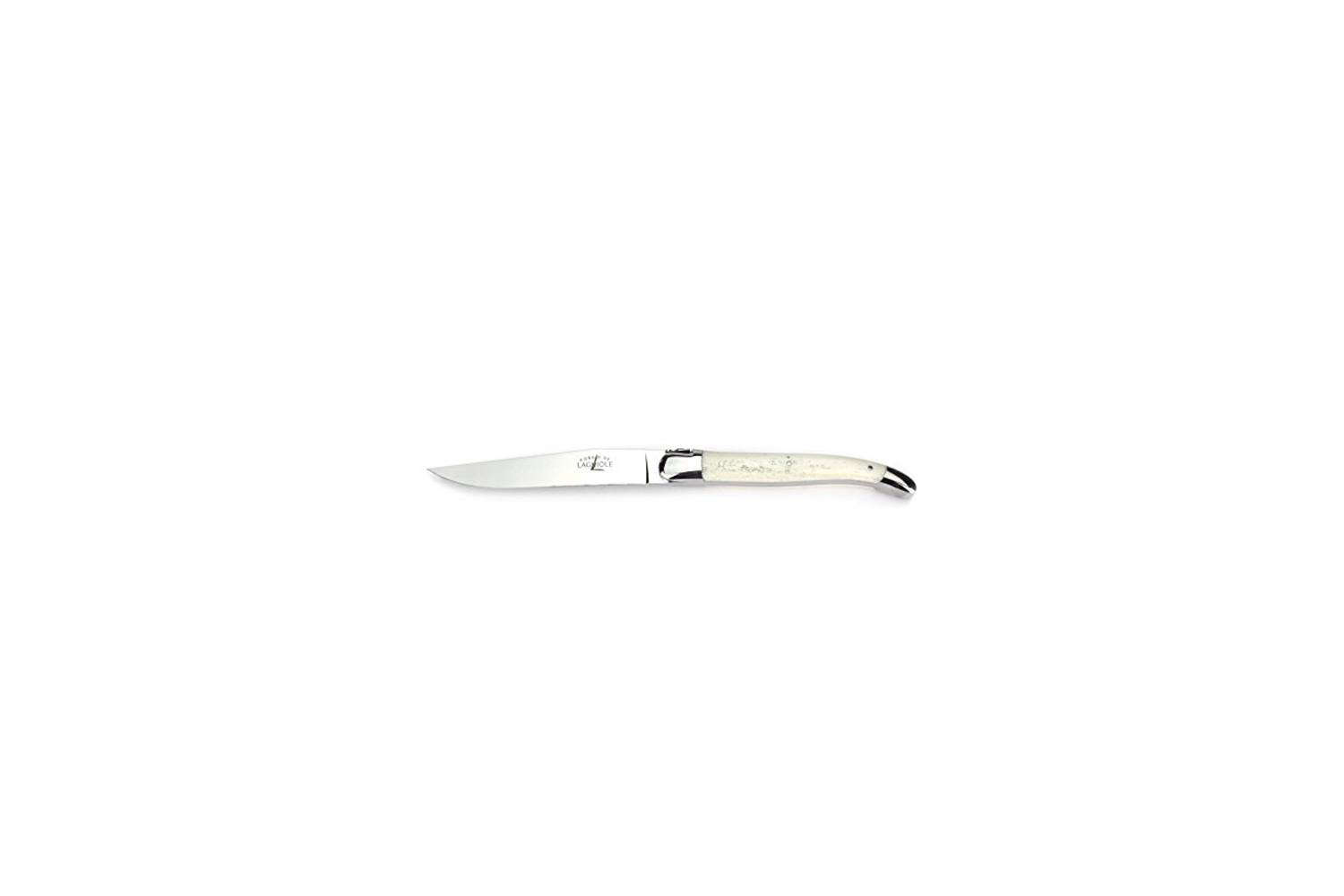

A great steak knife is one of those dining-table heroes that rarely gets applause until it fails. When it glides through a ribeye, nobody says much. When it saws, shreds, slips, or turns a beautiful medium-rare strip into something that looks like it lost a fight with a lawn mower, suddenly everyone notices. Steak knives may look simple, but the best ones combine sharp steel, smart balance, comfortable handles, and enough table presence to make dinner feel a little more intentional.
Whether you are serving a backyard grilled sirloin, a holiday roast, pork chops, seared portobello mushrooms, or thick slices of crusty artisan bread in a pinch, steak knives matter. They are part tool, part tableware, and part tiny performance review of your kitchen standards. The good news is that choosing the right steak knives does not require a culinary degree, a blacksmithing apprenticeship, or whispering respectfully to German steel. You just need to understand the basics: blade edge, construction, handle comfort, maintenance, and how the knives will actually be used in your home.
What Are Steak Knives?
Steak knives are small, sharp table knives designed to cut cooked meat cleanly at the plate. Unlike chef’s knives, which are used on cutting boards, steak knives live at the dining table. Their job is not to break down a chicken or dice onions. Their job is to help you slice each bite without crushing, tearing, or requiring the kind of upper-body effort normally reserved for opening stuck pickle jars.
Most steak knives have blades around 4 to 5 inches long, though designs vary. Some are sleek and modern, some are rustic and wood-handled, and some have that classic steakhouse look that instantly makes you want a baked potato the size of a football. The best steak knife feels natural in the hand, cuts with little pressure, and looks appropriate beside your fork, plate, and glassware.
Serrated vs. Straight-Edge Steak Knives
The biggest debate in steak knives is simple: serrated or straight edge? This is the dinner-table version of “tabs or spaces” for cutlery people. Both styles can work well, but they create different cutting experiences.
Serrated Steak Knives
Serrated steak knives have tiny teeth along the blade. These teeth help grip the surface of meat and cut with a gentle sawing motion. Serrated knives are popular because they stay functionally sharp for a long time. Since the recessed parts of the edge do not hit the plate as directly, they tend to dull more slowly in everyday use.
For casual households, serrated steak knives are practical. They are forgiving, low-maintenance, and useful for more than steak. They can handle grilled sausages, chops, chicken, roasted vegetables, tomatoes, sandwiches, and even dinner rolls. The tradeoff is that serrated blades can leave a slightly rougher cut, especially on tender meat. They are also harder to sharpen at home unless you have the right tapered rod or send them to a professional.
Straight-Edge Steak Knives
Straight-edge steak knives have a smooth, plain cutting edge. When sharp, they slice beautifully. Instead of sawing through meat, they glide through it, leaving clean surfaces and preserving texture. If you care about presentation, tenderness, and that satisfying “one smooth pull” feeling, straight-edge steak knives are hard to beat.
The downside is maintenance. A straight edge will dull faster when used on ceramic plates, because the blade makes direct contact with a hard surface. These knives need occasional sharpening to perform their best. For people who already sharpen kitchen knives or do not mind basic upkeep, straight-edge steak knives offer a more refined dining experience. For people who think “sharpening” means angrily dragging a knife through a mystery gadget from the back of a drawer, serrated may be less stressful.
Which Blade Style Is Best?
The best steak knife edge depends on your priorities. Choose serrated steak knives if you want long-lasting sharpness, easy everyday use, and minimal maintenance. Choose straight-edge steak knives if you want the cleanest cut, a premium feel, and are willing to sharpen them occasionally.
There is also a middle ground: micro-serrated or fine-serrated steak knives. These have smaller teeth than traditional serrations and often feel smoother while still holding their bite. They can be useful for families that want convenience without the aggressive sawing action of heavily serrated blades.
Forged vs. Stamped Steak Knives
Another important factor is how the knife is made. Forged knives are typically shaped from a single piece of steel and often have a heavier, more substantial feel. They may include a bolster, which is the thicker transition area between blade and handle. Many premium steak knives are forged because the construction feels sturdy, balanced, and long-lasting.
Stamped knives are cut from a sheet of steel. They are usually lighter and often less expensive. That does not automatically make them bad. A well-designed stamped steak knife can be sharp, comfortable, and perfectly dependable for home use. The key is not to judge by the label alone. A clumsy forged knife is still clumsy. A well-made stamped knife can outperform a fancy-looking knife that feels like it was designed by someone who has only heard rumors about hands.
Full Tang, Partial Tang, and Why It Matters
The tang is the part of the blade steel that extends into the handle. A full-tang steak knife has steel running through the length of the handle, often visible between handle scales and secured with rivets. Full tang construction usually improves strength and balance. It also gives the knife a reassuring, durable feel.
Partial-tang knives can still work well, especially for light dining use, but they may not feel as solid. If you want steak knives that last for years of family dinners, holiday meals, and enthusiastic guests who cut as if the steak owes them money, full tang construction is a smart feature to look for.
Blade Materials: Stainless Steel, High-Carbon Steel, and More
Most modern steak knives are made from stainless steel or high-carbon stainless steel. Stainless steel resists rust and staining better than carbon steel, making it a practical choice for table knives. High-carbon stainless steel often aims to combine better edge retention with corrosion resistance, which is why it appears in many quality kitchen knives and steak knife sets.
Carbon steel can get extremely sharp, but it requires more care because it rusts more easily. For steak knives, carbon steel is less common and usually appeals to enthusiasts who enjoy maintenance. For most homes, stainless or high-carbon stainless steel is the safer, easier choice.
Handle Materials and Comfort
A steak knife handle should feel secure, comfortable, and natural. Common materials include wood, pakkawood, polymer, stainless steel, resin, and composite materials. Wood offers warmth and classic style but usually requires hand washing. Polymer and synthetic handles are often more affordable and easier to maintain. Stainless steel handles can look sleek and modern, though some become slippery if greasy.
Comfort matters more than many buyers realize. If the handle is too thin, too heavy, too angular, or poorly balanced, the knife becomes annoying. A steak dinner should not feel like a grip-strength test. Look for handles with smooth edges, a shape that supports the fingers, and enough weight to feel controlled without being bulky.
How Many Steak Knives Do You Need?
Most steak knife sets come in four, six, eight, or twelve pieces. A four-piece set works for couples or small households. Six is a practical everyday number for families. Eight is ideal if you entertain occasionally. Twelve makes sense if you host holidays or like the comforting feeling of being prepared for a surprise dinner party, even though your guests will probably just bring chips.
If you already own a matching flatware set, consider whether you want your steak knives to blend in or stand out. Some people prefer classic black or wood handles for a steakhouse look. Others like modern all-metal designs that match contemporary table settings. There is no wrong answer, unless the knives are dull. Dull is always wrong.
What Makes a Good Steak Knife?
A good steak knife should cut cleanly with minimal pressure. It should feel balanced in the hand, not blade-heavy or handle-heavy. The handle should be comfortable for different hand sizes. The blade should be thin enough to slice efficiently but strong enough to handle repeated table use. The knife should also be easy to clean and store safely.
When evaluating steak knives, pay attention to these details:
- Sharpness: The knife should cut meat cleanly without tearing.
- Balance: It should feel stable, not awkward or wobbly.
- Edge style: Serrated is lower maintenance; straight edge cuts cleaner.
- Handle comfort: A beautiful knife is useless if it feels bad in your hand.
- Durability: Look for quality steel, solid construction, and secure handles.
- Care requirements: Some knives tolerate dishwashers better, but hand washing is still best for longevity.
Are Expensive Steak Knives Worth It?
Expensive steak knives can be worth it if you value performance, design, and long-term durability. Premium sets often use better steel, more refined handles, stronger construction, and sharper factory edges. They may also look stunning on the table. A well-made set can last for many years if properly cared for.
However, you do not need to spend luxury-car-payment money to enjoy steak. Many midrange steak knives perform very well. The smartest approach is to buy based on how often you cook steak or other cut-friendly foods, how much maintenance you are willing to do, and whether table presentation matters to you. If you eat steak twice a year, a practical serrated set may be enough. If you host dinner often or care deeply about the dining experience, investing in better knives makes sense.
Steak Knives for Different Types of Users
For Everyday Families
Choose durable serrated steak knives with comfortable, low-maintenance handles. They should be easy to wash, resistant to rust, and not so precious that you panic when someone uses one to cut a grilled cheese sandwich.
For Steak Enthusiasts
Consider straight-edge steak knives made from quality high-carbon stainless steel. The cleaner slicing action helps preserve the texture and juices of a well-cooked steak. Just remember that sharpening is part of the relationship.
For Entertainers
Look for knives that balance beauty and performance. Wood handles, polished bolsters, or elegant modern silhouettes can elevate the table. If guests regularly come over for dinner, an eight-piece set is usually the sweet spot.
For Low-Maintenance Homes
Fine-serrated stainless steel steak knives are practical. Choose handles that resist moisture and avoid delicate materials like natural horn or unfinished wood. Even then, hand washing will help keep them looking better longer.
How to Care for Steak Knives
The best way to care for steak knives is to wash them by hand with warm water, mild soap, and a soft sponge. Dry them immediately with a towel. This simple habit prevents water spots, rust, handle damage, and edge dulling. It also keeps the knives from clattering around in the dishwasher like tiny medieval weapons in a thunderstorm.
Dishwashers are convenient, but they are rough on quality knives. Heat, harsh detergent, moisture, and contact with other utensils can dull edges, loosen handles, and encourage corrosion. Some manufacturers label certain steak knives as dishwasher-safe, especially all-metal or synthetic-handled designs. Even then, dishwasher-safe does not always mean dishwasher-loving. If you want the knives to last, hand washing is the better move.
How to Store Steak Knives Safely
Do not toss steak knives loose into a drawer. That dulls the edges and creates a dramatic little hazard for anyone reaching in before coffee. Use a knife block, in-drawer tray, blade guards, or the original storage box. Proper storage protects both the knives and the people who live with them.
If your set comes with a wooden presentation box, keep it. It helps prevent blade damage and makes the knives easier to bring out for special meals. For daily-use knives, an in-drawer organizer is usually more convenient.
Can You Sharpen Steak Knives?
Straight-edge steak knives can be sharpened with a whetstone, pull-through sharpener, or professional service, depending on the blade and your skill level. A honing rod can help maintain alignment between sharpenings, though honing does not replace sharpening.
Serrated steak knives are more difficult. They require a tapered ceramic or diamond rod that fits the serrations. Many people simply use serrated knives until they become too dull, then replace them or have them professionally sharpened. This is one reason serrated steak knives are popular: they keep working acceptably for a long time without much attention.
Common Mistakes When Buying Steak Knives
The first mistake is buying only for looks. A dramatic handle and shiny blade are nice, but if the knife feels uncomfortable or cuts poorly, it becomes table jewelry with an attitude problem. The second mistake is assuming heavier always means better. Weight can signal sturdiness, but too much weight makes a steak knife feel clunky.
The third mistake is ignoring maintenance. If you know you will never sharpen your knives, do not buy a delicate straight-edge set and expect miracles. If you hate hand washing, avoid wood handles and ornate materials. The best steak knives are not just the “best” in a review; they are the best match for your habits.
Specific Examples of Popular Steak Knife Styles
Classic German-style steak knives often feel sturdy, balanced, and traditional. They are a good fit for people who like substantial handles and durable construction. Japanese-inspired steak knives may use thinner blades and sharper edges, giving them a refined slicing feel. French Laguiole-style knives are known for graceful shapes and elegant handles, making them popular for entertaining. Modern American table knives often focus on clean lines, colorful handles, and casual versatility.
In testing-focused kitchen publications, well-known names such as Wüsthof, Messermeister, Miyabi, Lamson, Victorinox, and Material often appear because they represent different strengths: premium construction, value, sharpness, design, or everyday practicality. The main lesson is not that one brand rules them all. It is that the best steak knives combine sharpness, comfort, balance, and care requirements that fit real life.
Steak Knives Beyond Steak
Despite the name, steak knives are not only for steak. They are excellent for pork chops, grilled chicken, roasted vegetables, stuffed peppers, sausages, sandwiches, and hearty salads with large ingredients. Serrated versions can help with tomatoes and crusty rolls. Straight-edge versions can slice cooked proteins cleanly and make plated meals look more polished.
That said, steak knives should not replace chef’s knives. Do not use them for chopping onions, splitting squash, or hacking through bones. A steak knife is a dining tool, not a tiny machete with social manners.
Experience Notes: What Living With Steak Knives Teaches You
After using different steak knives in everyday meals, special dinners, and those chaotic family gatherings where someone always asks for ketchup five seconds after you proudly serve a perfectly seasoned steak, one lesson becomes clear: the best steak knife is the one people do not complain about. It sounds simple, but it is true. A good steak knife disappears into the meal. It does not demand attention. It does not skid across the plate. It does not require a second person to hold the meat steady. It simply cuts.
Serrated knives are the reliable minivans of the steak knife world. They may not be glamorous, but they show up, do the job, and do not ask for much. In a busy household, that matters. If kids, guests, or enthusiastic relatives are using the knives, serrated blades are forgiving. They can deal with overcooked meat, crusty bread, thick sandwiches, and the occasional mystery item from the grill. They are not always elegant, but they are dependable.
Straight-edge steak knives feel different. When they are sharp, dinner becomes smoother and more refined. A properly cooked steak slices cleanly, and the plate looks better because the meat is not shredded. The experience feels closer to a restaurant. The catch is that straight-edge knives expose your maintenance habits. If you never sharpen them, they slowly turn from elegant tools into shiny butter knives with ambition.
Handle comfort becomes more important over time. A knife that looks impressive in a product photo can feel annoying after five minutes at the table. Handles that are too square can dig into the palm. Handles that are too slim may feel insecure. Slick metal handles can become slippery if the meal involves butter, sauce, or ribs. The best handles are boring in the best possible way: smooth, stable, and easy to grip.
Storage also changes the experience. A set kept in a proper block or tray feels ready for dinner. A set thrown into a drawer becomes dull faster and slightly terrifying to retrieve. Good storage makes steak knives feel less like random utensils and more like part of the meal ritual.
The final experience-based truth is that steak knives influence how guests perceive a meal. They may not say, “Wonderful blade geometry tonight,” because thankfully most people are normal. But they will notice when a knife cuts cleanly. They will notice when the table looks complete. A sharp, comfortable steak knife makes dinner feel cared for. And in the end, that is what good tableware does: it quietly tells people they were worth preparing for.
Conclusion
Steak knives are small tools with a big impact on the dining experience. The right set can make steak, chops, chicken, vegetables, and hearty meals easier and more enjoyable to eat. Serrated steak knives offer durability and low maintenance, while straight-edge knives deliver cleaner, smoother cuts for people willing to sharpen them. Construction, steel quality, handle comfort, storage, and care all matter.
If you want practical everyday performance, choose comfortable serrated stainless steel knives. If you want a more refined, steakhouse-worthy experience, consider straight-edge high-carbon stainless steel knives with full tang construction. Either way, wash them by hand, dry them promptly, store them safely, and never underestimate the joy of a knife that simply works.