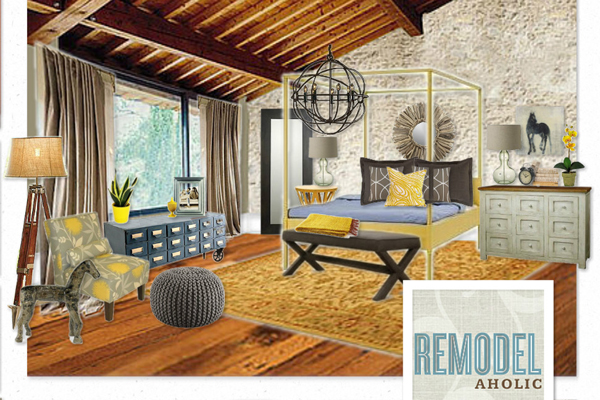

Some design ideas arrive with fireworks. Others arrive quietly, holding a paint swatch, a sofa photo, and a suspiciously perfect throw pillow. The “GOOD MOOD (board)” idea belongs to the second group: simple, visual, practical, and weirdly addictive once you start playing with it. Originally tied to the home-decor blogging era when mood boards, blog hops, and tools like Olioboard helped everyday decorators test room ideas before buying anything, the concept still feels surprisingly useful today.
This GOOD MOOD (board) review looks at what made the idea charming, where it still works, where it feels dated, and how modern homeowners, renters, DIY decorators, bloggers, and interior design beginners can use the same approach with newer tools. Spoiler: the best part is not the software. It is the discipline of seeing your ideas together before your credit card starts doing cardio.
What Is the GOOD MOOD (board)?
The GOOD MOOD (board) concept is essentially a cheerful, home-design mood board built around inspiration, furniture, color, texture, and room-planning ideas. In the original Remodelaholic context, it appeared as part of a collaborative mood-board event that invited bloggers and readers to create bedroom design boards, share them, and inspire one another. The post encouraged readers to visit Olioboard, create a board of their own, and join the conversation.
At its heart, the GOOD MOOD (board) is not just a collage. It is a visual decision-making tool. Instead of saying, “I want a cozy bedroom,” you show the cozy bedroom: soft textiles, warm lighting, muted wall colors, a wood nightstand, maybe a patterned rug that says “I have personality” without shouting across the hallway. A good mood board turns vague taste into something you can actually evaluate.
Why Mood Boards Still Matter
In a world full of saved Instagram posts, Pinterest rabbit holes, shopping carts, and “I’ll just buy this and hope it works” decisions, a mood board acts like a referee. It gathers your favorite ideas in one place and forces them to stand next to each other. Sometimes they become best friends. Sometimes the velvet chair and the farmhouse sign get into a silent argument. Either way, you learn before you spend.
Modern mood board guidance from design platforms and UX experts tends to agree on a few essentials: define the goal, collect inspiration, arrange visuals with intention, add context, and invite feedback. That process is exactly why the GOOD MOOD (board) idea still has legs. Whether you are decorating a guest room, refreshing a living room, planning a nursery, or building a brand aesthetic, the board helps you communicate tone, color, style, and emotional direction.
GOOD MOOD (board) Review: First Impressions
The first impression is friendly. The name itself feels playful, which matters. Interior design can become intimidating fast, especially when professionals start tossing around terms like “negative space,” “sightline,” and “materiality” while you are simply trying to decide whether beige has betrayed you. GOOD MOOD (board) lowers the pressure. It says: collect pretty things, arrange them, learn from them, and have fun.
That approach is especially helpful for beginners. Instead of starting with measurements, construction plans, or full 3D renderings, the board starts with feeling. Do you want calm? Bright? Vintage? Coastal? Collected? Moody? Minimal? Once the mood is visible, the practical choices become easier. You can choose paint, textiles, lighting, and furniture with a clearer filter.
The Original Olioboard Connection
Olioboard was once a popular online interior design mood board tool that let users create 2D and 3D room-style boards using product images and design elements. It was loved by many DIY decorators because it made room planning feel accessible. You did not need Photoshop skills, a design degree, or the patience of a monk. You could drag, drop, layer, and experiment.
Today, the digital mood board landscape has changed. Olioboard is no longer the central name it once was, and many designers now use tools such as DesignFiles, Canva, Milanote, Miro, Morpholio Board, Houzz Pro, Planner 5D, Figma/FigJam, and other visual planning platforms. But the old Olioboard spirit still matters: take real products, arrange them visually, and test whether the room makes sense before buying the lamp that looked elegant online but somehow screams “hotel hallway” in your house.
Best Features of the GOOD MOOD (board) Approach
1. It Makes Abstract Taste Visible
Most people know what they like when they see it, but describing it is harder. “Warm modern with vintage charm but not grandma’s attic” is a valid sentence, but it may not help your spouse, contractor, or future self. A mood board solves that. It turns abstract taste into a visual reference.
2. It Helps Prevent Expensive Mistakes
A mood board can reveal problems early. Maybe your dream rug clashes with your wall color. Maybe the brass lamp, oak dresser, black bed frame, blue curtains, and green chair all look great separately but chaotic together. Better to discover that on a screen than after delivery day, when the boxes are already in your living room and your optimism has left the building.
3. It Encourages Editing
Good design is not only about adding. It is also about removing. A GOOD MOOD board invites you to refine. You can delete the extra pattern, swap the pillow, simplify the palette, or separate ideas into different boards. That editing process is where the design becomes stronger.
4. It Works for Many Skill Levels
Beginners can use a board to understand their own style. Bloggers can use it to present design inspiration. Professional designers can use boards to align with clients. Renters can use them to plan non-permanent updates. Even commitment-phobes can use one to test-drive a look without marrying a sofa.
Where the GOOD MOOD (board) Idea Feels Dated
The concept is still strong, but the original online mood board era had limitations. Early tools often depended on limited product libraries, lower-resolution images, clunky interfaces, or browser features that feel ancient compared with today’s drag-and-drop apps. Some boards also leaned heavily into product collage rather than complete spatial planning.
That matters because a mood board is not a floor plan. It will not tell you whether a king bed blocks the closet door or whether your coffee table leaves enough walking space. It can show style harmony, but it cannot replace measuring. This is where modern users should combine the GOOD MOOD board approach with practical tools: room dimensions, budget tracking, product links, sample testing, and maybe a floor planner if furniture placement matters.
How to Create a GOOD MOOD Board Today
Step 1: Define the Room Goal
Before collecting images, write one clear sentence: “I want a calm, warm, hotel-inspired bedroom with natural textures and soft lighting.” Or: “I want a colorful kid’s room that feels playful but not like a crayon box exploded.” This goal keeps the board focused.
Step 2: Choose Three to Five Style Words
Use words like cozy, tailored, airy, earthy, vintage, coastal, dramatic, cheerful, refined, relaxed, or modern. These words become your filter. If an item does not match the words, it may belong on another board.
Step 3: Collect Inspiration Broadly
Gather room photos, furniture images, fabric textures, paint colors, flooring ideas, lighting references, art, and even non-interior images. A beach photo might inspire a palette. A ceramic mug might inspire a bathroom. A vintage jacket might inspire a color combination. Design inspiration is sneaky like that.
Step 4: Add Real Products
After the mood is clear, add real furniture and decor options. Include the bed, rug, lamps, curtains, art, dresser, nightstand, and accessories. If you are working on a kitchen or bathroom, add hardware, tile, counters, cabinet colors, and fixtures. Real products make the board actionable.
Step 5: Edit Ruthlessly
Remove anything that does not support the final direction. This is the hard part because everything you saved is probably adorable. Be brave. A mood board should not look like your browser history had a yard sale.
GOOD MOOD (board) for Bedrooms
The bedroom is one of the best places to use this method because mood matters so much. A bedroom is not only a furniture arrangement. It is a feeling you step into at night and wake up inside every morning. For a restful bedroom board, start with colors and textures: linen bedding, warm wood, soft rugs, layered lighting, and calming wall tones.
A practical bedroom GOOD MOOD board might include a muted sage wall color, a natural oak bed, ivory bedding, a woven bench, matte black sconces, and abstract landscape art. Place the largest visual items first, then layer smaller accents around them. If one accent suddenly looks too loud, it probably is. The board is doing its job.
GOOD MOOD (board) for Living Rooms
Living rooms are trickier because they carry more jobs: relaxing, hosting, watching TV, reading, working, snacking, and pretending you do not see the laundry basket in the corner. A GOOD MOOD board helps establish a consistent style before you start mixing furniture pieces.
For example, a warm modern living room board might include a low-profile neutral sofa, walnut coffee table, textured cream rug, black metal floor lamp, rust-colored pillows, and large-scale art. Seeing these items together helps you avoid the “everything is nice but nothing belongs together” problem.
GOOD MOOD (board) for Renters
Renters can benefit enormously from mood boards because they need style without permanent renovation. A renter-friendly board might focus on peel-and-stick wallpaper, plug-in sconces, area rugs, removable hooks, curtains, freestanding shelves, and art. The board keeps the plan realistic.
This is where budget belongs directly on the board. Add prices or notes beside items. A beautiful design that ignores your wallet is not a plan; it is a decorative fairy tale. A strong board balances inspiration with reality.
Design Quality: What Makes a GOOD MOOD Board Actually Good?
A strong board has hierarchy. The most important items should be easy to identify. If the sofa is the anchor, make it visually prominent. If the color palette is the star, show swatches clearly. If texture drives the look, include close-up material images.
It should also have breathing room. White space is not wasted space; it helps the eye understand relationships. Crowding thirty tiny images into a board may feel productive, but it can turn into visual soup. Delicious soup, perhaps, but still soup.
Finally, the board should tell a story. It should answer: What does this room feel like? Who lives here? What should someone notice first? What colors repeat? What textures support the mood? What is intentionally excluded?
Pros and Cons of the GOOD MOOD (board) Concept
Pros
The biggest advantage is clarity. A GOOD MOOD board helps organize ideas, compare options, and communicate a design direction. It is affordable, beginner-friendly, and flexible. It also makes collaboration easier because everyone can react to the same visual plan instead of guessing what “cozy but crisp” means.
Cons
The main drawback is that a mood board can create false confidence if it is not paired with measurements, samples, and budgeting. Colors on screens vary. Furniture scale can be misleading. A rug that looks perfect in a collage may be too small in the actual room. The board is a starting point, not the entire design process.
Who Should Use a GOOD MOOD Board?
This approach is ideal for DIY decorators, first-time homeowners, renters, bloggers, content creators, small design studios, and anyone who wants to make better visual decisions. It is especially useful for people who love many styles at once. If your taste includes coastal, cottage, modern, vintage, and “whatever Nancy Meyers would do,” a board helps you sort the romance from the chaos.
It is also useful before shopping. Build the board first, then shop from the board. This keeps impulse buys from taking over the project. A mood board is basically a polite little bouncer standing outside your home saying, “Sorry, random neon side table, you are not on the list.”
Modern Alternatives to the Original Tool
Canva is excellent for quick, attractive boards with templates and easy editing. Milanote is helpful for free-form creative planning and collecting references. Miro works well for collaboration and large visual workspaces. DesignFiles and Houzz Pro are stronger for interior designers who need product sourcing, client presentations, and business workflow features. Morpholio Board is a favorite among iPad users who want a polished visual design app. Planner 5D adds more interior-focused features for users who want mood boards alongside room planning.
The best tool depends on your goal. If you want a simple personal board, use Canva or Milanote. If you want team feedback, try Miro or FigJam. If you are running design projects professionally, look at DesignFiles, Houzz Pro, or Morpholio Board. If you want to connect mood with room visualization, try Planner 5D or another floor-planning tool.
Final Verdict: Is the GOOD MOOD (board) Worth It?
Yes. The GOOD MOOD (board) idea is still worth using because it solves a timeless design problem: too many ideas, not enough clarity. Its original charm came from community, creativity, and accessible tools. Its modern value comes from helping people make better design choices before buying, painting, installing, or rearranging their entire weekend.
As a review, the GOOD MOOD board earns high marks for usefulness, friendliness, and creative momentum. It loses a few points only if users treat it like a complete design plan instead of a visual direction tool. Pair it with measurements, samples, and a budget, and it becomes a surprisingly powerful first step.
Experience Section: What It Feels Like to Use a GOOD MOOD Board in Real Life
Using a GOOD MOOD board feels a little like cleaning out a closet, except instead of finding old receipts and one mysterious button, you discover your actual taste. At first, the process is messy. You save twenty bedrooms, seven rugs, four lamps, and a chair you cannot afford unless you stop eating lunch until autumn. Everything feels exciting, and the board becomes a beautiful disaster.
Then patterns start appearing. Maybe you keep choosing warm wood, soft white bedding, muted greens, woven shades, and black accents. That is useful information. It means your taste is not random; it is trying to tell you something. The board becomes a mirror. A very stylish mirror, hopefully with better lighting than your bathroom.
The most valuable experience is the moment two items do not work together. You may love a bold floral rug and a striped duvet separately, but when they meet on the board, the energy may shift from “curated charm” to “circus tent with student loans.” That discovery saves money and stress. You can test five versions in minutes instead of returning five packages in shame.
Another real-life benefit is easier communication. If you live with a partner, roommate, or family member, design conversations can get weirdly emotional. One person says “warm minimalist,” another hears “empty beige cave.” A board gives both people something concrete to discuss. Instead of debating invisible ideas, you can point to an image and say, “This wood tone, yes. This giant wall clock, absolutely not.” Peace has entered the chat.
A GOOD MOOD board also changes how you shop. Without a board, shopping can feel like a treasure hunt with no map. With a board, you know what belongs. You can walk past a trendy lamp because it does not fit the plan. This is growth. This is maturity. This is also how you avoid owning three lamps that all look like they came from different emotional eras.
For DIY projects, the board becomes a confidence booster. Painting a wall, buying a large rug, or choosing curtains can feel risky because the results are visible and sometimes expensive. When those choices already work on the board, the decision feels less like a leap and more like a step. You still need samples, measurements, and common sense, but the overall direction feels grounded.
The best experience comes after the room starts coming together. You can look back at the board and see how the original mood translated into reality. Not every item will match exactly, and that is fine. The board is a compass, not handcuffs. Real rooms need flexibility, personality, and a few happy accidents. Maybe the vintage mirror from a thrift store was not on the board, but it captures the same warmth. Add it. Let the room breathe.
In everyday use, a GOOD MOOD board is less about perfection and more about intention. It helps you slow down, compare, refine, and choose. It protects you from impulse purchases and design panic. Most importantly, it makes decorating feel playful again. And honestly, any tool that can make paint colors, furniture decisions, and pillow debates feel less dramatic deserves a very good mood indeed.
Conclusion
The GOOD MOOD (board) remains a smart, cheerful, and practical approach to interior design inspiration. It began in the friendly DIY blog world, but its core value still fits today’s design habits: collect inspiration, organize ideas, test combinations, and clarify the feeling of a space before making purchases. Whether you use Canva, Milanote, Miro, DesignFiles, Houzz Pro, Morpholio Board, Planner 5D, or a physical corkboard, the method helps turn scattered inspiration into a room plan that actually makes sense.
For best results, keep your board focused, edit it carefully, include real products, add notes, and always check measurements before buying. A mood board will not do all the work for you, but it will help you avoid decorating chaos. And that is a mood worth keeping.
Note: This article is a fully rewritten, publication-ready synthesis based on public information about the original GOOD MOOD board concept, the historic Olioboard mood-board workflow, and current best practices for digital and physical mood boards.