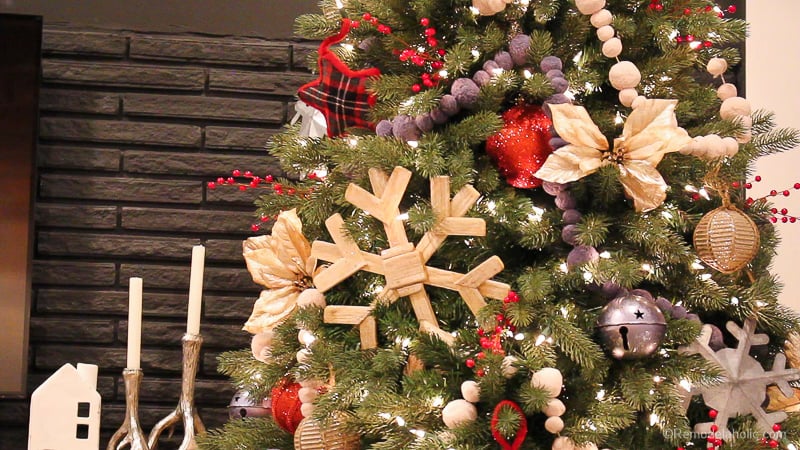

There is something wonderfully comforting about a woodland Christmas tree. It does not shout, sparkle like a department-store chandelier, or demand that your living room become a North Pole nightclub. Instead, it whispers: pinecones, soft lights, cozy plaid, little deer ornaments, felt mushrooms, dried orange slices, and the faint suspicion that a squirrel might be judging your ribbon placement.
Woodland Christmas tree decorating is all about bringing the feeling of a winter forest indoors. It blends rustic Christmas decor, natural textures, forest-inspired ornaments, warm lighting, and cozy cabin details into one tree that feels relaxed but still intentional. The goal is not to make your tree look like it fell over in the woods and rolled through a craft store. The goal is to create a layered, charming, nature-inspired holiday centerpiece that feels handmade, personal, and magical.
Whether you love farmhouse Christmas style, cottagecore holiday decor, Scandinavian minimalism, or classic red-and-green tradition, a woodland Christmas tree can be adapted to fit your home. It can be elegant with gold birds and velvet ribbon, playful with foxes and owls, or simple with wooden beads and pinecones. The best part? Many woodland decorations are affordable, reusable, and easy to make yourself.
What Is Woodland Christmas Tree Decorating?
Woodland Christmas tree decorating is a holiday design style inspired by forests, cabins, wildlife, and natural winter landscapes. Instead of relying only on shiny ornaments and bright colors, this look uses organic materials and earthy details. Think burlap ribbon, wooden ornaments, faux berries, pinecones, acorns, twigs, dried citrus, soft white lights, miniature animals, mushrooms, snowflakes, and textured garlands.
The style works because it feels nostalgic without being old-fashioned. It reminds people of snowy walks, log cabins, warm blankets, cinnamon in the kitchen, and the kind of Christmas movie where everyone mysteriously owns a perfect plaid scarf. A woodland tree feels decorated, but not fussy. It has charm, but it does not need perfection. In fact, the slightly imperfect, collected-over-time look is part of the magic.
Start With the Right Tree
A woodland theme works beautifully on both real and artificial Christmas trees. A real tree brings natural scent and irregular branches, which instantly support the forest-inspired look. An artificial tree, especially one with realistic branch tips, gives you control, less maintenance, and years of reuse. A lightly flocked tree can also work if you want a snowy woodland effect, but avoid overloading it with too many white decorations or the whole thing may start looking like it lost a fight with a powdered donut.
For the most natural look, fluff the branches carefully and leave a little breathing room. Woodland trees often look best when they are not packed wall-to-wall with ornaments. Small gaps allow lights to glow from inside the branches and make animal ornaments, pinecones, and handmade pieces feel like discoveries tucked into the forest.
Choose a Forest-Inspired Color Palette
The easiest way to make a woodland Christmas tree look polished is to choose a color palette before you start decorating. You do not need to be strict, but you do need a direction. Otherwise, your tree may become “enchanted forest meets clearance aisle,” which is a bold theme, but not always a peaceful one.
Classic Woodland Palette
Use deep green, warm brown, cream, ivory, soft gray, and touches of red. This palette is perfect for traditional homes, farmhouse interiors, and cozy living rooms. Add plaid ribbon, red berries, pinecones, and wooden ornaments for a timeless Christmas feel.
Snowy Woodland Palette
Use white, silver, champagne, pale wood, and frosted greenery. This version feels calmer and more elegant. It works especially well with flocked trees, white ceramic ornaments, snowy owls, glass icicles, and soft faux fur tree skirts.
Woodland Glam Palette
Use forest green, bronze, antique gold, copper, and deep burgundy. This is the woodland tree for people who like nature but also believe nature deserves accessories. Add metallic birds, gold acorns, velvet bows, and warm amber lights.
Scandinavian Woodland Palette
Use white, natural wood, linen, muted green, and black accents. Keep the ornaments simple: wooden stars, straw ornaments, felt animals, paper snowflakes, and bead garlands. The result feels clean, cozy, and quietly festive.
Layer the Lights First
Lighting sets the mood for your woodland Christmas tree. Warm white lights are usually the best choice because they create a candlelit glow that feels cozy and natural. Cool white lights can work for a snowy woodland theme, but they may feel a little too icy if your decor leans rustic.
Start near the trunk and work outward, wrapping lights along major branches instead of simply circling the outside of the tree. This gives the tree depth and makes it glow from within. For a medium tree, use enough lights to create warmth without turning the room into a runway. If your tree already has built-in lights, add a few battery-operated fairy light strands deeper inside for extra sparkle.
Safety matters too. If you are using a real tree, keep it watered daily and place it away from fireplaces, heaters, candles, and vents. Use lights that are in good condition, follow the manufacturer’s instructions, and turn them off before leaving home or going to bed. A woodland tree should feel magical, not like it is auditioning for a fire department training video.
Add Garland With Texture
Garland is where a woodland tree starts to feel layered. Instead of shiny tinsel, choose materials that look handmade, natural, or soft. Wooden bead garlands are an easy choice because they add rhythm without overwhelming the branches. Burlap ribbon brings farmhouse texture. Velvet ribbon adds richness. Plaid ribbon gives the tree a cozy cabin personality.
Dried orange garland is another beautiful option. The slices look like little stained-glass windows when the lights shine through them, and they pair perfectly with cinnamon sticks, cranberries, and evergreen branches. Popcorn and cranberry garlands can also work, especially if you want a nostalgic, family-friendly tree. Just know that pets may consider this less “decor” and more “snack buffet with lights.”
For the best effect, do not wrap garland too tightly. Let it swoop gently between branches. A woodland Christmas tree should feel relaxed, as though it naturally grew that charming. No one needs to know you adjusted the same ribbon loop eighteen times while muttering at a pinecone.
Use Woodland Ornaments That Tell a Story
The heart of woodland Christmas tree decorating is the ornament collection. Choose ornaments that feel like they belong in a forest or cabin. Deer, foxes, squirrels, owls, bears, rabbits, cardinals, and tiny birds are all excellent choices. Mushrooms, acorns, pinecones, snowflakes, wooden stars, felt trees, and miniature cabins also fit beautifully.
Mix materials for depth. Use wood for warmth, felt for softness, glass for sparkle, metal for contrast, and fabric for coziness. A tree with only one material can look flat, but a tree with varied textures feels collected and interesting. Try placing larger ornaments deeper into the tree and smaller ones near the tips. This creates dimension and helps the design look more professional.
DIY Woodland Ornament Ideas
You do not need to buy every ornament. Some of the best woodland Christmas decorations are simple DIY projects. Turn pinecones into mini owls with felt wings. Tie cinnamon sticks with twine and tiny greenery sprigs. Make salt-dough stars and stamp them with evergreen branches before baking. Fill clear ornaments with faux snow, moss, or tiny feathers. Wrap wooden slices with ribbon or paint them with simple trees, snowflakes, or family initials.
Handmade ornaments are especially useful if you decorate with children. They add personality, cost less, and create memories. Will every homemade ornament look like it came from a magazine? Absolutely not. Some may look like a raccoon assembled them during a power outage. Hang them anyway. That is called character.
Bring in Natural Elements
Natural accents are essential for the woodland look. Pinecones are the obvious favorite because they are inexpensive, versatile, and instantly rustic. You can use them plain, frost the tips with white paint, dust them with glitter, or tie them onto branches with twine. Faux berries add color and make the tree feel festive without needing shiny red ornaments everywhere.
Other great natural elements include dried oranges, cinnamon sticks, small grapevine balls, wooden snowflakes, preserved moss, faux antlers, feathers, birch-style ornaments, and twig stars. If you collect items outdoors, clean and dry them before using them. Avoid bringing in anything damp, buggy, or mysteriously sticky. Christmas is already chaotic enough without introducing woodland roommates.
Pick the Perfect Tree Topper
A woodland tree topper should feel connected to the rest of the design. A wooden star is a classic choice. A large plaid bow feels cozy and traditional. A rustic angel works if your tree leans sentimental. For a whimsical look, try an owl, cardinal, or snowy bird topper. If you prefer something understated, cluster a few tall branches, berry stems, and eucalyptus sprigs at the top.
The key is proportion. A tiny topper can disappear, while an oversized topper can make your tree look like it is wearing a hat it borrowed from a parade float. Step back after placing it. If it looks balanced from across the room, you are on the right track.
Do Not Forget the Tree Base
The base matters more than people think. A woodland Christmas tree can lose its charm if the bottom is surrounded by a plastic stand and a tangle of cords. Cover the base with a burlap tree skirt, faux fur throw, woven basket collar, galvanized bucket, wooden crate, or chunky knit blanket.
A basket collar is especially useful because it gives the tree a natural, finished look. Burlap feels casual and rustic. Faux fur adds a snowy cabin effect. A wooden crate works well for farmhouse spaces. Choose a base that supports the story your tree is telling. Ideally, that story is “cozy forest Christmas,” not “we forgot this part and hid it with wrapping paper.”
Style the Room Around the Tree
A woodland Christmas tree looks best when the surrounding room supports the theme. You do not need to redecorate your entire house. A few thoughtful accents can make the tree feel intentional. Add plaid pillows, knit throws, evergreen garlands, pinecone bowls, lanterns, wooden candleholders, and stockings in neutral fabrics.
On the mantel, use greenery with berries, brass bells, bottle brush trees, and a few woodland animals. On the coffee table, place a wooden tray with candles, pinecones, and dried orange slices. Near the tree, wrap gifts in kraft paper, twine, plaid ribbon, or simple botanical-print wrapping paper. Matching the gift wrap to the tree is one of the easiest ways to make the whole room look magazine-ready.
Woodland Decorating for Small Spaces
You do not need a giant tree to create a woodland Christmas moment. A tabletop tree can be just as charming. Place a mini tree in a woven basket, crock, galvanized bucket, or wooden box. Decorate it with tiny pinecones, mini mushrooms, dried citrus, small bows, and battery-operated lights.
If you have no floor space, try a wall-mounted branch tree. Use collected branches or driftwood pieces in descending sizes, hang them with twine, and add lightweight ornaments and fairy lights. It gives you the woodland feeling without requiring you to rearrange furniture or sacrifice your last remaining walking path.
Common Woodland Christmas Tree Mistakes
The first mistake is using too many themes at once. Woodland, candy cane, coastal, disco, and blue-and-silver glam can all be beautiful, but not necessarily on the same tree. Choose one main direction and let everything support it.
The second mistake is going too brown. Natural tones are lovely, but a tree needs contrast. Add cream, white, red berries, gold, copper, or soft green to keep the design lively. The third mistake is forgetting scale. Use a mix of large, medium, and small ornaments so the tree does not look busy from far away and empty up close.
The fourth mistake is decorating only the outside tips. Place some ornaments deeper inside the branches. This creates the illusion of fullness and makes the lights more interesting. Finally, do not skip editing. After you decorate, step back and remove anything that feels off. Sometimes the bravest decorating choice is taking down the glitter moose who clearly came from a different holiday ecosystem.
A Simple Step-by-Step Woodland Tree Plan
Begin by choosing your palette. For beginners, try forest green, warm brown, cream, red, and antique gold. Next, fluff the tree and add warm white lights from the trunk outward. Then add garland, letting it drape gently instead of pulling it tight.
After the garland, place large ornaments first. Use deer, cabins, large pinecones, wooden stars, or oversized snowflakes. Add medium ornaments next, spacing animals and natural pieces evenly around the tree. Fill gaps with small ornaments, berries, bells, bows, and DIY accents. Add the topper, finish the base, and style nearby gifts in kraft paper and twine.
The final step is the most important: turn on the lights, make a warm drink, and stop touching the tree. This is difficult. You will see one ribbon loop that looks suspicious. Resist. The tree is done. The forest approves.
of Personal Experience and Practical Inspiration
The best woodland Christmas tree I ever decorated started with absolutely no plan, which is usually how both decorating adventures and minor disasters begin. I had a plain green artificial tree, a box of mismatched ornaments, and the optimistic belief that “natural and rustic” meant I could spend less money. Technically, I did spend less money. Emotionally, I paid in pinecone-related decision fatigue.
The first thing I learned is that woodland decorating looks effortless only after you create structure. At first, I tried hanging every nature-inspired ornament I owned. Birds went beside mushrooms, mushrooms went beside snowmen, snowmen went beside shiny blue balls, and suddenly the tree looked like a forest had opened a gift shop near an ice-skating rink. Once I removed the pieces that did not fit the palette, the whole tree calmed down. That is when I understood that rustic style still needs editing.
My favorite trick was using dried orange slices. I made them in the oven, slowly, while the kitchen filled with a citrusy smell that made me feel far more domestic than I actually am. When I hung them near the lights, they glowed like tiny amber windows. They were inexpensive, charming, and forgiving. Even the slices that came out a little uneven looked handmade in the good way, not the “please don’t ask what happened here” way.
Pinecones also became a hero decoration. I used some plain, some lightly brushed with white paint, and a few tied with twine bows. The trick was clustering them in small groups instead of scattering them randomly everywhere. When placed near wooden ornaments and faux berries, they made the tree feel fuller without adding visual clutter. Pinecones are basically the supporting actors of woodland Christmas decor: humble, dependable, and surprisingly good in every scene.
Another lesson was to decorate deeper inside the branches. For years, I only hung ornaments on the outer tips, which made my trees look flat. With the woodland tree, I tucked simple gold balls and small wooden ornaments closer to the trunk. The lights bounced off them and created depth. Suddenly, the tree looked more expensive, which is always delightful when you know half the ornaments came from a drawer labeled “miscellaneous holiday creatures.”
The tree base made a bigger difference than expected. I used a woven basket collar one year and a faux fur throw another year. Both worked, but they created different moods. The basket looked rustic and relaxed, while the faux fur made the tree feel snowy and cozy. If your tree feels unfinished, fix the base before buying more ornaments. It is the holiday decorating equivalent of wearing the right shoes.
Finally, woodland Christmas tree decorating works best when it feels personal. Add the felt fox your child picked out. Add the wooden ornament from a vacation. Add the slightly odd owl that makes you laugh. The woodland style is not about copying a showroom tree. It is about creating a warm, layered holiday scene that feels like your family wandered into a winter forest and decided to stay for cocoa.
Conclusion
Woodland Christmas tree decorating is one of the most flexible and heartwarming holiday styles because it blends nature, nostalgia, texture, and creativity. With warm white lights, earthy colors, pinecones, woodland animals, dried citrus, wooden ornaments, cozy garlands, and a thoughtful tree base, you can create a Christmas tree that feels charming without trying too hard.
The secret is balance. Use natural materials, but add contrast. Include handmade pieces, but edit the final look. Choose a clear palette, but leave room for personality. Whether your tree is tall and dramatic, small and simple, rustic and traditional, or elegant with a little woodland glam, the goal is the same: a tree that makes your home feel peaceful, festive, and ready for the season.
And if one tiny squirrel ornament ends up front and center? Let him have his moment. It is Christmas.