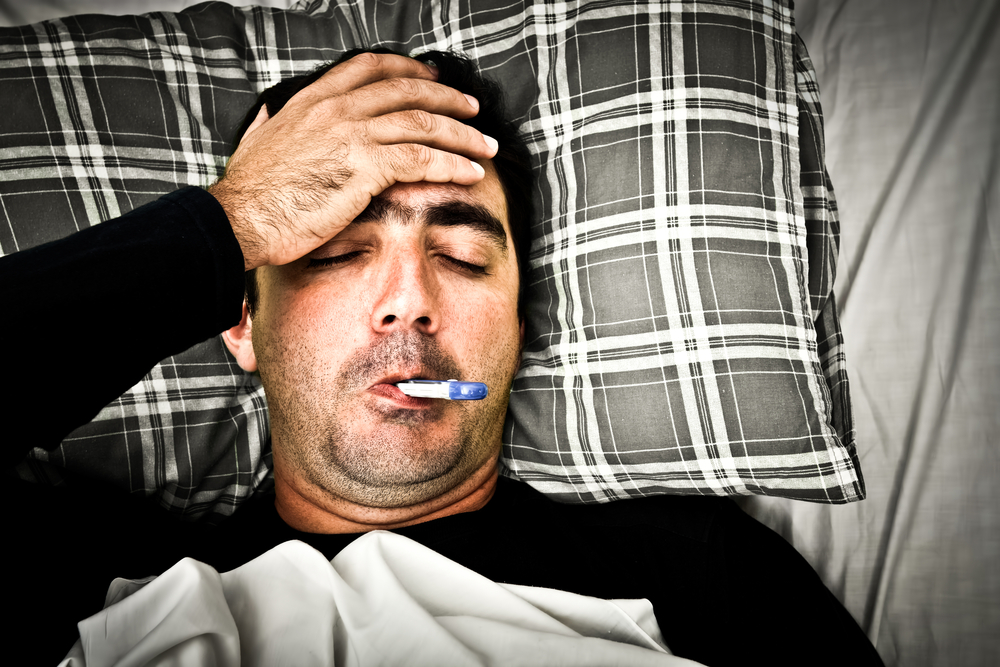

Of course a doctor is allowed to become sick. Doctors are human beings, not hospital-owned appliances with a stethoscope attachment and an “always functional” setting. They get the flu, develop migraines, manage diabetes, face depression, battle cancer, lose sleep, burn out, and occasionally discover that their body has not read the job description.
But that simple answer opens a much bigger and more uncomfortable question: if doctors are allowed to get sick, why does medicine so often act like they are not? Why do so many physicians feel guilty about taking time off, ashamed of needing treatment, or terrified that asking for help will somehow dent their credibility?
This is where the conversation gets interesting. The real issue is not whether a doctor may become ill. The real issue is how the medical profession responds when a doctor does. A healthy profession says, “Get care, recover, come back safely.” An unhealthy one says, “Can you still round by 7 a.m.?”
So let’s answer the title honestly, clearly, and without pretending the system is more emotionally evolved than it sometimes is.
The short answer: yes, absolutely
A doctor is absolutely allowed to become sick. Physical illness, mental illness, disability, injury, pregnancy-related complications, chronic disease, and temporary health problems are all part of being human. A physician does not lose their humanity when they gain a medical license.
What matters professionally is not the mere presence of illness. What matters is whether the illness affects the doctor’s ability to practice medicine safely, competently, and ethically. That distinction is everything. It is the difference between a physician who has a diagnosis and a physician who is impaired by that diagnosis.
A doctor with asthma can still practice. A doctor with depression can still practice. A doctor with Crohn’s disease, multiple sclerosis, ADHD, or a healing surgical injury can still practice. A doctor recovering from pneumonia may eventually return to practice. Illness itself is not automatic disqualification. Unsafe impairment is the concern.
That may sound like a technical difference, but it is actually the moral center of the whole issue. Medicine should never punish people simply for being ill. It should protect patients when illness becomes functionally impairing, while also making it easier, not harder, for doctors to seek treatment early.
Why this question exists in the first place
Medicine trains people to be useful before it trains them to be vulnerable
From medical school onward, doctors absorb a powerful message: show up, keep going, do not complain, and definitely do not be the reason someone else has to rearrange the call schedule. In small doses, that attitude can build discipline. In large doses, it turns into a very polished form of self-neglect.
Physicians often work in cultures where endurance is admired, absence creates guilt, and asking for help feels suspiciously like failure. The result is a profession full of brilliant people who can diagnose a stranger’s obscure autoimmune disease but may ignore their own chest pain because clinic is full.
The white coat can hide a lot
Doctors are especially skilled at appearing composed. They are trained to project calm in chaos, confidence in uncertainty, and focus in the middle of emotional storms. Useful skill? Absolutely. Dangerous when turned inward? Also yes.
A physician can look perfectly professional while quietly dealing with panic attacks, insomnia, chronic pain, medication side effects, grief, long COVID, infertility treatment, postpartum depression, or plain old exhaustion. That polished appearance can fool colleagues, institutions, and sometimes the doctor too.
And because patients are used to seeing physicians as helpers, not sufferers, even doctors themselves may start to believe the myth that becoming sick is somehow incompatible with being competent. That myth is both false and expensive.
Illness is not the same as impairment
This is the distinction every serious discussion on physician health must get right.
Illness means a doctor has a condition. Impairment means that condition is affecting the doctor’s judgment, behavior, cognition, stamina, or technical performance in a way that can put patients at risk.
Those are not the same thing. A physician may live with an illness for years and practice beautifully with treatment, monitoring, accommodations, and self-awareness. Another physician may have a short-term condition that temporarily makes work unsafe, even if the condition is common and treatable.
Imagine a surgeon with a hand injury, an emergency physician with uncontrolled vertigo, or an internist whose new medication causes heavy sedation. None of those situations mean the doctor is “less worthy.” They simply mean that safety has to come first. Medicine should be wise enough to tell the difference.
This is also why thoughtful regulation focuses on current impairment rather than digging for every past diagnosis like a bureaucratic archeological dig. A history of treatment is not proof of danger. In many cases, getting treatment is exactly what protects patients.
When a sick doctor should not be at work
Contagious illness
Some situations are straightforward. If a physician has a contagious illness, especially one involving fever and respiratory symptoms, staying home is not laziness. It is infection control with better shoes.
A coughing, feverish doctor pushing through rounds is not demonstrating heroic commitment. They may be exposing patients, coworkers, and trainees to avoidable risk. In healthcare, “I thought I could tough it out” is not always noble. Sometimes it is just bad public health dressed as dedication.
Symptoms that impair safe performance
Even when illness is not contagious, work may still be unsafe if the doctor is cognitively foggy, severely sleep-deprived, emotionally overwhelmed, dizzy, sedated, in major pain, or unable to concentrate. Medicine is not a hobby you do while half-functional. It is high-stakes work involving prescriptions, procedures, judgments, and lives.
If symptoms interfere with safe decision-making, communication, or technical skill, stepping back is part of professionalism. The goal is not martyrdom. The goal is competent care.
The trap of “I can still work”
Here is where many doctors get stuck. They may still be technically capable of showing up. They may still answer pages, write notes, and speak in full sentences. But “still upright” is not the same as “safe enough for clinical duty.”
Many physicians work while ill because they feel obligated, fear burdening colleagues, believe they are not contagious, or think the symptoms are not bad enough to justify absence. That logic is common. It is also exactly how presenteeism becomes normal.
The hidden cost of pretending to be fine
When doctors do not feel allowed to be sick, everyone pays.
- Patients pay through infection exposure, delayed judgment, missed details, or reduced emotional presence.
- Doctors pay through worsening illness, delayed treatment, shame, burnout, and moral distress.
- Teams pay when one person’s silent struggle becomes an unspoken burden shared by everyone.
- Health systems pay through turnover, absenteeism, reduced retention, recruitment problems, and lower trust.
There is also a subtler cost. When physicians are expected to function as if they are invulnerable, younger clinicians learn the same script. They inherit a professional identity built on concealment rather than sustainability. Then the cycle repeats, now with better electronic documentation and the same old emotional nonsense.
Burnout makes this worse. A doctor does not need to be physically ill to become functionally unwell. Emotional exhaustion, cynicism, chronic overload, and moral injury can drain clinical performance in slower but still serious ways. A profession that ignores those warning signs is not being tough. It is being shortsighted.
Why doctors often do not seek help
Fear of licensing and credentialing questions
This fear has a long shadow. Many physicians worry that seeking mental health care will trigger licensing, privileging, or credentialing problems. Even when policies are improving, the fear often lingers longer than the form itself.
That fear matters because it changes behavior. Doctors may delay therapy, avoid psychiatric care, refuse medication, or underreport symptoms simply because they do not want their health history misunderstood as evidence of professional incompetence. That is not safer medicine. That is a system teaching silence.
Stigma wearing a lab coat
There is also cultural stigma. In medicine, illness can be interpreted as weakness, especially when the illness is psychological rather than visible. A physician with a cast gets sympathy. A physician with panic disorder may get suspicion. Same profession, wildly different social comfort level.
That double standard pushes many doctors to become experts in selective disclosure. They tell patients to get help early, then privately convince themselves they should be able to handle it alone. It is the emotional equivalent of prescribing antibiotics and then refusing to take your own medicine because it feels awkward.
Practical barriers that are very unglamorous and very real
Even physicians who want care run into ordinary obstacles: no time, no coverage, not enough confidential local options, fear of being recognized, financial concerns, childcare logistics, and the eternal healthcare riddle of trying to access healthcare while working in healthcare.
Sometimes the barrier is not dramatic at all. It is just a packed calendar, a complicated call schedule, and the silent belief that everyone else seems to be coping. That kind of barrier is easy to overlook and powerful enough to keep treatment from happening.
What healthy systems do differently
If healthcare organizations want doctors to practice safely, they have to stop building cultures that reward concealment. A healthier system does not merely tell physicians to practice self-care while handing them a schedule that laughs in the face of sleep.
Better systems usually do a few things well:
- They create nonpunitive sick leave policies and make it realistic to use them.
- They provide backup coverage so staying home does not feel like detonating the department.
- They offer confidential mental health support and physician health resources.
- They reduce unnecessary administrative burden instead of treating burnout like a yoga deficiency.
- They normalize accommodations, phased return-to-work plans, and early intervention.
- They teach leaders to recognize illness, impairment, and stigma as organizational issues, not private moral failures.
That last point matters. Burnout, chronic stress, and avoidance of care are not solved by asking doctors to become more resilient in the middle of broken conditions. Resilience matters, but it cannot be the entire business model.
What doctors themselves can do
Individual physicians are not powerless, even inside imperfect systems. A doctor who becomes sick can take several practical steps without turning the situation into an identity crisis.
First, get your own clinician. Every physician needs a real source of care, not a hallway consult, not a text to a friend, and not an internal monologue that begins with “I probably know what this is.” Self-diagnosis is convenient, but it is a terrible substitute for being an actual patient.
Second, pay attention to function, not pride. The important question is not, “Can I force myself to go in?” It is, “Can I practice safely today?” Those are very different standards.
Third, tell someone early. A trusted colleague, supervisor, occupational health contact, therapist, or physician health resource can help assess what is happening before it becomes more serious.
Fourth, accept accommodations without treating them like a character flaw. Needing schedule adjustments, leave, treatment, monitoring, or a temporary reduction in duties is not proof that you do not belong in medicine. It is proof that you are responding to reality like a grown-up.
And finally, do not confuse silence with strength. A profession improves when its members model responsible help-seeking, not elegant collapse.
Experiences from inside the white coat
The following composite experiences are original examples built from themes commonly described by physicians in public discussions of illness, burnout, stigma, and help-seeking. They are not presented as single identified real people.
Experience one: the family doctor with pneumonia who kept bargaining with his own lungs
A primary care physician develops what he insists is “just a bad cold,” which is the classic opening line to a medical self-deception story. He keeps seeing patients for two days because the schedule is packed, several people are out, and he tells himself he can sit down between visits. By the third day he is short of breath walking from one exam room to the next, sweating through his shirt, and speaking in the same tone doctors use when they are trying very hard to sound normal while absolutely not being normal.
One of the nurses finally tells him, with the firmness usually reserved for toddlers and unsafe drivers, that he needs to go home. He ends up being treated for pneumonia. What sticks with him later is not just the diagnosis. It is the fact that he never once asked, “Am I okay?” He only asked, “Can I keep the clinic moving?” That experience changes him. When he returns, he starts telling residents that staying home when sick is not abandoning patients; it is part of protecting them.
Experience two: the resident who thought panic was a scheduling problem
A resident begins having episodes of chest tightness, racing thoughts, nausea, and a sense of dread before overnight shifts. She tells herself it is stress, then tells herself everyone is stressed, then tells herself she is simply not organized enough. This is a very medical way to explain emotional suffering: rename it as poor time management and keep walking.
Eventually she starts dreading pages before they happen. She cannot sleep before call. She rereads orders three times because she no longer trusts her own focus. Still, she says nothing, mostly because she worries it will be seen as weakness or, worse, unreliability. When she finally speaks to a program leader and gets connected to confidential care, the most surprising part is not the diagnosis of panic and anxiety. It is the relief. Someone does not question whether she belongs in medicine. They ask what support she needs to keep learning safely.
Months later, she says the hardest step was not treatment. It was giving up the belief that competent doctors should be able to outthink their own nervous systems.
Experience three: the surgeon with a chronic illness who stopped hiding and got better at medicine
A mid-career surgeon develops a chronic autoimmune condition that causes intermittent fatigue and joint pain. For a long time, he tells almost no one. He adjusts quietly, powers through flare-ups, and becomes increasingly irritable at home. He worries that any sign of limitation will make colleagues question his stamina, so he compensates by volunteering for more and resting less. It is a terrible strategy, but a common one.
Eventually he works with his physicians, his department, and occupational support to make practical changes: protected treatment time, fewer consecutive overnight responsibilities, and a clearer plan for when symptoms flare. None of it is dramatic. No inspirational music plays. Nobody writes a movie about responsible scheduling. But the result is that he becomes a safer, steadier, more honest clinician.
He later says that before his illness, he admired doctors who never seemed to need anything. Afterward, he trusted doctors who knew their limits and respected them. Ironically, becoming visibly human made him better at caring for other humans.
Final thoughts
So, is a doctor allowed to become sick? Yes. Unequivocally, obviously, and without apology.
What a doctor is not allowed to do is ignore a condition that makes patient care unsafe. But that standard should never be twisted into a culture that punishes treatment, stigmatizes vulnerability, or treats illness itself as professional failure.
The strongest version of medicine is not a profession full of invincible people. It is a profession full of honest people: doctors who seek care, systems that support them, and workplaces wise enough to understand that caring for the caregiver is not sentimental fluff. It is part of patient safety.
Doctors are allowed to become sick because doctors are people. The better question is whether the profession is mature enough to act like it knows that. On its best days, yes. On its worst days, not nearly enough. The work now is to make the best days normal.