
Postherpetic neuralgia sounds like the name of a minor villain in a medical drama, but for people who live with it, there is nothing fictional about the pain. Often shortened to PHN, postherpetic neuralgia is long-lasting nerve pain that can appear after shingles. The shingles rash may fade, the blisters may dry up, and the skin may look perfectly normal againyet the nerves underneath can continue sending “breaking news” pain alerts long after the emergency is over.
This condition is the most common complication of shingles, also known as herpes zoster. It usually affects the same area where the shingles rash appeared, often in a band-like pattern on one side of the torso, face, neck, or scalp. For some people, the pain is mild and annoying. For others, it can interfere with sleep, clothing choices, work, exercise, mood, and the heroic act of simply wearing a shirt.
The good news: postherpetic neuralgia is treatable. It may take patience, a combination of therapies, and a healthcare provider who understands nerve pain, but relief is possible. This guide explains the symptoms, causes, risk factors, diagnosis, treatment options, prevention strategies, and real-life experiences that can help make PHN less mysteriousand less bossy.
What Is Postherpetic Neuralgia?
Postherpetic neuralgia is persistent nerve pain that develops after a shingles outbreak. “Postherpetic” means after herpes zoster, and “neuralgia” means nerve pain. In everyday English, it means: shingles left the building, but the irritated nerves are still shouting from the parking lot.
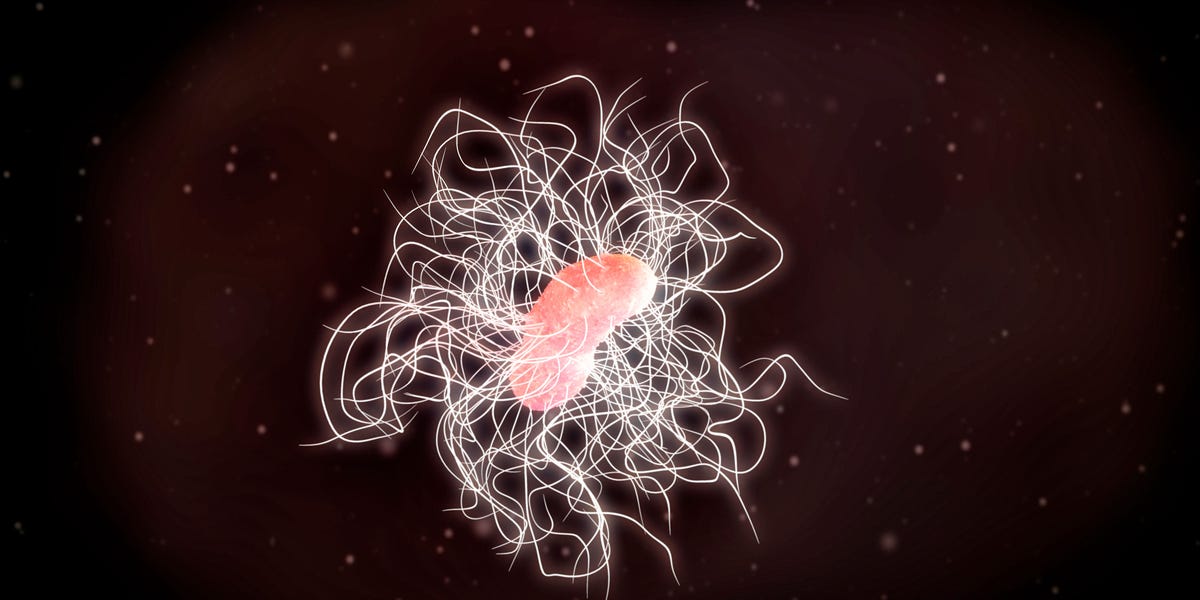
Shingles happens when the varicella-zoster virus reactivates. This is the same virus that causes chickenpox. After a person recovers from chickenpox, the virus does not completely disappear. Instead, it hides quietly in nerve tissue, sometimes for decades. Later in life, especially when the immune system weakens with age, illness, stress, or certain medications, the virus can wake up and travel along a nerve to the skin. That reactivation causes the painful shingles rash.
In many people, shingles clears within a few weeks. But in some cases, the affected nerves become damaged or unusually sensitive. The result is postherpetic neuralgia: pain that continues after the rash has healed. Some clinical descriptions define PHN as pain lasting longer than one month after shingles, while others use three months or longer. Either way, the central idea is the same: the rash is gone, but the nerve pain remains.
Common Symptoms of Postherpetic Neuralgia
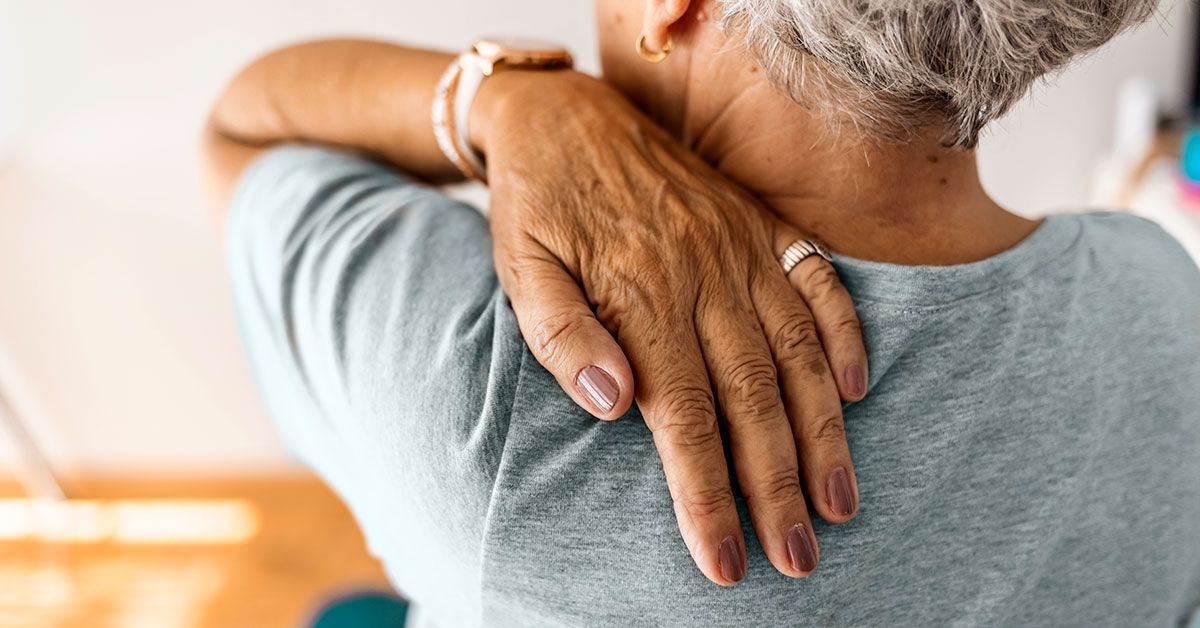
The main symptom of postherpetic neuralgia is pain in the same area where shingles occurred. The pain can feel different from person to person, and sometimes it changes throughout the day. Nerve pain is dramatic that way; it does not always RSVP before showing up.
Burning, Sharp, or Aching Pain
Many people describe PHN pain as burning, stabbing, shooting, throbbing, or deep aching. Some say it feels like an electric shock. Others describe it as a hot wire under the skin. The pain may be constant, or it may come in waves triggered by touch, movement, temperature changes, or stress.
Extreme Sensitivity to Touch
One of the classic symptoms of postherpetic neuralgia is allodynia, which means pain from something that normally should not hurt. A soft cotton shirt, bedsheet, towel, bra strap, waistband, or gentle hug can feel surprisingly painful. This is not “being sensitive” in the emotional sense. It is the nervous system misreading ordinary touch as danger.
Itching, Tingling, or Numbness
PHN can also cause tingling, itching, crawling sensations, or numbness. The itching can be especially frustrating because scratching may not help and can irritate the skin. Some people experience numbness and pain in the same area, which sounds contradictory until you remember that injured nerves are not exactly known for their flawless communication skills.
Sleep Problems and Fatigue
Persistent nerve pain often affects sleep. A person may struggle to fall asleep, wake up when fabric brushes the skin, or feel exhausted during the day. Over time, poor sleep can make pain feel worse, creating a loop that deserves to be fired from its job.
Mood Changes
Living with chronic pain can affect mood, focus, and motivation. Some people with PHN feel anxious, irritable, discouraged, or socially withdrawn. These reactions are common and understandable. Pain is not just a physical event; it can take over a person’s schedule, wardrobe, patience, and sense of control.
What Causes Postherpetic Neuralgia?
Postherpetic neuralgia begins with shingles. When the varicella-zoster virus reactivates, it causes inflammation in the affected nerves and skin. In some people, this inflammation injures nerve fibers. Damaged nerves may then send pain signals even when there is no active injury on the skin.
Think of the nerve as a smoke alarm. During shingles, there really is smoke: viral reactivation, inflammation, rash, and blisters. But with PHN, the fire has been put out and the alarm keeps screaming because the wiring is damaged. The pain is real, but the signal is no longer matching what is happening on the skin’s surface.
The condition is not a sign that the shingles infection is still contagious. PHN is a pain complication caused by nerve injury, not an ongoing rash infection. However, anyone with active shingles blisters should still keep the rash covered and avoid contact with people who have never had chickenpox or the chickenpox vaccine, especially pregnant people, newborns, and those with weakened immune systems.
Who Is Most at Risk?
Anyone who has had shingles can develop postherpetic neuralgia, but some people have a higher risk than others.
Age Over 50
Age is one of the strongest risk factors. PHN becomes more common as people get older, especially after age 50. The immune system naturally changes with age, and nerves may recover more slowly.
Severe Shingles Pain or Rash
People who have intense pain during the shingles outbreak or a widespread rash may be more likely to develop lingering nerve pain. Severe inflammation can cause more nerve irritation, increasing the chance that pain will continue after the skin heals.
Delayed Treatment
Antiviral medications for shingles work best when started early, usually within 72 hours of the rash appearing. Early treatment can shorten the course of shingles and may reduce the severity of symptoms. Waiting too long to seek care may increase the risk of complications.
Weakened Immune System
People with weakened immune systems are at higher risk for shingles and its complications. This can include people receiving chemotherapy, transplant medications, long-term steroids, or immune-suppressing treatments, as well as those with certain chronic illnesses.
Shingles on the Face or Eye Area
Shingles involving the face, forehead, eye, or ear requires urgent medical attention. These cases can lead to serious complications, including vision or hearing problems, and may also be associated with difficult nerve pain.
How Postherpetic Neuralgia Is Diagnosed
Postherpetic neuralgia is usually diagnosed based on symptoms and medical history. If a person had shingles and continues to have pain in the same area after the rash heals, a healthcare provider may diagnose PHN. A physical exam can help check the location of pain, skin sensitivity, numbness, and whether another condition might be causing similar symptoms.
Most people do not need complicated testing. However, testing may be considered if the diagnosis is unclear, if the rash was never noticed, or if pain appears in an unusual pattern. Chest pain, facial pain, abdominal pain, or back pain should not automatically be blamed on PHN without proper evaluation, especially if symptoms are new, severe, or different from the original shingles area.
Treatment Options for Postherpetic Neuralgia
There is no single magic cure for postherpetic neuralgia, and anyone selling a “guaranteed overnight nerve reset” should be viewed with the same suspicion as gas-station sushi. Treatment usually focuses on reducing pain, improving sleep, protecting quality of life, and calming overactive nerve signals.
Topical Lidocaine
Lidocaine patches, creams, or gels may help numb the painful area. Patches are often useful when pain is limited to a specific zone of skin. They may be especially helpful for people who cannot tolerate certain oral medications. A provider can recommend the safest form and schedule.
Capsaicin Cream or Patch
Capsaicin comes from chili peppers and can reduce pain signals over time. Over-the-counter capsaicin cream may help some people, though it can cause burning or irritation at first. A high-concentration capsaicin patch is available in medical settings and must be applied by trained professionals because it can be intense. Yes, the pepper fights the pain. Medicine is weird and wonderful.
Gabapentin and Pregabalin
Gabapentin and pregabalin are anticonvulsant medicines often used for nerve pain. They work by calming abnormal nerve signaling. These medications may reduce burning, shooting, or electric pain, but they can cause side effects such as sleepiness, dizziness, swelling in the feet, or trouble thinking clearly. Doses often need to be adjusted gradually.
Tricyclic Antidepressants
Some older antidepressants, such as amitriptyline or nortriptyline, can help treat nerve pain at lower doses than those used for depression. They may also improve sleep. However, they are not right for everyone, especially some older adults or people with certain heart conditions, urinary problems, or medication interactions.
Over-the-Counter Pain Relievers
Acetaminophen or nonsteroidal anti-inflammatory drugs such as ibuprofen may help with mild discomfort, but they often do not fully control nerve pain. They may still be part of a broader plan, especially when inflammation or muscle tension adds to the problem.
Opioids and Tramadol
For severe pain, some providers may consider tramadol or opioid medications. These are usually used cautiously because of side effects, dependency risk, constipation, sedation, and fall risk, particularly in older adults. They are not typically the first long-term solution for PHN.
Nerve Blocks and Pain Specialist Care
If pain remains severe despite medication, a referral to a pain specialist may help. Some people may be candidates for nerve blocks, neuromodulation, or other interventional treatments. These options depend on the pain location, overall health, medication history, and treatment goals.
Home Care and Lifestyle Tips
Home care cannot repair nerve injury overnight, but it can reduce triggers and help people function more comfortably.
Choose Soft, Loose Clothing
Loose cotton clothing can reduce friction on sensitive skin. People with torso pain may prefer soft undershirts, seamless fabrics, or looser waistbands. This is not vanity; it is strategic fabric diplomacy.
Use Cool Compresses Carefully
Cool compresses may soothe irritated skin, especially after shingles. Avoid extreme cold or heat unless a healthcare provider recommends it, because damaged nerves may not sense temperature normally.
Protect Sleep
Sleep is part of pain management. Keeping a regular bedtime, using soft bedding, limiting evening caffeine, and asking a provider about nighttime pain control can make a difference.
Track Pain Patterns
A simple pain diary can help identify triggers. Note pain level, location, sleep quality, medication timing, side effects, clothing triggers, stress levels, and activities. This information can help a provider fine-tune treatment instead of guessing like a weather app in April.
Support Mental Health
Chronic pain can be isolating. Counseling, support groups, relaxation techniques, gentle movement, and honest conversations with family can help. Treating mood and sleep is not “extra.” It is part of treating the whole pain experience.
Can Postherpetic Neuralgia Be Prevented?
The best prevention strategy is shingles vaccination. The CDC recommends two doses of recombinant zoster vaccine, commonly known as Shingrix, for adults age 50 and older. It is also recommended for adults age 19 and older who have weakened immune systems. Vaccination greatly reduces the risk of shingles and postherpetic neuralgia.
People who already had shingles may still benefit from vaccination, because shingles can recur. Timing should be discussed with a healthcare provider, especially after a recent outbreak or in people with immune system concerns.
Early treatment of shingles is also important. Anyone who develops a painful, blistering rashespecially on one side of the body or faceshould contact a healthcare provider promptly. Antiviral medications such as acyclovir, valacyclovir, or famciclovir are most effective when started early.
When to See a Doctor
Seek medical care quickly if you suspect shingles, especially if the rash is near the eye, forehead, nose, or ear; if you have a weakened immune system; if the pain is severe; or if you are over 50. For possible postherpetic neuralgia, see a provider if pain continues after the rash heals, if pain affects sleep or daily activities, or if over-the-counter treatments are not enough.
Get urgent care for chest pain, trouble breathing, weakness, confusion, vision changes, severe headache, facial drooping, or a rash near the eye. Not every pain after shingles is harmless, and not every new symptom should be filed under “probably nerves.”
Outlook: How Long Does Postherpetic Neuralgia Last?
PHN varies widely. Some people improve within weeks or months. Others have symptoms for a year or longer. In some cases, pain may not disappear completely, but treatment can reduce intensity and improve quality of life.
Recovery often requires a realistic plan. Nerve pain may improve gradually rather than dramatically. Small wins matter: sleeping four hours instead of two, wearing a softer shirt without wincing, walking around the block, or getting through dinner without pain stealing the conversation. Progress may be quiet, but it still counts.
Experiences Related to Postherpetic Neuralgia
People often describe postherpetic neuralgia as confusing because the outside of the body no longer matches the inside. The skin may look healed, but the pain continues. Friends and family may assume recovery is complete because the rash is gone. That mismatch can make PHN emotionally exhausting.
One common experience is the “clothing problem.” Someone recovering from shingles on the ribs may find that shirts, bras, waistbands, or jacket seams trigger burning pain. They may start dressing around the pain, choosing loose layers or soft fabrics. It can feel strange to negotiate with a T-shirt, but for PHN patients, fabric texture can become a serious quality-of-life issue.
Another frequent experience is sleep disruption. A person may feel fairly functional during the day but dread bedtime because sheets brush against the painful area. Some sleep on one side only, use special pillows, or place a soft barrier between the skin and bedding. Poor sleep can then increase irritability and pain sensitivity the next day, creating a frustrating cycle.
PHN can also affect social life. A hug, a crowded room, a seatbelt, or a long restaurant chair-back can become uncomfortable. People may cancel plans not because they do not care, but because their nerves are acting like an overdramatic security system. Loved ones may need gentle education: “The rash healed, but the nerve pain is still active.” That sentence alone can help reduce misunderstanding.
Many people also report trial-and-error with treatment. A lidocaine patch may help one person but do little for another. Gabapentin may reduce pain but cause sleepiness. Capsaicin may be useful but feel too hot at first. A tricyclic antidepressant may improve sleep but cause dry mouth. Treatment is often less like flipping a switch and more like adjusting a stubborn radio dial until the static gets quieter.
Work can be affected, especially jobs that require uniforms, lifting, long sitting, or concentration. A person with PHN on the shoulder or torso may struggle with seatbelts, desk posture, or repetitive movements. Someone with facial PHN may find wind, shaving, makeup, glasses, or hair brushing uncomfortable. These details may sound small until they happen every day.
There is also the emotional experience of being believed. Because PHN pain is invisible, patients may feel dismissed. A useful healthcare visit often includes validation, a clear treatment plan, and follow-up. Patients benefit when providers ask not only “How bad is the pain?” but also “How is it affecting your sleep, mood, clothing, movement, and daily life?”
Over time, many people develop personal coping systems. They learn which fabrics help, which sleeping position is safest, when to take medication, which activities trigger flares, and when to rest before pain escalates. These practical adjustments do not mean giving in to PHN. They mean taking back control from a nervous system that has been running the meeting without permission.
The most hopeful experience is improvement. It may be slow, uneven, and occasionally annoying, but many people do get better. Pain may become less sharp, flares may become less frequent, and life may begin to feel less organized around shingles. With vaccination, early shingles treatment, appropriate PHN therapies, and steady support, postherpetic neuralgia can become manageable rather than overwhelming.
Conclusion
Postherpetic neuralgia is a painful complication of shingles that can continue after the rash heals. It happens when nerves irritated by the varicella-zoster virus remain damaged or oversensitive. Symptoms may include burning pain, stabbing sensations, touch sensitivity, itching, numbness, poor sleep, and mood changes.
Although PHN can be stubborn, it is not hopeless. Treatment may include lidocaine patches, capsaicin, gabapentin, pregabalin, tricyclic antidepressants, careful pain management, sleep support, and specialist care when needed. Prevention matters, too. Shingles vaccination and prompt antiviral treatment for shingles are two of the most important ways to reduce risk.
If there is one takeaway, let it be this: pain after shingles is real, common, and worth treating. Nobody gets bonus points for suffering silently. If your nerves are still throwing a tantrum after shingles, a healthcare provider can help you build a plan to quiet them down.