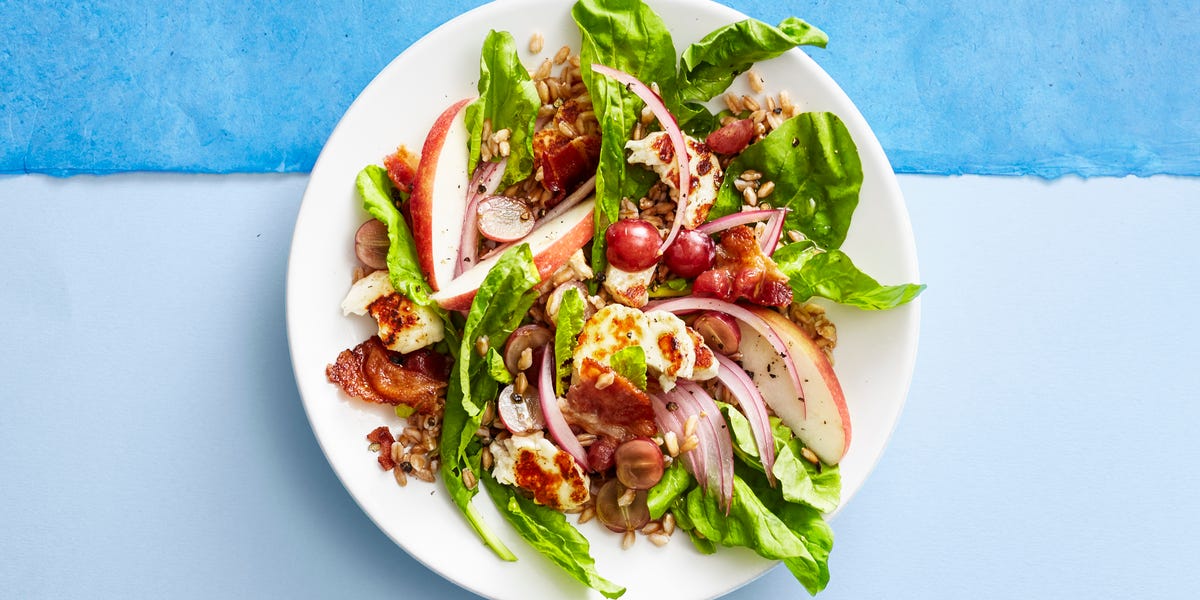

Farro is the grain that walks into your pantry wearing linen pants and looking effortlessly Mediterranean. It is nutty, chewy, hearty, and somehow fancy without asking you to do anything fancy. If rice is the reliable friend who shows up on time, farro is the charming guest who brings olive oil, roasted vegetables, and a story about ancient Rome.
But what is farro, exactly? Farro is an ancient wheat grain commonly associated with Italian cooking. It has a pleasantly chewy texture, a warm nutty flavor, and enough nutritional substance to make a grain bowl feel like an actual meal instead of a sad pile of refrigerator hopes. It can be served hot or cold, used in salads, soups, risotto-style dishes, breakfast bowls, and meal-prep lunches, and it is one of the easiest whole grains to love once you know how to buy and cook it.
This guide explains farro nutrition, farro benefits, how to choose the right type at the store, and how to cook farro without turning it into either gravel or porridge. Both are avoidable. Your saucepan has a brighter future.
What Is Farro?
Farro is a term used for ancient varieties of wheat, most often emmer wheat, though it can also refer to einkorn or spelt depending on the region and labeling. In the United States, when shoppers see “farro” on a package, it is usually emmer farro, the type widely used in Italian soups, salads, and rustic grain dishes.
Because farro is wheat, it contains gluten. That means it is not safe for people with celiac disease or those who must follow a strict gluten-free diet. However, for people who can eat wheat, farro offers a satisfying alternative to refined grains and a flavorful way to add more whole grains to everyday meals.
What Does Farro Taste Like?
Farro has a naturally nutty, earthy flavor with a gentle sweetness. Its texture is the real magic trick: chewy, tender, and pleasantly bouncy when cooked correctly. It is firmer than white rice, less starchy than risotto rice, and more substantial than quinoa. Imagine barley and brown rice had a sophisticated cousin who studied abroad in Tuscany.
That texture makes farro especially useful in recipes where softer grains might collapse. It holds up beautifully in packed lunches, soups, skillet dinners, and salads with assertive ingredients like lemon, garlic, feta, mushrooms, roasted squash, kale, herbs, olives, and grilled chicken.
Farro Nutrition: What Is in This Ancient Grain?
Farro is often praised as a nutrient-dense grain because it provides complex carbohydrates, plant-based protein, dietary fiber, and minerals. Nutrition varies by brand, serving size, and whether the farro is whole, semi-pearled, or pearled, but a cooked serving generally offers a strong combination of fiber and protein compared with many refined grain options.
A typical cooked serving of farro may provide roughly 200 calories, 6 to 8 grams of protein, and several grams of fiber. It also contains nutrients such as magnesium, iron, zinc, niacin, and other B vitamins. Whole farro usually keeps more fiber and micronutrients because the bran and germ remain intact. Pearled farro cooks faster but loses some of the outer bran during processing.
Key Nutrients in Farro
Fiber: Farro can help increase daily fiber intake, especially when you choose whole or semi-pearled varieties. Fiber supports digestion, helps with fullness, and contributes to heart-friendly eating patterns.
Protein: Farro is not a complete protein in the same way animal foods or soy are, but it contributes meaningful plant-based protein to meals. Pair it with beans, lentils, yogurt, eggs, tofu, fish, or poultry for a more balanced plate.
Magnesium: Magnesium plays a role in muscle function, nerve function, and energy metabolism. Whole grains like farro can be useful sources of this important mineral.
Iron: Farro contains plant-based iron. Eating it with vitamin C-rich foods, such as tomatoes, citrus, bell peppers, or leafy greens, can help improve iron absorption.
B vitamins: Farro contributes B vitamins that help the body convert food into energy. Translation: it will not turn you into a superhero, but it does participate in the very unglamorous miracle of metabolism.
Farro Benefits: Why This Grain Deserves Pantry Space
1. Farro Supports Digestive Health
One of the biggest farro benefits is its fiber content. Fiber helps move food through the digestive system and supports regularity. Whole farro, in particular, brings more of that valuable outer bran layer to the party. If your current diet is low in fiber, introduce farro gradually and drink enough water. Going from zero to ancient-grain champion overnight can make your stomach file a complaint.
2. Farro Can Help You Feel Full Longer
Because farro contains both fiber and protein, it can make meals more satisfying. A bowl of farro with roasted vegetables and a protein source tends to feel more substantial than a bowl made with refined grains alone. That makes it useful for meal prep, work lunches, and dinners where you want comfort food without feeling hungry 45 minutes later.
3. Farro Fits Into Heart-Healthy Eating
Whole grains are commonly recommended as part of heart-conscious eating patterns because they provide fiber, minerals, and plant compounds. Replacing some refined grains with whole grains such as farro, oats, barley, brown rice, or whole wheat can support better overall diet quality. Farro is not a magic cholesterol vacuum, but it is a smart supporting actor in a heart-friendly kitchen.
4. Farro Provides Steady Energy
Farro is rich in complex carbohydrates, which digest more slowly than many refined grain products. The fiber and protein in farro help create a slower, steadier meal experience. This is one reason farro works well in lunches: it has enough staying power to get you through the afternoon without an emergency cookie negotiation at 3:17 p.m.
5. Farro Is Extremely Versatile
Farro can be used almost anywhere you would use rice, barley, wheat berries, or couscous. It works in Mediterranean salads, brothy soups, grain bowls, breakfast porridge, casseroles, stuffed peppers, and even risotto-style dishes sometimes called “farrotto.” Its chewy texture allows it to hold sauces, dressings, and broths without becoming mushy too quickly.
Types of Farro: Whole, Semi-Pearled, and Pearled
Buying farro can be confusing because packages do not always shout the important details. The most important thing to check is whether the farro is whole, semi-pearled, or pearled. This affects nutrition, texture, and cooking time.
Whole Farro
Whole farro contains the bran, germ, and endosperm. It has the most fiber and a deep, hearty flavor, but it also takes the longest to cook. Whole farro often benefits from soaking overnight, which shortens cooking time and helps the grains cook more evenly.
Semi-Pearled Farro
Semi-pearled farro has part of the bran removed. It cooks faster than whole farro but retains more nutrition than fully pearled farro. This is a popular middle-ground option for home cooks who want good texture and reasonable cooking time.
Pearled Farro
Pearled farro has most or all of the bran removed. It cooks the fastest and is commonly found in supermarkets. It is still delicious and useful, but it is not technically a whole grain in the same way intact whole farro is. If speed is your priority, pearled farro is the weeknight-friendly choice.
How to Buy Farro
You can usually find farro in the rice and grains aisle, natural foods section, bulk bins, Italian specialty markets, or online. When buying farro, look for clear labeling. Packages may say “whole farro,” “semi-pearled farro,” “pearled farro,” “emmer farro,” or simply “farro.” If the package does not specify the type, assume cooking time may vary and taste as it cooks.
What to Look for on the Label
First, check the ingredient list. Ideally, it should be simple: farro. If you want the most fiber and whole-grain value, look for “whole farro” or “whole grain farro.” If you need a faster option, pearled or semi-pearled farro is convenient and still much more interesting than another emergency box of plain pasta.
Second, check cooking instructions. Good brands usually provide timing guidelines. If the label says the farro cooks in 10 to 20 minutes, it is probably pearled or quick-cooking. If it says 40 to 60 minutes, it is likely whole farro.
Third, inspect freshness when buying from bulk bins. Farro should smell mildly nutty or neutral, not stale, dusty, oily, or sour. Whole grains contain natural oils that can turn rancid over time, so buy from stores with good turnover.
How to Store Farro
Store uncooked farro in an airtight container in a cool, dry place. For longer storage, especially whole farro, keep it in the refrigerator or freezer to protect its natural oils. Cooked farro can be refrigerated in an airtight container for about four to five days. It also freezes well, which makes it excellent for meal prep. Freeze it flat in bags or containers so future you can break off a portion instead of chiseling a frozen grain brick like an archaeologist.
How to Cook Farro
The easiest way to cook farro is the pasta method. Instead of worrying about an exact grain-to-water ratio, you boil farro in plenty of salted water until tender, then drain it. This method is forgiving, especially because farro types and brands vary.
Basic Pasta Method for Cooking Farro
- Rinse 1 cup of farro under cool running water.
- Bring a medium pot of water to a boil. Use enough water to let the grains move freely.
- Add a generous pinch of salt.
- Add the farro and reduce to a steady simmer.
- Cook until tender but still chewy.
- Drain well, then fluff with a fork.
- Optional: toss with olive oil, lemon juice, herbs, or a small knob of butter.
How Long to Cook Farro
Pearled farro: Usually 15 to 25 minutes.
Semi-pearled farro: Usually 25 to 35 minutes.
Whole farro: Usually 40 to 60 minutes, often faster if soaked overnight.
The best test is tasting. Farro should be tender but chewy, not crunchy in the center and not mushy. Start tasting early, especially if the package is vague. Farro likes to keep a little mystery. Very dramatic for a grain.
How to Cook Farro With the Absorption Method
If you prefer the absorption method, combine 1 cup farro with about 2 1/2 to 3 cups water or broth. Bring to a boil, reduce heat, cover, and simmer until the liquid is absorbed and the grains are tender. Drain any extra liquid if needed. Broth adds flavor, but water works perfectly well if you plan to dress the farro after cooking.
Should You Soak Farro?
Soaking is optional for pearled and semi-pearled farro, but useful for whole farro. Soaking whole farro overnight can shorten cooking time and improve texture. To soak, cover farro with water and leave it at room temperature or in the refrigerator for several hours. Drain and rinse before cooking.
Best Ways to Use Farro
Farro Salad
Cooked farro is excellent in salads because it does not wilt, sulk, or disappear under dressing. Try it with cucumber, cherry tomatoes, parsley, red onion, feta, chickpeas, olive oil, and lemon. For a fall version, pair it with roasted butternut squash, kale, walnuts, dried cranberries, and a maple-Dijon vinaigrette.
Farro Grain Bowls
Use farro as the base for a grain bowl. Add roasted vegetables, grilled salmon, chicken, tofu, beans, avocado, pickled onions, and a sauce such as tahini dressing, pesto, chimichurri, or yogurt-herb sauce. The chewy texture makes the bowl feel complete and satisfying.
Farro Soup
Farro is wonderful in soups because it holds its shape better than many softer grains. Add it to vegetable soup, chicken soup, minestrone, mushroom soup, or tomato-based stews. If you plan to store leftovers, consider cooking farro separately and adding it to each serving so it does not absorb every drop of broth while sitting in the fridge.
Farrotto
Farrotto is a risotto-style dish made with farro instead of Arborio rice. Toast the farro in olive oil, add aromatics like onion and garlic, then slowly cook it with broth until creamy and tender. Finish with Parmesan, mushrooms, peas, herbs, or roasted vegetables. It is cozy, impressive, and much harder to ruin than traditional risotto. Risotto demands attention; farro just asks for respect.
Breakfast Farro
Farro can also be served as a breakfast grain. Warm cooked farro with milk or a dairy-free alternative, then add cinnamon, fruit, nuts, maple syrup, or yogurt. It is chewier than oatmeal and especially good with apples, pears, blueberries, almonds, and honey.
Farro vs. Rice, Quinoa, and Barley
Farro is often compared with rice, quinoa, and barley because all can serve as meal bases. Compared with white rice, farro generally provides more fiber, more protein, and a chewier texture. Compared with brown rice, farro is nuttier and often quicker to cook if pearled. Compared with quinoa, farro is not gluten-free, but it has a heartier bite and a more wheat-like flavor. Compared with barley, farro is similar in chewiness but usually tastes a little nuttier and less soft.
The best choice depends on the meal. Use quinoa when you need gluten-free speed, brown rice when you want a mild base, barley when making classic soups, and farro when you want a grain that acts like it has a passport and a favorite olive oil.
Common Farro Mistakes to Avoid
Not Checking the Type
The most common mistake is assuming all farro cooks the same way. Whole farro and pearled farro are not interchangeable in timing. If you cook whole farro for 15 minutes and expect tenderness, you will meet a spoonful of pebbles. If you cook pearled farro for an hour, you may end up with ancient wheat pudding.
Under-Salting the Water
Farro tastes best when seasoned while cooking. Salted water gives the grain flavor from the inside out. You do not need to turn the pot into the Dead Sea, but a good pinch of salt makes a noticeable difference.
Skipping the Drain
If you use the pasta method, drain farro well after cooking. Excess water can dilute dressings and make salads taste flat. Let cooked farro steam-dry for a few minutes if you want a fluffier texture.
Using It Only as a Side Dish
Farro is more than a side. It can anchor an entire meal. Add protein, vegetables, healthy fats, and a bright dressing, and farro becomes the foundation of a balanced lunch or dinner.
Personal Kitchen Experience: What Cooking With Farro Teaches You
Farro is one of those ingredients that rewards practical cooking rather than perfection. The first time many home cooks try it, they expect it to behave like rice. Then it does not. It bubbles along, keeps its chew, and refuses to become fluffy in the same way. That is not failure; that is farro being farro. Once you stop trying to make it act like another grain, it becomes much easier to appreciate.
One of the best experiences with farro is using it for meal prep. Cook a big batch on Sunday, cool it, and store it in the refrigerator. During the week, it can become three completely different meals. On Monday, toss it with roasted vegetables, feta, and lemon dressing. On Tuesday, stir it into soup. On Wednesday, warm it in a skillet with mushrooms, garlic, spinach, and a fried egg. Same grain, different personality. Farro is basically the wardrobe stylist of leftovers.
Another useful lesson is that farro loves contrast. Because it is chewy and nutty, it pairs beautifully with creamy, crunchy, acidic, and salty ingredients. A farro bowl with roasted sweet potatoes is good. Add tangy yogurt sauce, toasted pumpkin seeds, pickled onions, and herbs, and suddenly it tastes like something from a café where the chairs are uncomfortable but the lunch is excellent. The grain itself is humble, but it gives other ingredients a sturdy stage.
Farro also helps rescue vegetables that are drifting toward the end of their refrigerator career. A slightly tired bunch of kale can be chopped, massaged with lemon and olive oil, and tossed with warm farro. A lonely zucchini can be roasted and folded into a grain salad. Half a red onion, a few olives, and the last spoonful of mustard can become dressing. Farro turns odds and ends into a meal instead of a guilt exhibit in the crisper drawer.
Cooking farro teaches patience, but not the fussy kind. You do not need to hover over it like a pastry chef guarding a soufflé. You just need to taste it. That habit makes you a better cook in general. Package directions are helpful, but your teeth are the final authority. When farro is ready, it should be tender with a little spring in the center. It should feel satisfying, not squeaky. Once you learn that texture, cooking it becomes almost automatic.
Farro is also a great “bridge” ingredient for people trying to eat more whole grains. Some whole grains can taste aggressively virtuous, as if they arrived with a lecture and a reusable water bottle. Farro is different. It tastes comforting. It has enough chew to feel hearty and enough nuttiness to feel flavorful, even with simple seasoning. A bowl of farro with olive oil, Parmesan, black pepper, and roasted broccoli can be deeply satisfying without requiring culinary gymnastics.
The final experience worth mentioning is how well farro handles real life. It can be served warm, room temperature, or cold. It travels well in lunch containers. It does not collapse under vinaigrette. It can sit beside chicken, salmon, beans, tofu, eggs, or roasted vegetables without demanding the spotlight. In a busy kitchen, that kind of flexibility matters. Farro is not just nutritious; it is useful. And useful ingredients are the ones that actually get cooked again.
Conclusion
Farro is an ancient wheat grain with modern kitchen appeal. It is chewy, nutty, versatile, and packed with qualities that make meals feel hearty and balanced. Its fiber, protein, minerals, and complex carbohydrates make it a smart choice for people who want to eat more whole grains, while its flavor makes it appealing even to people who are suspicious of anything described as “ancient.”
To get the best results, choose the right type of farro for your needs. Whole farro offers the most intact grain benefits but takes longer to cook. Semi-pearled farro balances nutrition and convenience. Pearled farro is fastest and easiest for weeknights. Cook it with the pasta method when in doubt, taste as you go, and use it in salads, soups, grain bowls, breakfast bowls, and farrotto.
In other words, farro deserves a permanent spot in your pantry. It is wholesome without being boring, elegant without being difficult, and forgiving enough for real home cooking. That is a rare grain indeed.
Note: This article is written in original American English for web publishing and is based on real nutrition and cooking information from reputable food, health, and whole-grain references.