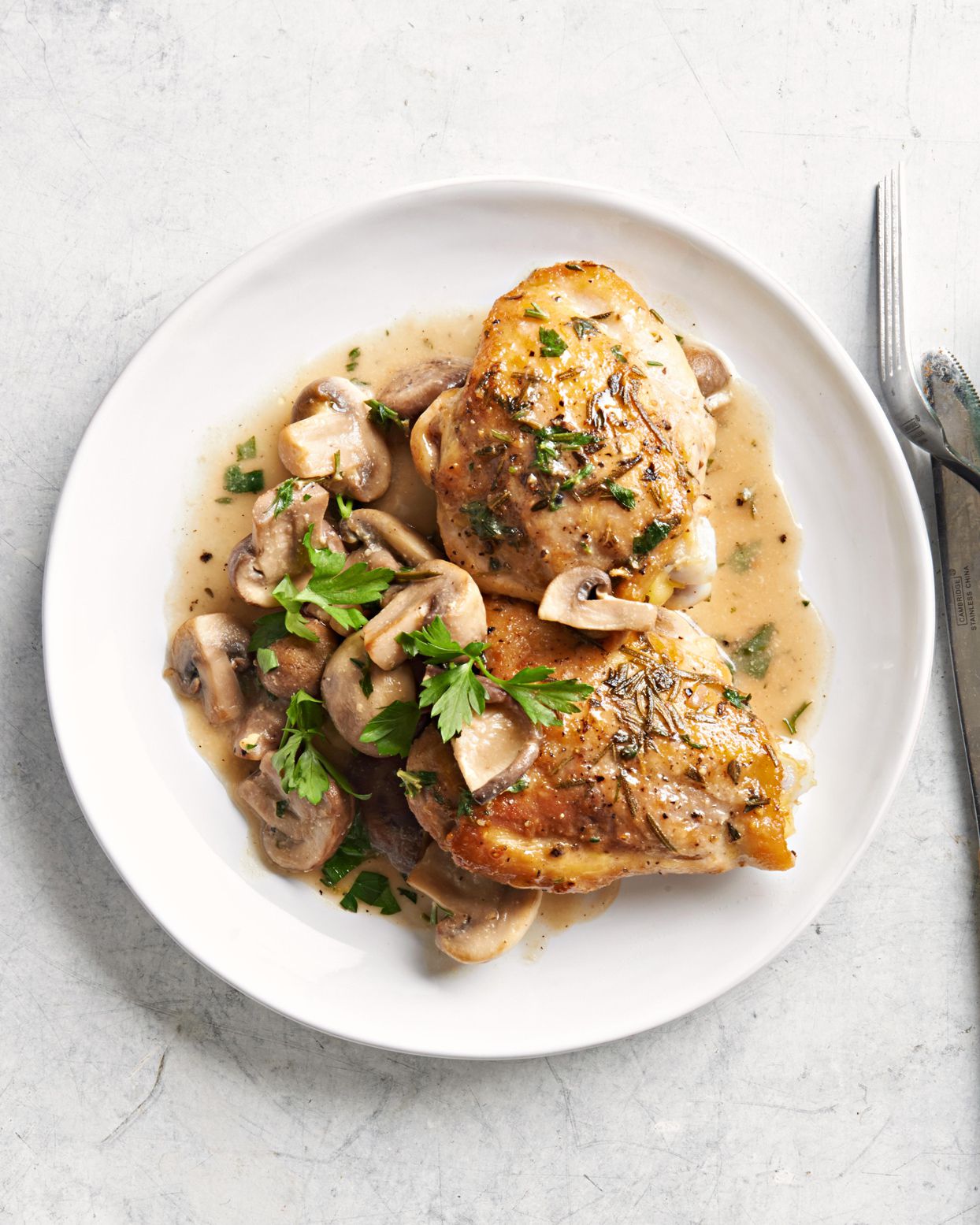

Three-Herb Chicken and Mushrooms Recipe is the kind of dinner that makes a regular weeknight feel like it got invited to wear a nice jacket. Juicy chicken, golden mushrooms, garlic, a splash of broth, and three hardworking herbs come together in one skillet to create a dish that tastes cozy, elegant, and suspiciously more complicated than it actually is.
The beauty of this recipe is balance. Chicken brings satisfying protein, mushrooms bring deep savory flavor, and the three herbsthyme, rosemary, and parsleywork like a tiny kitchen choir. Thyme adds earthy warmth, rosemary gives a piney, aromatic backbone, and parsley brightens everything at the end so the dish does not feel heavy. Nobody wants dinner to taste like it has been wearing a wool blanket all day.
This recipe is designed for home cooks who want something reliable, flavorful, and flexible. It works with boneless chicken breasts, chicken cutlets, or boneless thighs. It can be served over rice, mashed potatoes, buttered noodles, roasted vegetables, or a hunk of crusty bread that is absolutely not optional if you enjoy chasing sauce around the plate.
Why This Three-Herb Chicken and Mushrooms Recipe Works
Good chicken and mushroom recipes usually rely on three smart moves: browning the chicken, cooking the mushrooms until their moisture evaporates, and building a pan sauce from the browned bits left behind. This recipe follows that classic method but keeps the ingredient list simple enough for a Tuesday night.
First, the chicken is seasoned and seared until the outside turns golden. That browning is not just for looks. It creates flavor on the surface of the meat and leaves savory bits in the skillet. Next, the mushrooms cook in the same pan, soaking up the chicken flavor while releasing their own moisture. Once that liquid cooks off, the mushrooms begin to brown and become rich, meaty, and almost buttery.
Finally, garlic, herbs, broth, and a small amount of cream or butter create a simple sauce. The result is tender chicken with mushrooms in a silky herb pan sauce that tastes restaurant-worthy without requiring culinary school, a French accent, or a dramatic chef’s hat.
Ingredients for Three-Herb Chicken and Mushrooms
Main Ingredients
- 4 boneless, skinless chicken breasts or 6 chicken cutlets
- 12 ounces cremini or baby bella mushrooms, sliced
- 2 tablespoons olive oil
- 2 tablespoons unsalted butter, divided
- 3 cloves garlic, minced
- 1 small shallot or 1/4 cup finely chopped yellow onion
- 3/4 cup low-sodium chicken broth
- 1/4 cup heavy cream, half-and-half, or additional broth
- 1 teaspoon fresh thyme leaves, or 1/2 teaspoon dried thyme
- 1/2 teaspoon finely chopped fresh rosemary, or 1/4 teaspoon dried rosemary
- 2 tablespoons chopped fresh parsley
- 1/2 teaspoon kosher salt, plus more to taste
- 1/4 teaspoon black pepper
- 1 tablespoon lemon juice, optional but highly recommended
Optional Flavor Boosters
- 1/4 teaspoon smoked paprika for gentle warmth
- 1 teaspoon Dijon mustard for a tangy sauce
- 1/4 cup dry white wine in place of some broth
- 2 tablespoons grated Parmesan for a richer finish
- A pinch of red pepper flakes if your skillet enjoys a little drama
Best Herbs for Chicken and Mushrooms
The three herbs in this recipe are chosen for a reason. Thyme is one of the best herbs for chicken because it is savory, subtle, and sturdy enough to handle heat. It pairs beautifully with mushrooms, garlic, onions, broth, and cream-based sauces. Rosemary is stronger, so a little goes a long way. Used carefully, it gives the dish a cozy roasted flavor. Used like confetti at a parade, it can take over the entire meal, your kitchen, and possibly the next room.
Parsley comes in at the end. It does not need long cooking. In fact, it is better fresh because it adds color and a clean finish. Together, thyme, rosemary, and parsley make this herb chicken recipe taste rounded and complete.
How to Make Three-Herb Chicken and Mushrooms
Step 1: Prepare the Chicken
Pat the chicken dry with paper towels. This small step makes a big difference because dry chicken browns better than damp chicken. If using large chicken breasts, slice them horizontally into thinner cutlets or pound them gently to an even thickness. Even thickness helps the chicken cook at the same speed, which means no rubbery edges and no undercooked center.
Season both sides with salt, pepper, and smoked paprika if using. Let the chicken sit for about 10 minutes while you slice the mushrooms and chop the herbs.
Step 2: Sear the Chicken
Heat 1 tablespoon olive oil and 1 tablespoon butter in a large skillet over medium-high heat. Add the chicken in a single layer. Do not crowd the pan. If the skillet looks like a chicken traffic jam, cook in batches.
Sear the chicken for 4 to 5 minutes per side, depending on thickness, until golden brown and cooked through. The safest way to check doneness is with a food thermometer; chicken should reach 165°F in the thickest part. Transfer the chicken to a plate and loosely cover it with foil.
Step 3: Brown the Mushrooms
Add the remaining 1 tablespoon olive oil to the same skillet. Add the sliced mushrooms and spread them out. Let them cook without too much stirring at first. Mushrooms release liquid as they cook, and if they are stirred constantly or crowded too much, they steam instead of brown.
Cook for 6 to 8 minutes, stirring occasionally, until the mushroom liquid evaporates and the mushrooms turn golden. This is where the flavor wakes up. If mushrooms had a “before coffee” and “after coffee” moment, this would be it.
Step 4: Add Aromatics and Herbs
Add the shallot and cook for 1 to 2 minutes until softened. Stir in the garlic, thyme, and rosemary. Cook for about 30 seconds, just until fragrant. Garlic burns quickly, so do not wander off to check your phone unless your phone is also making dinner.
Step 5: Build the Sauce
Pour in the chicken broth and scrape the bottom of the skillet with a wooden spoon. Those browned bits are flavor gold. Add the cream, Dijon mustard if using, and a small squeeze of lemon juice. Simmer for 3 to 5 minutes until the sauce slightly thickens.
Return the chicken and any resting juices to the skillet. Spoon the mushroom herb sauce over the chicken and simmer for another 2 minutes. Taste and adjust with salt, pepper, or more lemon juice.
Step 6: Finish with Parsley
Turn off the heat and sprinkle fresh parsley over the top. Serve immediately while the sauce is glossy and the mushrooms are still tender.
Recipe Card: Three-Herb Chicken and Mushrooms
Prep Time
15 minutes
Cook Time
25 minutes
Total Time
40 minutes
Servings
4 servings
Difficulty
Easy to medium
Best For
Weeknight dinners, family meals, casual entertaining, meal prep, cozy fall and winter cooking, or any evening when plain chicken needs a personality upgrade.
Tips for the Best Chicken and Mushroom Skillet
Use Cremini Mushrooms for Deeper Flavor
White button mushrooms work, but cremini mushrooms have a richer, earthier taste. Baby bella mushrooms are simply mature cremini mushrooms and are excellent in this recipe. You can also mix in shiitake, oyster, or portobello mushrooms for a more complex mushroom flavor.
Do Not Rush the Mushrooms
Mushrooms need time to release water and brown. If you pull them too early, they may taste soft but not deeply savory. Let the pan do its job. Good mushrooms are like good jokes: timing matters.
Keep Rosemary Under Control
Rosemary is powerful. Chop it finely and measure it carefully. Too much rosemary can make the sauce taste sharp or woody. The goal is “cozy herb garden,” not “accidentally licked a pine branch.”
Let the Chicken Rest
After searing, let the chicken rest while you cook the mushrooms and sauce. This helps the juices settle back into the meat. When the chicken returns to the skillet, those resting juices go into the sauce, which is exactly where they belong.
Use Low-Sodium Broth
Low-sodium chicken broth gives you more control over seasoning. As the sauce reduces, flavors concentrate, and regular broth can become too salty.
What to Serve with Three-Herb Chicken and Mushrooms
This dish loves a side that can catch the sauce. Mashed potatoes are the classic choice because they turn the herb mushroom sauce into comfort food royalty. Rice is simple and practical, especially if you want an easy gluten-free option. Buttered egg noodles make the meal feel old-school in the best possible way.
For a lighter plate, serve the chicken with roasted green beans, steamed broccoli, sautéed spinach, or a crisp green salad. If you want something extra cozy, add crusty bread. The bread will not judge you for wiping the skillet clean. In fact, it was born for this job.
Variations and Substitutions
Make It Cream-Free
Skip the cream and use extra broth. Add a small pat of butter at the end to give the sauce body. The result is lighter but still flavorful.
Make It Extra Creamy
Increase the cream to 1/2 cup and add Parmesan. This turns the dish into a richer creamy herb chicken and mushrooms recipe, perfect for pasta or mashed potatoes.
Use Chicken Thighs
Boneless, skinless chicken thighs are juicy and forgiving. They may need a few extra minutes to cook, but they bring excellent flavor and stay tender.
Add Spinach
Stir in two handfuls of baby spinach at the end. It wilts quickly and adds color, nutrition, and the feeling that you made a responsible life choice.
Add Wine
Replace 1/4 cup of the broth with dry white wine. Let it simmer for a minute before adding cream. Wine adds brightness and depth to the mushroom sauce.
How to Store and Reheat Leftovers
Store leftover chicken and mushrooms in an airtight container in the refrigerator for up to 3 days. Reheat gently in a skillet over medium-low heat with a splash of broth or water to loosen the sauce. You can also reheat it in the microwave, but use shorter intervals and cover the dish to keep the chicken from drying out.
This recipe can be frozen, but cream sauces sometimes separate after thawing. If you plan to freeze it, make the sauce without cream and add cream after reheating. Future you will be grateful, and future you deserves nice sauce.
Common Mistakes to Avoid
Cooking Thick Chicken Breasts Without Flattening
Large chicken breasts often cook unevenly. The outside can dry out before the center is done. Slice them into cutlets or pound them evenly for better results.
Adding Garlic Too Early
Garlic burns faster than onions and mushrooms. Add it after the mushrooms have browned and the shallot has softened.
Skipping Acid
A little lemon juice or Dijon mustard helps balance the richness of the sauce. Without it, the dish may taste flat. Acid is the tiny sparkle that tells the sauce to stand up straight.
Overcrowding the Pan
Both chicken and mushrooms need space to brown. If the pan is too crowded, food steams. Steamed chicken and mushrooms are technically dinner, but they are not the dinner we came here to celebrate.
Experience Notes: What Cooking This Recipe Teaches You
One of the best things about making Three-Herb Chicken and Mushrooms is that it teaches several useful cooking skills in one friendly recipe. You learn how to sear chicken, how to brown mushrooms, how to build a pan sauce, and how to use herbs without letting them wrestle the whole dish to the ground. That is a lot of kitchen education for one skillet.
The first time you make this recipe, pay attention to the sound of the pan. When the chicken first hits the skillet, you should hear a confident sizzle. If the pan is too quiet, it may not be hot enough, and the chicken will not brown well. If the pan sounds angry and the butter turns dark immediately, lower the heat. Cooking is not just visual; it is also a listening exercise, minus the awkward group discussion afterward.
The mushrooms are the real patience test. At first, they may look like they are soaking up all the oil and butter. Then they release liquid and seem to be doing the exact opposite of browning. Stay calm. This is normal mushroom behavior. Once the moisture evaporates, the mushrooms begin to caramelize and develop that deep, savory taste that makes the final sauce so satisfying.
This recipe also shows why herbs should be layered thoughtfully. Thyme can handle cooking and blends into the sauce beautifully. Rosemary needs a shorter leash because its flavor is bold. Parsley belongs at the end because freshness is its superpower. When these herbs are used in the right order, the dish tastes balanced instead of noisy.
Another lesson is that simple ingredients can feel special when technique is handled well. Chicken, mushrooms, broth, herbs, and garlic are not rare ingredients. You can find them in almost any grocery store. But when they are browned, simmered, and finished with a little brightness, they become a meal that feels polished.
This is also a great recipe for building confidence. It is flexible enough to forgive small changes. No shallot? Use onion. No cream? Use broth and butter. No fresh thyme? Use dried, but reduce the amount. Want more sauce? Add a little extra broth. The recipe gives you structure without acting like a strict substitute teacher.
For entertaining, this dish is especially useful because it looks impressive in the skillet. Place it on the table with parsley scattered over the top, and people will assume you had a plan all along. Serve it with mashed potatoes and green beans, and it becomes classic comfort food. Serve it with rice and a salad, and it becomes a balanced weeknight dinner. Serve it with noodles, and suddenly everyone is very interested in seconds.
The biggest experience-based tip is to taste before serving. A sauce can need a pinch of salt, a squeeze of lemon, or a little more pepper depending on the broth, mushrooms, and chicken used. Tasting at the end is how good recipes become your recipes.
Conclusion
Three-Herb Chicken and Mushrooms Recipe is a dependable, flavorful skillet dinner that proves simple ingredients can still have big personality. With golden chicken, browned mushrooms, garlic, thyme, rosemary, parsley, and a silky pan sauce, this dish is cozy enough for a family dinner and elegant enough for guests. It is practical, flexible, and satisfying without being fussy.
The secret is not complicated: season well, give the chicken space to sear, let the mushrooms brown, and finish the sauce with fresh herbs and a touch of brightness. Do that, and dinner goes from “just chicken again” to “please make this again.” That is the kind of kitchen magic worth keeping in your weekly recipe rotation.
Note: This article is prepared for web publication in standard American English and is based on widely accepted U.S. cooking and food-safety guidance, practical home-kitchen techniques, and real recipe development principles.